
Wooden vs Metal Utensils: Which Is Better?
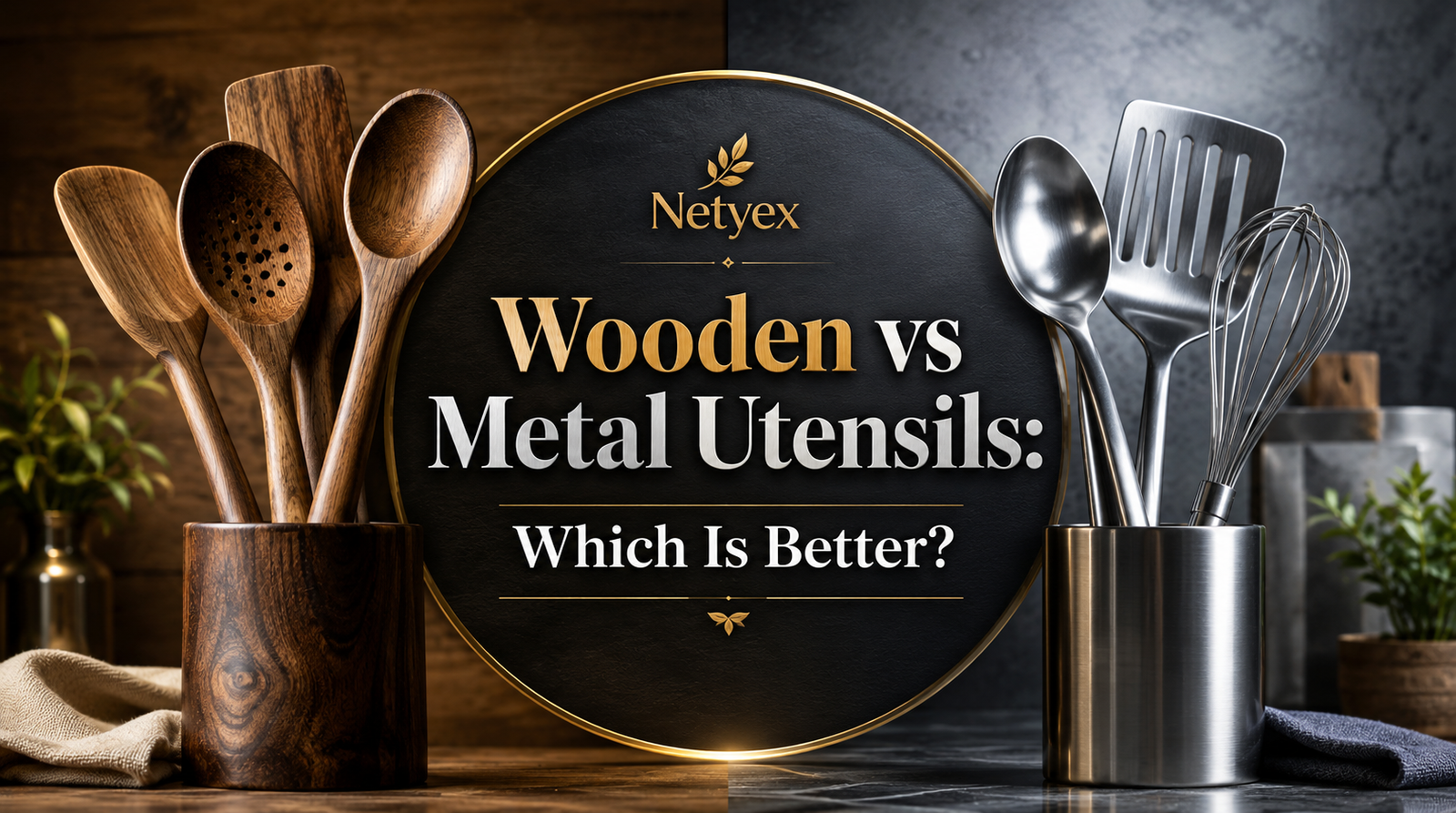
Kitchen utensils are among the most frequently used tools in any home. Whether you’re stirring soup, flipping pancakes, mixing sauces, or serving meals, the material of your utensils can significantly affect cooking performance, cookware longevity, and food safety.
The debate around Wooden vs Metal Utensils: Which Is Better? has been ongoing for years. Each material offers unique benefits and limitations. Understanding these differences can help you select the most practical option for your cooking style and kitchen setup.
Introduction to Kitchen Utensil Materials
Kitchen utensils come in various materials, including wood, stainless steel, silicone, plastic, and bamboo. Among these, wood and metal remain two of the most popular choices due to their durability and versatility.
Choosing between them depends on factors such as:
- Type of cookware used
- Cooking temperature
- Maintenance preferences
- Budget
- Environmental concerns
- Food preparation habits
Let’s examine both options in detail.
Understanding Wooden Utensils
Wooden utensils have been used for centuries. Their natural appearance, gentle touch, and versatility make them a favorite among home cooks and professional chefs alike.
Common Types of Wooden Utensils
Popular wooden kitchen tools include:
- Wooden spoons
- Salad servers
- Spatulas
- Mixing paddles
- Rice paddles
- Rolling pins
Common wood varieties include:
- Beechwood
- Maple
- Olive wood
- Teak
- Bamboo
Advantages of Wooden Cooking Tools
Wooden utensils offer several practical benefits.
Gentle on Cookware
Wood does not scratch non-stick surfaces, ceramic cookware, or enamel-coated pots.
Poor Heat Conductor
Wood remains relatively cool during cooking, reducing the risk of burns.
Comfortable Handling
Wood provides a natural grip and feels comfortable during extended cooking sessions.
Eco-Friendly Option
Sustainably sourced wood is biodegradable and renewable, making it environmentally friendly.
No Metallic Taste
Wood does not react with acidic ingredients or affect food flavor.
Drawbacks of Wooden Utensils
Despite their strengths, wooden utensils have limitations.
- Can absorb moisture and odors
- May crack if improperly maintained
- Require periodic oiling
- Not dishwasher-friendly in many cases
- Can harbor bacteria if damaged
Understanding Metal Utensils
Metal utensils, particularly stainless steel varieties, are valued for strength, durability, and ease of maintenance.
Common Types of Metal Utensils
Examples include:
- Stainless steel spatulas
- Ladles
- Whisks
- Tongs
- Serving spoons
- Skimmers
Benefits of Metal Cooking Tools
Metal utensils offer outstanding performance in demanding kitchen environments.
Exceptional Durability
High-quality stainless steel can last for decades.
Easy Cleaning
Most metal utensils are dishwasher safe and resist staining.
High Heat Resistance
Metal withstands extremely high temperatures without damage.
Excellent Strength
Ideal for heavy-duty cooking tasks such as scraping, lifting, and flipping.
Hygienic Surface
Smooth stainless steel surfaces resist moisture absorption.
Limitations of Metal Utensils
Potential disadvantages include:
- Can scratch non-stick cookware
- Become hot during cooking
- May create noise against cookware
- Usually heavier than wood
- Some lower-quality metals can corrode
Wooden vs Metal Utensils: Which Is Better?
The answer depends largely on your cooking habits and cookware type.
Durability Comparison
Metal utensils generally outperform wood in durability.
| Feature | Wooden Utensils | Metal Utensils |
|---|---|---|
| Lifespan | Moderate to long | Very long |
| Crack Resistance | Moderate | Excellent |
| Wear Resistance | Moderate | Excellent |
| Heavy-Duty Tasks | Fair | Excellent |
Winner: Metal
Heat Resistance Comparison
Metal handles high temperatures exceptionally well. However, it can become hot.
Wood resists heat transfer and remains comfortable to hold.
Winner: Tie, depending on usage.
Food Safety and Hygiene
Modern studies suggest properly maintained wooden utensils are generally safe. However, damaged wooden surfaces may retain moisture.
Metal surfaces are non-porous and easier to sanitize.
Winner: Metal
Environmental Impact
Wood typically has a lower environmental footprint when responsibly sourced.
Metal production requires significant energy but offers long-term durability.
Winner: Wood
Cost and Long-Term Value
Basic wooden utensils are often affordable. Premium hardwood versions can be expensive.
Stainless steel utensils may cost more initially but often last longer.
Winner: Metal for long-term value
Best Uses for Wooden Utensils
Wooden utensils excel in several cooking situations.
Non-Stick Cookware
Wood prevents scratching delicate coatings.
Sauce Preparation
The smooth edges allow gentle stirring without damaging cookware.
Baking Tasks
Wooden spoons are ideal for mixing doughs and batters.
Long Simmering Recipes
The handles stay relatively cool during extended cooking.
Best Uses for Metal Utensils
Metal utensils shine when strength and durability are priorities.
Grilling
Metal tongs and spatulas handle intense heat effectively.
Heavy Foods
Ideal for lifting burgers, steaks, and large portions.
Commercial Kitchens
Professional environments benefit from metal’s durability and easy sanitation.
Precision Cooking
Thin metal edges work well for flipping delicate foods.
Maintenance and Care Tips
Proper care extends the lifespan of any utensil.
Caring for Wooden Utensils
Follow these guidelines:
- Wash by hand using mild soap.
- Dry immediately after cleaning.
- Avoid prolonged soaking.
- Apply food-grade mineral oil periodically.
- Replace cracked utensils.
Caring for Metal Utensils
Maintenance is simpler.
- Wash after each use.
- Dry thoroughly to prevent spotting.
- Inspect joints and handles.
- Avoid abrasive cleaners on polished surfaces.
Choosing the Right Utensils for Different Cookware
Matching utensils to cookware is essential.
| Cookware Type | Recommended Utensil |
|---|---|
| Non-stick pans | Wooden |
| Ceramic cookware | Wooden |
| Cast iron | Metal |
| Stainless steel cookware | Metal |
| Enamel cookware | Wooden |
| Grill surfaces | Metal |
Many experienced cooks keep both types available.
Common Myths About Wooden and Metal Utensils
Myth 1: Wooden Utensils Are Unsanitary
Properly maintained wooden utensils can be safe and hygienic.
Myth 2: Metal Utensils Always Damage Pans
They only damage certain surfaces, especially non-stick coatings.
Myth 3: Wood Is Fragile
High-quality hardwood utensils can last many years.
Myth 4: Metal Utensils Rust Easily
Quality stainless steel resists rust extremely well.
Expert Recommendations
Most culinary professionals recommend owning both wooden and metal utensils rather than choosing only one.
A balanced kitchen setup may include:
- Wooden spoons for stirring
- Wooden spatulas for non-stick cookware
- Stainless steel tongs for grilling
- Metal ladles for soups
- Metal whisks for mixing
For more kitchen equipment guidance, visit the official cooking resources available through the American Culinary Federation.
Frequently Asked Questions
1. Are wooden utensils safer than metal utensils?
Both are safe when properly maintained. Metal is easier to sanitize, while wood is gentle on cookware.
2. Can wooden utensils go in the dishwasher?
Hand washing is generally recommended to prevent cracking and warping.
3. Do metal utensils scratch non-stick pans?
Yes. Metal utensils can damage non-stick coatings over time.
4. How often should wooden utensils be oiled?
Every few weeks or whenever the wood appears dry.
5. Which lasts longer, wood or metal?
Stainless steel utensils typically last longer than wooden utensils.
6. Are wooden utensils environmentally friendly?
Yes, especially when sourced from sustainably managed forests.
7. Should every kitchen have both materials?
Most experts recommend keeping both for maximum versatility.
Conclusion
When evaluating Wooden vs Metal Utensils: Which Is Better?, there is no universal winner. Wooden utensils are excellent for protecting cookware, providing comfort, and offering an eco-friendly option. Metal utensils deliver unmatched durability, sanitation, and strength for demanding cooking tasks.
For most households, the ideal solution is not choosing one over the other but combining both. Wooden utensils work best with non-stick and delicate cookware, while metal utensils excel in grilling, heavy-duty cooking, and professional-level food preparation. By understanding the strengths and weaknesses of each material, you can build a versatile kitchen toolkit that supports every cooking style and recipe.