
Wooden Kitchen Utensils That Won’t Scratch Cookware
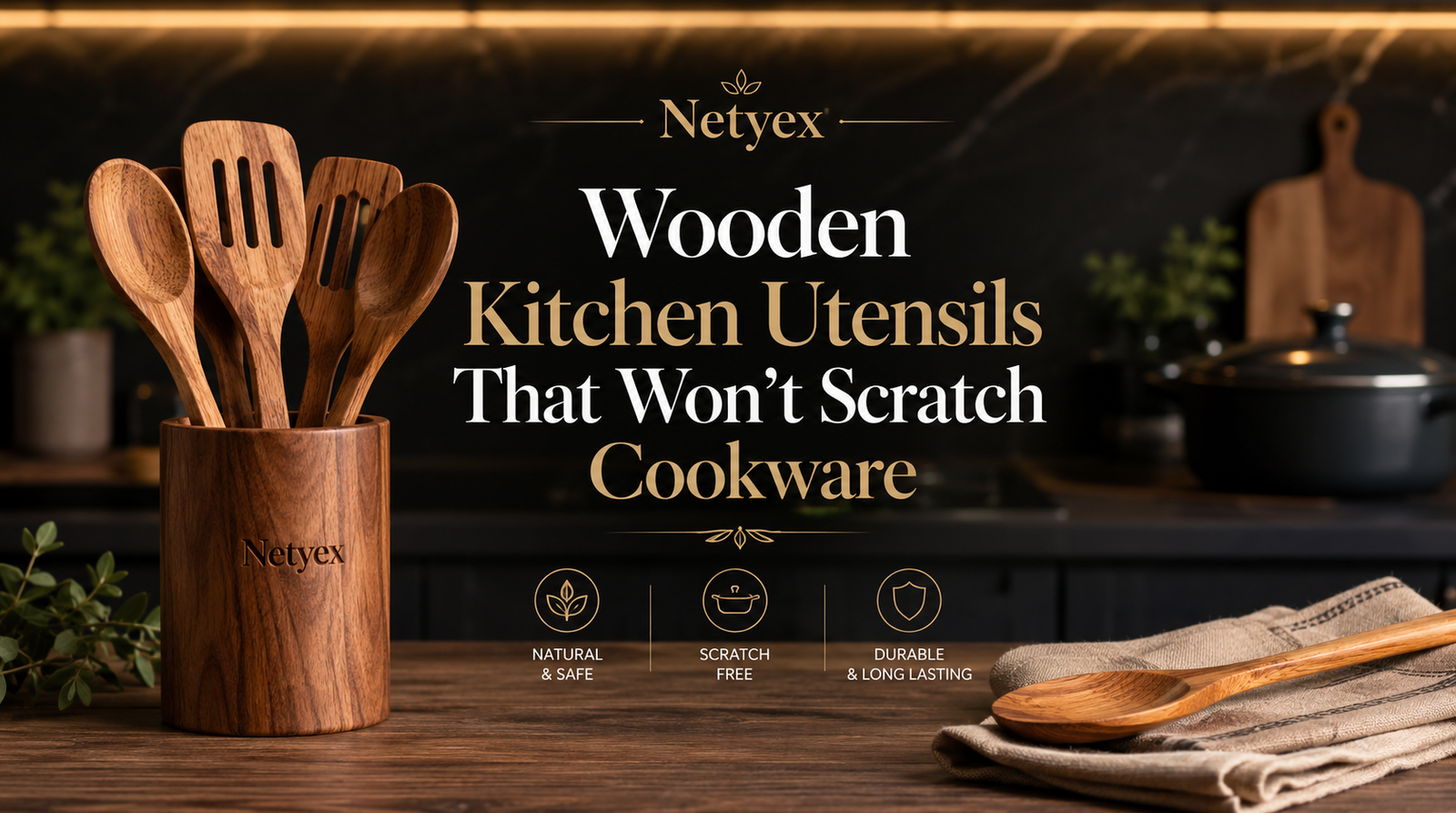
Modern cookware can be a significant investment. Whether you own premium non-stick pans or high-quality stainless steel cookware, protecting those surfaces is essential. One of the easiest ways to preserve your cookware is by choosing the right utensils.
Wooden Kitchen Utensils That Won’t Scratch Cookware (Protection for non-stick and stainless steel) have become increasingly popular because they combine functionality, durability, and cookware protection. Unlike metal utensils that can leave scratches and damage coatings, wooden utensils offer a gentle cooking experience while maintaining excellent performance.
In this guide, we’ll explore why wooden utensils are ideal, which types work best, how to maintain them, and what to look for when purchasing.
Why Choosing the Right Kitchen Utensils Matters
Many home cooks focus heavily on selecting quality cookware but overlook the importance of utensils. The wrong utensil can gradually damage expensive pans and pots.
Kitchen utensils interact directly with cooking surfaces. Frequent scraping, stirring, and flipping can wear down coatings and create scratches that shorten cookware lifespan.
Choosing protective utensils helps:
- Extend cookware longevity
- Maintain cooking performance
- Prevent coating deterioration
- Improve food safety
- Reduce replacement costs
Understanding Cookware Surface Damage
Common Causes of Scratches
Scratches often occur when hard materials repeatedly contact cookware surfaces. Metal forks, steel spatulas, and sharp-edged tools are common culprits.
Other causes include:
- Aggressive stirring
- Stacking cookware improperly
- Cleaning with abrasive pads
- Using utensils with rough edges
Impact on Non-Stick Coatings
Non-stick surfaces are especially vulnerable. Once scratched, coatings may begin peeling or losing effectiveness.
Damaged non-stick cookware can result in:
- Food sticking
- Uneven cooking
- Difficult cleanup
- Reduced lifespan
Effects on Stainless Steel Cookware
Although stainless steel is more durable, scratches can still affect appearance and performance.
Deep scratches may:
- Create cleaning challenges
- Harbor food residue
- Reduce visual appeal
- Affect heat distribution over time
Why Wooden Utensils Are a Smart Choice
Natural Material Benefits
Wood is naturally softer than cookware surfaces, making it ideal for daily cooking tasks.
Benefits include:
- Gentle contact with cookware
- Comfortable grip
- Attractive appearance
- Durable construction
Heat Resistance Advantages
Wooden utensils generally stay cooler than metal alternatives. They don’t transfer heat quickly, reducing the risk of burns while cooking.
Eco-Friendly Cooking Solutions
Many wooden utensils come from renewable resources and are biodegradable, making them a sustainable alternative to plastic.
For additional information about sustainable kitchen practices, visit the Environmental Protection Agency website: https://www.epa.gov
Top Wooden Kitchen Utensils That Won’t Scratch Cookware
Wooden Spoons
The classic wooden spoon remains one of the most versatile kitchen tools.
Ideal for:
- Stirring soups
- Mixing sauces
- Folding ingredients
- Sautéing vegetables
Its rounded edges make scratching virtually impossible.
Wooden Spatulas
Flat wooden spatulas excel at scraping and stirring without damaging cookware surfaces.
Best uses include:
- Stir-fries
- Scrambled eggs
- Pancakes
- Delicate fish dishes
Wooden Turner Spatulas
Turner-style spatulas help flip foods while protecting pan coatings.
They’re especially useful for:
- Burgers
- Omelets
- Grilled sandwiches
Wooden Ladles
Wooden ladles provide gentle serving for soups, stews, and sauces.
Advantages:
- Scratch-free serving
- Comfortable handling
- Excellent durability
Wooden Salad Servers
While designed primarily for salads, these utensils also work well for mixing ingredients in large bowls.
Wooden Scrapers
Wooden scrapers can remove food residue without damaging cookware surfaces.
Excellent for:
- Cast iron maintenance
- Dough preparation
- Pan cleaning during cooking
Wooden Tongs
Wooden tongs provide gentle gripping power for turning foods without harming delicate cookware.
Best Wood Types for Kitchen Utensils
Beechwood
Beechwood is affordable, durable, and widely used in kitchen tools.
Key qualities:
- Smooth texture
- Strong construction
- Lightweight design
Maple
Maple is prized for its hardness and resistance to wear.
Benefits include:
- Long lifespan
- Attractive grain
- Excellent durability
Olive Wood
Olive wood offers stunning visual appeal and natural density.
Advantages:
- Unique patterns
- Moisture resistance
- Premium appearance
Teak
Teak contains natural oils that help resist moisture and cracking.
Many professional chefs appreciate teak for its:
- Longevity
- Strength
- Water resistance
Comparing Wooden Utensils with Other Materials
| Feature | Wood | Metal | Silicone | Plastic |
|---|---|---|---|---|
| Scratch Protection | Excellent | Poor | Excellent | Good |
| Heat Resistance | Good | Excellent | Excellent | Moderate |
| Eco-Friendly | Excellent | Good | Moderate | Poor |
| Durability | High | Very High | High | Moderate |
| Comfort | Excellent | Moderate | Good | Good |
Wood vs Metal
Metal utensils are durable but can easily scratch cookware surfaces.
Wood vs Silicone
Silicone offers excellent cookware protection, but many cooks prefer wood’s natural feel and appearance.
Wood vs Plastic
Wood generally lasts longer and is more environmentally friendly than plastic alternatives.
How Wooden Utensils Protect Non-Stick Cookware
The primary advantage of wooden utensils is their softness relative to non-stick coatings.
Wood:
- Prevents abrasion
- Reduces coating wear
- Eliminates sharp-edge contact
- Maintains surface integrity
This protection can significantly extend the lifespan of non-stick cookware.
How Wooden Utensils Protect Stainless Steel Cookware
While stainless steel is tougher than non-stick surfaces, wooden utensils still offer benefits.
Wood helps:
- Preserve polished finishes
- Minimize visible scratches
- Reduce impact damage
- Improve long-term appearance
Frequent use of wooden tools keeps cookware looking newer for longer.
Proper Care and Maintenance
Cleaning Guidelines
To maximize lifespan:
- Wash by hand with mild soap.
- Rinse thoroughly.
- Dry immediately.
Avoid prolonged soaking.
Oiling Techniques
Periodic oiling prevents drying and cracking.
Recommended oils:
- Food-grade mineral oil
- Walnut oil
- Coconut oil
Apply every few weeks depending on usage.
Storage Recommendations
Store wooden utensils:
- In a dry location
- Away from direct sunlight
- Upright in utensil holders
Proper storage reduces warping and moisture damage.
Common Mistakes to Avoid
Many users unknowingly shorten the life of wooden utensils.
Avoid:
- Dishwasher cleaning
- Extended water exposure
- Harsh chemical cleaners
- High-humidity storage
- Using cracked utensils
These practices help preserve both the utensils and your cookware.
Buying Guide for Wooden Kitchen Utensils
When shopping for wooden utensils, look for:
Smooth Finish
A smooth finish reduces the risk of splinters and improves cookware protection.
Single-Piece Construction
One-piece utensils are generally stronger and easier to clean.
Quality Hardwood
Choose durable hardwoods such as:
- Maple
- Beechwood
- Olive wood
- Teak
Comfortable Handle Design
Ergonomic handles improve control and reduce hand fatigue.
Food-Safe Treatment
Ensure the utensil uses food-safe finishes and oils.
Frequently Asked Questions
1. Are wooden utensils safe for non-stick pans?
Yes. Wooden utensils are among the safest choices for non-stick cookware because they do not scratch protective coatings.
2. Can wooden utensils scratch stainless steel cookware?
Under normal use, wooden utensils are highly unlikely to scratch stainless steel surfaces.
3. How long do wooden kitchen utensils last?
With proper care, quality wooden utensils can last many years, often exceeding a decade.
4. Should wooden utensils be oiled?
Yes. Regular oiling helps prevent cracking, drying, and moisture absorption.
5. Can wooden utensils go in the dishwasher?
No. Hand washing is strongly recommended to maintain durability and appearance.
6. Which wood is best for cooking utensils?
Teak, maple, olive wood, and beechwood are among the most popular and durable choices.
7. Do wooden utensils absorb food odors?
They can absorb odors over time, but proper cleaning and occasional oiling greatly reduce this issue.
8. Are wooden utensils environmentally friendly?
Yes. Sustainably sourced wooden utensils are renewable, biodegradable, and generally more eco-friendly than plastic alternatives.
Conclusion
Wooden Kitchen Utensils That Won’t Scratch Cookware (Protection for non-stick and stainless steel) offer an ideal combination of cookware protection, durability, comfort, and sustainability. Their gentle contact helps preserve delicate non-stick coatings while maintaining the polished appearance of stainless steel cookware.
By choosing quality hardwood utensils, maintaining them properly, and using them consistently, you can extend the lifespan of your cookware and enhance your overall cooking experience. Whether you’re a beginner home cook or an experienced chef, wooden utensils remain one of the smartest investments for a well-equipped kitchen.