
Wooden Bowls, Trays, and Decorative Objects for Modern Homes
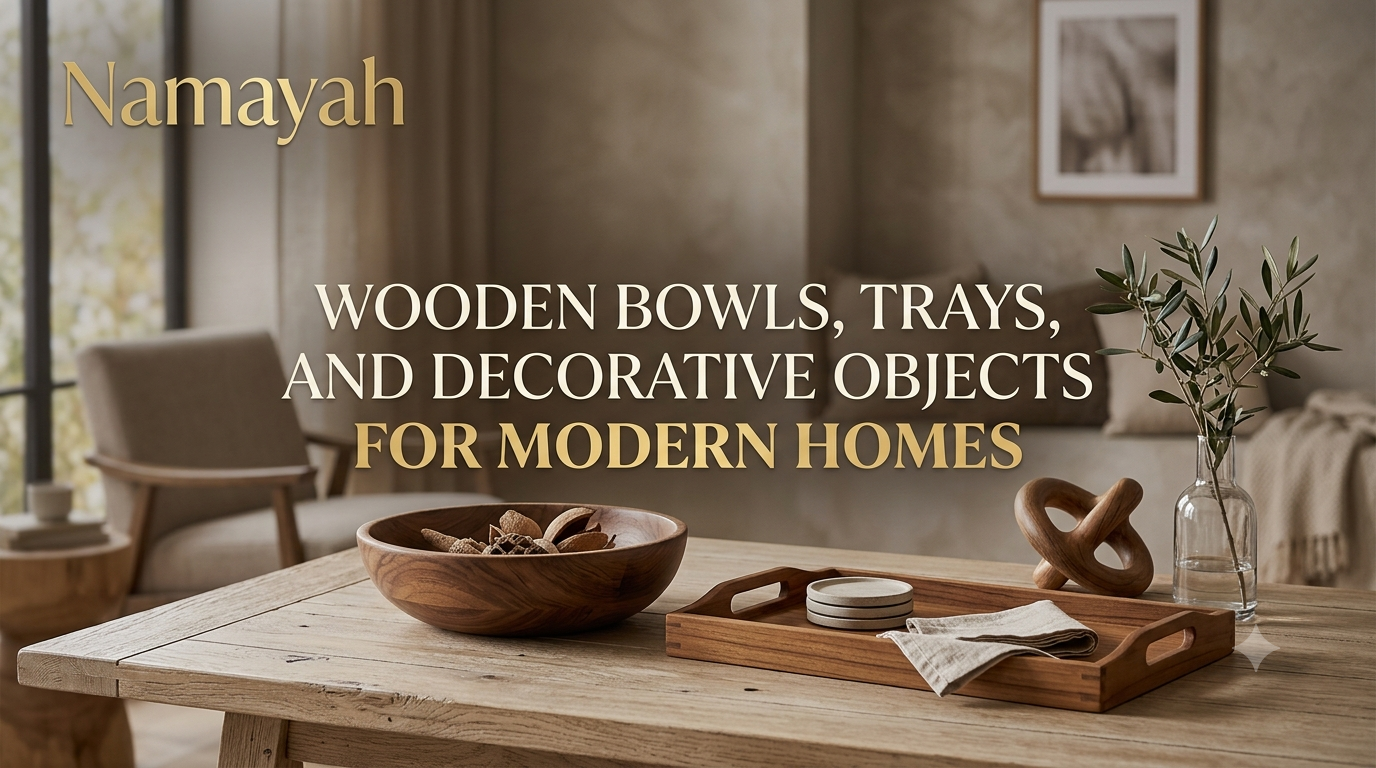
Introduction to Wooden Bowls, Trays, and Decorative Objects for Modern Homes
Modern interior design continues to embrace simplicity, warmth, and natural beauty. One of the easiest ways to achieve this balance is by incorporating Wooden Bowls, Trays, and Decorative Objects for Modern Homes. These timeless accessories bring organic textures, earthy colors, and handcrafted character into contemporary living spaces without overwhelming the overall aesthetic.
Unlike plastic or synthetic décor, wooden accessories provide depth and authenticity. Every grain pattern is unique, making each bowl, tray, or decorative sculpture a one-of-a-kind statement piece. Whether your home follows Scandinavian minimalism, Japandi design, rustic modern style, or contemporary luxury, wooden décor fits naturally into almost every design philosophy.
Besides their visual appeal, wooden accessories are practical. Decorative bowls can hold fruit, keys, or seasonal ornaments. Wooden trays organize coffee tables, dining areas, and bathrooms while enhancing visual harmony. Sculptural wooden objects create focal points that make interiors feel curated instead of cluttered.
Another reason homeowners increasingly choose wooden décor is sustainability. Responsibly sourced hardwoods and reclaimed timber reduce environmental impact while providing products that can last for decades with proper care.
Why Wooden Home Décor Is Trending
Interior designers increasingly recommend natural materials because they create calm, inviting environments. Wood has become one of the defining materials in modern home styling.
The Return of Natural Materials
Consumers are moving away from mass-produced synthetic décor toward authentic handcrafted pieces. Wood offers warmth that metals and plastics simply cannot replicate.
Natural materials also complement indoor plants, stone countertops, linen fabrics, wool rugs, and ceramic accessories, creating balanced interiors inspired by nature.
Some of the biggest advantages include:
- Timeless appearance
- Natural grain patterns
- Durability
- Sustainability
- Easy coordination with other materials
- Long lifespan
- Versatile styling options
Minimalist Interior Design
Minimalism emphasizes quality over quantity. Rather than filling shelves with many decorative items, homeowners now choose fewer pieces with stronger visual impact.
A handcrafted walnut bowl placed on a marble countertop immediately draws attention through texture and craftsmanship. Likewise, a simple oak tray on a coffee table can organize books, candles, and vases while maintaining a clean appearance.
Wood naturally softens modern interiors dominated by concrete, glass, and steel.
Types of Wooden Bowls
Wooden bowls serve both decorative and practical purposes, making them one of the most versatile home accessories available.
Serving Bowls
Large wooden serving bowls are perfect for salads, bread, snacks, and family meals. Hardwoods like acacia and teak resist moisture better than softer woods, making them excellent dining companions.
Serving bowls pair beautifully with ceramic dinnerware and linen table settings, adding warmth to every meal.
Fruit Bowls
A handcrafted fruit bowl instantly becomes the centerpiece of a kitchen island or dining table.
Open designs improve airflow, helping fresh fruit remain attractive while contributing vibrant natural colors to the room.
Popular fruits for display include:
- Apples
- Pears
- Lemons
- Oranges
- Pomegranates
- Limes
Decorative Display Bowls
Not every bowl needs to serve food.
Many homeowners fill decorative bowls with:
- Pinecones
- Dried flowers
- Decorative beads
- Moss balls
- Potpourri
- Seasonal ornaments
These displays allow homeowners to refresh interiors throughout the year without purchasing new furniture.
Popular Wooden Trays
Wooden trays combine organization with sophisticated design.
Serving Trays
Serving trays simplify entertaining guests while adding elegance to breakfast, afternoon tea, or evening gatherings.
Modern serving trays often include:
- Raised edges
- Comfortable handles
- Smooth finishes
- Lightweight construction
Coffee Table Trays
Coffee table styling has become a major trend in modern homes.
A wooden tray helps group decorative objects into a cohesive arrangement. Consider combining:
- Candles
- Small plants
- Coffee table books
- Ceramic vases
- Coasters
Grouping items within a tray creates visual order and makes cleaning easier.
Vanity Trays
Bathrooms also benefit from wooden accents.
Vanity trays organize:
- Perfume bottles
- Jewelry
- Skincare products
- Hand towels
- Soap dispensers
The natural texture of wood contrasts beautifully with marble countertops and white ceramics.
Decorative Wooden Objects
Beyond bowls and trays, decorative wooden accessories can add personality and artistic interest to any room.
Wooden Sculptures
Abstract sculptures create conversation pieces while maintaining a clean, modern aesthetic.
Common styles include:
- Geometric forms
- Organic curves
- Animal-inspired figures
- Hand-carved abstract designs
Candle Holders
Wooden candle holders introduce warmth even when candles are unlit. They pair especially well with neutral palettes, creating a cozy atmosphere in living rooms, bedrooms, and dining spaces.
Decorative Spheres and Accents
Small decorative objects such as carved wooden spheres, chain links, beads, and abstract accents add texture to shelves, console tables, and bookcases. Used sparingly, they help complete a thoughtfully styled space without creating visual clutter.
Best Wood Species for Wooden Bowls, Trays, and Decorative Objects for Modern Homes
Choosing the right type of wood is essential because it influences the durability, appearance, maintenance, and overall value of the décor. Each species has unique characteristics that suit different interior styles.
Mango Wood
Mango wood has become one of the most popular materials for home décor. Harvested from trees that have completed their fruit-bearing life cycle, it is considered an environmentally responsible choice.
Advantages of mango wood:
- Sustainable and eco-friendly
- Beautiful natural grain
- Lightweight yet durable
- Warm golden-brown color
- Easy to carve into intricate designs
Mango wood complements modern, bohemian, farmhouse, and Scandinavian interiors.
Acacia Wood
Acacia is prized for its exceptional strength and moisture resistance. It features dramatic grain patterns and rich color variations that make every piece unique.
Benefits include:
- Excellent durability
- Water resistance
- Scratch resistance
- Attractive natural finish
- Long lifespan
Acacia bowls and trays are ideal for both decorative use and serving food.
Walnut
Walnut is a premium hardwood recognized for its deep chocolate tones and elegant grain. It brings sophistication to luxury interiors and pairs beautifully with marble, brass, and black metal accents.
Walnut decorative pieces work especially well in executive offices, formal dining rooms, and contemporary living spaces.
Oak
Oak has remained a favorite for generations due to its strength and timeless appeal.
Key features include:
- Strong construction
- Classic grain patterns
- Excellent longevity
- Easy maintenance
- Versatile styling
Its neutral color allows it to blend effortlessly with modern furniture.
Teak
Teak contains natural oils that help resist moisture and wear. Although often associated with outdoor furniture, it is equally suitable for premium indoor décor.
Teak trays and bowls offer a luxurious look while requiring minimal maintenance.
Styling Ideas for Modern Homes
One of the greatest advantages of Wooden Bowls, Trays, and Decorative Objects for Modern Homes is their versatility. They can enhance nearly every room without requiring major renovations.
Living Room
A coffee table often serves as the focal point of a living room. A rectangular wooden tray can anchor decorative items and make the arrangement feel intentional.
Consider including:
- A scented candle
- A ceramic vase
- A stack of books
- A small plant
- Decorative beads
This simple combination creates balance while keeping the table organized.
Dining Room
A large handcrafted wooden bowl filled with seasonal fruit creates an inviting centerpiece.
For special occasions, you can decorate the bowl with:
- Pinecones during winter
- Citrus fruits in summer
- Decorative pumpkins in autumn
- Fresh greenery in spring
Changing the display with the seasons keeps your dining space fresh and visually interesting.
Kitchen
Wooden accessories naturally complement kitchen countertops.
Useful decorative ideas include:
- Bread bowls
- Fruit displays
- Wooden utensil holders
- Serving trays
- Salt cellars
Their warm tones soften the appearance of stone, stainless steel, and glass surfaces.
Bedroom
Bedrooms benefit from subtle decorative accents.
A small wooden tray on a nightstand can organize:
- Glasses
- Watches
- Jewelry
- Books
- Essential oils
This keeps the room tidy while adding natural texture.
Bathroom
Wood is increasingly used in spa-inspired bathroom designs.
Place a wooden tray beside the sink to display:
- Hand soap
- Candles
- Folded towels
- Small plants
- Skincare products
Combined with white tiles and natural lighting, wooden accessories create a relaxing atmosphere.
Sustainability and Eco-Friendly Benefits
Many homeowners today consider sustainability when purchasing home décor.
Wooden accessories are often more environmentally friendly than plastic alternatives, particularly when made from responsibly sourced or reclaimed timber.
Renewable Resource
Unlike petroleum-based plastics, wood is renewable when forests are managed responsibly.
Look for products made from:
- Certified sustainable forests
- Reclaimed wood
- Recycled timber
- Fast-growing hardwoods such as mango wood
Long Product Life
Quality wooden bowls and trays can last for decades.
Instead of replacing inexpensive synthetic décor every few years, investing in well-crafted wooden pieces reduces waste over time.
Biodegradable Material
At the end of its life, untreated wood naturally decomposes without leaving harmful microplastics behind, making it a more environmentally responsible choice.
How to Care for Wooden Décor
Proper maintenance helps preserve the beauty of wooden accessories for years.
Cleaning Tips
Follow these simple steps:
- Wipe with a soft, damp cloth.
- Dry immediately.
- Avoid soaking wood in water.
- Never place wooden décor in a dishwasher unless specifically recommended by the manufacturer.
- Remove spills promptly.
Conditioning the Wood
Food-safe mineral oil or beeswax can help maintain moisture and prevent drying or cracking.
Conditioning every few months is generally sufficient for frequently used bowls and trays.
Avoid Extreme Conditions
Protect wooden décor from:
- Direct sunlight
- Excessive humidity
- Heat vents
- Standing water
Stable indoor conditions help preserve both the finish and the shape of the wood.
Choosing Quality Handmade Pieces
Not all wooden décor is created equal. Paying attention to craftsmanship ensures you receive a product that is both beautiful and durable.
Inspect the Grain
Natural grain should flow smoothly across the surface. Unique patterns are a sign of authentic wood rather than manufactured imitations.
Look for Smooth Finishing
A well-finished piece should feel silky to the touch without rough edges, splinters, or uneven surfaces.
Check Joinery
If a tray includes handles or assembled components, ensure the joints are secure and neatly finished.
Understand the Finish
Natural oil finishes highlight the wood’s beauty while preserving its texture. High-gloss coatings may offer extra protection but can reduce the natural appearance.
Common Decorating Mistakes to Avoid
Even beautiful accessories can lose their impact if used incorrectly.
Overcrowding Surfaces
Less is often more. Avoid filling every available space with decorative objects.
Ignoring Scale
A tiny bowl on a large dining table may look insignificant, while an oversized tray can overwhelm a small side table. Choose pieces that are proportional to the furniture.
Mixing Too Many Wood Tones
While mixing wood finishes can create depth, too many contrasting tones may appear chaotic. Aim for complementary shades to maintain harmony.
Neglecting Functionality
Select items that not only look attractive but also serve a practical purpose, such as organizing everyday essentials or enhancing entertaining spaces.
Buying Guide for Wooden Bowls, Trays, and Decorative Objects for Modern Homes
Investing in high-quality Wooden Bowls, Trays, and Decorative Objects for Modern Homes ensures that your décor remains beautiful and functional for years. Before making a purchase, consider several important factors.
1. Purpose
Start by deciding how you plan to use the item.
- Decorative display
- Food serving
- Coffee table organization
- Bathroom storage
- Entryway essentials
- Dining table centerpiece
Knowing the primary purpose helps narrow your options.
2. Size
Measure the space where the item will be placed before buying.
For example:
| Space | Recommended Item |
|---|---|
| Coffee Table | Medium decorative tray |
| Kitchen Island | Large fruit bowl |
| Dining Table | Wide centerpiece bowl |
| Bathroom Vanity | Small tray |
| Entryway Console | Decorative catchall bowl |
Choosing the correct size prevents the décor from looking either overcrowded or insignificant.
3. Craftsmanship
Handcrafted pieces often display unique grain patterns and subtle variations that make every item distinctive. Look for:
- Smooth sanding
- Even finishing
- Strong construction
- Balanced proportions
- Quality workmanship
These details usually indicate a product built to last.
4. Food Safety
If you intend to serve food, confirm that the finish is labeled as food-safe. Avoid decorative finishes that are not intended for direct contact with food.
5. Sustainability
Many shoppers now prioritize environmentally responsible products. Consider items made from:
- FSC-certified wood
- Reclaimed timber
- Responsibly harvested hardwoods
- Sustainably sourced mango or acacia wood
Supporting ethical manufacturers encourages responsible forestry practices.
Current Design Trends
Interior design trends continue to favor natural materials, organic shapes, and timeless craftsmanship. Wooden décor aligns perfectly with these preferences.
Popular trends include:
- Sculptural bowls with asymmetrical silhouettes
- Matte natural oil finishes
- Hand-carved serving trays
- Organic freeform shapes
- Mixed wood and stone combinations
- Neutral color palettes
- Japandi-inspired minimalism
- Rustic contemporary styling
Rather than following short-lived fads, wooden accessories offer enduring appeal that complements changing décor styles.
Frequently Asked Questions
1. Are wooden bowls safe for serving food?
Yes. Many wooden bowls are specifically designed for serving food. Always verify that the finish is food-safe and follow the manufacturer’s care instructions to maintain the surface.
2. Which wood is best for decorative bowls?
Acacia, mango, walnut, oak, and teak are all excellent choices. Each offers distinct grain patterns, durability, and color variations suited to different interior styles.
3. How do I clean wooden trays?
Wipe them with a soft, damp cloth and dry immediately. Avoid soaking them in water or placing them in a dishwasher unless the manufacturer explicitly states that it is safe.
4. Can wooden décor fit modern interiors?
Absolutely. Natural wood complements contemporary, Scandinavian, Japandi, minimalist, industrial, and modern farmhouse designs by adding warmth and texture.
5. How often should wooden décor be oiled?
Decorative pieces generally require very little maintenance. Frequently used serving bowls and trays benefit from a light application of food-safe mineral oil or beeswax every few months, depending on use and climate.
6. Why are handmade wooden accessories more expensive?
Handmade items require skilled craftsmanship, quality materials, and careful finishing. Each piece is unique, offering character and longevity that mass-produced alternatives often cannot match.
Conclusion
Wooden Bowls, Trays, and Decorative Objects for Modern Homes are more than decorative accessories—they are timeless investments that blend beauty, practicality, and sustainability. Their natural textures, distinctive grain patterns, and handcrafted appeal bring warmth to interiors while complementing a wide range of design styles, from minimalist apartments to contemporary family homes.
Whether you’re displaying fresh fruit in a handcrafted bowl, organizing everyday essentials with a stylish tray, or adding sculptural accents to a bookshelf, wooden décor creates a welcoming atmosphere that feels both refined and comfortable. High-quality pieces made from woods such as mango, acacia, walnut, oak, or teak can provide decades of enjoyment when properly cared for.
As consumers increasingly value environmentally responsible products, responsibly sourced wooden home accessories also represent a thoughtful choice for those seeking to reduce their environmental footprint without compromising on design. Their durability, versatility, and timeless character ensure they remain relevant even as interior design trends evolve.
When selecting wooden décor, prioritize craftsmanship, appropriate sizing, sustainable sourcing, and finishes suited to your intended use. With careful selection and simple maintenance, these elegant pieces can become cherished elements of your home, enhancing everyday living while reflecting an appreciation for natural materials and enduring design.
For more inspiration on sustainable wood products and responsible forestry, visit the Forest Stewardship Council (FSC) at https://fsc.org to learn about certified wood and responsible forest management.