
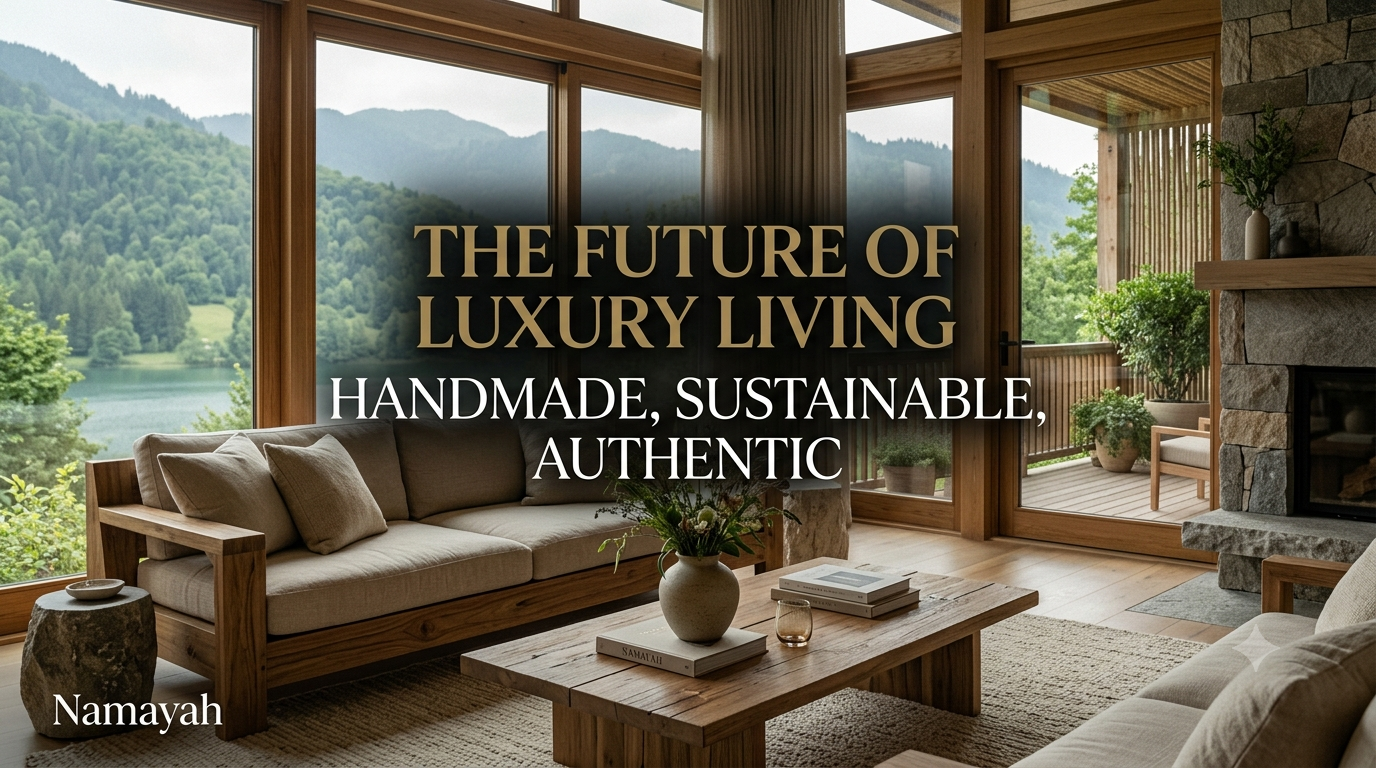
The Future of Luxury Living: Handmade, Sustainable, Authentic
Why Luxury Is Being Redefined
Luxury is no longer defined solely by rarity or price. Today’s discerning consumers seek experiences, craftsmanship, and products that reflect their personal values. The Future of Luxury Living: Handmade, Sustainable, Authentic represents a significant shift away from mass-produced goods toward carefully crafted items that offer quality, longevity, and meaning.
This evolution is driven by greater awareness of environmental issues, appreciation for artisan skills, and the desire to own products with genuine stories. Rather than purchasing disposable trends, modern luxury buyers increasingly invest in timeless creations that improve with age and become part of their personal legacy.
The Rise of Handmade Craftsmanship
Handmade products possess a character that machines cannot replicate. Every handcrafted piece carries subtle variations that make it truly unique.
The Value of Human Skill
Artisans dedicate years—even decades—to mastering traditional techniques. Whether creating furniture, textiles, ceramics, or decorative objects, their expertise results in exceptional quality and attention to detail.
Choosing handmade products supports local communities, preserves cultural heritage, and encourages skills that might otherwise disappear in an age of automation.
Sustainability as the New Status Symbol
Environmental responsibility has become an essential element of contemporary luxury. Consumers increasingly evaluate brands based on ethical sourcing, production methods, and environmental impact.
Ethical Materials and Responsible Production
Luxury brands are embracing:
- Responsibly harvested wood
- Organic and natural fibers
- Recycled metals
- Low-impact manufacturing
- Reduced packaging waste
- Circular design principles
These practices help reduce environmental footprints while maintaining premium quality. Sustainable luxury demonstrates that elegance and environmental stewardship can coexist.
Authenticity Creates Lasting Value
Authenticity has become one of the most desirable qualities in luxury products.
The Story Behind Every Piece
Consumers appreciate knowing:
- Who created the product
- Where materials originated
- How it was produced
- Why traditional techniques were chosen
These stories establish emotional connections that extend far beyond aesthetics. A handcrafted dining table or woven rug becomes more than a functional object—it becomes a conversation piece and a family heirloom.
Modern Consumers Demand Meaning
Today’s buyers, particularly younger generations, prioritize purpose alongside prestige. They value brands that demonstrate transparency, ethical responsibility, and genuine craftsmanship.
Instead of collecting possessions merely for status, consumers increasingly seek items that reflect their values and contribute positively to society and the environment.
Technology Meets Traditional Craft
Technology is enhancing—not replacing—traditional craftsmanship.
Digital design tools allow artisans to refine concepts, while modern manufacturing techniques improve precision without sacrificing handmade quality. Online platforms also connect craftspeople directly with global audiences, making authentic luxury more accessible than ever.
This partnership between innovation and tradition is creating a new era of personalized luxury.
Investing in Timeless Design
Fast-changing trends often result in unnecessary waste. Timeless design offers an alternative by emphasizing durability, versatility, and enduring beauty.
High-quality handmade furniture, lighting, textiles, and décor frequently last for generations, reducing replacement costs and minimizing environmental impact.
Consumers increasingly recognize that buying fewer, better-made products represents a smarter long-term investment.
Luxury Interiors of the Future
Future luxury homes will emphasize:
- Natural materials
- Bespoke handcrafted furniture
- Energy-efficient design
- Locally sourced décor
- Artisan-made accessories
- Wellness-focused living spaces
- Minimalist yet warm aesthetics
These elements create interiors that feel sophisticated without excess, demonstrating that true luxury lies in thoughtful design rather than abundance.
Benefits of Handmade Sustainable Living
| Benefit | Why It Matters |
| Superior craftsmanship | Longer-lasting products |
| Environmental responsibility | Reduced ecological footprint |
| Unique character | No two pieces are identical |
| Ethical production | Supports skilled artisans |
| Emotional value | Products with meaningful stories |
| Long-term investment | Timeless appeal and durability |
For readers interested in sustainable design principles, the World Green Building Council provides valuable resources on environmentally responsible buildings and interiors.
Frequently Asked Questions
1. Why is handmade considered luxury?
Handmade products require exceptional skill, time, and craftsmanship, resulting in unique pieces with superior quality.
2. Is sustainable luxury more expensive?
While initial costs may be higher, sustainable luxury products often last significantly longer, providing better long-term value.
3. What makes a product authentic?
Authenticity comes from transparent sourcing, genuine craftsmanship, quality materials, and a meaningful story behind its creation.
4. Why are consumers choosing sustainable brands?
Consumers increasingly value ethical production, environmental responsibility, and products that align with their personal values.
5. Can technology coexist with craftsmanship?
Yes. Technology supports artisans through improved design, precision, and global accessibility while preserving traditional skills.
6. What is the future of luxury living?
The future of luxury emphasizes quality over quantity, combining handmade craftsmanship, sustainable practices, timeless design, and authentic storytelling.
Conclusion
The Future of Luxury Living: Handmade, Sustainable, Authentic reflects a profound transformation in how people define prestige and value. Luxury is no longer measured simply by exclusivity or price. Instead, it is shaped by exceptional craftsmanship, environmental responsibility, and meaningful authenticity.
As consumers continue seeking products that enrich both their lives and the world around them, handmade artistry and sustainable design will remain at the heart of modern luxury. The homes and lifestyles of the future will celebrate timeless quality, ethical choices, and genuine human creativity—proving that true luxury is as much about purpose as it is about beauty.