
How Wooden Décor Enhances Minimalist Interior Design
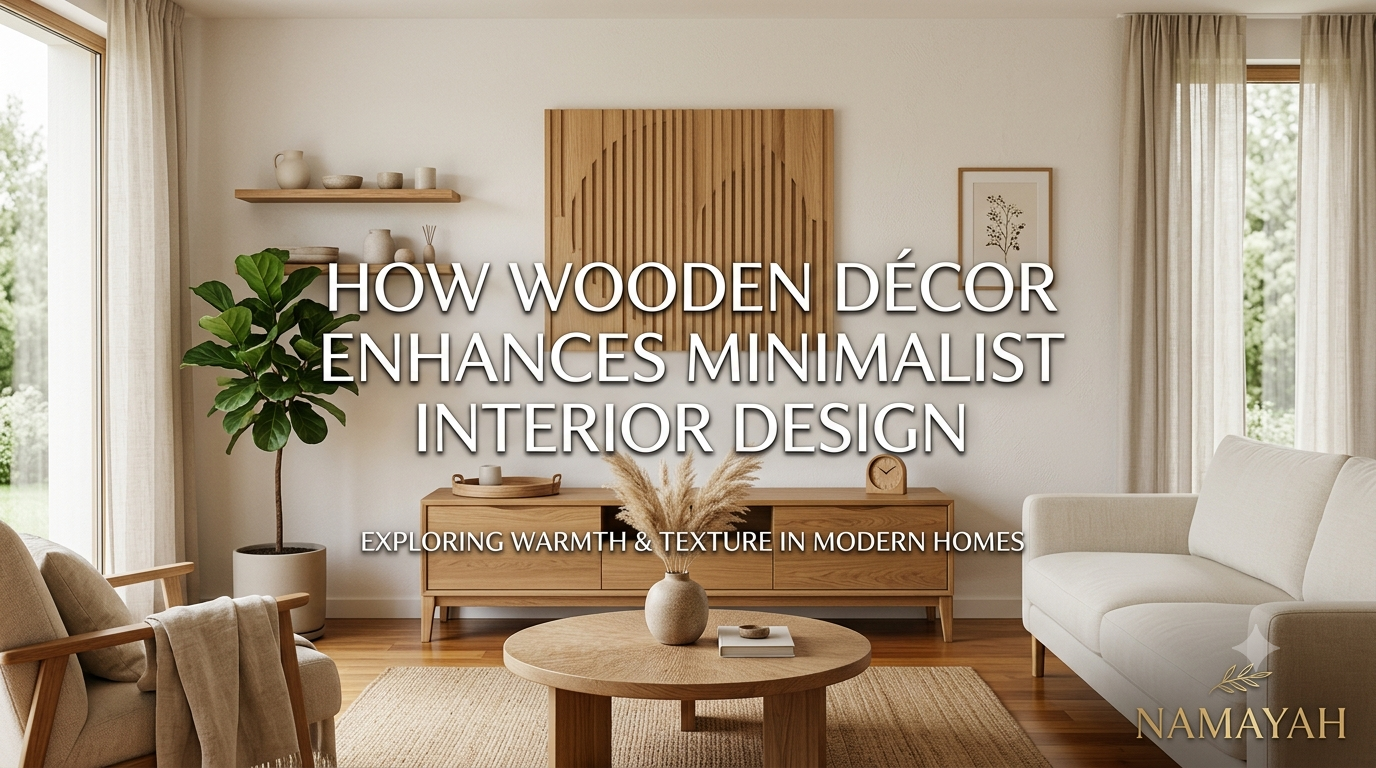
Minimalism has become one of the most popular interior design styles in recent years. It focuses on simplicity, functionality, and creating spaces that feel open and uncluttered. However, one common misconception is that minimalist homes must feel cold or empty. This is where wooden décor makes a remarkable difference.
Understanding How Wooden Décor Enhances Minimalist Interior Design reveals why designers consistently choose natural wood to soften clean lines, add warmth, and create timeless elegance. From handcrafted furniture to subtle decorative accents, wood introduces texture, depth, and personality without overwhelming the simplicity that defines minimalist living.
Whether you’re redesigning a living room, bedroom, kitchen, or home office, wooden elements can transform a plain minimalist space into one that feels inviting, balanced, and effortlessly sophisticated.
Understanding Minimalist Interior Design
Minimalism is based on the philosophy that less is more. Every piece in a room should have purpose, quality, and beauty.
Key characteristics include:
- Clean architectural lines
- Neutral color palettes
- Functional furniture
- Open floor plans
- Limited decorative accessories
- High-quality materials
- Natural lighting
Instead of filling a room with many objects, minimalism emphasizes selecting fewer but better pieces that contribute to both beauty and functionality.
Why Wood Is a Perfect Match for Minimalism
Wood naturally complements minimalist principles because it provides beauty without unnecessary decoration.
Its organic grain patterns create visual interest while maintaining simplicity. Unlike flashy materials, wood feels authentic, calming, and timeless.
Benefits include:
- Natural texture
- Warm appearance
- Durability
- Sustainability
- Versatility
- Timeless appeal
Wood bridges the gap between modern design and natural comfort.
Natural Beauty Without Excess
One reason wooden décor works so well is its ability to stand on its own.
A solid oak dining table needs very little decoration because the grain itself becomes part of the design.
Rather than relying on ornate carvings or bright colors, minimalist interiors allow the wood’s natural character to shine.
Simplicity That Never Goes Out of Style
Design trends change frequently, but natural wood remains relevant across decades.
Whether paired with Scandinavian, Japanese, Modern, Nordic, or Contemporary interiors, wooden furniture continues to look elegant.
Investing in quality wooden pieces often means they can stay in your home for many years without appearing outdated.
The Psychological Benefits of Wooden Décor
Interior design affects how people feel within a space.
Research in biophilic design suggests that incorporating natural materials into indoor environments can promote comfort and a greater sense of connection to nature.
Wood contributes by:
- Making rooms feel warmer
- Increasing comfort
- Creating relaxing environments
- Supporting calm atmospheres
- Softening hard architectural lines
These qualities help minimalist spaces feel welcoming rather than sterile.
Creating Warmth in Clean Spaces
Minimalist homes often feature white walls, polished concrete, or glass.
Without natural materials, these surfaces may appear overly clinical.
Wood introduces visual warmth that balances cool finishes.
Examples include:
- Wooden coffee tables
- Floating shelves
- Wooden ceiling beams
- Dining tables
- Accent chairs
Even one wooden feature can transform the room.
Reducing Visual Stress
Clutter competes for attention.
Wood’s subtle textures and natural tones provide interest without overwhelming the eye, helping create environments that feel peaceful and organized.
This aligns perfectly with minimalist design goals.
Choosing the Right Wood Types
Different woods create different moods.
Oak
Oak offers durability, visible grain, and versatility.
Ideal for:
- Flooring
- Dining tables
- Cabinets
- Shelving
Walnut
Walnut provides rich, darker tones.
Best for:
- Accent furniture
- Office desks
- Coffee tables
- Feature walls
Maple
Maple features a lighter appearance.
Excellent for:
- Scandinavian interiors
- Kitchens
- Bedroom furniture
Ash
Ash combines strength with subtle grain patterns.
Popular applications include:
- Chairs
- Benches
- Open shelving
Wooden Furniture for Minimalist Homes
Furniture should combine functionality with visual simplicity.
Recommended pieces include:
- Platform beds
- Solid wood dining tables
- Floating TV units
- Storage benches
- Open shelving
- Sideboards
- Compact desks
Avoid excessive ornamentation and prioritize clean lines.
Decorative Wooden Accessories
Accessories should enhance rather than clutter.
Examples include:
- Wooden bowls
- Picture frames
- Sculptures
- Candle holders
- Serving trays
- Wall clocks
- Plant stands
Select a few meaningful pieces instead of many decorative items.
Wooden Flooring and Wall Panels
Wooden flooring forms a strong foundation for minimalist interiors.
Advantages include:
- Easy coordination with furniture
- Timeless appearance
- Comfortable underfoot
- Long lifespan
- Increased property appeal
Vertical wood slats and feature walls can also add texture while maintaining a clean, modern aesthetic.
Mixing Wood with Other Minimalist Materials
Wood pairs beautifully with other understated materials.
Popular combinations include:
| Material | Effect |
|---|---|
| White walls | Bright and airy |
| Concrete | Modern industrial warmth |
| Glass | Openness and light |
| Stone | Organic elegance |
| Linen | Soft natural comfort |
| Metal | Contemporary contrast |
The key is maintaining balance rather than allowing one material to dominate.
Color Palettes That Complement Wooden Décor
Neutral colors highlight wood’s natural beauty.
Recommended palette:
- White
- Cream
- Beige
- Sand
- Taupe
- Soft gray
- Charcoal
- Olive green
- Sage
- Muted black
These tones allow wooden textures to remain the visual focal point.
Sustainable Benefits of Wooden Décor
Responsibly sourced wood can be an environmentally conscious choice.
Benefits include:
- Renewable resource when harvested sustainably
- Long service life
- Repairable and refinishable
- Biodegradable at the end of its life cycle
- Lower embodied energy than many synthetic materials, depending on the product and sourcing
Choosing certified wood products, such as those bearing sustainable forestry certifications, can help support responsible forest management.
For more information on sustainable forestry, visit the Forest Stewardship Council: https://fsc.org
Common Mistakes to Avoid
Even minimalist spaces can lose their balance if wood is used without intention.
Avoid these common pitfalls:
Mixing Too Many Wood Tones
Using several unrelated finishes can create visual inconsistency. Limiting your palette to one or two complementary wood tones helps maintain cohesion.
Overdecorating
Minimalism values restraint. Choose quality over quantity when selecting wooden accessories.
Ignoring Scale
A large room benefits from substantial furniture, while smaller spaces are better suited to streamlined pieces that preserve openness.
Neglecting Maintenance
Wood should be cared for according to the manufacturer’s recommendations. Regular dusting and prompt attention to spills help preserve its appearance.
Practical Styling Tips
To make the most of wooden décor in a minimalist home:
- Choose furniture with simple silhouettes.
- Let natural wood grain remain visible instead of covering it with heavy finishes.
- Pair wood with neutral fabrics such as cotton, wool, or linen.
- Maximize natural light to emphasize the warmth of wood.
- Incorporate indoor plants to reinforce a connection with nature.
- Keep surfaces clear and display only a few carefully chosen decorative items.
- Repeat the same wood tone throughout the home for visual continuity.
Small, intentional updates often have a greater impact than filling a room with many decorative elements.
Frequently Asked Questions
1. Why is wood popular in minimalist interior design?
Wood adds warmth, texture, and natural character while preserving the clean, uncluttered look that defines minimalist spaces.
2. Which wood color is best for minimalist interiors?
Light woods such as oak, maple, and ash create bright, airy spaces, while walnut offers a richer contrast for those seeking a more dramatic aesthetic.
3. Can dark wood work in minimalist homes?
Yes. Dark wood works well when balanced with light walls, simple furnishings, and plenty of natural light.
4. Is wooden décor environmentally friendly?
It can be when sourced responsibly. Look for products made from sustainably managed forests and durable materials designed to last.
5. How much wooden décor should I use?
Focus on a few high-quality pieces rather than many accessories. The goal is to complement the space, not overwhelm it.
6. Does wooden décor suit small apartments?
Absolutely. Compact wooden furniture, floating shelves, and multifunctional pieces can make smaller homes feel warm and organized without adding visual clutter.
Conclusion
Understanding How Wooden Décor Enhances Minimalist Interior Design demonstrates that simplicity does not have to feel stark or impersonal. Thoughtfully chosen wooden furniture, flooring, and decorative accents introduce warmth, texture, and timeless appeal while preserving the clean lines and uncluttered atmosphere that minimalist design celebrates.
By selecting quality materials, maintaining a cohesive color palette, and using wood with intention, you can create interiors that are both functional and inviting. The result is a home that reflects the core principles of minimalism—clarity, purpose, and calm—while embracing the enduring beauty of natural materials.