
Artisan Wooden Serveware Care: Keep Your Pieces Beautiful
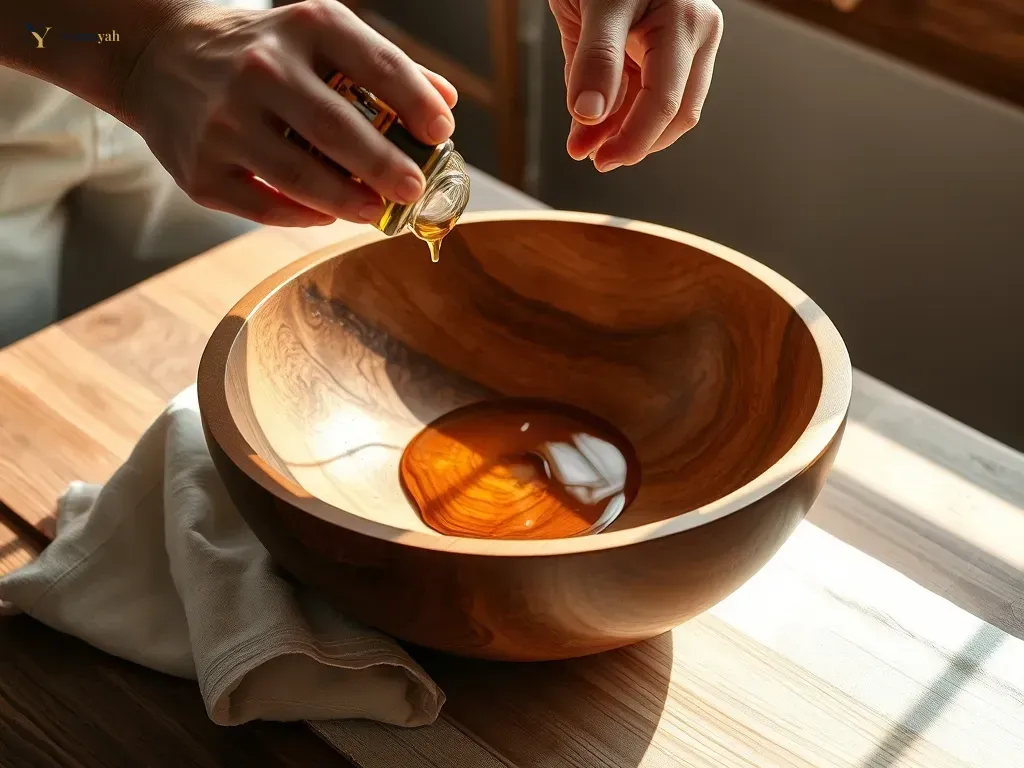
Maintaining your artisan wooden serveware care routine is essential to preserve the longevity and natural beauty of your handcrafted kitchen pieces. Wooden items bring warmth and character into any home, making them a staple in luxury dining settings. However, because wood is a porous, living material, it requires specific attention to remain in pristine condition. By following a consistent maintenance schedule, you can ensure that your serveware remains functional and visually stunning for generations to come. Proper care goes beyond just washing; it involves understanding the needs of the wood and providing the right protection.
Understanding Your Wooden Serveware
Why Wood Requires Special Attention
Wood is a natural material that reacts to its environment. Factors like humidity, temperature fluctuations, and direct sunlight can cause wood to expand, contract, or even crack over time. When you invest in high-quality, handcrafted pieces, you are essentially bringing a piece of nature into your home. Understanding this connection is the first step toward master-level artisan wooden serveware care. Unlike mass-produced plastic or metal items, artisan wood has unique grain patterns that need to be fed and sealed to prevent drying out.
If you want to learn more about the philosophy behind our work, you can visit our about us page. We believe that every piece of wood tells a story of the artisan who shaped it. Treating these items with respect honors the craft and ensures that the material remains stable. Always remember that wood is susceptible to moisture absorption, which can lead to warping if the item is soaked for too long. Therefore, keeping your pieces dry and well-oiled is the most critical aspect of daily maintenance.
Daily Cleaning Rituals
Gentle Washing Techniques
Daily cleaning should be simple and effective. Never place your wooden serveware in a dishwasher, as the high heat and harsh detergents will strip the natural oils and cause the wood to splinter. Instead, hand wash your pieces using mild dish soap and warm water. Use a soft sponge or cloth to wipe away food particles gently. Immediately after washing, dry the piece thoroughly with a clean, lint-free towel.
According to the USDA Food Safety guidelines, keeping kitchen tools clean prevents bacteria buildup. After drying, allow the item to air dry completely on a rack before storing it in a cupboard. Avoid letting water stand on the surface for extended periods, as this is the primary cause of damage. If your wooden serveware feels slightly dry after washing, it is a sign that it is ready for a light conditioning treatment.
The Importance of Oiling
Choosing the Right Conditioner
Oiling is perhaps the most vital step in artisan wooden serveware care. Over time, wood loses its natural moisture and begins to look dull or faded. Regularly applying a food-safe mineral oil or a beeswax-based wood butter will restore the luster and create a protective barrier against liquids. You should aim to oil your wooden serveware every month, or whenever you notice the wood looking thirsty or pale.
Applying the oil is a straightforward process. First, ensure the wooden surface is clean and completely dry. Pour a small amount of food-grade oil onto a soft cloth and rub it into the grain in a circular motion. Let the piece sit for at least twenty minutes so the wood can absorb the oil fully. Finally, wipe off any excess oil with a fresh cloth to prevent a sticky residue. Consistent oiling is common practice in professional kitchen maintenance for fine wood products.
Proper Storage Solutions
Creating the Ideal Environment
Where you store your serveware can significantly impact its lifespan. Avoid storing wooden items near heat sources like ovens, stoves, or radiators, as these can cause the wood to dry out rapidly and crack. Instead, choose a cool, dry place with good air circulation. If you display your wooden serveware on open shelving, ensure it is away from direct sunlight, which can fade the natural color of the wood over time.
Furthermore, avoid stacking heavy items on top of delicate wooden pieces. This pressure can warp the wood or cause scratches on the finish. If you have limited space, consider using vertical dividers or dedicated hooks to hang your serveware. By keeping your items organized and protected, you prevent unnecessary damage and ensure they stay ready for your next dinner party or family meal.
Troubleshooting Common Issues
Managing Scratches and Stains
Even with the best artisan wooden serveware care, minor scratches or stains may occur over time. For light surface scratches, you can gently sand the area with fine-grit sandpaper, following the direction of the grain. After sanding, always re-oil the area to seal the wood and restore the finish. This simple technique keeps your pieces looking fresh without requiring professional intervention.
For stubborn stains or odors, a mixture of lemon juice and coarse salt works wonders. Rub the mixture into the affected area with a soft sponge, let it sit for a few minutes, and then rinse and dry thoroughly. As with any treatment, follow up with an oil application to rehydrate the fibers. Maintaining your collection requires patience, but the result is a set of tools that age beautifully and continue to serve your home with elegance.
Conclusion
Investing in artisan wooden serveware is a commitment to both quality and sustainability. By prioritizing proper artisan wooden serveware care, you preserve the artistry of the craftsmen who created your pieces while ensuring they remain functional for years. Remember to wash by hand, dry immediately, and oil regularly to maintain the natural integrity of the wood. These small, mindful habits ensure that your wooden serveware remains a cherished part of your home decor and dining experience. If you have questions about specific wood types or need further advice, feel free to reach out to us for personalized care tips.