
Wooden Decorative Accessories for Boutique Hotels
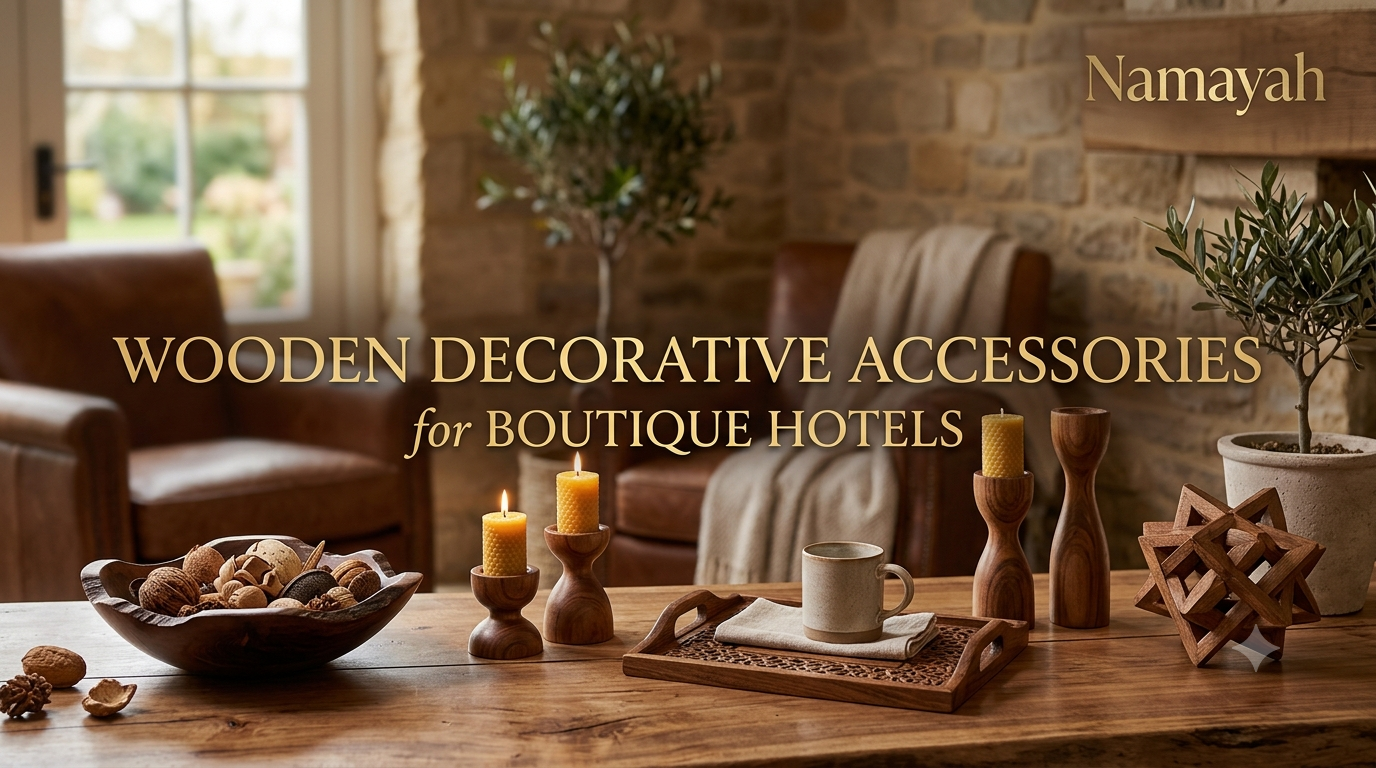
Introduction
Boutique hotels thrive on creating memorable guest experiences through personalized service and distinctive interior design. Every decorative element contributes to the atmosphere guests remember long after checkout. Among the many design materials available today, wood continues to stand out for its natural beauty, warmth, and versatility.
Wooden Decorative Accessories for Boutique Hotels have become increasingly popular because they combine elegance with sustainability. Whether handcrafted by local artisans or produced by premium manufacturers, wooden décor pieces add authenticity and character to hotel interiors. They effortlessly transform ordinary spaces into welcoming environments that encourage guests to relax, explore, and share their experiences.
From reception desks to guest suites, restaurants, lounges, and outdoor seating areas, wooden accessories provide endless opportunities to elevate the overall aesthetic. Their timeless appeal also ensures they remain stylish despite changing design trends.
This guide explores how boutique hotels can use wooden decorative accessories to create inviting interiors, improve guest satisfaction, and reinforce a memorable brand identity.
Why Wooden Décor Is Perfect for Boutique Hotels
Boutique hotels distinguish themselves through individuality rather than standardized design. Guests often choose boutique accommodations because they seek unique experiences instead of conventional hotel stays.
Wood complements this philosophy perfectly.
Unlike synthetic decorative materials, every wooden accessory possesses unique grain patterns, natural textures, and color variations. These characteristics make each piece feel exclusive, adding authenticity throughout the property.
Wood also pairs beautifully with numerous interior materials, including:
- Stone
- Marble
- Linen
- Leather
- Brass
- Glass
- Concrete
- Ceramic
- Woven textiles
This flexibility allows designers to maintain a consistent visual identity across multiple hotel spaces while introducing subtle variations that keep each area interesting.
Another reason boutique hotels prefer wooden décor is its emotional impact. Studies in hospitality design consistently show that natural materials contribute to a greater sense of comfort, relaxation, and well-being. Guests often perceive wood-finished interiors as warmer and more welcoming than spaces dominated by metal or plastic.
Benefits of Wooden Decorative Accessories for Boutique Hotels
Timeless Aesthetic Appeal
Unlike seasonal decorative trends that quickly become outdated, wooden accessories maintain their charm for decades.
Their classic appearance complements both traditional architecture and contemporary interiors. A carefully selected carved sculpture or handcrafted wooden bowl remains visually appealing even as furniture and textiles evolve.
This longevity makes wood an excellent investment for hotel owners seeking durable decorative solutions.
Sustainability and Eco-Friendly Design
Modern travelers increasingly appreciate environmentally responsible accommodations.
Boutique hotels that incorporate sustainably sourced wooden décor demonstrate their commitment to reducing environmental impact.
Look for accessories made from:
- FSC-certified timber
- Reclaimed wood
- Recycled hardwood
- Responsibly harvested bamboo
- Sustainably managed forests
These materials not only reduce ecological impact but also appeal to eco-conscious guests.
Warm and Inviting Atmosphere
Few decorative materials create emotional warmth like natural wood.
Soft wood tones reduce the clinical appearance sometimes associated with modern hospitality spaces. They create cozy environments where guests feel comfortable spending time reading, dining, or relaxing.
Combined with warm lighting and natural textiles, wooden accessories significantly enhance the ambience of boutique hotels.
Popular Types of Wooden Decorative Accessories
Hand-Carved Wall Art
Large wooden wall panels instantly become conversation pieces.
Many boutique hotels commission handcrafted carvings inspired by local culture, regional history, or surrounding landscapes. These installations create memorable focal points while supporting local artisans.
Popular styles include:
- Floral carvings
- Geometric patterns
- Abstract artwork
- Nature-inspired reliefs
- Cultural motifs
Installing carved wall art behind reception desks or in hotel lounges creates a strong first impression.
Wooden Table Centerpieces
Restaurant tables, coffee tables, and lobby displays benefit greatly from elegant wooden centerpieces.
Examples include:
- Decorative wooden bowls
- Driftwood arrangements
- Carved candle holders
- Minimalist wooden vases
- Artisan-crafted serving trays
These accessories add texture without overwhelming the surrounding décor.
Decorative Bowls and Trays
Decorative bowls are among the most versatile wooden accessories.
Hotels use them for:
- Fresh fruit displays
- Welcome amenities
- Potpourri
- Floating candles
- Seasonal decorations
- Key holders
Handcrafted trays also enhance guest room presentation by organizing amenities such as bottled water, coffee supplies, toiletries, and welcome notes.
Wooden Sculptures
Freestanding sculptures create artistic interest throughout boutique hotels.
Popular choices include:
- Abstract forms
- Animal sculptures
- Tree-inspired carvings
- Contemporary geometric designs
- Local cultural artwork
Placed strategically in lobbies or gardens, these sculptures strengthen the property’s visual identity.
Wooden Mirrors
Wood-framed mirrors serve both functional and decorative purposes.
Large mirrors framed with reclaimed oak, teak, or walnut reflect natural light while adding elegance to guestrooms, hallways, and bathrooms.
Intricately carved mirror frames can become signature design features that guests photograph and share on social media.
Choosing the Right Wood Species
Selecting the appropriate wood significantly influences durability, maintenance requirements, and overall appearance.
Oak
Oak offers:
- Exceptional durability
- Rich grain patterns
- Classic appearance
- High resistance to wear
It works particularly well in luxury boutique hotels with traditional or transitional interiors.
Teak
Teak is renowned for:
- Natural oils that resist moisture
- Excellent longevity
- Warm golden tones
- Superior outdoor performance
Because of its resilience, teak is an ideal choice for poolside lounges, spa areas, terraces, and outdoor seating.
Walnut
Walnut provides sophisticated elegance through its deep brown tones and refined grain.
Its premium appearance complements luxury suites, executive lounges, libraries, and upscale dining areas where a rich, polished aesthetic is desired.
Mango Wood
Mango wood has become increasingly popular because it is both sustainable and visually distinctive.
Its attractive grain, varied color tones, and renewable sourcing make it an excellent option for hotels pursuing environmentally conscious design without sacrificing style.
Matching Wooden Décor with Interior Styles
The versatility of wood allows it to enhance a wide range of design concepts.
Rustic Boutique Style
Rustic interiors benefit from reclaimed timber, distressed finishes, handcrafted carvings, and natural imperfections that celebrate authenticity.
Scandinavian Design
Light-colored woods with clean lines complement Scandinavian-inspired boutique hotels, creating bright, minimalist spaces that feel calm and welcoming.
Modern Luxury
Dark walnut, polished oak, and geometric wooden accessories pair beautifully with marble, brass, and soft neutral furnishings to create refined contemporary interiors.
Coastal Boutique
Weathered driftwood, whitewashed finishes, and light timber accents reinforce relaxed seaside aesthetics while maintaining a sophisticated atmosphere.
Placement Ideas for Maximum Visual Impact
Strategic placement ensures wooden accessories enhance rather than overwhelm hotel interiors.
Reception areas benefit from statement pieces such as carved wall panels or sculptural installations that establish a memorable first impression.
Guest rooms feel more inviting with thoughtfully arranged wooden trays, bedside décor, mirrors, and handcrafted accents that add warmth without clutter.
Dining spaces can incorporate wooden serving boards, centerpieces, and decorative shelving to reinforce a natural, welcoming ambience, while spa and wellness areas often feature teak accessories, bamboo accents, and minimalist sculptures that promote relaxation.
Thoughtful placement throughout public and private spaces helps create a cohesive design language that guests recognize and remember.
Maintaining Wooden Decorative Accessories for Long-Term Beauty
Investing in high-quality wooden décor is only the first step. Proper maintenance ensures these accessories retain their beauty and functionality for years, even in busy hospitality environments.
Regular Cleaning
Dust wooden accessories with a soft microfiber cloth to prevent dirt buildup. Avoid abrasive materials that may scratch the surface. For deeper cleaning, use a slightly damp cloth followed by immediate drying to prevent moisture damage.
Protecting Against Moisture
Although many hardwoods are naturally durable, prolonged exposure to water can cause swelling, warping, or discoloration. Place coasters under vases and planters, and ensure decorative bowls or trays used for fresh flowers are protected with waterproof liners.
Avoiding Direct Sunlight
Continuous exposure to strong sunlight can fade wood finishes over time. Position valuable decorative pieces away from direct UV rays or use window treatments that filter excessive sunlight while maintaining natural brightness.
Periodic Refinishing
Depending on the finish and level of use, wooden accessories may benefit from occasional polishing or refinishing. Natural wood oils or waxes can restore luster and help protect the surface from everyday wear.
How to Source High-Quality Wooden Decorative Accessories
Choosing the right supplier is just as important as selecting the right décor.
When evaluating manufacturers or artisans, consider the following factors:
- Quality of craftsmanship
- Sustainable sourcing practices
- Consistency across product collections
- Ability to customize designs
- Reliable shipping and packaging
- Experience serving hospitality clients
Many boutique hotels also collaborate with local craftspeople to create exclusive pieces that reflect regional culture. This approach not only supports local communities but also gives guests an authentic sense of place.
Current Design Trends in Boutique Hotel Wooden Décor
Interior design continues to evolve, yet wood remains a defining element in many hospitality projects. Some of today’s most popular trends include:
Biophilic Design
Biophilic design emphasizes a stronger connection between indoor spaces and nature. Wooden accessories work beautifully alongside indoor plants, stone finishes, natural fabrics, and large windows that maximize daylight.
Minimalist Craftsmanship
Rather than filling rooms with numerous decorative items, many designers now choose fewer, higher-quality wooden pieces that become focal points through their craftsmanship and simplicity.
Mixed Materials
Wood pairs exceptionally well with materials such as:
- Matte black metal
- Brushed brass
- Natural linen
- Marble
- Glass
- Handcrafted ceramics
These combinations create visual depth while maintaining a refined and contemporary appearance.
Locally Inspired Décor
Boutique hotels increasingly use handcrafted wooden pieces inspired by local architecture, wildlife, traditions, or landscapes. This storytelling approach helps differentiate the property and creates memorable guest experiences.
Buying Guide: Selecting the Best Wooden Decorative Accessories for Boutique Hotels
Before making purchasing decisions, hotel owners and designers should evaluate each accessory based on several practical considerations.
| Factor | Why It Matters |
|---|---|
| Durability | Ensures the décor withstands daily guest use. |
| Sustainability | Supports environmentally responsible hospitality practices. |
| Style Compatibility | Maintains a cohesive interior design theme. |
| Ease of Maintenance | Reduces long-term operational costs. |
| Craftsmanship | Enhances perceived quality and guest satisfaction. |
| Size and Scale | Prevents overcrowding while maximizing visual impact. |
| Customization | Helps reinforce the hotel’s unique brand identity. |
A thoughtful selection process ensures every decorative item contributes meaningfully to the overall guest experience.
Common Mistakes to Avoid
Even beautiful accessories can lose their impact if used incorrectly. Avoid these common pitfalls:
- Overcrowding shelves and tabletops with too many decorative pieces.
- Mixing too many wood tones without a cohesive design strategy.
- Ignoring maintenance requirements in high-traffic areas.
- Choosing decorative items that obstruct guest functionality.
- Purchasing low-quality products that deteriorate quickly.
- Neglecting sustainability when sourcing materials.
By avoiding these mistakes, boutique hotels can create elegant interiors that feel intentional rather than cluttered.
Why Wooden Decorative Accessories Enhance the Guest Experience
Hospitality design extends beyond appearance—it shapes how guests feel throughout their stay.
Wood naturally evokes comfort, authenticity, and craftsmanship. A welcoming lobby with handcrafted wooden sculptures, elegant guest rooms featuring wooden trays and mirrors, and thoughtfully designed dining spaces all contribute to an atmosphere that feels personal rather than standardized.
These subtle design details often influence guest reviews, repeat bookings, and social media engagement. Visitors are more likely to remember interiors that feel distinctive and harmonious, making wooden decorative accessories a worthwhile investment for boutique hotels seeking long-term brand recognition.
Frequently Asked Questions
1. Why are wooden decorative accessories popular in boutique hotels?
They provide warmth, timeless elegance, and natural texture while supporting unique interior designs that help boutique hotels stand out from larger hotel chains.
2. Which type of wood is best for hotel décor?
The ideal choice depends on the application. Oak offers durability, teak performs well in humid or outdoor environments, walnut provides a luxurious appearance, and mango wood is an excellent sustainable option.
3. Are wooden accessories environmentally friendly?
Yes, especially when made from responsibly sourced, reclaimed, or certified wood. Choosing sustainable materials helps reduce environmental impact while appealing to eco-conscious travelers.
4. How often should wooden décor be maintained?
Routine dusting should be done regularly, with polishing or conditioning performed periodically according to the manufacturer’s recommendations and the level of use.
5. Can wooden décor suit modern boutique hotels?
Absolutely. Wood complements contemporary, Scandinavian, industrial, minimalist, coastal, and luxury interiors when paired with suitable materials and finishes.
6. What decorative wooden accessories create the greatest visual impact?
Hand-carved wall art, sculptural pieces, statement mirrors, artisan bowls, elegant trays, and custom centerpieces are among the most effective choices for creating memorable spaces.
Conclusion
Wooden Decorative Accessories for Boutique Hotels offer far more than visual appeal. They help establish a welcoming atmosphere, reinforce a property’s brand identity, and create memorable guest experiences through timeless craftsmanship and natural beauty.
From handcrafted wall art and elegant mirrors to sculptural accents and functional trays, wooden décor enhances nearly every area of a boutique hotel. When thoughtfully selected, strategically placed, and properly maintained, these accessories become lasting investments that support both aesthetic excellence and operational value.
As travelers increasingly seek authentic, sustainable, and design-focused accommodations, incorporating high-quality wooden decorative accessories is a practical way to elevate interior spaces while reflecting a commitment to craftsmanship and environmental responsibility.
For additional inspiration on sustainable hospitality and interior design best practices, explore resources from the World Green Building Council: https://worldgbc.org/