
Wooden Bowls That Blend Beauty and Functionality
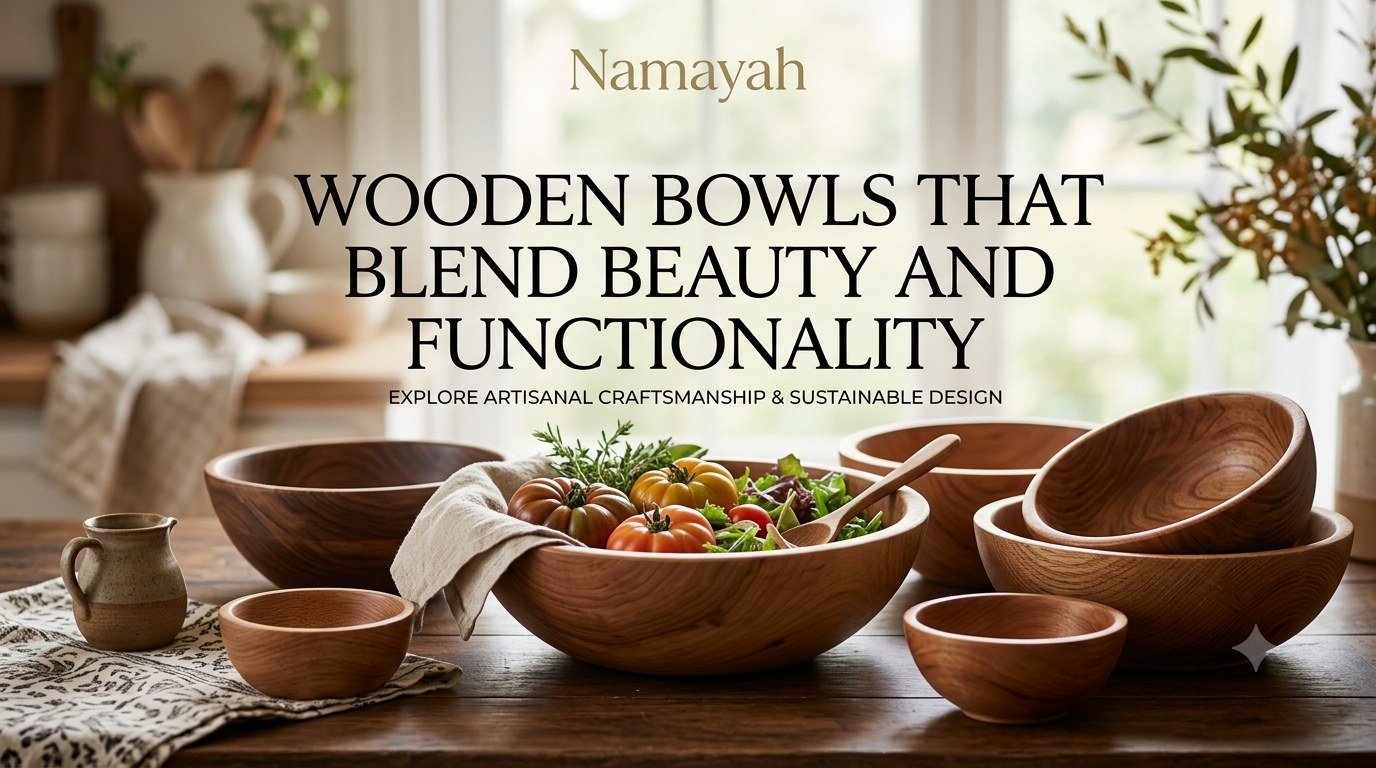
Few household objects combine natural character and practical usefulness as effortlessly as wooden bowls. Their warm tones, visible grain, and tactile surfaces can make even a simple table setting feel inviting. At the same time, the right bowl can serve a practical purpose in kitchens, dining rooms, and living spaces.
Unlike mass-produced pieces designed to look identical, wood naturally varies. Grain patterns, knots, shades, and other characteristics can give individual bowls their own appearance. This variation is a large part of their appeal, particularly for homeowners who prefer organic textures and timeless materials.
Wood bowls are also remarkably versatile. Depending on their construction and finish, they may be used for salads, fruit, snacks, dry ingredients, table displays, or decorative arrangements.
Here is what to consider when choosing wooden bowls that blend beauty and functionality.
Why Wooden Bowls Remain a Timeless Choice
Trends in home décor come and go, but wood has maintained its place in kitchens and interiors for generations. One reason is simple: it works with many design styles.
A smooth, minimal wooden bowl can complement a contemporary kitchen, while a bowl with prominent grain or a more rustic finish can suit farmhouse, traditional, or nature-inspired interiors.
Wood also introduces visual warmth. Kitchens and dining rooms often contain hard materials such as metal, glass, stone, and ceramic. A wooden serving bowl creates contrast and can soften the overall appearance of a table or countertop.
The practical side is just as important. Depending on the bowl, you can move it from food preparation to the dining table and later use it as a decorative object.
That combination makes wooden bowls more than accessories. They can be useful objects that also contribute to the character of a room.
The Natural Beauty of Wooden Bowls
The most distinctive feature of a wooden bowl is often the material itself.
Natural wood grain creates lines, patterns, and tonal variations that do not need elaborate decoration to attract attention. Even bowls made in the same shape from the same species of wood can look noticeably different.
Wood species can also influence appearance. Some woods are light and understated, while others have deeper colors or more pronounced grain.
Shape contributes another dimension. Wooden bowls can be shallow and broad, deep and rounded, angular and contemporary, or irregular and organic.
Handmade wooden bowls may display subtle variations created during turning, carving, sanding, and finishing. For buyers interested in craftsmanship, those characteristics can be part of the appeal rather than flaws.
The result is a household object that can function almost like a small piece of natural sculpture.
More Than Decoration: Everyday Functionality
A beautiful bowl is more valuable when it also earns its place in everyday life.
Depending on its material, construction, finish, and manufacturer’s instructions, a wooden bowl can have numerous uses, including:
- Tossing and serving salads
- Holding whole fruit
- Serving bread, nuts, or dry snacks
- Organizing small household items
- Creating a dining-table centerpiece
- Displaying decorative objects
- Holding keys or everyday accessories in an entryway
For food use, make sure the particular bowl is intended for food contact rather than assuming every decorative wood finish is suitable.
The FDA Food Code recognizes hard maple and equivalently hard, close-grained woods for certain food-contact applications, specifically including salad bowls among the listed utensils.
That distinction matters. A decorative wooden bowl and a food-serving bowl may look similar but can have different finishes and intended uses. Always follow the maker’s instructions.
Popular Types of Wooden Bowls
Choosing the right wooden bowl becomes easier when you start with its intended purpose.
Wooden Salad Bowls
A generously sized wooden salad bowl can become a centerpiece at family meals and dinner gatherings.
Wide bowls provide room for mixing greens and other ingredients without constantly spilling them over the sides. Wooden salad servers can complete the presentation.
When purchasing a salad bowl, prioritize products specifically made and finished for food use.
Wooden Serving Bowls
Wooden serving bowls come in many sizes and depths. Depending on their intended use, they can work for bread, fruit, nuts, salads, and other foods.
A coordinated set can provide different sizes for different occasions, while one large statement bowl may be enough for a minimalist table.
Before serving wet, hot, acidic, or oily foods, check the manufacturer’s instructions. Suitability depends on the wood, construction, adhesive if used, and finish.
Decorative Wooden Bowls
Not every wooden bowl needs to live in the kitchen.
A decorative bowl can become a focal point on a coffee table, console, shelf, or dining table. It may be left empty to showcase its shape and grain or used to hold suitable decorative objects.
Large bowls tend to make stronger standalone statements, while smaller pieces can work well in layered arrangements.
Choosing the Right Wood for a Wooden Bowl
There is no single wood species that is ideal for every bowl. The right choice depends on appearance, intended use, construction, and finish.
Hard maple is particularly notable for food-contact applications because the FDA Food Code specifically identifies hard maple, or equivalently hard, close-grained wood, for certain utensils including salad bowls.
Other species are commonly encountered in wooden housewares, but buyers should not judge suitability for food solely by the species name.
Instead, consider the complete product.
For a bowl intended to touch food, verify that the manufacturer identifies it for that purpose. For decorative use, you have greater freedom to prioritize grain, color, texture, shape, and finish.
This approach is safer and more useful than assuming that any attractive wooden bowl is automatically suitable for serving food.
What to Look for in a Quality Wooden Bowl
A quality bowl should balance appearance with construction appropriate to its intended purpose.
Start by examining the surface. A well-finished bowl generally feels smooth and comfortable in the hand, without obvious rough areas that interfere with normal use.
Next, inspect the construction. Look for significant cracks, splitting, or damage. If the bowl is assembled from multiple pieces, examine the joints and follow the manufacturer’s care instructions.
Consider proportions as well. A decorative centerpiece can prioritize dramatic shape, while an everyday serving bowl should be comfortable to carry and appropriately sized for its job.
When shopping, consider these factors together:
| Feature | What to Consider |
|---|---|
| Wood | Appearance, hardness, grain, intended use |
| Finish | Whether it is appropriate for the bowl’s purpose |
| Size | Capacity and available storage space |
| Shape | Ease of serving, carrying, or displaying |
| Construction | Smoothness, sound joints, absence of major damage |
| Care | Cleaning and maintenance requirements |
| Intended use | Food serving, storage, decoration, or multipurpose use |
A bowl is a better purchase when its intended use matches the way you actually live.
How to Style Wooden Bowls in Your Home
One advantage of natural wooden bowls is that they can work beyond the dining table.
In the kitchen, a large bowl filled with whole fruit can add natural color to a countertop. In a dining room, an empty sculptural bowl can create a simple centerpiece without making the table feel crowded.
On a coffee table, try pairing a wooden bowl with contrasting materials such as books, ceramic objects, or glass. The combination creates layers of texture while allowing the grain to remain visible.
A small wooden bowl can also be useful near an entrance for appropriate everyday items.
For minimalist interiors, avoid overfilling a distinctive bowl. Sometimes the wood grain, silhouette, and craftsmanship provide enough visual interest on their own.
How to Care for Wooden Bowls
Proper care helps preserve the appearance and usability of wooden bowls.
For a typical food-use wooden bowl, follow the manufacturer’s directions first because finishes and construction methods vary.
As a general principle, clean food-contact utensils promptly instead of allowing food residue to remain on them. USDA food-safety guidance recommends hot, soapy water for cleaning cutting boards and utensils and emphasizes proper cleaning of food-preparation surfaces.
Do not automatically put a wooden bowl in the dishwasher simply because some solid-wood products may tolerate it. USDA guidance notes that some solid wood boards can be dishwasher washed while laminated boards may crack or split; a bowl’s manufacturer should determine whether that specific product is dishwasher-safe.
After washing a hand-wash-only bowl, avoid leaving it soaking unnecessarily and allow it to dry thoroughly.
Some unfinished or oil-finished wooden kitchenware may periodically benefit from an appropriate product recommended by its manufacturer. USDA specifically mentions mineral oil as a way to help bamboo cutting boards retain moisture, but that guidance should not be generalized to every finish or every wooden bowl.
A Simple Wooden Bowl Care Routine
- Remove food soon after use.
- Wash according to the manufacturer’s directions.
- Avoid prolonged soaking unless specifically permitted.
- Dry the bowl thoroughly.
- Store it in a dry location.
- Maintain the finish only with products suitable for its intended use.
- Regularly check for cracks, roughness, or other deterioration.
Good maintenance protects both functionality and appearance.
Common Wooden Bowl Mistakes to Avoid
One of the biggest mistakes is treating every wooden bowl the same.
A decorative bowl may have a finish that was never intended for food contact. Conversely, an everyday food-use bowl may require different maintenance from a heavily sealed decorative piece.
Another common problem is ignoring moisture. Prolonged exposure to water can be hard on some wooden products, particularly certain laminated or joined constructions.
Extreme temperature changes may also be inappropriate for many products. Unless the manufacturer explicitly states otherwise, do not assume a wooden bowl is suitable for a microwave, conventional oven, freezer, or dishwasher.
Finally, don’t use a severely damaged food-contact bowl simply because it has sentimental or decorative value. Deep cracks and difficult-to-clean areas can compromise practical food use. USDA advises replacing cutting boards when they become excessively worn or develop hard-to-clean grooves; the same principle provides a useful warning sign when assessing damaged wooden food-contact items.
FAQs About Wooden Bowls
Are wooden bowls good for everyday use?
Yes, wooden bowls can be practical for everyday use when the particular product is designed for the intended task. Food-serving bowls should be specifically intended for food contact and cared for according to their manufacturer’s instructions.
Are wooden bowls safe for food?
Some are. The FDA Food Code permits hard maple or equivalently hard, close-grained wood for certain food-contact applications, including salad bowls. However, not every decorative wooden bowl or finish is intended for food use, so check product information before serving food in one.
What foods can you put in a wooden bowl?
Depending on its finish and manufacturer guidance, a food-safe wooden bowl may be suitable for salads, bread, fruit, nuts, and other foods. Check instructions before using it with particularly hot, wet, oily, or acidic foods.
Can you wash wooden bowls with soap?
Food-contact wooden utensils should be cleaned appropriately after use. USDA guidance recommends hot, soapy water for cleaning cutting boards and kitchen utensils. For a specific wooden bowl, follow the manufacturer’s washing directions.
Can wooden bowls go in the dishwasher?
Do not assume they can. Dishwasher suitability depends on construction and manufacturer instructions. USDA notes that laminated wooden cutting boards may crack and split in dishwashers, illustrating why care instructions matter for wood products.
How do you keep wooden bowls from drying out?
Follow the maker’s maintenance recommendations. Some wood products use oil finishes and may require periodic conditioning with an appropriate product. Avoid applying an unknown oil or finish to a food-contact bowl without confirming that it is suitable.
Are wooden bowls only suitable for rustic décor?
No. Wood can complement rustic, traditional, Scandinavian-inspired, minimalist, contemporary, and many other interiors. Shape, finish, grain, and surrounding materials influence how modern or traditional a wooden bowl appears.
Can decorative wooden bowls be used for food?
Not necessarily. A decorative bowl may use finishes, paints, stains, or construction methods not intended for food contact. Use it for food only when the manufacturer identifies it as suitable for that purpose.
Beauty and Practicality in One Natural Piece
Wooden bowls show that useful household objects do not have to sacrifice visual appeal.
The warmth of natural grain can turn a simple serving piece into part of the room’s design, while a thoughtfully chosen bowl can serve multiple everyday purposes. From a generous salad bowl at the center of the dining table to a sculptural decorative piece on a coffee table, wood offers impressive versatility.
The key is choosing according to purpose. Consider the wood, construction, finish, dimensions, care requirements, and whether the product is intended for food contact.
With the right selection and maintenance, wooden bowls that blend beauty and functionality can bring natural texture and practical value to the home.