
Why Wood Adds a Natural Luxury Feel to Interiors
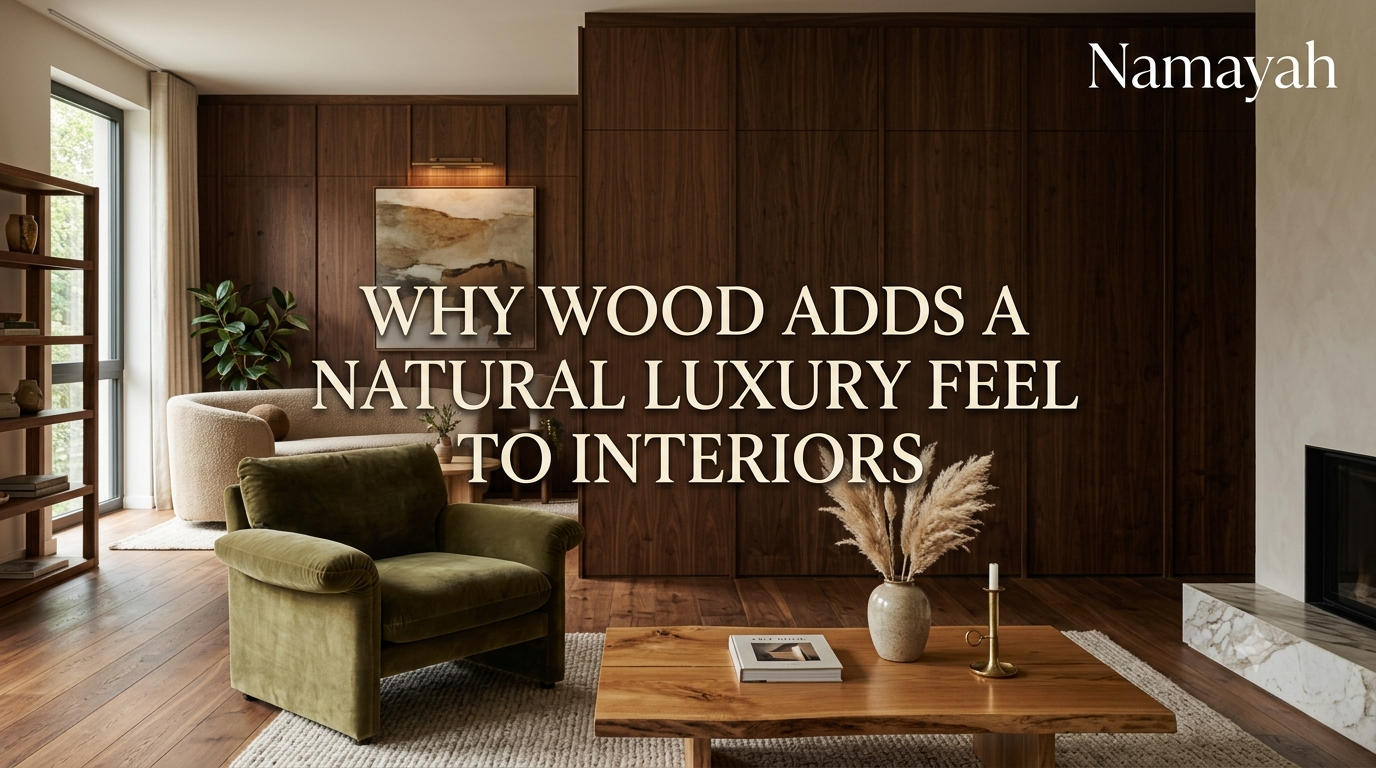
Luxury interiors are not always defined by expensive furniture, oversized rooms, or elaborate decoration. Often, the feeling of luxury comes from something quieter: authentic materials, thoughtful proportions, tactile surfaces, and carefully executed details.
That is where wood can make a powerful difference.
Wood adds natural luxury to interiors because it combines warmth, distinctive grain, tactile texture, craftsmanship, and a visible connection to nature. Unlike a completely uniform synthetic surface, natural wood has variations in tone and grain that give a room character. When used thoughtfully in flooring, wall panels, cabinetry, furniture, ceilings, or architectural details, it can make a space feel sophisticated without becoming overly formal.
Contemporary design continues to value this combination of warmth and authenticity. Recent interior-design coverage has highlighted renewed interest in natural wood, warmer palettes, tactile materials, and statement wood furniture as designers move toward spaces that feel more grounded and inviting.
What Makes Wood Feel Luxurious?
The luxury appeal of wood comes from more than its appearance. It is the combination of materiality, craftsmanship, texture, color, proportion, and restraint.
A well-designed wood interior does not need to cover every surface. A walnut console, oak floor, fluted wall, timber ceiling, or carefully detailed cabinet can become a focal point because the material itself provides visual interest.
Wood also ages differently from many manufactured finishes. Its grain, knots, tonal variations, and natural imperfections can become part of the design rather than flaws that need to be hidden.
The result is a type of luxury that feels warm, personal, and enduring rather than purely decorative.
1. Wood Adds Warmth and Visual Comfort
One of the simplest reasons wood works so well in luxury interiors is its warmth.
Rooms dominated by hard, cool, or highly uniform surfaces can sometimes feel visually distant. Wood introduces warmer tones and natural variation, helping create a more welcoming atmosphere.
This does not mean every luxury interior needs dark timber. Light oak, honey-toned woods, medium brown finishes, and deep walnut can all create warmth in different ways.
Wood is particularly effective when combined with neutral colors. Soft whites, creams, beige, stone, linen, and muted earthy shades allow the grain and texture of the wood to remain visually important.
Contemporary design sources similarly point to wood’s ability to balance minimalist spaces with warmth, depth, and character.
2. Natural Grain Creates Unique Character
A major difference between natural wood and perfectly uniform decorative finishes is the grain.
Every piece of natural timber can contain variations in lines, knots, tone, and pattern. These differences create visual movement without requiring elaborate ornamentation.
That makes wood especially useful in understated luxury interiors.
For example:
- Oak can provide a lighter, relaxed appearance.
- Walnut can create a deeper, more dramatic mood.
- Ash can offer a clean grain and contemporary appearance.
- Teak can bring warmth and a distinctive natural character.
The important point is not simply choosing the most expensive wood. The better approach is selecting a species and finish that support the overall design.
A luxury interior often feels intentional because every material has a role.
3. Texture Makes Interiors Feel More Refined
Luxury is experienced through more than sight.
Texture influences how a room feels when people walk through it, touch furniture, open cabinetry, or notice surfaces under changing light.
Wood naturally provides texture through its grain, finish, edges, joins, and construction details. A matte surface can create a calm, contemporary appearance, while a polished finish can produce a more formal effect.
Wood can also be shaped into:
- Fluted wall panels
- Slatted screens
- Ribbed cabinetry
- Sculptural furniture
- Curved partitions
- Ceiling details
- Built-in shelving
- Decorative beams
Architectural research and design commentary frequently emphasize how texture and materiality influence the perceived warmth, comfort, and atmosphere of interiors.
4. Craftsmanship Turns Wood Into a Design Feature
The material alone does not create luxury. Craftsmanship is what elevates it.
Consider a simple wooden cabinet. Standard construction may make it functional, but carefully aligned grain, concealed hardware, precise joints, custom proportions, and beautifully finished edges can turn the same basic idea into a premium design feature.
This is why custom millwork is often so effective in high-end interiors.
Built-in wardrobes, kitchens, libraries, media walls, doors, and shelving can be designed as part of the architecture rather than added afterward.
The best luxury applications of wood often make craftsmanship visible without making it flashy.
5. Wood Creates a Connection With Nature
Wood also has a strong relationship with biophilic design, an approach that seeks to strengthen connections between people and the natural environment.
Natural wood can introduce organic colors, patterns, and textures into rooms. It can therefore complement other nature-inspired elements such as daylight, plants, stone, natural fibers, and views of greenery.
Research discussed in architectural literature has explored how visible wood and other natural elements may influence people’s perceptions of comfort, stress, and connection with nature. The evidence is promising, but specific wellbeing effects depend on the broader environment and should not be treated as guaranteed outcomes.
This helps explain why wood can make an interior feel not only expensive, but also grounded and comfortable.
6. Wood Works Across Interior Styles
Another reason wood feels luxurious is its versatility.
It does not belong to one design period.
Wood can support:
| Interior Style | Suitable Wood Approach |
| Modern | Minimal cabinetry, clean panels, simple furniture |
| Contemporary | Large-format wall panels, architectural millwork |
| Japandi | Light wood, simple forms, natural textures |
| Scandinavian | Pale timber, soft neutrals, functional furniture |
| Mid-century modern | Walnut, teak, tapered forms, statement furniture |
| Traditional | Detailed cabinetry, paneling, richer finishes |
| Rustic | More visible grain, knots, reclaimed or textured timber |
| Luxury minimalist | Large uninterrupted surfaces and restrained detailing |
This adaptability means wood can soften an ultra-modern room without making it traditional.
7. Where to Use Wood for a Luxury Effect
You do not need to redesign an entire home to introduce natural luxury.
Wood Flooring
Wood flooring creates a visual foundation for a room. Wide boards and carefully selected finishes can make living spaces feel cohesive and refined.
Wall Panels
A wood feature wall can add depth without requiring artwork or excessive decoration. Vertical panels can also emphasize ceiling height.
Built-In Cabinetry
Custom cabinetry is one of the strongest applications because it combines function and aesthetics.
Ceilings
Wood ceilings can make large or open rooms feel more intimate. Designers also use timber and wood-look systems to introduce texture overhead.
Furniture
A single well-designed wooden dining table, console, bed frame, or coffee table can act as a statement piece.
Doors and Screens
Timber doors, room dividers, and slatted screens can create architectural definition while maintaining visual warmth.
8. Choosing the Right Wood Tone
Color has a major influence on the mood of a luxury interior.
Light wood tends to create an airy, relaxed feeling and works well with minimalist and Scandinavian-inspired interiors.
Medium wood tones offer a balanced combination of warmth and sophistication.
Dark wood, including rich walnut tones, can create drama and a more formal sense of luxury.
However, the surrounding materials matter just as much as the wood itself.
Dark timber can become heavy when combined with too many dark surfaces. Light wood can lose impact when surrounded by an excessive number of competing pale finishes.
Think in terms of contrast and balance rather than simply choosing a favorite color.
9. How to Balance Wood With Other Materials
Wood becomes more sophisticated when it is allowed to interact with contrasting materials.
Consider pairing it with:
- Natural stone
- Marble
- Linen
- Wool
- Glass
- Metal
- Ceramic
- Plaster
- Leather
- Neutral paint colors
For example, walnut cabinetry with stone countertops can create a rich kitchen aesthetic, while pale oak combined with linen upholstery can create a softer atmosphere.
The goal is not to make everything match.
Luxury often comes from material contrast.
The smoothness of stone can highlight the grain of wood. Metal can emphasize its warmth. Glass can prevent a timber-heavy space from feeling visually closed.
10. Wood and Sustainable Luxury
Luxury design increasingly includes questions about where materials come from and how responsibly they are sourced.
Wood is a renewable material, but that does not automatically mean every wood product is sustainably sourced. Forest management, supply chains, manufacturing, durability, and end-of-life considerations all matter.
The Forest Stewardship Council recommends responsibly sourced certified wood as one way to support responsible forest management and supply-chain transparency.
For projects where sustainability is an important consideration, ask suppliers about:
- Wood species
- Country or region of origin
- Certification
- Manufacturing process
- Finish and emissions information
- Expected lifespan
- Maintenance requirements
This approach turns sustainability from a marketing phrase into a practical part of material selection.
11. Common Mistakes to Avoid
Wood can create luxury, but excessive or poorly coordinated use can produce the opposite effect.
Using Too Many Wood Tones
Multiple unrelated wood colors can make a room feel fragmented. Choose a dominant tone and introduce supporting finishes carefully.
Covering Every Surface
More wood does not automatically mean more luxury. Strategic placement is often more effective than saturation.
Ignoring Grain Direction
Grain direction affects how walls, cabinetry, and furniture are perceived. Consistent alignment can make custom work feel more refined.
Choosing Finish Without Considering Lighting
Natural and artificial light can change how wood appears. Always consider the room’s lighting before selecting the final finish.
Prioritizing Appearance Over Performance
A beautiful material still needs to suit its environment. High-use areas may require finishes and construction methods designed for durability, moisture, cleaning, and maintenance. Contemporary architectural guidance also highlights the practical considerations involved in specifying wood for demanding interiors.
How to Create a Natural Luxury Interior With Wood
If you want to introduce wood into your interior without making the space look dated, focus on quality, proportion, contrast, and consistency.
Start with one or two significant wood elements rather than adding timber everywhere. For example, combine a wood floor with custom cabinetry, or use a wood feature wall with a restrained furniture palette.
Then build contrast around it.
Use stone for solidity, fabric for softness, metal for definition, and glass for lightness. Keep decorative accessories relatively restrained so the natural material remains a central part of the visual story.
Most importantly, choose wood that fits the architecture and lifestyle of the space.
A luxury interior does not need to look expensive at first glance. It needs to feel considered.
That is precisely where wood excels. Its natural variation, warmth, texture, and relationship with craftsmanship allow it to create an atmosphere that feels sophisticated without becoming excessive.
FAQs About Wood and Luxury Interiors
Is wood considered a luxury interior material?
Yes. Wood can create a luxury feel because of its natural grain, warmth, tactile quality, versatility, and association with craftsmanship. The result depends on the species, finish, detailing, scale, and overall design.
Why does wood make a room look more expensive?
Wood can add visual depth and material richness without relying on decorative objects. High-quality grain, precise joinery, custom millwork, and a carefully selected finish can make an interior appear more considered and refined.
Which wood is best for a luxury interior?
There is no single best wood for every interior. Oak can suit light contemporary spaces, while walnut can create a deeper and more dramatic appearance. The best choice depends on the architecture, lighting, color palette, durability requirements, and desired mood.
Can wood be used in a modern luxury interior?
Absolutely. Minimal cabinetry, architectural wall panels, clean-lined furniture, slatted screens, and carefully detailed timber surfaces can work particularly well in modern interiors.
Does too much wood make an interior look old-fashioned?
It can, especially when multiple finishes, outdated profiles, or heavy decorative details compete with one another. Modern proportions, restrained detailing, consistent tones, and contrast with stone, glass, textiles, or metal can keep wood looking contemporary.
How can I use wood without making a room feel dark?
Choose lighter wood tones, use wood selectively, and combine timber with light-colored walls, natural textiles, glass, or reflective surfaces. Lighting is also important because the same wood can look substantially different under different illumination.
Is wood sustainable for interior design?
Wood can be a responsible material choice when it comes from well-managed sources and is selected with its full life cycle in mind. Look for credible certification and supply-chain information rather than assuming that every wood product is automatically sustainable.
How do you make wood interiors look luxurious rather than rustic?
Focus on clean proportions, quality craftsmanship, consistent finishes, and restrained decoration. Pair wood with sophisticated materials such as stone, linen, glass, or metal, and let the natural grain provide visual interest.
Conclusion
Wood adds a natural luxury feel to interiors because it combines qualities that are difficult to reproduce with completely uniform materials: warmth, texture, individuality, craftsmanship, and a visible connection to nature.
From flooring and cabinetry to furniture, wall panels, ceilings, and architectural screens, wood can be used in both subtle and dramatic ways. Its versatility allows it to work across modern, contemporary, Scandinavian, Japandi, traditional, and other interior styles.
The key is thoughtful application.
Choose the right wood, use it in meaningful places, balance it with contrasting materials, and prioritize craftsmanship over excess. When these elements come together, wood can make an interior feel luxurious not because it demands attention, but because it creates an environment that feels authentic, warm, tactile, and carefully designed.