
Why Mango Wood Is Perfect for Premium Home Décor
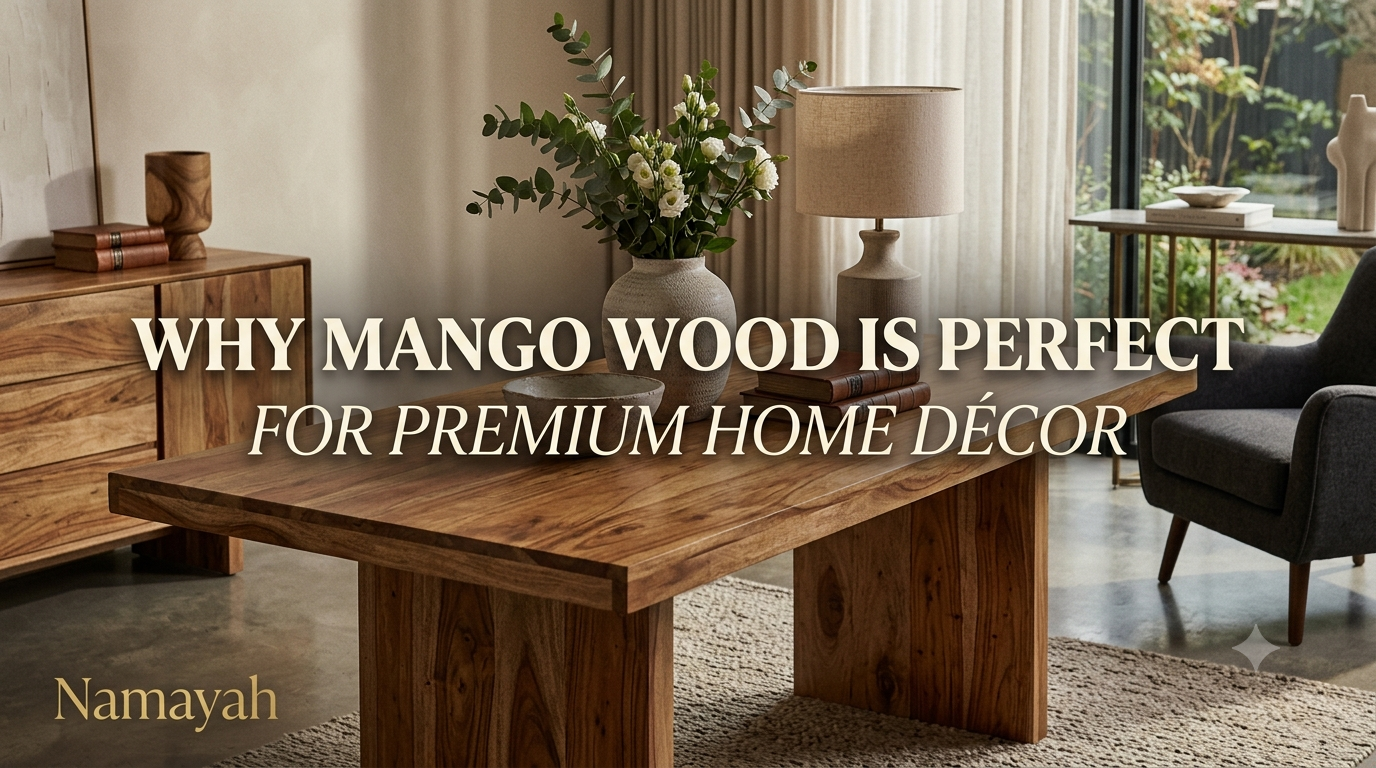
Premium home décor is not simply about choosing expensive materials. The best interiors combine visual character, craftsmanship, functionality, and materials that age gracefully. Mango wood fits naturally into this approach.
Known for its warm tones, varied grain and suitability for furniture, mango wood can bring the richness of natural hardwood into dining rooms, bedrooms, living spaces and decorative collections. Its appearance can range considerably from piece to piece, which also gives handcrafted furniture an individual character.
For homeowners who want interiors that feel refined without looking overly formal, mango wood offers an appealing balance between natural warmth and contemporary design.
What Is Mango Wood?
Mango wood comes from the mango tree, Mangifera indica, the same species widely cultivated for mango fruit.
As a timber, it is used for applications including furniture, veneer, plywood, turned objects and flooring. The Wood Database reports an average dried weight of approximately 675 kg/m³ and a Janka hardness of 1,070 lbf (4,780 N), helping explain why it can be suitable for substantial furniture and decorative pieces.
Mango wood is particularly interesting for interior design because its appearance is not completely uniform. Heartwood is typically golden brown, but yellow, pink and darker streaks may occur. Curly, mottled and other distinctive grain patterns are also possible.
That natural variation can become a design feature rather than something manufacturers need to hide.
What Makes Mango Wood Look Premium?
Natural Colour and Grain
One of mango wood’s strongest decorative qualities is its visual depth.
Depending on the individual board and finish, mango wood may display golden-brown tones alongside lighter or darker variations. Its grain can be straight or interlocked, while the texture generally ranges from medium to coarse.
Finishing can emphasize these natural characteristics. The wood is reported to glue and finish well, allowing furniture makers to create looks ranging from understated natural finishes to deeper, more dramatic tones.
In a premium interior, these characteristics can make mango wood particularly effective for furniture intended to become a visual focal point.
Every Piece Has Its Own Character
Mass-produced synthetic surfaces are designed for consistency. Natural wood works differently.
Variations in grain, figuring, knots and colour mean two mango wood pieces may not look exactly alike. For buyers who appreciate handcrafted or natural-material interiors, that individuality can be part of the appeal.
A mango wood console with expressive grain, for example, can introduce texture into a minimalist hallway. A dining table with subtle tonal variations can become the visual centre of an otherwise neutral room.
Premium décor often benefits from materials that reward closer inspection, and mango wood can provide exactly that kind of detail.
Is Mango Wood Durable?
Mango is a hardwood, and its published mechanical properties make it suitable for a range of furniture applications. It is used for furniture and flooring as well as decorative and turned objects.
However, buyers should distinguish hardness from natural decay resistance.
Mango wood’s Janka hardness is reported at 1,070 lbf, but its natural rot resistance can range from moderately durable to perishable, and untreated wood can be susceptible to fungal and insect attack.
For that reason, mango wood is especially well suited to properly manufactured and finished indoor furniture and décor. Quality construction, appropriate finishing and sensible care matter.
Common indoor applications include:
- Dining and coffee tables
- Sideboards and cabinets
- Bedside tables
- Shelving
- Consoles
- Chairs and benches
- Decorative trays
- Bowls and turned accessories
- Wall and display pieces
When buying premium mango wood furniture, construction and finishing quality should therefore matter as much as the species name.
Why Mango Wood Works Across Interior Styles
Versatility is another reason mango wood has become appealing in home décor.
Its warm natural appearance can work with several design directions rather than locking a room into one aesthetic.
Modern interiors: Clean-lined mango wood furniture can soften rooms dominated by glass, metal and neutral colours.
Rustic interiors: Visible grain and natural variation complement tactile fabrics, stone, ceramics and earthy colour palettes.
Industrial interiors: Mango wood pairs naturally with dark metal frames and hardware, creating contrast between warm timber and cooler structural elements.
Bohemian spaces: The wood’s tonal variation works well alongside woven materials, handmade accessories, plants and layered textiles.
Contemporary luxury: Carefully finished mango wood can add warmth to restrained spaces featuring stone, soft upholstery and minimalist accessories.
This adaptability also makes mango wood useful when updating a home gradually. A well-chosen table or cabinet can remain relevant even if surrounding colours, textiles and accessories change.
Popular Mango Wood Décor and Furniture
Mango wood can be used for both statement furniture and smaller decorative pieces.
Dining Tables
A solid mango wood dining table can make the natural grain a major feature of the room. Simple silhouettes allow the timber itself to provide much of the visual interest.
Coffee and Side Tables
These smaller pieces are an easy way to introduce mango wood into an existing interior. They can provide warmth without requiring a complete furniture redesign.
Sideboards and Cabinets
Large surfaces showcase variations in colour and grain particularly well. Mango wood cabinetry can also be combined with metal hardware, carved details or minimalist fronts.
Shelving and Consoles
Mango wood shelves and console tables provide practical storage while introducing natural texture to hallways, living rooms and home offices.
Decorative Accessories
Trays, bowls, boxes and turned objects can provide a smaller entry point for homeowners who like the material but are not ready to invest in large furniture.
Is Mango Wood a Sustainable Choice?
Mango wood is often marketed as an eco-friendly material, but sustainability claims deserve careful qualification.
Mango trees are extensively cultivated for fruit, and timber may be obtained from trees after their useful fruit-producing life. The Wood Database specifically notes this practice when discussing mango wood’s environmental reputation.
However, the fact that wood comes from a fruit tree does not automatically guarantee that every mango wood product is sustainably sourced.
Sustainability depends on factors such as where the timber originated, how trees were managed and harvested, manufacturing practices, transportation, and the traceability of the supply chain.
More broadly, the Food and Agriculture Organization of the United Nations emphasizes the importance of sustainable wood value chains and responsible forest management. Sustainably managed wood can provide renewable raw material while supporting broader environmental and socioeconomic objectives.
For environmentally conscious buyers, the better question is therefore not simply, “Is mango wood sustainable?” but:
“Can the seller explain where this particular mango wood came from and how it was sourced?”
Look for credible sourcing information, relevant certification where applicable, transparent manufacturers and products designed to last.
Mango Wood vs Other Popular Furniture Woods
Choosing premium furniture often involves comparing several hardwood options.
| Feature | Mango Wood | Oak | Teak |
|---|---|---|---|
| Visual character | Warm, often highly varied | Recognizable, prominent grain | Typically warm golden-brown |
| Common furniture use | Yes | Yes | Yes |
| Best design appeal | Eclectic, rustic, contemporary, industrial | Traditional through contemporary | Refined, indoor/outdoor depending on construction |
| Natural variation | Often pronounced | Moderate to pronounced | Varies |
| Buying consideration | Finish, sourcing and construction | Grade and construction | Sourcing and typically higher cost |
No wood is automatically “better” for every home.
Oak may appeal to buyers seeking a familiar traditional hardwood aesthetic. Teak is particularly valued where natural durability is important. Mango wood stands out when distinctive appearance, interior versatility and the story behind a fruit-producing tree are priorities.
The right choice depends on the intended use, design, budget, finish and sourcing standards.
How to Style Mango Wood in a Premium Interior
The key to making mango wood feel premium is restraint.
Because the wood can already contain significant colour and grain variation, it often looks best when surrounding materials give it room to stand out.
Pair mango wood with neutral textiles such as cream, beige, taupe and soft grey for a calm, sophisticated setting.
For stronger contrast, combine it with black or dark metal. This is particularly effective for contemporary and industrial-inspired furniture.
Natural stone can create another sophisticated combination. Marble, travertine and other stone surfaces contrast with the warmth and texture of timber.
You can also introduce soft furnishings such as wool rugs, linen curtains and textured cushions. These materials create visual layers without competing with the wood.
Most importantly, avoid filling every surface with different wood tones. A mango wood statement piece often has more impact when it is given visual space.
How to Care for Mango Wood
Good care helps preserve the appearance of wooden furniture.
Start by following the furniture manufacturer’s instructions because finishes and treatments differ between products.
For routine care:
- Dust with a soft, dry or slightly damp cloth as appropriate for the finish.
- Wipe spills promptly rather than allowing moisture to remain on the surface.
- Use coasters, placemats and trivets to protect tables from moisture and heat.
- Avoid harsh cleaning chemicals unless the manufacturer specifically approves them.
- Keep indoor furniture away from prolonged excessive moisture.
- Consider how direct sunlight may affect the appearance of the finish over time.
- Use only manufacturer-recommended waxes, oils or maintenance products.
Wood naturally responds to its environment, so appropriate placement and care are important for long-term performance.
What to Look for When Buying Mango Wood Furniture
The words “mango wood” alone do not guarantee premium quality.
Start by examining construction. Look at joints, drawers, doors, hardware and structural components. A beautiful timber cannot compensate for poor furniture construction.
Next, consider the finish. It should complement the wood and be appropriate for the intended use.
Ask whether the product is solid mango wood throughout or combines mango wood with veneers, engineered panels or other materials. Mixed-material construction is not automatically inferior, but the description should be transparent.
Also examine photographs—or the actual piece, when possible—for natural variation. If you are buying online, remember that real wood can differ from the sample photographed.
Finally, ask about origin and sourcing when sustainability matters to you. Responsible premium brands should avoid vague environmental claims and provide meaningful information where possible.
Premium furniture is ultimately about more than the raw material. Design, craftsmanship, joinery, finishing, sourcing and long-term usability all contribute to quality.
Frequently Asked Questions About Mango Wood
Is mango wood good for furniture?
Yes. Mango wood is used for furniture, flooring, veneer and turned objects. Its hardness, distinctive appearance and finishing characteristics make it suitable for many indoor furniture applications when properly manufactured and maintained.
Is mango wood considered a hardwood?
Yes. Mango, or Mangifera indica, is a hardwood species. “Hardwood” is a botanical classification and should not be interpreted as meaning that every hardwood has the same hardness or durability.
Is mango wood durable?
Mango wood has a reported Janka hardness of approximately 1,070 lbf. However, hardness and decay resistance are different properties. Its natural rot resistance varies, so appropriate finishing and indoor care are important.
Is mango wood suitable for luxury interiors?
It can be. Mango wood’s varied colour, grain and ability to take finishes can make it attractive in premium interiors. The final sense of luxury depends heavily on furniture design, craftsmanship, construction and finishing.
Is mango wood sustainable?
Mango timber may come from cultivated fruit trees after their productive fruit-bearing life, which can give the material a useful secondary purpose. However, sustainability should be assessed product by product because sourcing, processing and supply-chain practices vary.
Does mango wood require a lot of maintenance?
Routine maintenance is generally straightforward for indoor furniture: keep surfaces clean, deal with spills quickly and protect them from excessive heat and moisture. Always follow the care instructions supplied with the specific finish.
Can mango wood be used outdoors?
Its natural decay resistance is variable, and mango can be vulnerable to fungal and insect attack. Do not assume ordinary indoor mango wood furniture is suitable for outdoor exposure. Choose products specifically designed, treated and warranted for outdoor use.
What colours work well with mango wood?
Neutral shades such as cream, beige and grey can emphasize its natural warmth. Depending on the finish, mango wood can also pair effectively with black metal, earthy greens, stone surfaces and muted natural colours.
Conclusion
So, why is mango wood perfect for premium home décor?
Its appeal comes from a combination of natural character and design versatility. Warm colouring, distinctive grain patterns and suitability for furniture give designers plenty of opportunities to create pieces that feel individual rather than generic.
Mango wood also has an interesting material story because the species is primarily known as a fruit tree, and timber can provide another use for trees after their productive fruit-bearing period. Still, buyers should verify sourcing rather than treating every mango wood product as automatically sustainable.
Choose well-designed furniture, inspect its construction and finish, ask about sourcing, and care for it correctly. With those considerations in place, mango wood can become a distinctive and sophisticated element of a premium home.