
Why Heritage-Inspired Décor Is Trending in India
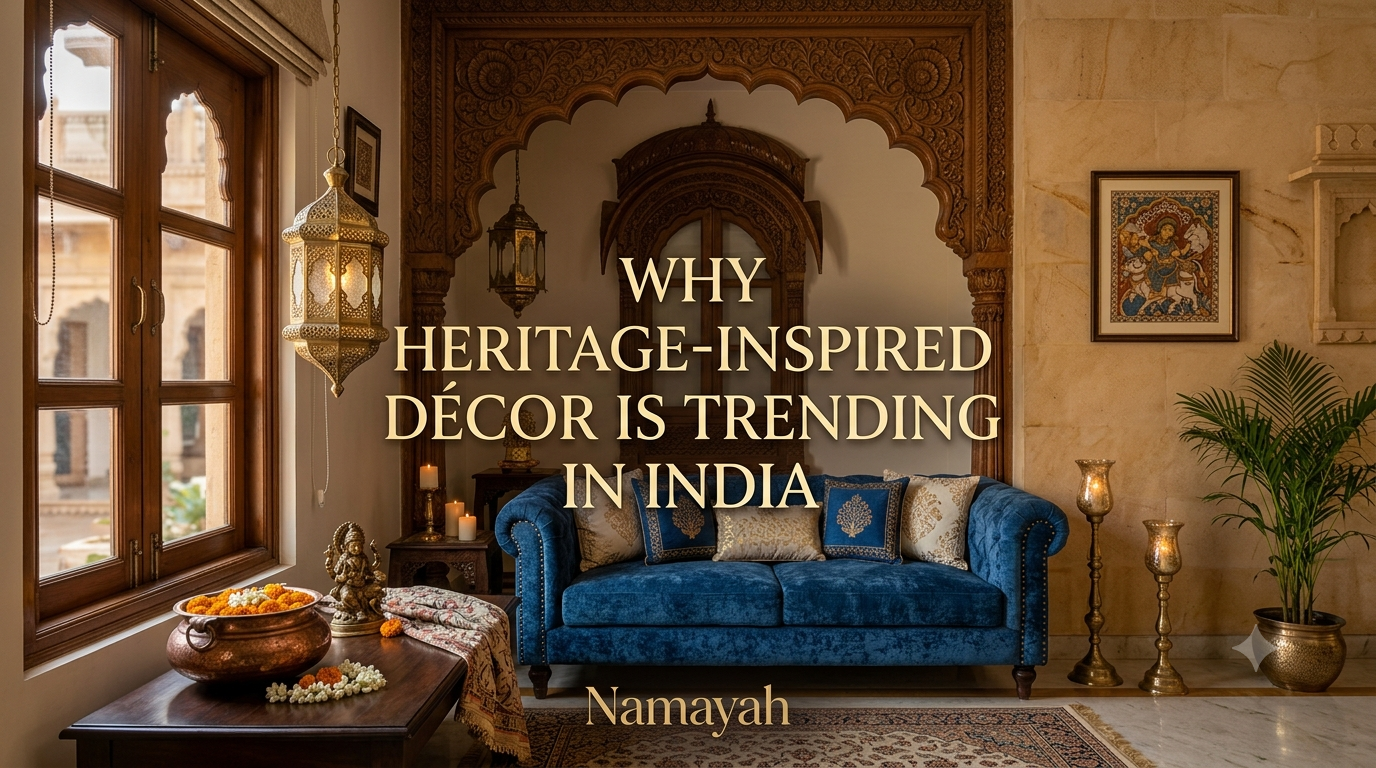
Indian homes are experiencing a remarkable design revival. While sleek minimalism and modern interiors remain popular, homeowners are increasingly embracing traditional aesthetics that celebrate India’s rich cultural heritage. Why Heritage-Inspired Décor Is Trending in India has become a common question among designers, homeowners, and lifestyle enthusiasts alike.
Rather than simply recreating old palaces or traditional houses, today’s interiors thoughtfully combine handcrafted elements, timeless materials, and regional artistry with contemporary functionality. This balanced approach creates spaces that feel elegant, personal, and deeply connected to Indian culture.
Understanding Heritage-Inspired Décor
Heritage-inspired décor blends historical Indian design traditions with modern lifestyles. Instead of filling a home entirely with antique furniture, it carefully incorporates authentic pieces, handcrafted accessories, and regional design influences into contemporary spaces.
Common characteristics include:
- Intricately carved wooden furniture
- Brass and copper décor
- Handmade pottery
- Traditional textiles
- Heritage-inspired wall art
- Natural materials such as stone, wood, and clay
- Vintage architectural details
The goal is not nostalgia alone—it is creating timeless interiors that tell meaningful stories.
The Evolution of Indian Interior Design
Indian interior design has evolved significantly over the past few decades. During the 1990s and early 2000s, imported Western styles became highly desirable. Glass furniture, modular kitchens, and minimalist aesthetics dominated urban homes.
Today, homeowners are rediscovering local craftsmanship. Instead of replacing tradition, many designers combine modern architecture with handcrafted Indian details.
For example:
| Traditional Element | Modern Integration |
|---|---|
| Antique wooden chest | Coffee table |
| Brass urli | Contemporary centerpiece |
| Handwoven rugs | Neutral minimalist interiors |
| Jharokha mirrors | Statement wall décor |
| Terracotta lamps | Modern lighting arrangements |
This fusion delivers warmth without sacrificing modern comfort.
Why Heritage-Inspired Décor Is Trending in India
Several important factors explain this growing movement.
Growing Appreciation for Indian Craftsmanship
India possesses one of the world’s richest traditions of handcrafted artistry. Skilled artisans continue producing exceptional work in wood carving, metalwork, pottery, weaving, stone carving, and textile printing.
Consumers increasingly value handmade products because they are unique, durable, and support traditional communities.
Sustainability and Handmade Products
Sustainability has become a major influence in home design.
Instead of purchasing mass-produced furniture, homeowners are investing in handcrafted pieces made from responsibly sourced materials. Vintage furniture restoration has also become increasingly popular, extending the life of beautiful heirloom pieces.
This environmentally conscious approach reduces waste while preserving traditional craftsmanship.
Cultural Identity in Modern Living
Many younger homeowners want interiors that reflect their roots.
Heritage-inspired décor allows families to celebrate Indian traditions without compromising modern lifestyles. Whether it is displaying ancestral artwork, incorporating regional textiles, or using handcrafted lighting, these elements create homes with authentic character.
Social Media’s Influence
Interior designers, architects, influencers, and homeowners regularly showcase beautifully restored heritage homes across platforms like Instagram, Pinterest, and YouTube.
These inspiring spaces demonstrate how antique furniture, carved doors, handmade textiles, and traditional architecture can coexist with clean contemporary layouts, encouraging more people to adopt similar styles.
Popular Heritage Design Elements
Wooden Furniture
Solid teak, rosewood, mango wood, and Sheesham furniture remain timeless choices.
Popular options include:
- Carved coffee tables
- Antique cabinets
- Four-poster beds
- Console tables
- Handcrafted dining sets
These pieces often become focal points within otherwise modern interiors.
Brass and Copper Accents
Metal décor has returned in sophisticated ways.
Examples include:
- Brass lamps
- Temple bells
- Decorative urlis
- Copper planters
- Vintage mirrors
These accents add warmth and elegance without overwhelming a room.
Handwoven Textiles
India’s textile heritage is unmatched.
Popular choices include:
- Block-printed cushions
- Handloom curtains
- Ikat upholstery
- Kantha quilts
- Dhurrie rugs
- Silk runners
Layering these fabrics creates texture and visual interest.
Traditional Flooring and Tiles
Patterned cement tiles, Kota stone, Athangudi tiles, and natural stone flooring are becoming increasingly desirable.
These materials offer durability while introducing timeless visual appeal.
Regional Design Inspirations
Rajasthan
Rajasthani interiors feature vibrant colors, carved wooden furniture, jharokha windows, mirror work, and intricate metal accents.
Kerala
Kerala-inspired homes embrace:
- Dark wood furniture
- Sloping roof influences
- Natural ventilation
- Brass lamps
- Minimal ornamentation
This style emphasizes serenity and balance.
Gujarat
Gujarati craftsmanship includes:
- Mirror work
- Colorful embroidery
- Bandhani textiles
- Hand-painted furniture
These artistic touches bring energy into contemporary interiors.
Kashmir
Kashmiri influences feature:
- Walnut wood carving
- Papier-mâché décor
- Wool carpets
- Delicate embroidery
These handcrafted details add sophistication and warmth.
Blending Heritage with Contemporary Design
Successful heritage-inspired interiors avoid excessive decoration.
Designers recommend balancing traditional elements with clean modern lines.
Examples include:
- Pairing antique furniture with neutral walls.
- Using brass lighting in minimalist spaces.
- Mixing handcrafted textiles with modern sofas.
- Displaying traditional artwork in contemporary frames.
- Combining natural wood with glass and steel accents.
This creates homes that feel timeless rather than dated.
Benefits of Heritage-Inspired Homes
Choosing heritage-inspired décor offers several advantages:
- Preserves traditional craftsmanship.
- Supports local artisans and small businesses.
- Creates unique, personalized interiors.
- Encourages sustainable purchasing.
- Adds warmth and character.
- Increases appreciation for India’s cultural heritage.
- Often features durable, long-lasting materials.
Beyond aesthetics, these homes tell meaningful stories that connect generations.
Challenges to Consider
Despite its popularity, heritage-inspired décor requires thoughtful planning.
Potential challenges include:
- Authentic handcrafted pieces may be more expensive.
- Antique furniture requires maintenance.
- Balancing traditional and modern styles takes careful design.
- Genuine artisan products can be difficult to source.
Working with experienced designers or reputable artisan collectives can help overcome these challenges.
Tips for Decorating with Heritage Elements
If you’re just getting started:
- Begin with one statement piece, such as a carved wooden console.
- Incorporate handcrafted textiles for warmth.
- Choose natural materials over synthetic alternatives.
- Use traditional lighting to create ambiance.
- Mix antique and contemporary furniture thoughtfully.
- Support local artisans whenever possible.
- Avoid overcrowding spaces with too many decorative objects.
Small additions can significantly transform a home’s atmosphere.
Frequently Asked Questions
1. What is heritage-inspired décor?
It combines traditional Indian craftsmanship, historical design elements, and regional influences with modern interior design.
2. Why is heritage-inspired décor becoming popular in India?
Growing cultural pride, sustainability, appreciation for handmade products, and social media inspiration have all contributed to its popularity.
3. Does heritage décor work in apartments?
Yes. Even compact apartments can incorporate handcrafted furniture, traditional textiles, brass accents, and regional artwork without feeling crowded.
4. Is heritage-inspired décor expensive?
Not necessarily. While authentic antiques can be costly, many affordable handcrafted pieces from artisan communities offer excellent value.
5. How can I make a modern home feel more traditional?
Start with handcrafted wooden furniture, natural fabrics, brass accessories, and regional artwork while maintaining a clean, uncluttered layout.
6. Is heritage-inspired décor sustainable?
Often yes. It emphasizes durable materials, handmade craftsmanship, furniture restoration, and support for local artisans, all of which contribute to more sustainable living.
Conclusion
The growing popularity of heritage-inspired interiors reflects a broader movement toward authenticity, sustainability, and cultural appreciation. Rather than choosing between tradition and modernity, today’s homeowners are blending both to create spaces that are functional, elegant, and deeply personal.
As more people seek homes that reflect their identity, preserve artisanal traditions, and stand the test of time, heritage-inspired décor is likely to remain a defining feature of Indian interior design for years to come.
For additional inspiration on Indian crafts and artisan traditions, visit the official website of the Development Commissioner (Handicrafts), Ministry of Textiles: https://handicrafts.nic.in