
Why Heritage Crafts Matter in Today’s World
Introduction
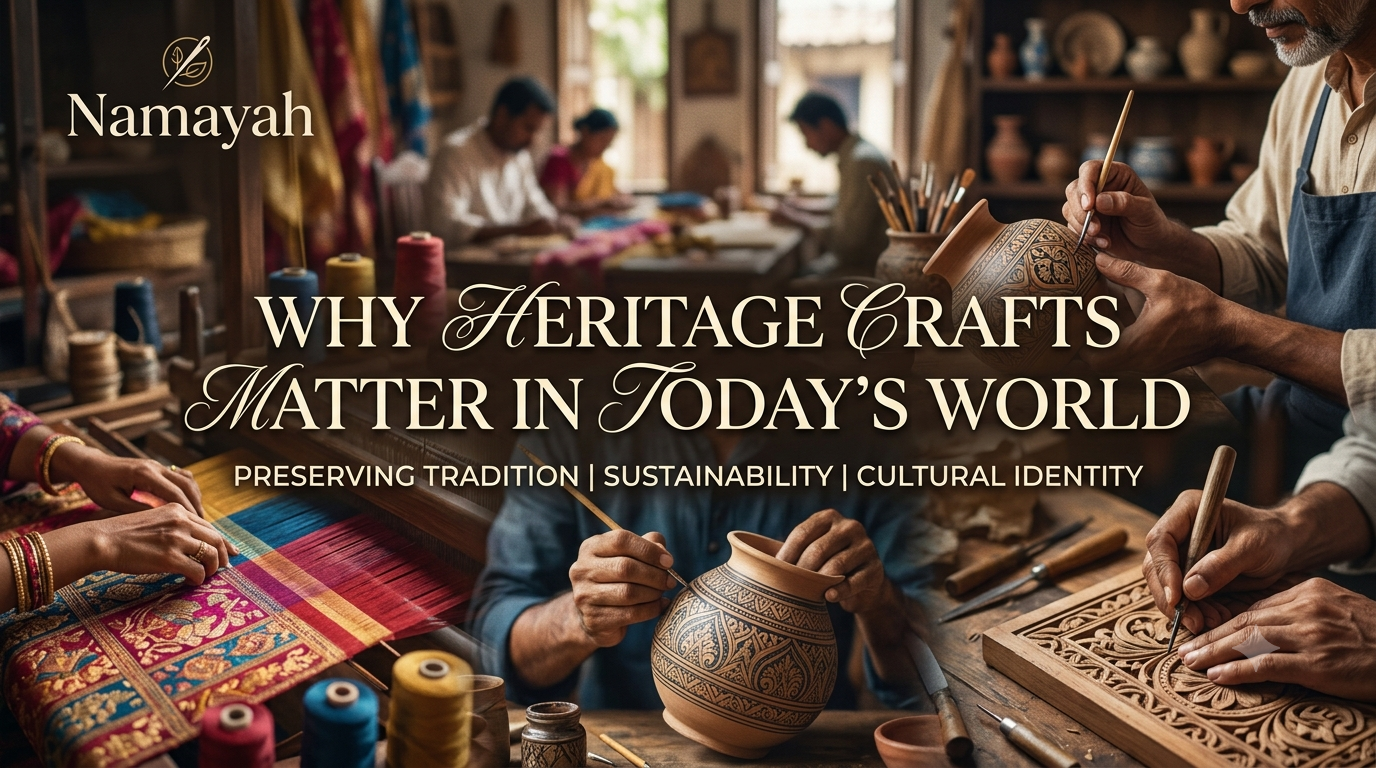
In an age dominated by mass production, artificial intelligence, and rapidly changing technology, traditional craftsmanship continues to hold remarkable value. Heritage crafts are more than handmade objects—they are living expressions of history, identity, creativity, and community. Every woven basket, carved sculpture, embroidered textile, or handcrafted ceramic piece carries stories passed down through generations.
Understanding Why Heritage Crafts Matter in Today’s World helps us appreciate the skills, traditions, and cultural knowledge that shape societies. As globalization creates increasingly standardized products, heritage crafts offer authenticity, sustainability, and a meaningful connection to our roots.
This article explores the importance of preserving traditional crafts, their economic and environmental benefits, and how they continue to inspire modern creativity.
What Are Heritage Crafts?
Heritage crafts are traditional skills, techniques, and artistic practices that have been passed from one generation to another. They often use locally available materials and reflect the customs, beliefs, and environment of a community.
Examples include:
- Hand weaving
- Pottery
- Wood carving
- Metalworking
- Embroidery
- Basket weaving
- Glass blowing
- Leather crafting
- Traditional painting
- Handmade jewelry
Unlike factory-made goods, each handcrafted item is unique and often tells a cultural story.
The Cultural Importance of Heritage Crafts
Every heritage craft preserves a piece of history. Traditional designs often represent local myths, festivals, religious beliefs, or historical events.
When these crafts disappear, valuable cultural knowledge disappears with them.
Heritage crafts help communities:
- Preserve identity
- Celebrate local traditions
- Pass knowledge to younger generations
- Strengthen cultural pride
- Keep historical techniques alive
These traditions connect people to their ancestors while enriching modern society.
Supporting Local Communities
Many rural communities depend on traditional craftsmanship as their primary source of income.
Buying handmade products supports:
- Small family businesses
- Independent artisans
- Women’s cooperatives
- Indigenous communities
- Rural employment
Instead of profits going to large corporations, purchases often directly benefit skilled craftspeople and their families.
Heritage Crafts Promote Sustainability
One of the strongest reasons Why Heritage Crafts Matter in Today’s World is their environmental impact.
Many traditional crafts use:
- Natural materials
- Recycled resources
- Renewable fibers
- Low-energy production methods
- Minimal packaging
Unlike mass-produced products, handcrafted goods typically create less waste and have a smaller carbon footprint.
Consumers seeking eco-friendly lifestyles increasingly value handmade alternatives.
Preserving Traditional Skills
Master artisans spend years developing their expertise.
Skills such as:
- Hand weaving
- Natural dyeing
- Blacksmithing
- Wood carving
- Traditional pottery
cannot easily be replaced by machines.
Teaching these skills to younger generations ensures they survive for decades to come.
Heritage Crafts Encourage Creativity
Traditional craftsmanship is not frozen in time.
Modern designers often combine classic techniques with contemporary styles to create products that appeal to today’s consumers.
Examples include:
- Modern fashion using traditional embroidery
- Contemporary furniture featuring traditional carving
- Handmade ceramics with modern designs
- Sustainable home décor inspired by indigenous patterns
Innovation keeps heritage crafts relevant without losing authenticity.
The Emotional Value of Handmade Products
Handmade items often carry emotional significance.
Unlike factory-produced goods, they represent:
- Time
- Skill
- Passion
- Individual creativity
- Personal connection
Many consumers appreciate knowing the story behind the maker and the process.
This emotional connection increases the perceived value of handcrafted products.
Boosting Tourism
Heritage crafts attract tourists interested in authentic cultural experiences.
Visitors often enjoy:
- Artisan workshops
- Local craft markets
- Cultural festivals
- Museum exhibitions
- Craft villages
Tourism centered around traditional crafts creates jobs while preserving cultural heritage.
Educational Benefits
Heritage crafts provide valuable educational opportunities.
Students learn about:
- History
- Geography
- Design
- Mathematics
- Engineering
- Environmental responsibility
- Cultural diversity
Hands-on learning also improves creativity and problem-solving skills.
Challenges Facing Heritage Crafts
Despite their importance, many traditional crafts face serious threats.
Common challenges include:
- Aging artisans
- Lack of apprentices
- Cheap imported products
- Mass production
- Urban migration
- Declining demand
Without preservation efforts, many traditional skills may disappear forever.
How Technology Can Help
Digital technology offers new opportunities for artisans.
Online platforms allow craftspeople to:
- Reach global customers
- Share their stories
- Teach online workshops
- Sell through e-commerce
- Promote cultural awareness on social media
Technology can support—not replace—traditional craftsmanship.
How Consumers Can Make a Difference
Every purchase has an impact.
Consumers can support heritage crafts by:
- Buying handmade products
- Visiting local craft markets
- Learning about traditional techniques
- Supporting artisan cooperatives
- Sharing artisan stories online
- Choosing quality over quantity
Even small actions contribute to preserving cultural traditions.
The Future of Heritage Crafts
The future depends on collaboration between governments, educators, businesses, museums, and consumers.
Investment in:
- Craft education
- Fair trade
- Digital marketing
- Tourism
- Cultural preservation programs
can help traditional crafts thrive in the modern economy.
As demand grows for sustainable, authentic, and ethically made products, heritage crafts are well positioned for renewed appreciation.
Frequently Asked Questions
1. What are heritage crafts?
They are traditional handmade skills and artistic practices passed down through generations.
2. Why are heritage crafts important?
They preserve culture, support communities, promote sustainability, and maintain valuable traditional knowledge.
3. How do heritage crafts help the economy?
They create employment, encourage tourism, and provide income for local artisans and rural communities.
4. Are handmade products more sustainable?
In many cases, yes. They often use natural materials, produce less waste, and require less industrial energy.
5. Can traditional crafts survive in the digital age?
Yes. Online marketplaces, social media, and digital storytelling help artisans reach wider audiences while preserving traditional skills.
6. How can young people support heritage crafts?
By learning traditional skills, buying handmade products, attending workshops, promoting artisans online, and valuing cultural heritage.
Conclusion
Heritage crafts remain deeply relevant in today’s world because they represent far more than decorative objects. They preserve cultural identity, strengthen local economies, encourage sustainable living, and celebrate human creativity. As societies become increasingly connected through technology, handcrafted traditions provide an authentic link to history and community.
Supporting heritage crafts is not simply about protecting the past—it is an investment in a more sustainable, diverse, and culturally rich future. Whether through purchasing handmade goods, learning traditional techniques, or sharing artisans’ stories, everyone has a role to play in ensuring these remarkable skills continue to flourish for generations to come.
Learn more: UNESCO’s work on safeguarding intangible cultural heritage: https://ich.unesco.org/