
Why Ethical Luxury Is the Future of Home Décor
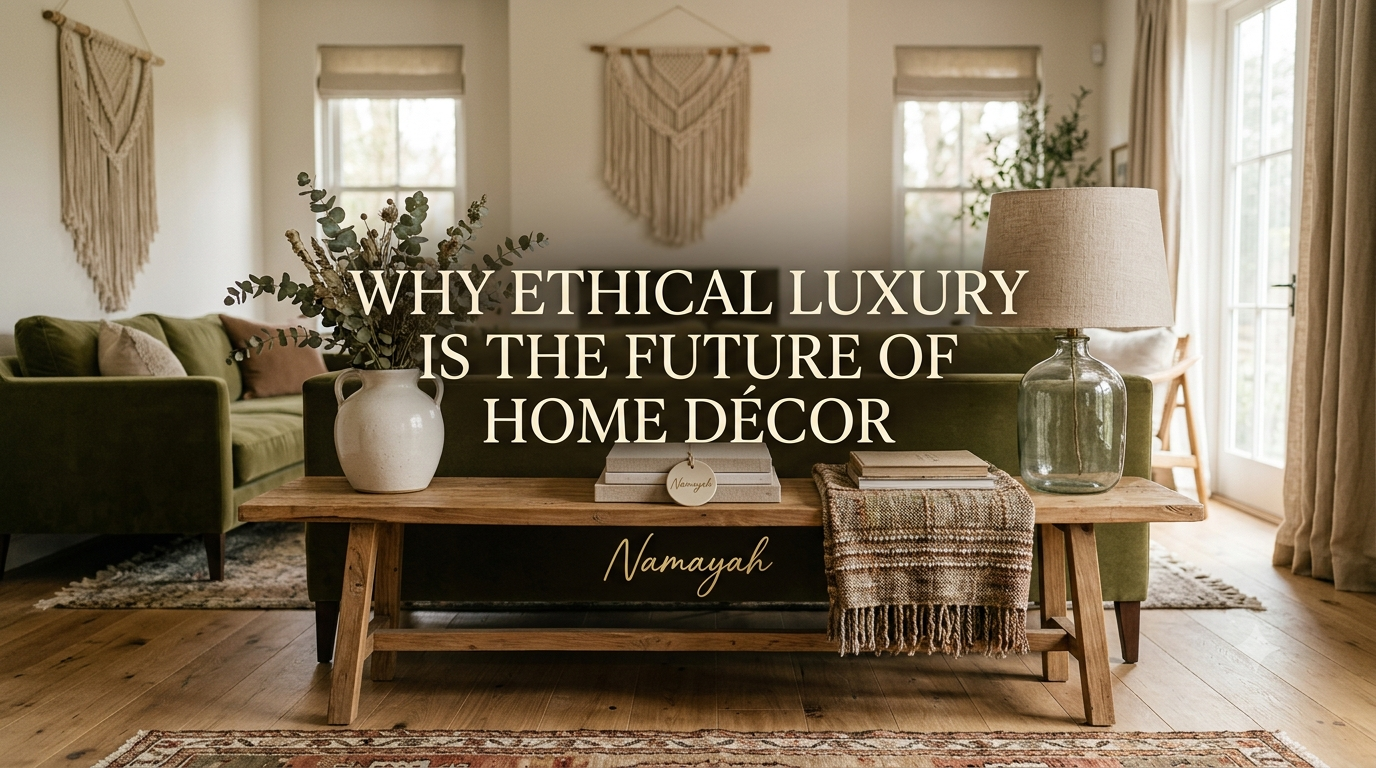
Luxury home décor has traditionally been associated with exceptional craftsmanship, exclusive materials, and timeless elegance. Today, however, the definition of luxury is evolving. Modern homeowners increasingly value products that are not only beautiful but also responsibly made.
Ethical luxury combines sophisticated design with sustainability, transparency, and social responsibility. Rather than focusing solely on exclusivity, it emphasizes lasting quality, responsible sourcing, and respect for the people who create each piece. For luxury homeowners, this approach offers interiors that reflect both refined taste and conscious values.
As environmental awareness continues to grow, ethical luxury is becoming a defining direction for premium interior design.
What Is Ethical Luxury?
Ethical luxury refers to premium products created with consideration for environmental, social, and ethical standards throughout their lifecycle.
Instead of prioritizing rapid production or disposable trends, ethical luxury emphasizes:
- High-quality craftsmanship
- Responsibly sourced materials
- Fair labor practices
- Sustainable manufacturing
- Long-lasting design
- Transparency throughout the supply chain
The result is décor that delivers elegance while reducing unnecessary environmental and social impact.
Why Consumer Expectations Are Changing
Today’s luxury buyers are more informed than ever before. Many research brands before making purchases, looking beyond appearance and price to understand how products are made.
Several factors are influencing this shift:
- Increased awareness of environmental issues
- Greater interest in sustainable living
- Appreciation for handcrafted products
- Desire for long-lasting investments
- Preference for authentic brand stories
Rather than purchasing decorative items simply because they are expensive, homeowners increasingly seek pieces that reflect their personal values.
Premium Craftsmanship Over Mass Production
One of the defining characteristics of ethical luxury is exceptional craftsmanship.
Handcrafted furniture, artisan textiles, and carefully finished décor often require significantly more skill and attention than mass-produced alternatives. These products typically feature superior durability, finer details, and unique character.
Investing in quality craftsmanship also reduces the need for frequent replacements, making premium décor a practical long-term investment.
Well-crafted furniture often becomes part of a home’s lasting design rather than a temporary trend.
Sustainable Materials Elevate Luxury
Luxury and sustainability are no longer opposing ideas. Many premium brands now prioritize responsibly sourced materials without compromising elegance.
Common sustainable materials include:
- FSC-certified wood
- Organic cotton
- Linen
- Bamboo
- Recycled metals
- Natural stone
- Recycled glass
- Vegetable-tanned leather
- Low-VOC finishes
These materials often provide excellent durability while helping reduce environmental impact.
Choosing responsibly sourced materials also supports better forest management, reduced waste, and more efficient use of natural resources.
Transparency Builds Trust
Modern luxury consumers increasingly appreciate brands that openly explain where products come from and how they are made.
Transparency may include information about:
- Material sourcing
- Manufacturing processes
- Artisan partnerships
- Environmental initiatives
- Product certifications
- Supply chain practices
Providing this information helps customers make informed purchasing decisions and strengthens confidence in premium brands.
Timeless Design Reduces Waste
Ethical luxury favors timeless interiors over rapidly changing design trends.
Classic furniture, neutral color palettes, and versatile decorative pieces often remain stylish for many years. This longevity reduces the need for frequent renovations and replacement purchases.
Timeless design also allows homeowners to update interiors gradually through accessories, artwork, or textiles rather than replacing entire rooms.
The result is a more sustainable approach to interior design that preserves both financial investment and environmental resources.
Supporting Artisans and Local Communities
Ethical luxury extends beyond environmental considerations by recognizing the value of skilled craftspeople.
Many luxury décor brands collaborate with artisans who specialize in traditional woodworking, weaving, ceramics, metalwork, or textile production.
Supporting these crafts helps:
- Preserve traditional skills
- Strengthen local economies
- Encourage fair employment
- Celebrate cultural heritage
- Promote exceptional product quality
These handcrafted details often create interiors with greater authenticity and individuality.
How to Create an Ethical Luxury Home
Building a responsible luxury interior does not require replacing everything at once. Instead, focus on thoughtful purchasing decisions.
Consider the following strategies:
Invest in Fewer, Better Pieces
Choose high-quality furniture designed to last for decades rather than inexpensive items that require frequent replacement.
Prioritize Natural Materials
Select furniture and décor made from responsibly sourced wood, natural fibers, stone, and recycled materials where appropriate.
Ask Questions Before Buying
Learn about manufacturing practices, material sourcing, warranties, and product longevity before making significant purchases.
Choose Timeless Designs
Avoid decorating solely around short-lived trends. Neutral foundations provide greater flexibility over time.
Maintain What You Own
Proper cleaning, refinishing, and care can significantly extend the life of premium furnishings.
The Lasting Value of Ethical Luxury
Ethical luxury offers more than visual appeal.
It combines exceptional design, premium craftsmanship, responsible sourcing, and lasting quality into products that enhance both homes and lifestyles.
For luxury homeowners, investing in thoughtfully made décor supports interiors that remain elegant for years while reflecting a growing commitment to sustainability and responsible consumption.
As consumer priorities continue to evolve, ethical luxury is positioned to become an increasingly important standard within high-end interior design.
Frequently Asked Questions
What is ethical luxury in home décor?
Ethical luxury refers to premium home furnishings and decorative products created using responsible sourcing, sustainable materials, fair labor practices, and high-quality craftsmanship.
Is ethical luxury more expensive?
Some ethical luxury products may have a higher upfront cost due to premium materials and skilled craftsmanship. However, their durability and longevity can provide better long-term value.
Which materials are commonly used in ethical luxury décor?
Common materials include certified wood, organic cotton, linen, recycled metals, recycled glass, natural stone, bamboo, and responsibly produced leather.
Why is craftsmanship important in luxury interiors?
Exceptional craftsmanship improves durability, enhances aesthetics, and creates unique pieces that often last significantly longer than mass-produced alternatives.
How does ethical luxury support sustainability?
Ethical luxury encourages responsible sourcing, reduced waste, longer product lifespans, and more transparent manufacturing practices.
Can ethical luxury fit different interior styles?
Yes. Ethical luxury complements modern, contemporary, traditional, minimalist, Scandinavian, and transitional interiors by emphasizing quality, timeless design, and premium materials.