
Why Brass Remains a Favorite Among Interior Designers
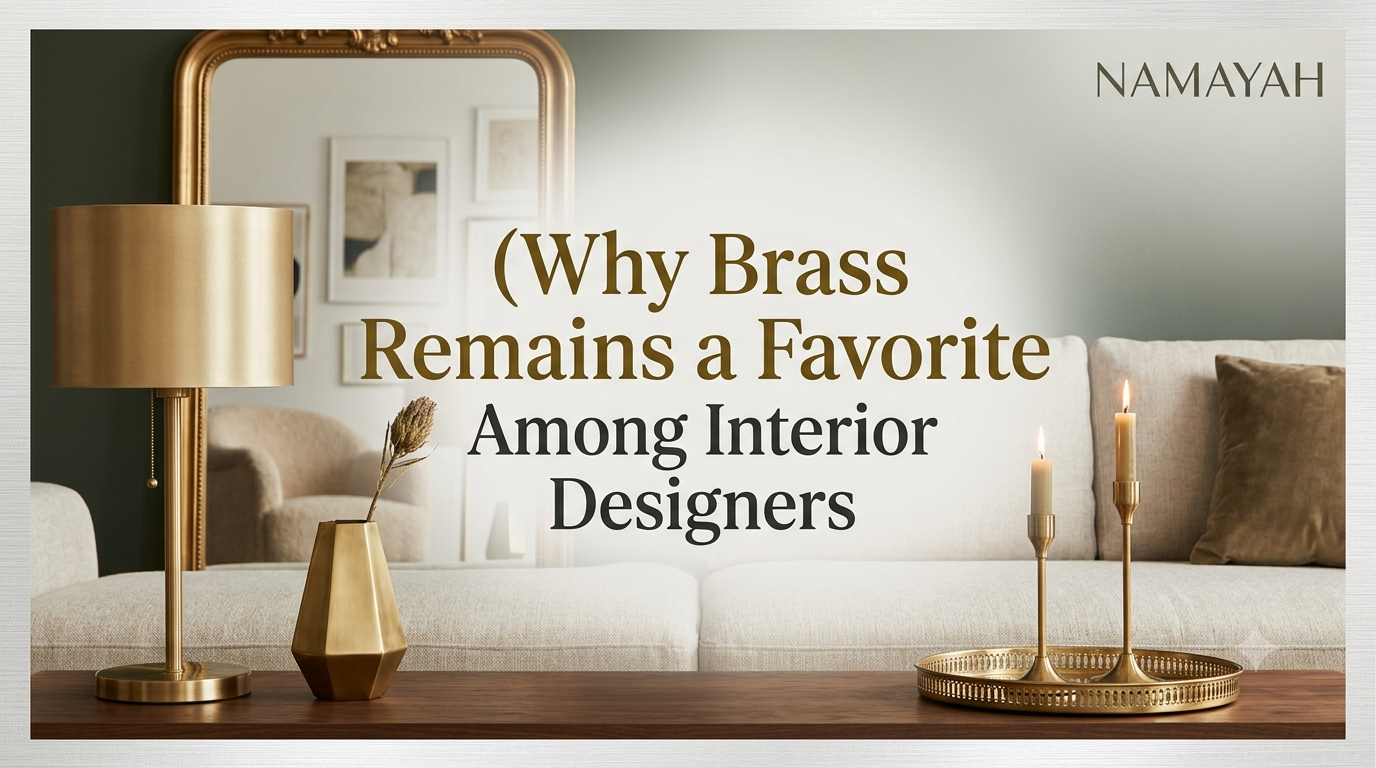
Brass has enjoyed a remarkable resurgence in interior design over the past decade, yet its popularity is anything but a passing trend. From luxurious hotels to cozy residential spaces, brass accents continue to appear in kitchens, bathrooms, living rooms, and commercial interiors worldwide. Understanding Why Brass Remains a Favorite Among Interior Designers reveals more than just a preference for a shiny metal—it showcases a combination of timeless elegance, exceptional durability, and unmatched versatility.
Whether incorporated through cabinet hardware, lighting fixtures, furniture details, or decorative accessories, brass effortlessly bridges traditional craftsmanship with contemporary design. Designers appreciate its ability to add warmth without overwhelming a space, making it suitable for nearly every design style.
The Timeless Appeal of Brass
Interior design trends evolve rapidly, but brass consistently withstands changing tastes. Its warm golden tone creates an inviting atmosphere that neither chrome nor stainless steel can fully replicate. Unlike flashy finishes that quickly become dated, brass carries an understated elegance that feels both luxurious and approachable.
Designers often choose brass because it adds visual richness without dominating the room. A simple brass handle or pendant light can elevate an otherwise ordinary space into something memorable.
Another reason brass remains timeless is its adaptability. Whether polished to a brilliant shine or finished with a soft brushed texture, brass fits seamlessly into various decorating styles while maintaining its distinctive character.
A Rich History in Interior Design
Brass has decorated homes, palaces, and public buildings for centuries. Ancient civilizations valued brass for its durability, workability, and attractive appearance.
During the Victorian era, ornate brass fixtures symbolized luxury and craftsmanship. Mid-century designers later embraced brass in lighting and furniture, appreciating its ability to complement clean lines and organic shapes.
Today’s designers continue this tradition by using brass in innovative ways, proving that historical materials can remain relevant in contemporary interiors.
Brass Complements Every Design Style
One of the strongest reasons Why Brass Remains a Favorite Among Interior Designers is its remarkable versatility.
Modern Minimalism
Minimalist interiors often rely on neutral palettes and simple forms. Brass introduces warmth and sophistication without disrupting clean aesthetics. Slim brass handles or sleek faucets provide subtle visual interest.
Traditional Elegance
Traditional interiors benefit from brass’s heritage. Chandeliers, antique-inspired hardware, and decorative mirrors create an atmosphere of timeless refinement.
Industrial Interiors
Industrial spaces frequently combine exposed brick, concrete, and steel. Brass softens these rugged materials while maintaining the raw, authentic character designers seek.
Scandinavian Spaces
Scandinavian interiors emphasize simplicity and natural light. Brass accents pair beautifully with white walls, pale woods, and soft textiles, adding warmth without clutter.
Warm Metallic Tones Create Inviting Rooms
Unlike cooler metals such as chrome or nickel, brass introduces warmth that instantly makes rooms feel more comfortable.
This warmth works particularly well alongside:
- Natural wood
- Marble surfaces
- White cabinetry
- Navy blue accents
- Forest green walls
- Matte black fixtures
- Earth-tone textiles
Because brass reflects light gently, it also enhances ambient lighting, making spaces feel brighter while avoiding harsh glare.
Brass Ages Beautifully with Patina
One unique characteristic of brass is its natural aging process.
Rather than deteriorating, untreated brass develops a rich patina over time. This gradual transformation adds personality and authenticity that many designers intentionally embrace.
The evolving finish tells a story, making every fixture unique. While some homeowners prefer polished brass, others appreciate the organic beauty that develops naturally.
Manufacturers also offer lacquered brass finishes for those who want to preserve the original appearance with minimal maintenance.
Exceptional Durability and Longevity
Brass performs exceptionally well in busy households because it resists:
- Corrosion
- Rust
- Moisture
- Daily wear
- Frequent handling
Its strength makes it an excellent choice for cabinet hardware, faucets, lighting fixtures, and door handles that experience constant use.
Many brass fixtures remain functional and attractive for decades, making them a worthwhile investment.
Sustainable and Eco-Friendly Benefits
Sustainability has become a major priority in modern design.
Brass contributes positively because:
- It is highly recyclable.
- It has a long lifespan.
- Many manufacturers use recycled brass.
- Durable products reduce replacement frequency.
Choosing long-lasting materials minimizes waste while supporting environmentally responsible design practices.
Popular Applications of Brass in Modern Homes
Kitchen Hardware
Cabinet pulls, knobs, faucets, and pot fillers made from brass instantly elevate kitchen design. They pair especially well with white, navy, black, and wood cabinetry.
Bathroom Fixtures
Brass faucets, towel bars, mirrors, and shower systems introduce warmth into bathrooms often dominated by cool tile and stone.
Lighting
Pendant lights, sconces, chandeliers, and floor lamps benefit from brass’s reflective qualities, creating cozy, inviting illumination.
Furniture Accents
Coffee tables, shelving, console tables, and chair frames frequently incorporate brass to achieve a sophisticated, high-end appearance.
Mixing Brass with Other Materials
Experienced designers rarely use brass in isolation. Instead, they combine it with complementary materials, including:
| Material | Effect |
|---|---|
| Marble | Luxurious elegance |
| Walnut | Rich warmth |
| White Oak | Scandinavian simplicity |
| Black Steel | Modern contrast |
| Glass | Lightness and refinement |
| Concrete | Industrial sophistication |
| Leather | Classic luxury |
These combinations create layered interiors that feel balanced rather than overly coordinated.
Caring for Brass Finishes
Maintaining brass is relatively simple.
For everyday care:
- Dust regularly with a soft cloth.
- Clean using mild soap and warm water.
- Dry thoroughly after cleaning.
- Avoid abrasive cleaners.
- Follow manufacturer recommendations for lacquered finishes.
If maintaining a polished appearance is important, occasional brass polish may be appropriate. However, many designers encourage homeowners to embrace the natural patina that develops over time.
Common Mistakes to Avoid
Even beautiful materials can lose their impact if used incorrectly.
Common mistakes include:
- Using too many metallic finishes in one room without a clear design strategy.
- Mixing brass tones that clash rather than complement each other.
- Choosing overly ornate fixtures in minimalist spaces.
- Neglecting maintenance when a polished finish is desired.
- Ignoring the room’s overall color palette.
Thoughtful placement and consistency help brass feel intentional rather than trendy.
Frequently Asked Questions
1. Is brass still fashionable in interior design?
Yes. Brass remains one of the most popular finishes because of its timeless appearance, versatility, and ability to complement both modern and traditional interiors.
2. Does brass work in contemporary homes?
Absolutely. Designers often use brushed or satin brass finishes to create clean, sophisticated contemporary spaces.
3. Does brass require a lot of maintenance?
Not necessarily. Lacquered brass requires minimal upkeep, while unlacquered brass naturally develops a patina that many homeowners appreciate.
4. Can brass be mixed with black fixtures?
Yes. Matte black and brass create one of today’s most popular design combinations, offering striking contrast and warmth.
5. Is brass environmentally friendly?
Brass is highly recyclable and exceptionally durable, making it a sustainable choice for long-lasting interiors.
6. Where does brass look best in a home?
Brass performs beautifully in kitchens, bathrooms, entryways, dining rooms, living rooms, and bedrooms through hardware, lighting, mirrors, and decorative accessories.
Conclusion
The enduring popularity of brass is no coincidence. From its rich history and remarkable durability to its ability to complement virtually every design style, there are countless reasons Why Brass Remains a Favorite Among Interior Designers. Its warm tones, graceful aging process, and compatibility with materials like wood, marble, glass, and stone ensure it remains relevant even as design trends evolve.
Rather than serving as a fleeting fashion statement, brass has established itself as a foundational design element that balances beauty with practicality. Whether you’re renovating a single room or designing an entire home, thoughtfully chosen brass accents can bring warmth, character, and timeless sophistication to your space.
For more inspiration on timeless materials and sustainable design, explore the resources available from the American Society of Interior Designers (ASID): https://www.asid.org