
Why Brass Décor Never Loses Its Appeal
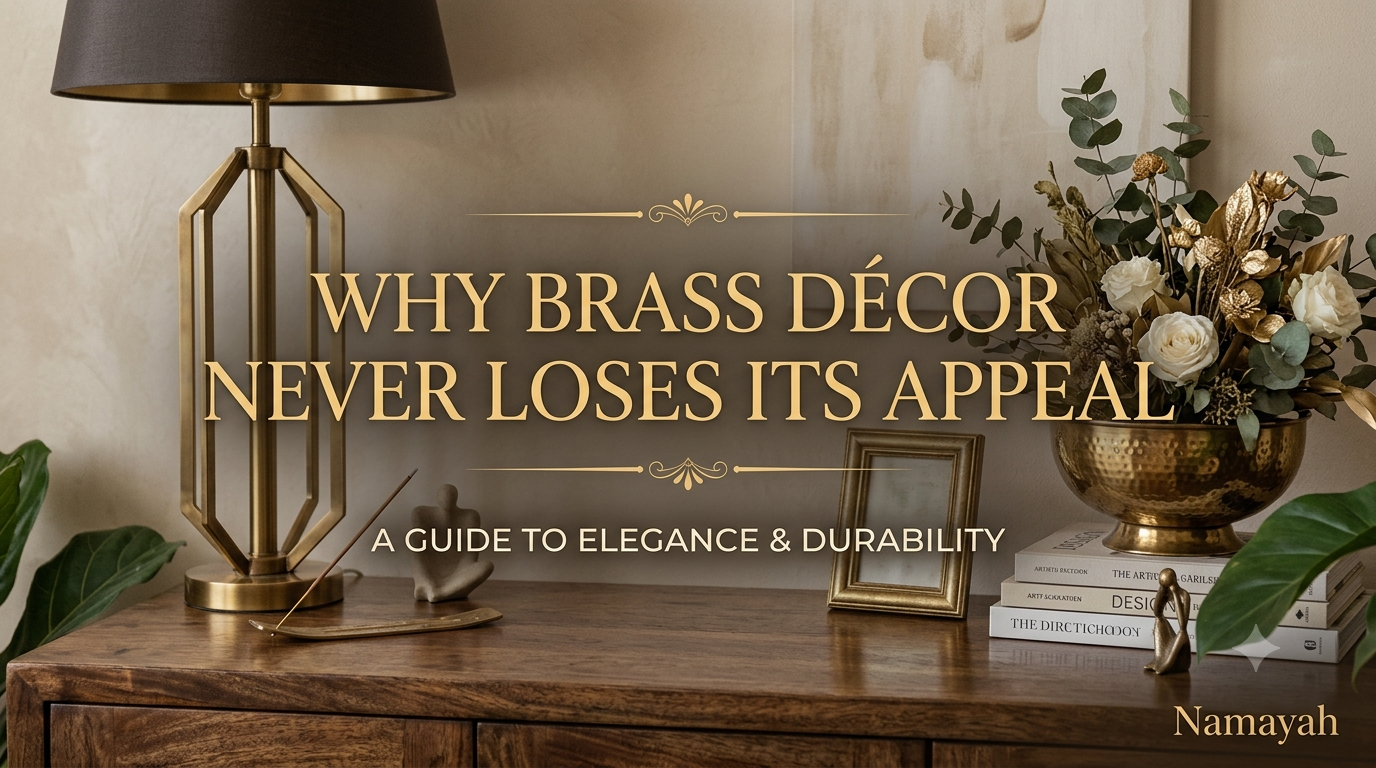
Brass décor has remained a favorite in interior design for centuries, and its popularity shows no signs of fading. While home décor trends come and go, brass consistently finds its way back into the spotlight. From elegant candle holders and vintage mirrors to sleek cabinet handles and statement lighting fixtures, brass adds warmth, sophistication, and character to virtually any space.
Unlike materials that quickly feel dated, brass possesses a unique ability to adapt to changing design styles. Whether your home embraces minimalism, industrial chic, rustic farmhouse, or classic elegance, brass blends seamlessly into the aesthetic while adding a subtle touch of luxury.
This enduring appeal isn’t simply about appearance. Brass is durable, practical, sustainable, and develops a distinctive personality over time, making it one of the most beloved materials in interior decorating.
A Rich History of Timeless Elegance
Brass has been used in architecture, furniture, and decorative arts for thousands of years. Ancient civilizations valued it for its attractive golden color and resistance to corrosion. Throughout history, brass appeared in royal palaces, religious buildings, and elegant homes as both a decorative and functional material.
Today, designers continue to appreciate these same qualities. While manufacturing methods have evolved, the charm of brass remains unchanged.
Its historical significance gives brass décor an authenticity that synthetic materials often struggle to achieve.
The Warm Glow That Enhances Every Room
One of brass’s greatest strengths is its warm, inviting appearance. Unlike chrome or stainless steel, which can sometimes feel cold or clinical, brass reflects light with a soft golden glow.
This warmth makes rooms feel:
- More welcoming
- More comfortable
- Richer in texture
- Visually balanced
Natural light also interacts beautifully with brass surfaces, allowing decorative pieces to change subtly throughout the day.
Whether polished to a brilliant shine or finished with a brushed texture, brass creates visual interest without overwhelming a room.
Brass Works with Nearly Every Design Style
One reason brass never goes out of fashion is its remarkable versatility.
Modern Interiors
Minimalist spaces often rely on clean lines and neutral colors. Brass introduces warmth without disrupting simplicity.
Examples include:
- Pendant lights
- Cabinet pulls
- Coffee tables
- Floor lamps
Traditional Homes
Brass has long been associated with classic interiors.
Popular traditional brass accents include:
- Chandeliers
- Fireplace accessories
- Picture frames
- Antique clocks
Industrial Spaces
Industrial interiors combine raw materials like steel, concrete, and wood. Brass softens these harder textures while maintaining an urban feel.
Bohemian Designs
Boho spaces celebrate texture and personality. Brass lanterns, mirrors, planters, and decorative trays complement layered fabrics and natural materials beautifully.
The Beauty of Aging Gracefully
Unlike many metals that deteriorate over time, brass develops a natural patina.
Patina is a gentle darkening or soft color variation that forms as brass reacts with air and handling. Many homeowners actually prefer this aged appearance because it adds depth and character.
This means brass becomes more distinctive the longer you own it.
Those who prefer a brighter finish can easily polish brass to restore its original shine, giving homeowners flexibility in appearance.
Exceptional Durability
Decorative items should be beautiful, but they also need to last.
Brass offers several practical advantages:
| Feature | Benefit |
|---|---|
| Corrosion resistance | Performs well in humid environments |
| Strength | Resists dents and everyday wear |
| Longevity | Can last for decades |
| Easy maintenance | Requires only occasional cleaning |
| Refinishable | Can be polished when needed |
Unlike many trendy finishes that chip or peel, solid brass maintains its structural integrity for generations.
A Sustainable Choice
As homeowners become increasingly environmentally conscious, brass continues to stand out as a responsible material.
Brass is highly recyclable without losing its quality.
Many manufacturers use recycled brass to create new products, reducing waste while conserving natural resources.
Because brass décor lasts so long, it also reduces the need for frequent replacement, making it a more sustainable investment than many inexpensive decorative alternatives.
Brass Creates Beautiful Contrast
Interior designers often use contrast to create visual interest.
Brass pairs exceptionally well with:
- White marble
- Black cabinetry
- Dark walnut wood
- Natural oak
- Concrete
- Glass
- Leather
- Linen fabrics
These combinations create balanced spaces that feel sophisticated rather than overly decorative.
Small Brass Details Make a Big Difference
You don’t need to redesign your entire home to enjoy the benefits of brass.
Even small accents can transform a room.
Consider adding:
- Door handles
- Drawer pulls
- Wall hooks
- Picture frames
- Candle holders
- Bookends
- Table lamps
- Decorative bowls
These subtle additions introduce warmth while maintaining a cohesive design.
Brass in Kitchens and Bathrooms
Brass has become especially popular in kitchens and bathrooms.
Common applications include:
Kitchen
- Cabinet hardware
- Faucets
- Pendant lighting
- Open shelving brackets
Bathroom
- Towel bars
- Mirror frames
- Shower fixtures
- Soap dispensers
- Vanity lighting
These functional elements double as decorative features, creating spaces that feel both elegant and practical.
Mixing Brass with Other Metals
A common misconception is that every metal finish in a room must match.
Modern design embraces mixed metals.
Brass works beautifully alongside:
- Matte black
- Brushed nickel
- Stainless steel
- Bronze
- Copper
The key is maintaining balance by repeating each finish throughout the room rather than concentrating it in one area.
Caring for Brass Décor
Maintaining brass is relatively simple.
For routine care:
- Dust regularly with a soft microfiber cloth.
- Wipe fingerprints using warm water and mild soap.
- Dry thoroughly to prevent water spots.
- Avoid harsh abrasive cleaners.
- Polish only when restoring shine is desired.
If you appreciate the aged patina, simply clean the surface without polishing away its natural character.
Why Designers Continue Choosing Brass
Professional interior designers consistently return to brass because it offers an ideal balance of beauty and practicality.
Brass provides:
- Timeless elegance
- Warm visual appeal
- Versatility across styles
- Long-lasting durability
- Sustainable value
- Easy maintenance
- Compatibility with natural materials
- A luxurious look without being overly ornate
Few decorative materials deliver so many advantages in a single package.
Common Mistakes to Avoid
To get the best results with brass décor, avoid these common pitfalls:
- Overusing polished brass in every room, which can feel excessive.
- Mixing too many different brass finishes without a clear plan.
- Using abrasive cleaners that scratch the surface.
- Forgetting to repeat brass accents throughout the space for visual cohesion.
- Choosing low-quality plated products when solid brass is a better long-term investment.
Thoughtful placement allows brass to shine without dominating the design.
Frequently Asked Questions
Is brass décor still fashionable?
Yes. Brass remains one of the most enduring materials in interior design because it complements both contemporary and traditional styles.
Does brass require a lot of maintenance?
No. Regular dusting and occasional cleaning are usually enough. Polishing is optional, depending on whether you prefer a bright finish or a natural patina.
Can brass be used in modern homes?
Absolutely. Brass pairs beautifully with minimalist, Scandinavian, industrial, and contemporary interiors.
Does brass rust?
No. Brass does not rust because it contains no iron. It may develop a patina over time, which many people consider part of its charm.
Is brass environmentally friendly?
Yes. Brass is highly recyclable and often made with recycled materials, making it a more sustainable choice than many disposable decorative products.
What colors complement brass?
Brass works particularly well with white, black, navy, emerald green, charcoal, warm wood tones, marble, glass, and natural textiles.
Conclusion
Brass décor has earned its enduring reputation through a rare combination of elegance, durability, and adaptability. Its warm golden tones enhance a wide variety of interiors, while its ability to age gracefully ensures that each piece becomes more distinctive over time. Whether used in bold statement fixtures or subtle decorative accents, brass introduces a sense of refinement that few materials can match.
Rather than following fleeting trends, brass has consistently evolved alongside changing tastes, proving its versatility across generations. For homeowners seeking décor that balances beauty with longevity, brass remains an investment that continues to reward year after year. Its timeless appeal is not simply a matter of style—it reflects enduring craftsmanship, practical performance, and a warmth that helps transform any house into a welcoming home.