
Traditional Brass Art Forms from India
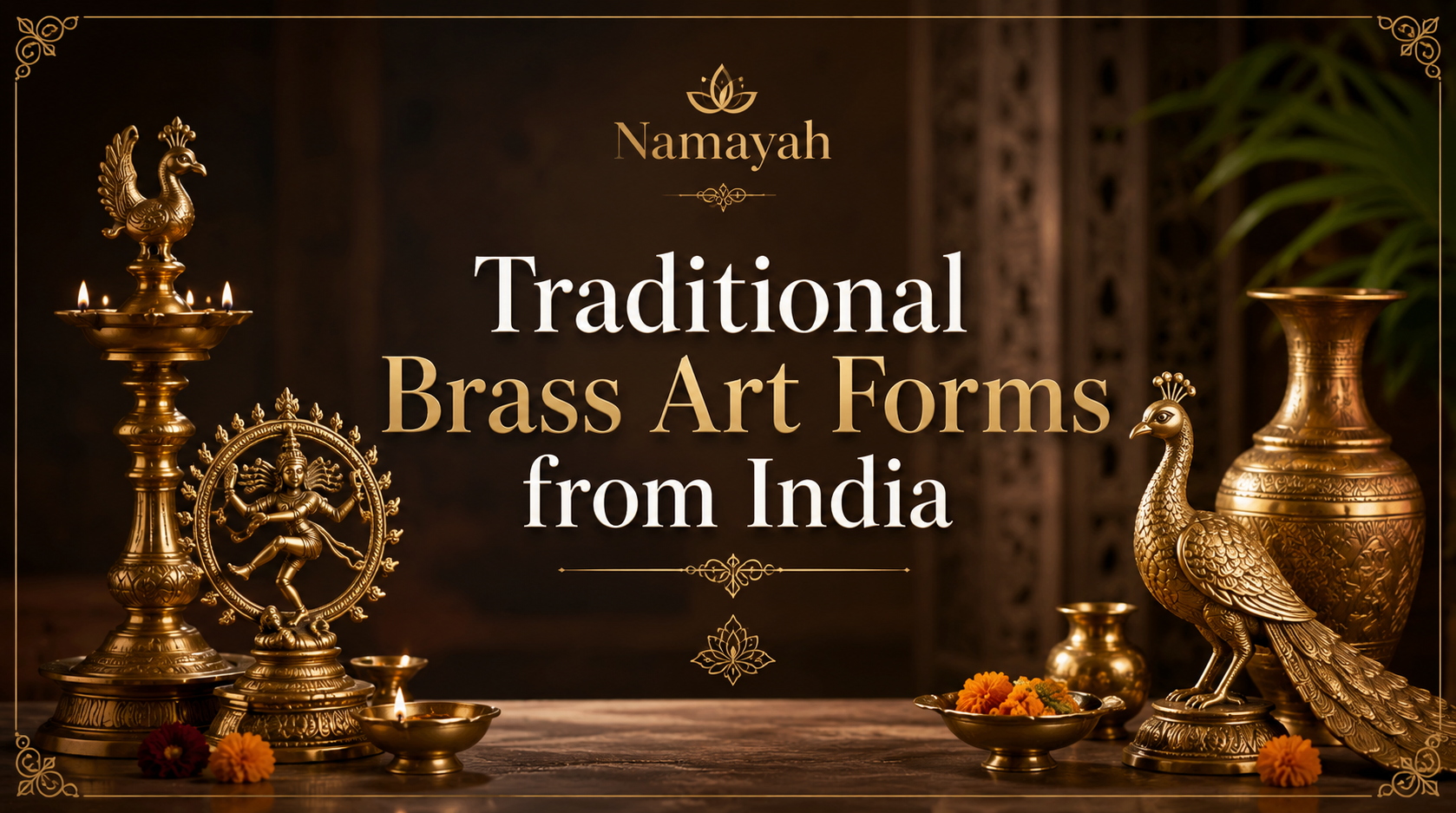
India’s rich artistic heritage is beautifully reflected in its Traditional Brass Art Forms from India. For centuries, skilled artisans have transformed brass into magnificent sculptures, lamps, utensils, decorative objects, and religious artifacts. These handcrafted masterpieces are not merely decorative—they embody stories, traditions, spiritual beliefs, and the cultural identity of diverse regions across the country.
From intricately carved temple bells in South India to elegant Dhokra figurines crafted using the ancient lost-wax casting technique, brass artistry remains an enduring symbol of Indian craftsmanship. Today, these art forms continue to inspire collectors, interior designers, historians, and travelers worldwide.
Introduction to Indian Brass Craft
India has been celebrated for its metalworking traditions for thousands of years. Brass, an alloy of copper and zinc, became especially popular because it combines beauty, durability, and affordability. Skilled artisans have passed their techniques through generations, creating objects that serve practical, decorative, and religious purposes.
Today, Indian brass crafts remain highly valued in domestic and international markets due to their intricate detailing and cultural significance.
Historical Evolution of Brass Art
Brass craftsmanship dates back over 2,000 years. Archaeological discoveries reveal that ancient Indian civilizations possessed remarkable expertise in metallurgy.
Over time, various dynasties—including the Mauryas, Cholas, Vijayanagara rulers, and Mughals—encouraged artisans to develop unique regional styles. Royal patronage led to the creation of elaborate temple idols, palace décor, ceremonial vessels, and royal gifts.
Trade routes further spread Indian brassware to Southeast Asia, the Middle East, and Europe.
Importance of Brass in Indian Culture
Brass occupies a sacred place in Indian traditions.
Its significance includes:
- Used in Hindu temple rituals
- Preferred for oil lamps and bells
- Considered auspicious during festivals
- Used in weddings and family ceremonies
- Associated with prosperity and purity
Many households still maintain brass utensils and religious items that have been passed down through generations.
Traditional Manufacturing Techniques
Indian brass artisans employ techniques that require years of practice.
Casting
Molten brass is poured into handcrafted molds to produce statues, lamps, bells, and utensils.
Engraving
Fine chisels are used to carve floral motifs, geometric designs, mythological scenes, and traditional patterns.
Hammering
Artisans shape brass sheets by repeatedly hammering them into desired forms.
Repoussé
This decorative process involves hammering designs from the reverse side to create raised artistic patterns.
Famous Regional Traditional Brass Art Forms from India
Moradabad Brassware (Uttar Pradesh)
Known as the “Brass City of India,” Moradabad produces some of the country’s finest brass products.
Popular items include:
- Decorative bowls
- Candle stands
- Wall décor
- Planters
- Serving trays
- Antique-finish sculptures
Intricate hand engraving is the hallmark of Moradabad craftsmanship.
Dhokra Art (West Bengal, Chhattisgarh, Odisha, Jharkhand)
Dhokra is among India’s oldest surviving metal crafts.
Its distinctive features include:
- Lost-wax casting technique
- Tribal motifs
- Human figurines
- Animal sculptures
- Folk-inspired designs
Every Dhokra piece is unique because the mold is destroyed after casting.
Kerala Brass Lamps
Kerala is renowned for handcrafted brass lamps known as Nilavilakku.
These elegant lamps symbolize:
- Knowledge
- Prosperity
- Divine blessings
They remain essential during temple rituals, festivals, and traditional ceremonies.
Assam Bell Metal Craft
Although technically crafted from bell metal (a copper-tin alloy), this northeastern tradition shares many techniques with brass artistry.
Artisans produce:
- Ritual utensils
- Bowls
- Plates
- Temple bells
- Musical instruments
The craft is valued for its durability and distinctive sound.
Tamil Nadu Temple Sculptures
Tamil Nadu’s artisans are internationally recognized for their exquisite temple idols.
Their brass sculptures often depict:
- Shiva
- Vishnu
- Lakshmi
- Ganesha
- Nataraja
- Murugan
Many sculptures follow precise iconographic guidelines preserved for centuries.
Rajasthan Decorative Brass
Rajasthan’s brass artisans create richly ornamented decorative objects inspired by royal palaces and desert culture.
Popular products include:
- Camel figurines
- Peacock sculptures
- Lanterns
- Decorative boxes
- Mirrors
- Door handles
These pieces often feature colorful enamel work and intricate embossing.
Religious Importance of Brass
Brass plays an essential role in Indian spirituality.
Common religious items include:
- Temple bells
- Diyas
- Aarti plates
- Kalash
- Incense holders
- Idols
Many traditions believe brass enhances positive energy during worship.
Decorative Uses in Modern Homes
Interior designers increasingly incorporate brass into contemporary spaces.
Popular décor items include:
| Item | Purpose |
|---|---|
| Wall art | Statement décor |
| Vases | Floral arrangements |
| Sculptures | Artistic display |
| Lanterns | Ambient lighting |
| Mirrors | Vintage elegance |
| Planters | Indoor greenery |
The warm golden finish complements both modern and traditional interiors.
Brass Utensils in Indian Homes
Brass utensils have long been appreciated for their durability and timeless appeal.
Common items include:
- Water pots
- Plates
- Serving bowls
- Storage containers
- Cooking vessels
Many families preserve heirloom pieces as symbols of tradition.
Modern Innovations in Brass Art
Contemporary artisans are blending traditional craftsmanship with modern design.
Emerging trends include:
- Minimalist décor
- Geometric sculptures
- Designer lighting
- Luxury home accessories
- Corporate gifting
- Sustainable handcrafted products
These innovations help attract younger buyers while preserving traditional skills.
Challenges Faced by Brass Artisans
Despite their expertise, many artisans face significant obstacles:
- Rising raw material costs
- Competition from machine-made products
- Declining interest among younger generations
- Limited global market access
- Inconsistent incomes
- Need for digital marketing skills
Supporting handcrafted products helps sustain these communities and preserve cultural heritage.
Government Support and Preservation
Various initiatives promote traditional metal crafts through:
- Artisan training programs
- Craft fairs and exhibitions
- Export promotion
- Skill development schemes
- Geographical Indication (GI) recognition for eligible crafts
- Financial assistance for artisan clusters
Such efforts contribute to the survival and growth of India’s traditional brass craftsmanship.
How to Buy Authentic Brass Crafts
When purchasing handcrafted brass items:
- Buy from reputable artisan cooperatives or certified craft stores.
- Look for hand-finished details rather than perfectly uniform machine-made surfaces.
- Ask about the craft’s place of origin.
- Verify whether the item is handcrafted.
- Support fair-trade organizations whenever possible.
How to Care for Brass Items
Proper maintenance keeps brass looking beautiful for decades.
Tips include:
- Dust regularly with a soft cloth.
- Avoid prolonged exposure to moisture.
- Clean gently using mild soap and water.
- Dry immediately after washing.
- Polish occasionally with brass-safe cleaners or traditional lemon-and-salt methods (where appropriate).
Frequently Asked Questions
1. Why is brass important in Indian culture?
Brass is associated with purity, prosperity, and spirituality. It is widely used in religious ceremonies, festivals, and traditional households.
2. Which city is famous for brass craftsmanship in India?
Moradabad in Uttar Pradesh is widely recognized as India’s leading center for brassware production.
3. What is Dhokra art?
Dhokra is an ancient metal casting tradition that uses the lost-wax technique to create unique tribal-inspired sculptures and decorative objects.
4. Are brass crafts handmade?
Many traditional brass items are handcrafted using techniques such as casting, engraving, hammering, and polishing, though some modern products may be machine-assisted.
5. How can I identify authentic brass art?
Authentic pieces often display subtle hand-crafted variations, intricate detailing, and are sourced from established artisan communities or reputable sellers.
6. Can brass décor suit modern interiors?
Yes. Brass accents pair well with both contemporary and traditional design styles, adding warmth, elegance, and timeless appeal.
Conclusion
Traditional Brass Art Forms from India are living expressions of the country’s artistic excellence, cultural diversity, and centuries-old craftsmanship. Whether displayed as elegant home décor, used in sacred rituals, or preserved as treasured heirlooms, these creations continue to connect the past with the present.
By choosing authentic handcrafted brassware and supporting skilled artisans, we help preserve an invaluable cultural legacy while celebrating the remarkable creativity that has defined Indian metalworking for generations.