
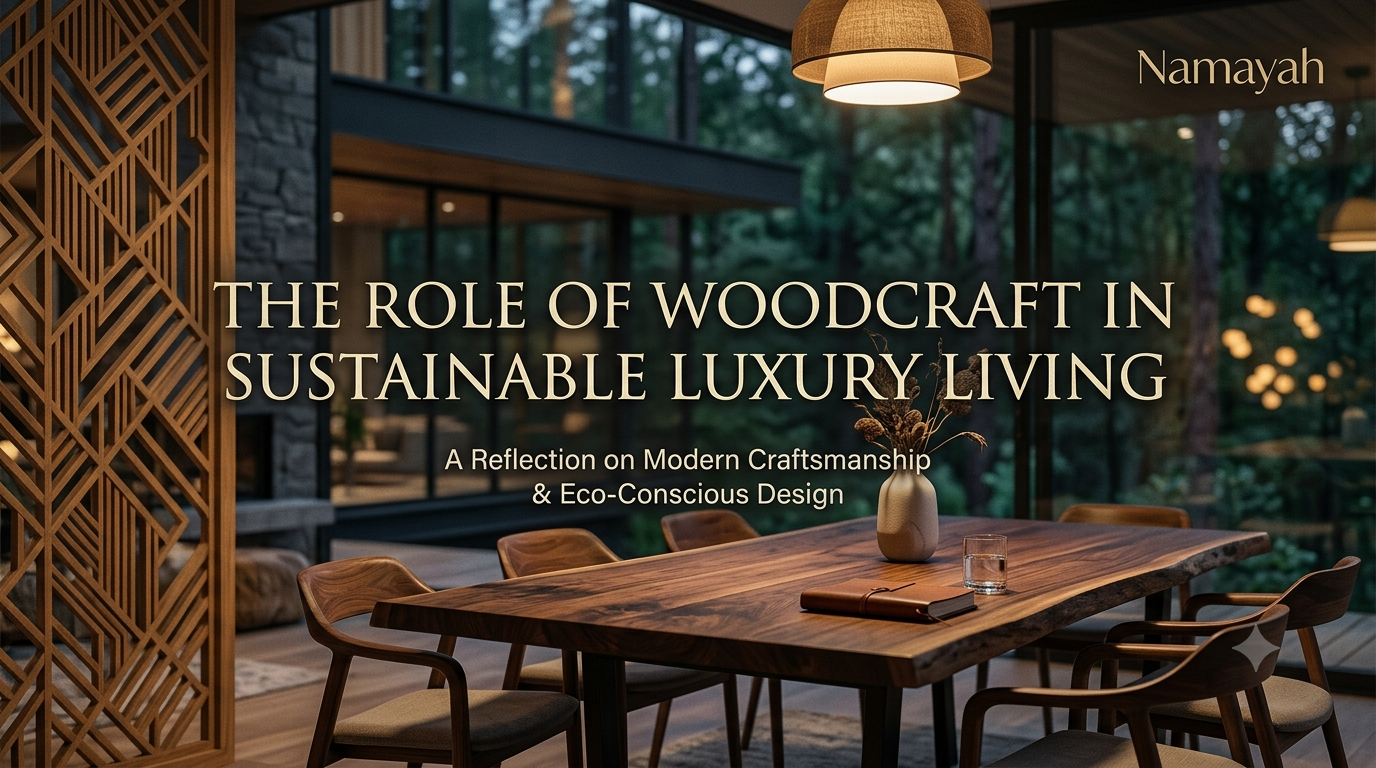
The Role of Woodcraft in Sustainable Luxury Living
Introduction
The Role of Woodcraft in Sustainable Luxury Living has never been more important than it is today. Around the world, homeowners, architects, interior designers, and luxury brands are embracing environmentally responsible materials while maintaining exceptional quality and elegance. Woodcraft represents a perfect balance between timeless beauty and ecological responsibility, making it one of the defining elements of modern sustainable luxury.
Luxury is no longer measured only by price or exclusivity. Today’s discerning consumers increasingly value authenticity, craftsmanship, environmental stewardship, and long-lasting quality. Rather than purchasing disposable furniture or mass-produced décor, many people now invest in handcrafted wooden pieces that tell a story and can last for generations.
Wood has a unique ability to bring warmth, character, and sophistication into any interior. Whether featured in handcrafted dining tables, custom cabinetry, elegant flooring, or artistic wall panels, wood creates an atmosphere that feels both luxurious and inviting.
This article explores how traditional craftsmanship and sustainable forestry practices combine to create environmentally conscious luxury homes. We’ll also examine modern innovations, ethical sourcing, emerging trends, and practical buying advice for anyone seeking beautiful interiors with a smaller environmental footprint.
Understanding Sustainable Luxury Living
Sustainable luxury living combines premium quality with environmental responsibility. Instead of encouraging excessive consumption, this approach emphasizes products that are thoughtfully designed, ethically produced, and built to last.
Modern luxury consumers increasingly prioritize:
- High-quality natural materials
- Ethical sourcing
- Low-carbon manufacturing
- Artisan craftsmanship
- Long product life cycles
- Repairability
- Timeless aesthetics over temporary trends
This shift reflects a broader understanding that genuine luxury should not come at the expense of the planet.
A sustainably designed home often includes renewable materials, energy-efficient systems, locally crafted furniture, and carefully selected décor. Every design decision contributes toward reducing waste while creating spaces that remain beautiful for decades.
Woodcraft naturally fits these principles because it celebrates quality over quantity. A handcrafted wooden dining table, for example, can become a treasured family heirloom instead of being discarded after only a few years.
What Makes Woodcraft a Sustainable Choice?
Wood has served humanity for thousands of years, but modern sustainable forestry practices have elevated its role in environmentally conscious design.
Renewable Materials
Unlike many synthetic materials, responsibly harvested wood is renewable. Trees can be replanted, forests regenerated, and ecosystems carefully managed to maintain long-term biodiversity.
When harvested responsibly, forests continue absorbing carbon dioxide while supplying future generations with valuable timber.
Responsible Forestry
Ethically sourced timber often comes from forests managed under internationally recognized sustainability standards. Certification systems help ensure responsible harvesting, habitat protection, and fair labor practices.
Consumers should look for wood originating from certified sustainable forests whenever possible.
Carbon Storage Benefits
One remarkable environmental advantage of wood is its ability to store carbon throughout its lifespan.
Trees naturally absorb carbon dioxide while growing. Once transformed into furniture or construction materials, much of that carbon remains locked within the wood for decades, helping reduce atmospheric carbon emissions.
Compared with concrete, steel, and many plastics, responsibly sourced timber generally requires less energy during manufacturing.
The History of Fine Woodcraft in Luxury Design
Luxury woodworking has a rich history spanning ancient civilizations through modern architectural masterpieces.
For centuries, master artisans handcrafted furniture for royal families, temples, and prestigious estates. Intricate carvings, carefully selected hardwoods, and exceptional joinery techniques symbolized wealth and refined taste.
Traditional woodworking methods emphasized precision rather than speed. Craftsmen spent months—or even years—perfecting a single piece.
Many historical woodworking techniques remain relevant today because they produce remarkably durable furniture capable of lasting generations.
Modern sustainable luxury embraces these traditions while integrating contemporary environmental standards.
Today’s artisans combine advanced precision tools with centuries-old craftsmanship to create furniture that honors history while supporting sustainability.
Key Benefits of Woodcraft in Sustainable Luxury Living
Timeless Beauty
Wood possesses natural grain patterns that cannot be perfectly replicated by synthetic materials.
Each piece tells its own story through:
- Natural textures
- Organic color variation
- Unique grain formations
- Rich aging characteristics
Unlike many manufactured surfaces that become outdated, natural wood often grows even more attractive with age.
Durability and Longevity
One of the greatest environmental advantages of handcrafted wood furniture is durability.
High-quality wooden furniture often lasts several decades and may even become family heirlooms.
This longevity significantly reduces waste by minimizing replacement purchases.
Well-maintained hardwood furniture frequently outlives cheaper alternatives made from particleboard or plastic composites.
Reduced Environmental Impact
Sustainably produced wood products generally create fewer greenhouse gas emissions than many alternative construction materials.
Additional environmental advantages include:
- Lower manufacturing energy requirements
- Biodegradability
- Repairability
- Recyclability
- Renewable sourcing
- Reduced landfill waste
These characteristics make woodcraft an outstanding choice for environmentally conscious homeowners.
Popular Types of Sustainable Wood
FSC-Certified Timber
Forest certification programs help ensure that timber originates from responsibly managed forests.
Common certified hardwoods include:
- Oak
- Maple
- Walnut
- Ash
- Cherry
These species offer excellent durability while supporting sustainable forestry initiatives.
Reclaimed Wood
Reclaimed timber has become increasingly desirable in luxury interior design.
Instead of harvesting new trees, reclaimed wood is recovered from:
- Historic barns
- Old factories
- Warehouses
- Bridges
- Industrial buildings
Each reclaimed board carries unique textures, weathering patterns, and historical character that cannot be artificially reproduced.
Bamboo and Engineered Wood
Although technically a grass, bamboo grows exceptionally quickly and serves as a highly renewable alternative for flooring, cabinetry, and furniture.
Engineered wood products, when manufactured responsibly, can also improve material efficiency by making better use of harvested timber while maintaining strength and stability.
For more information about sustainable forestry and certification, visit the Forest Stewardship Council: https://fsc.org.
Handmade Woodcraft vs. Mass Production
Choosing between handcrafted woodcraft and mass-produced furniture is more than a design decision—it reflects values about quality, sustainability, and longevity.
The Value of Handcrafted Woodcraft
Artisans invest significant time and skill into each handcrafted piece. Every detail, from selecting the timber to applying the final finish, is carefully considered. This attention to detail often results in furniture that is stronger, more beautiful, and easier to repair over time.
Benefits of handcrafted woodcraft include:
- Superior craftsmanship
- Unique, one-of-a-kind designs
- Longer lifespan
- Easier maintenance and restoration
- Support for local artisans and traditional skills
Unlike factory-made products, handcrafted furniture often becomes more valuable with age, especially when maintained properly.
The Challenges of Mass Production
Mass-produced furniture is designed for speed and affordability. While it may be suitable for short-term use, it often relies on lower-quality materials, synthetic finishes, and manufacturing processes that generate higher levels of waste.
Common drawbacks include:
- Shorter product lifespan
- Limited repair options
- Higher replacement frequency
- Greater resource consumption over time
- Less distinctive design
Investing once in quality woodcraft often proves more sustainable—and more economical—than repeatedly replacing inexpensive furniture.
Applications in Luxury Homes
Woodcraft enhances nearly every room in a luxury residence. Its versatility allows it to complement both traditional and contemporary styles.
Luxury Living Rooms
A handcrafted coffee table, custom shelving, or statement entertainment unit introduces warmth and sophistication into a living space.
Popular woodcraft features include:
- Solid wood media consoles
- Floating shelves
- Accent walls
- Hand-carved decorative panels
- Bespoke bookcases
These elements create inviting interiors while showcasing natural materials.
Elegant Dining Spaces
Dining rooms are among the most popular places to showcase artisan woodcraft.
Solid wood dining tables often become the centerpiece of family gatherings and celebrations. Matching chairs, sideboards, and buffets complete a cohesive, luxurious aesthetic.
Hardwoods such as walnut, oak, and cherry are especially prized for their durability and timeless appeal.
Designer Kitchens
Modern luxury kitchens frequently feature custom wooden cabinetry crafted to maximize both beauty and functionality.
Wood adds warmth that balances sleek stone countertops, stainless steel appliances, and minimalist layouts.
Popular applications include:
- Custom cabinets
- Kitchen islands
- Open shelving
- Breakfast bars
- Pantry storage
Natural wood finishes also create a welcoming atmosphere that never goes out of style.
Bedrooms with Natural Elegance
Wooden bed frames, wardrobes, bedside tables, and dressers bring comfort and serenity to bedrooms.
Because every piece of timber has its own grain and texture, wooden furniture introduces subtle visual interest without overwhelming the space.
Many homeowners choose handcrafted bedroom furniture for its durability and timeless design.
Bathrooms and Spa-Like Retreats
When properly treated, wood can also enhance luxury bathrooms.
Popular choices include:
- Floating vanities
- Wooden mirrors
- Decorative shelving
- Teak shower benches
- Accent wall panels
These features soften hard surfaces like tile and stone, creating a calming spa-inspired environment.
Outdoor Luxury Living
Woodcraft extends beautifully into outdoor spaces.
Examples include:
- Pergolas
- Decking
- Garden furniture
- Outdoor dining tables
- Decorative fencing
Responsibly sourced hardwoods can withstand outdoor conditions while maintaining their beauty for years.
Choosing Ethical Woodcraft Brands
Selecting sustainable woodcraft begins with informed purchasing decisions.
Here are several factors to consider before buying:
Look for Sustainability Certifications
Certification helps verify that timber comes from responsibly managed forests.
Although certification is important, buyers should also ask brands about their sourcing practices, manufacturing methods, and environmental commitments.
Ask About Material Origins
Responsible companies are transparent about where their wood comes from.
Questions to ask include:
- Where was the timber harvested?
- Is it reclaimed or newly harvested?
- How is the forest managed?
- What finishes and adhesives are used?
Transparency builds trust and supports ethical purchasing.
Prioritize Quality Over Quantity
Buying fewer, higher-quality pieces reduces waste over time.
Instead of replacing furniture every few years, consider investing in timeless designs that can adapt to changing interiors.
Support Local Craftspeople
Purchasing from local woodworkers often reduces transportation emissions while strengthening regional economies.
Local artisans may also offer customization options unavailable through mass-market retailers.
Maintaining Wooden Furniture for Generations
Proper care extends the life of handcrafted wood furniture and preserves its natural beauty.
Simple maintenance practices include:
- Dust regularly with a soft cloth.
- Avoid prolonged exposure to direct sunlight.
- Maintain stable indoor humidity levels.
- Clean spills promptly.
- Use coasters and placemats.
- Apply recommended wood oils or finishes when appropriate.
Small scratches can often be repaired rather than replacing the entire piece, making wood one of the most sustainable furnishing materials available.
Future Trends in Sustainable Luxury Living
The future of luxury design is increasingly connected to sustainability, innovation, and craftsmanship.
Several trends are shaping the next generation of woodcraft.
Circular Design
Manufacturers are embracing circular economy principles by designing furniture that can be repaired, refinished, reused, or recycled instead of discarded.
Smart Manufacturing
Advanced technology enables greater material efficiency while reducing waste during production.
Computer-guided cutting systems help maximize timber use, leaving less offcut material.
Biophilic Interior Design
Biophilic design seeks to strengthen the connection between people and nature.
Wood plays a central role by introducing organic textures, natural colors, and calming visual elements into homes and workplaces.
Personalized Luxury
Consumers increasingly prefer custom furniture tailored to their lifestyles and living spaces.
Bespoke woodcraft allows homeowners to express their individuality while investing in durable, meaningful pieces.
Growing Demand for Reclaimed Materials
As environmental awareness grows, reclaimed wood continues to gain popularity.
Its distinctive appearance and reduced environmental impact make it a preferred choice for eco-conscious luxury interiors.
Common Mistakes to Avoid When Buying Woodcraft
Before making an investment, avoid these common pitfalls:
| Mistake | Better Approach |
|---|---|
| Choosing based only on price | Consider long-term value and durability |
| Ignoring wood origin | Ask about sustainable sourcing |
| Buying trendy designs | Select timeless styles |
| Overlooking maintenance | Learn proper care before purchase |
| Assuming all solid wood is sustainable | Verify responsible forestry practices |
Thoughtful purchasing decisions ensure your investment remains beautiful and environmentally responsible for years to come.
Frequently Asked Questions
1. Why is woodcraft considered sustainable?
Woodcraft can be sustainable because responsibly managed forests replenish harvested trees. Additionally, wood stores carbon, requires relatively low manufacturing energy, and can last for decades with proper care.
2. What types of wood are best for luxury furniture?
Popular choices include oak, walnut, maple, cherry, and ash. Reclaimed wood and responsibly sourced hardwoods are also excellent options for sustainable luxury interiors.
3. Is handcrafted furniture worth the investment?
Yes. Handcrafted furniture generally offers better construction, greater durability, unique character, and a longer lifespan than many mass-produced alternatives, making it a cost-effective long-term investment.
4. How can I identify responsibly sourced wood?
Look for products from manufacturers that clearly explain their sourcing practices and use wood from responsibly managed forests. Asking questions about certifications and supply chains can also help.
5. Does wooden furniture require extensive maintenance?
No. Regular dusting, avoiding excessive moisture and sunlight, and occasional refinishing are usually enough to keep quality wooden furniture in excellent condition for many years.
6. Can reclaimed wood be used in luxury homes?
Absolutely. Reclaimed wood is highly valued for its distinctive character, rich history, and reduced environmental impact. It is widely used in luxury furniture, flooring, cabinetry, and decorative features.
Conclusion
The Role of Woodcraft in Sustainable Luxury Living extends far beyond aesthetics. It represents a thoughtful approach to design that values craftsmanship, environmental responsibility, and enduring quality. By choosing responsibly sourced timber, supporting skilled artisans, and investing in furniture built to last, homeowners can create interiors that are both elegant and environmentally conscious.
As sustainable luxury continues to evolve, woodcraft remains one of its most enduring foundations. Its natural beauty, remarkable durability, and renewable qualities make it an ideal material for homes that celebrate both sophistication and sustainability.
Whether you are renovating a single room or designing an entire residence, incorporating handcrafted wooden elements can help create spaces that feel warm, authentic, and timeless. In doing so, you not only elevate your living environment but also contribute to a more sustainable future—one carefully crafted piece at a time.
Learn More: For additional resources on responsible forestry and sustainable wood products, visit the Forest Stewardship Council at https://fsc.org.