
The Role of Craftsmanship in Luxury Interior Design
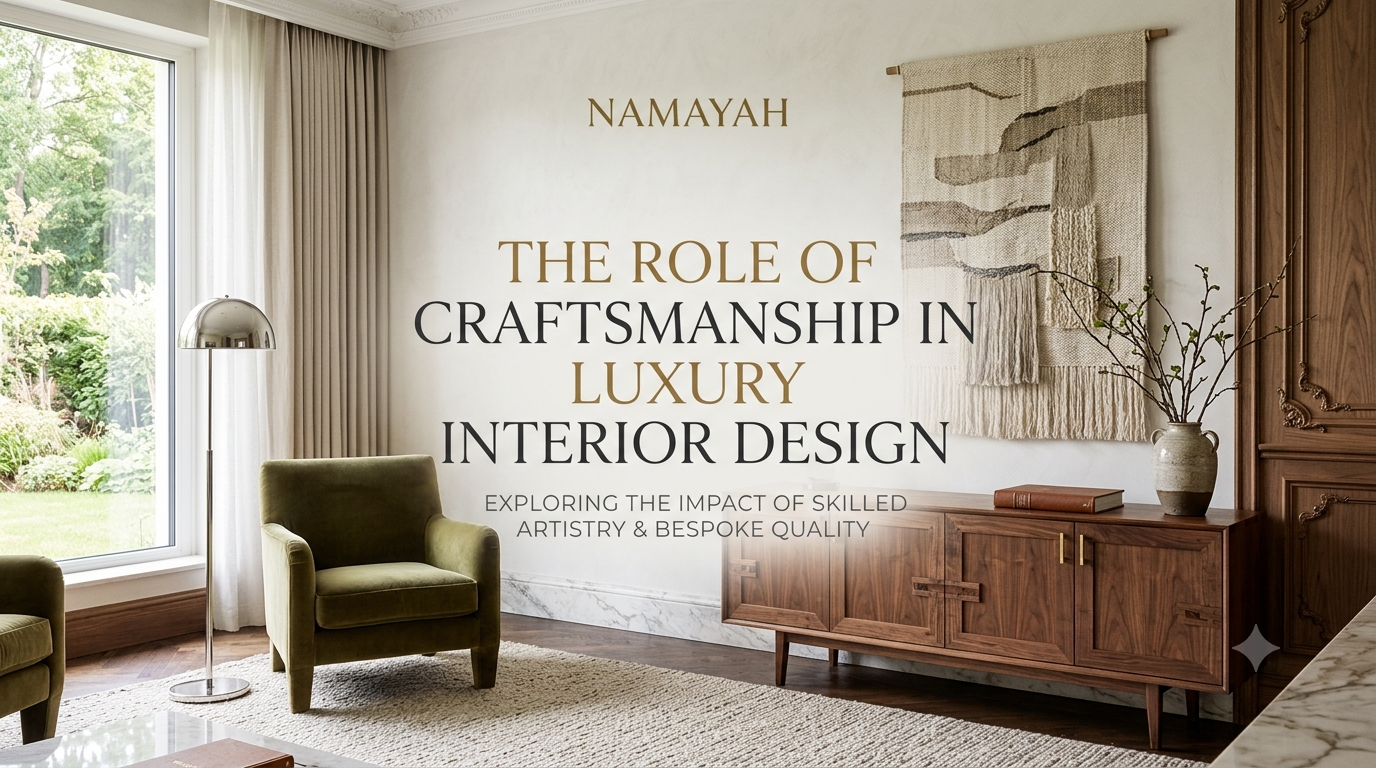
Luxury interior design is about much more than expensive furniture or premium materials. At its heart lies craftsmanship—the skill, dedication, and artistic expertise that transform ordinary materials into extraordinary works of art. Whether it’s a hand-carved wooden staircase, a meticulously upholstered sofa, or custom marble inlay flooring, craftsmanship brings authenticity, exclusivity, and lasting value to every luxurious space.
In an era dominated by mass production, handcrafted interiors have become even more desirable. Homeowners, architects, and interior designers increasingly appreciate the uniqueness and quality that skilled artisans contribute to a project. Every handcrafted detail tells a story, reflecting generations of knowledge and an unwavering commitment to excellence.
This article explores The Role of Craftsmanship in Luxury Interior Design, highlighting why exceptional workmanship continues to define timeless elegance.
Understanding Craftsmanship in Interior Design
Craftsmanship refers to the mastery of creating products by hand or through highly refined techniques requiring exceptional skill and experience. In luxury interior design, craftsmanship extends beyond aesthetics to encompass precision, durability, and artistic expression.
Examples include:
- Hand-carved wood furniture
- Bespoke cabinetry
- Artisan stonework
- Handwoven textiles
- Decorative plaster molding
- Custom metalwork
- Hand-painted murals
- Intricate glass installations
Unlike factory-made products, handcrafted pieces often require weeks or months to complete, resulting in one-of-a-kind creations.
Why Craftsmanship Defines Luxury
Luxury is increasingly measured by exclusivity and quality rather than price alone. Craftsmanship offers both.
Unmatched Quality
Skilled artisans pay close attention to every detail, ensuring each joint, finish, texture, and pattern meets exceptional standards.
Unlike mass-produced furnishings, handcrafted pieces undergo rigorous inspection throughout production.
Attention to Detail
Small details distinguish ordinary interiors from luxurious ones.
Examples include:
- Invisible joinery
- Perfect stitching
- Hand-applied finishes
- Intricate carvings
- Custom hardware
These refined touches elevate an entire room.
Timeless Beauty
Trends change quickly, but expertly crafted interiors remain elegant for decades.
Classic craftsmanship creates designs that age gracefully rather than becoming outdated.
The Importance of Bespoke Furniture
Custom-made furniture represents one of the highest expressions of craftsmanship.
Rather than purchasing standard items, luxury homeowners commission artisans to create pieces tailored specifically to their spaces.
Benefits include:
| Feature | Bespoke Furniture | Mass-Produced Furniture |
|---|---|---|
| Unique Design | ✔ | Limited |
| Premium Materials | ✔ | Often Mixed |
| Perfect Fit | ✔ | Standard Sizes |
| Long-Term Value | High | Moderate |
| Personalization | Unlimited | Minimal |
Each handcrafted piece becomes both functional furniture and collectible art.
Natural Materials Showcase Skilled Craftsmanship
Luxury interiors frequently feature premium natural materials because they allow artisans to demonstrate exceptional skill.
Popular materials include:
- Solid hardwood
- Marble
- Limestone
- Granite
- Bronze
- Brass
- Copper
- Leather
- Silk
- Wool
Each material requires specialized techniques developed over many years.
For example, marble artisans carefully match natural veining patterns to create seamless installations that appear effortless.
Woodworking: A Hallmark of Luxury
Few crafts symbolize luxury like fine woodworking.
Expert cabinetmakers create:
- Libraries
- Wine cellars
- Wall paneling
- Walk-in wardrobes
- Dining tables
- Decorative ceilings
Hand-finished wood possesses warmth and depth rarely achieved through machine production.
The grain, texture, and finish become defining architectural features.
Stone Craftsmanship Elevates Interiors
Natural stone plays a major role in luxury homes.
Highly skilled stonemasons produce:
- Marble staircases
- Fireplace surrounds
- Kitchen islands
- Bathroom vanities
- Mosaic flooring
Modern technology assists cutting, but final detailing still depends heavily on experienced hands.
Metal Artistry Adds Sophistication
Metal craftsmanship creates visual drama while maintaining elegance.
Luxury designers often incorporate:
- Bronze railings
- Brass lighting
- Wrought iron staircases
- Decorative screens
- Sculptural fixtures
Hand-forged metalwork combines engineering with artistic creativity.
Textiles Reflect Exceptional Handcrafting
Luxury interiors rely heavily on handcrafted fabrics.
These include:
- Handwoven rugs
- Embroidered drapery
- Custom upholstery
- Artisan tapestries
- Silk wall coverings
Textile craftsmanship introduces warmth, softness, and richness impossible to replicate through inexpensive alternatives.
The Value of Artisan Collaboration
Luxury interior designers rarely work alone.
Projects involve collaboration among specialists such as:
- Furniture makers
- Ceramic artists
- Glass blowers
- Metalworkers
- Textile designers
- Woodcarvers
- Stone craftsmen
Each artisan contributes unique expertise that enriches the final design.
Sustainability Through Craftsmanship
Interestingly, craftsmanship aligns closely with sustainable design principles.
Handcrafted luxury products generally:
- Last longer
- Require fewer replacements
- Use higher-quality materials
- Generate less waste
- Encourage local production
Investing in durable craftsmanship often reduces long-term environmental impact.
Modern Technology Complements Traditional Skills
Technology has transformed luxury design without replacing craftsmanship.
Today’s artisans combine traditional expertise with advanced tools such as:
- CNC precision cutting
- 3D modeling
- Laser measurements
- Digital visualization
Technology improves accuracy while preserving the handcrafted character of finished products.
Emotional Value of Handmade Interiors
Handcrafted interiors possess emotional significance that factory-made products often lack.
Clients appreciate:
- Personal stories behind each piece
- Human creativity
- Authenticity
- Heritage techniques
- Cultural traditions
These emotional connections increase both sentimental and financial value over time.
Maintaining Luxury Through Proper Care
Exceptional craftsmanship deserves thoughtful maintenance.
Best practices include:
- Regular dusting with soft cloths
- Using appropriate wood conditioners
- Sealing natural stone when recommended
- Protecting fabrics from prolonged sunlight
- Scheduling professional restoration when needed
Proper care ensures handcrafted elements remain beautiful for generations.
The Future of Craftsmanship in Luxury Design
As consumers seek authenticity and individuality, craftsmanship is poised to become even more important.
Emerging trends include:
- Personalized interiors
- Sustainable artisan production
- Heritage-inspired techniques
- Smart homes with handcrafted finishes
- Limited-edition furniture collections
The fusion of innovation and traditional artistry will continue shaping the future of luxury interiors.
Frequently Asked Questions (FAQs)
1. Why is craftsmanship important in luxury interior design?
Craftsmanship ensures superior quality, unique character, durability, and meticulous attention to detail, all of which define luxury interiors.
2. What materials best showcase craftsmanship?
Natural materials such as solid wood, marble, brass, bronze, leather, silk, and natural stone highlight the skills of experienced artisans.
3. Is bespoke furniture worth the investment?
Yes. Bespoke furniture offers personalized design, exceptional quality, and long-term value that often surpasses mass-produced alternatives.
4. How does craftsmanship contribute to sustainability?
Handcrafted pieces typically last longer, reduce waste, and encourage responsible use of premium materials, making them a more sustainable choice.
5. Can modern technology replace traditional craftsmanship?
No. Technology enhances precision and efficiency, but the creativity, expertise, and nuanced finishing of skilled artisans remain irreplaceable.
6. How can homeowners preserve handcrafted luxury interiors?
Routine maintenance, appropriate cleaning methods, protection from environmental damage, and professional restoration when necessary help preserve handcrafted features for decades.
Conclusion
The Role of Craftsmanship in Luxury Interior Design extends far beyond aesthetics. It represents the pursuit of excellence, the celebration of skilled artistry, and the creation of interiors that endure for generations. From bespoke furniture and hand-finished woodwork to artisan textiles and custom stone installations, craftsmanship adds authenticity, individuality, and timeless beauty to every space.
As luxury continues to evolve, one principle remains constant: exceptional interiors are built not only with premium materials but also with the passion, precision, and expertise of talented craftspeople. By investing in handcrafted design, homeowners create environments that are as enduring as they are beautiful.
For further reading on interior design principles and professional standards, visit the American Society of Interior Designers (ASID): https://www.asid.org.