
The Rise of Heritage Luxury in Modern Indian Homes
Introduction to Heritage Luxury
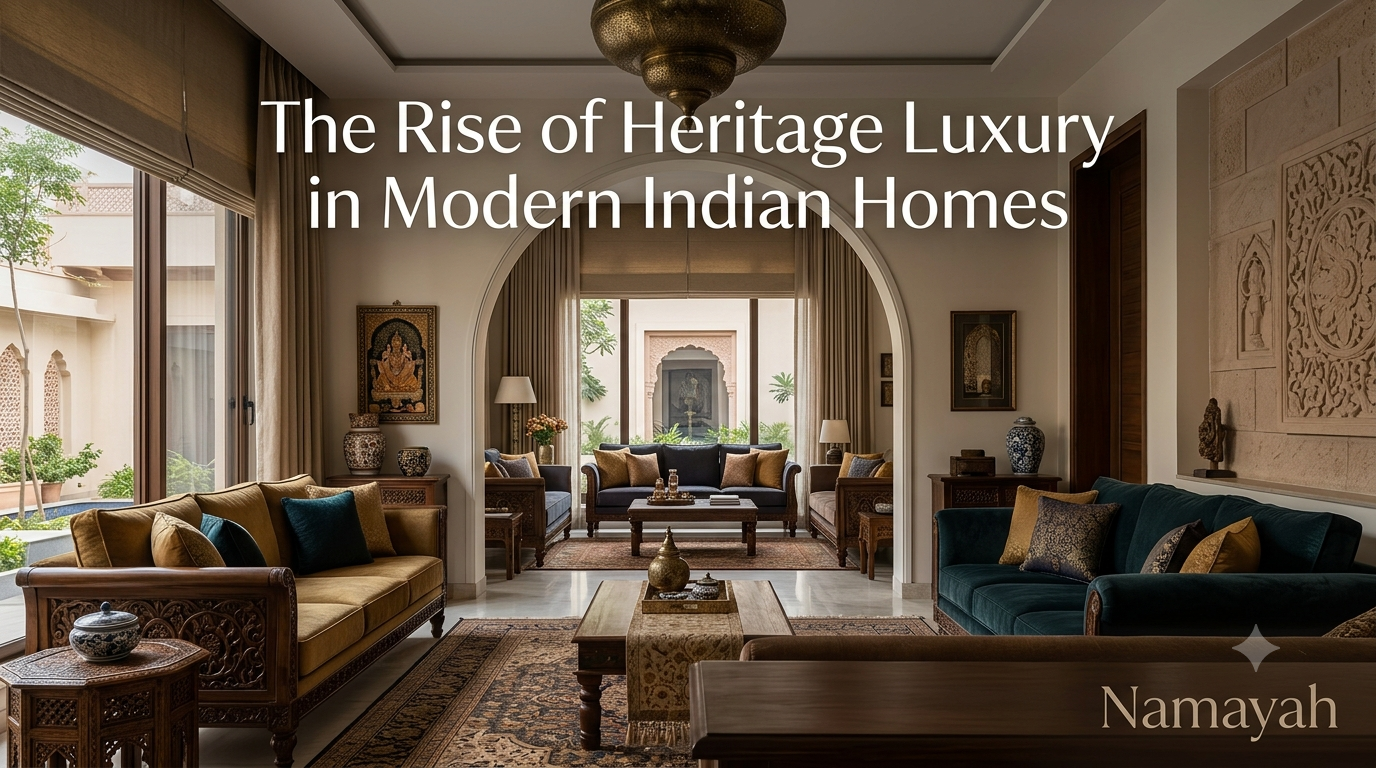
The Rise of Heritage Luxury in Modern Indian Homes represents one of the most exciting transformations in contemporary interior design. Across India, homeowners are rediscovering the beauty of handcrafted furniture, traditional architecture, artisanal décor, and culturally inspired design while combining them with modern comforts and technology.
Instead of choosing purely contemporary interiors, many families are embracing spaces that tell a story. Antique wooden doors, carved pillars, handwoven rugs, brass lighting, natural stone flooring, and traditional artwork are finding a place alongside sleek kitchens, smart lighting systems, and minimalist layouts.
This trend reflects more than changing tastes—it represents a growing appreciation for authenticity, sustainability, and cultural identity. As urban living becomes increasingly standardized, homeowners seek interiors that feel unique and meaningful. Heritage luxury offers precisely that by blending timeless craftsmanship with modern functionality.
Luxury today is no longer defined only by imported materials or expensive brands. Instead, it is increasingly measured by originality, quality, craftsmanship, and emotional value. A handcrafted teak dining table made by skilled artisans may hold greater prestige than mass-produced furniture because of the story, skill, and heritage behind it.
Understanding India’s Rich Design Legacy
India possesses one of the world’s oldest and most diverse design traditions. Every region contributes distinctive architectural styles, materials, crafts, and decorative techniques that continue to inspire modern interiors.
Ancient Craft Traditions
For centuries, Indian artisans have mastered woodworking, stone carving, metal casting, textile weaving, pottery, and intricate inlay work. Many of these skills have been preserved through generations of family craftsmen.
Traditional furniture was built not only for beauty but also for durability. Solid hardwoods such as teak, rosewood, and sheesham created heirloom-quality pieces capable of lasting decades.
Similarly, hand-carved temple doors, intricately designed jharokhas, lattice screens, and carved columns showcased remarkable artistic excellence while serving practical architectural functions.
Today, these heritage elements are carefully restored or recreated to become focal points within modern homes.
Regional Art Forms
India’s cultural diversity allows homeowners to personalize interiors using regional craftsmanship.
Popular influences include:
- Rajasthani carved furniture
- Kashmiri walnut wood craftsmanship
- Chettinad architectural details
- Gujarati mirror work
- Kerala wooden ceilings
- Bengali terracotta art
- Madhubani paintings
- Pattachitra artwork
- Bidri metalwork
- Blue pottery from Jaipur
Rather than overwhelming interiors, designers often incorporate a few carefully selected heritage pieces to create balance between tradition and contemporary aesthetics.
Why Heritage Luxury Is Making a Comeback
Several cultural, economic, and environmental factors are driving renewed interest in heritage-inspired interiors.
Changing Lifestyle Preferences
Today’s homeowners increasingly value personalization over uniformity. Instead of copying international trends, they want homes that reflect family history, regional identity, and personal values.
Heritage luxury creates spaces with emotional depth. A restored wooden swing inherited from grandparents or a handcrafted brass lamp often carries memories that modern mass-produced décor cannot replace.
This emotional connection transforms houses into homes filled with meaning.
Growing Appreciation for Authenticity
Consumers have become more informed about craftsmanship and sustainability. They recognize the time, skill, and artistry required to produce handmade objects.
Unlike factory-made décor, handcrafted heritage pieces often display subtle variations that make every item unique.
This exclusivity has become one of the defining characteristics of modern luxury.
Traditional Materials in Contemporary Homes
One of the strongest aspects of The Rise of Heritage Luxury in Modern Indian Homes is the revival of natural materials.
Wood
Wood remains one of the most admired materials in Indian interiors. Teak, sheesham, mango wood, and reclaimed timber provide warmth, durability, and timeless appeal.
Wood appears in:
- Statement entrance doors
- Ceiling beams
- Dining tables
- Bookshelves
- Four-poster beds
- Window frames
- Decorative wall panels
When paired with neutral walls and modern lighting, these wooden elements create interiors that feel elegant without appearing outdated.
Stone
Natural stone such as marble, sandstone, granite, and Kota stone has long been part of Indian architecture.
Modern designers are reintroducing these materials through feature walls, flooring, countertops, staircases, and outdoor courtyards, combining traditional textures with contemporary layouts.
Brass and Copper
Metal accents have experienced a remarkable revival.
Brass handles, copper vessels, decorative lamps, mirrors, planters, and handcrafted accessories introduce warmth while celebrating Indian craftsmanship.
Unlike highly polished modern finishes, aged brass develops a rich patina over time, enhancing its character and visual appeal.
Handcrafted Furniture as Statement Pieces
Furniture has always played a central role in Indian homes, but today’s homeowners are choosing handcrafted pieces that blend artistry with practicality. Rather than filling every room with matching furniture, designers are using one or two standout heritage pieces to create a sophisticated focal point.
Popular handcrafted furniture includes:
- Intricately carved wooden coffee tables
- Antique chests repurposed as console tables
- Four-poster beds with contemporary linens
- Vintage swings (jhulas) in living rooms or balconies
- Handcrafted dining tables made from reclaimed wood
- Decorative cabinets featuring traditional carvings
These pieces add personality and history while maintaining the clean, uncluttered look favored in modern interiors.
Balancing Old and New
A common misconception is that heritage décor makes a home look dated. In reality, the most successful interiors strike a balance between traditional craftsmanship and modern simplicity.
For example:
| Heritage Element | Modern Pairing |
|---|---|
| Carved wooden console | Minimalist mirror |
| Brass pendant lamp | Neutral walls |
| Antique chest | Contemporary artwork |
| Traditional rug | Modern sofa |
| Wooden swing | Glass partitions |
This combination creates visual interest without overwhelming the space.
Indian Textiles in Luxury Interiors
Textiles are one of India’s greatest artistic treasures. Handwoven fabrics, embroidered linens, and artisan-made rugs bring warmth, texture, and cultural richness to every room.
Luxury homes increasingly feature:
- Handwoven silk cushions
- Cotton throws made on traditional looms
- Block-printed curtains
- Hand-knotted wool rugs
- Embroidered bed linens
- Natural linen upholstery
Layering different textures creates depth while allowing homeowners to celebrate regional craftsmanship in subtle ways.
Regional Textile Traditions
Every state offers unique weaving and embroidery techniques that elevate interiors:
- Banarasi silk accents for elegant living rooms
- Ikat fabrics for contemporary cushions
- Chikankari embroidery for soft furnishings
- Kutch embroidery for colorful décor
- Kalamkari wall hangings as artistic focal points
Using these textiles thoughtfully helps preserve centuries-old traditions while adding timeless beauty to modern homes.
Artisans and Sustainable Luxury
Sustainability has become a defining feature of luxury living. Instead of purchasing mass-produced décor, homeowners increasingly seek products that are ethically made and environmentally responsible.
Supporting local artisans contributes to:
- Preservation of traditional craftsmanship
- Reduced environmental impact
- Employment opportunities in rural communities
- Higher-quality handmade products
- Unique, one-of-a-kind interiors
Handcrafted furniture often uses responsibly sourced wood and natural finishes, while traditional textiles frequently rely on eco-friendly dyes and manual weaving techniques.
Choosing artisan-made pieces is not only an investment in quality but also a meaningful way to support India’s rich cultural heritage.
Blending Modern Architecture with Heritage Elements
Modern homes often feature open floor plans, large windows, and minimalist architecture. Heritage luxury complements these spaces by introducing warmth and character through carefully selected traditional elements.
Minimalism Meets Tradition
Minimalist interiors provide the perfect backdrop for showcasing heritage pieces. A single carved wooden door, antique sculpture, or handcrafted cabinet can become the centerpiece of a room without creating visual clutter.
Designers often recommend following the principle of “less is more.” Rather than filling every corner with traditional décor, choose a few exceptional pieces that stand out.
Smart Homes with Classic Details
Technology and tradition are no longer opposites. Today’s luxury homes combine smart automation with timeless craftsmanship.
Examples include:
- Smart lighting highlighting carved wall panels
- Automated curtains framing handcrafted windows
- Climate-controlled wine cabinets housed in antique-style furniture
- Voice-controlled lighting paired with heritage chandeliers
This seamless integration ensures homes remain functional while preserving their cultural identity.
Regional Influences Across India
One of the most appealing aspects of heritage luxury is its diversity. Every region contributes distinctive styles that inspire contemporary interiors.
North India
North Indian homes often feature:
- Rich wooden carvings
- Brass décor
- Intricate latticework
- Marble flooring
- Traditional carpets
South India
Southern influences include:
- Chettinad architecture
- Teakwood furniture
- Courtyard-inspired layouts
- Temple-inspired columns
- Elegant wooden ceilings
Western India
Western regions contribute:
- Colorful textiles
- Mirror work
- Blue pottery
- Ornate furniture
- Decorative wall art
Eastern India
Eastern India is known for:
- Terracotta artwork
- Handwoven textiles
- Cane furniture
- Artistic wall paintings
- Natural bamboo accents
These regional styles allow homeowners to celebrate their roots while creating truly unique living environments.
Investment Value of Heritage Décor
Unlike many mass-produced furnishings, authentic heritage pieces often appreciate in value over time. Well-crafted furniture, antique décor, and artisan-made accessories become family heirlooms passed from one generation to the next.
Benefits of investing in heritage décor include:
- Long-lasting durability
- Timeless appeal
- Strong resale value for select antiques
- Emotional and cultural significance
- Reduced need for frequent replacements
Because these pieces are built with exceptional craftsmanship, they often remain beautiful and functional for decades.
Design Tips for Homeowners
If you want to incorporate heritage luxury into your home, consider these practical ideas:
- Start with one statement piece, such as a carved console or antique chest.
- Use neutral colors to let heritage elements stand out.
- Mix handcrafted items with contemporary furniture.
- Add traditional textiles for warmth and texture.
- Choose natural materials like wood, stone, and brass.
- Display local artwork that reflects your personal heritage.
- Focus on quality rather than quantity.
- Purchase directly from artisans whenever possible.
These small changes can create a sophisticated home that feels both modern and deeply rooted in tradition.
Common Mistakes to Avoid
While heritage luxury offers endless possibilities, careful planning is essential.
Avoid these common mistakes:
- Overcrowding rooms with too many antique items
- Mixing unrelated design styles without balance
- Ignoring proper lighting for handcrafted details
- Choosing imitation products instead of authentic craftsmanship
- Neglecting maintenance of natural materials
- Sacrificing comfort for appearance
Thoughtful curation ensures that each heritage element enhances the overall design rather than competing for attention.
Future Trends in Heritage Luxury
The future of Indian interior design is likely to embrace even stronger connections between tradition and innovation.
Emerging trends include:
- Sustainable handcrafted furniture
- Reclaimed architectural materials
- Smart heritage homes
- Artisan collaborations with contemporary designers
- Personalized heritage-inspired interiors
- Eco-conscious luxury décor
- Digitally connected artisan marketplaces
As consumers continue to value authenticity, heritage luxury is expected to remain a defining feature of premium Indian homes.
Frequently Asked Questions
1. What is heritage luxury in interior design?
Heritage luxury combines traditional craftsmanship, authentic materials, and cultural design elements with modern architecture and contemporary living.
2. Why is heritage luxury becoming popular in India?
Homeowners increasingly value authenticity, sustainability, personalization, and cultural identity, making heritage-inspired interiors highly desirable.
3. Which materials are commonly used in heritage luxury homes?
Popular materials include teak wood, sheesham, marble, sandstone, brass, copper, natural fabrics, and handcrafted ceramics.
4. Can heritage décor work in small apartments?
Yes. Even a few carefully chosen heritage pieces—such as a carved mirror, handcrafted rug, or antique console—can add character without making a space feel crowded.
5. Is handcrafted furniture worth the investment?
Absolutely. Handmade furniture typically offers superior craftsmanship, durability, uniqueness, and long-term value compared to mass-produced alternatives.
6. How can homeowners support traditional artisans?
Purchasing directly from artisan cooperatives, local craft fairs, and certified handicraft organizations helps preserve traditional skills while supporting local communities.
Conclusion
The Rise of Heritage Luxury in Modern Indian Homes reflects a broader movement toward meaningful, sustainable, and culturally rich living. By combining timeless craftsmanship with contemporary design, homeowners are creating spaces that are elegant, functional, and deeply personal.
Whether through handcrafted furniture, traditional textiles, natural materials, or regional art forms, heritage luxury celebrates India’s remarkable design legacy while meeting the needs of modern lifestyles. It demonstrates that true luxury is not merely about expensive possessions—it is about authenticity, quality, and the stories embedded in every handcrafted detail.
As this design philosophy continues to evolve, it promises to inspire homes that honor the past while embracing the future. For homeowners, designers, and artisans alike, heritage luxury is more than a trend—it is a lasting expression of India’s cultural identity and enduring craftsmanship.
Further reading: Explore the work of the Crafts Council of India at https://craftscouncilofindia.org to learn more about India’s rich craft traditions and artisan communities.