
The Heritage of Indian Wood Carving Traditions
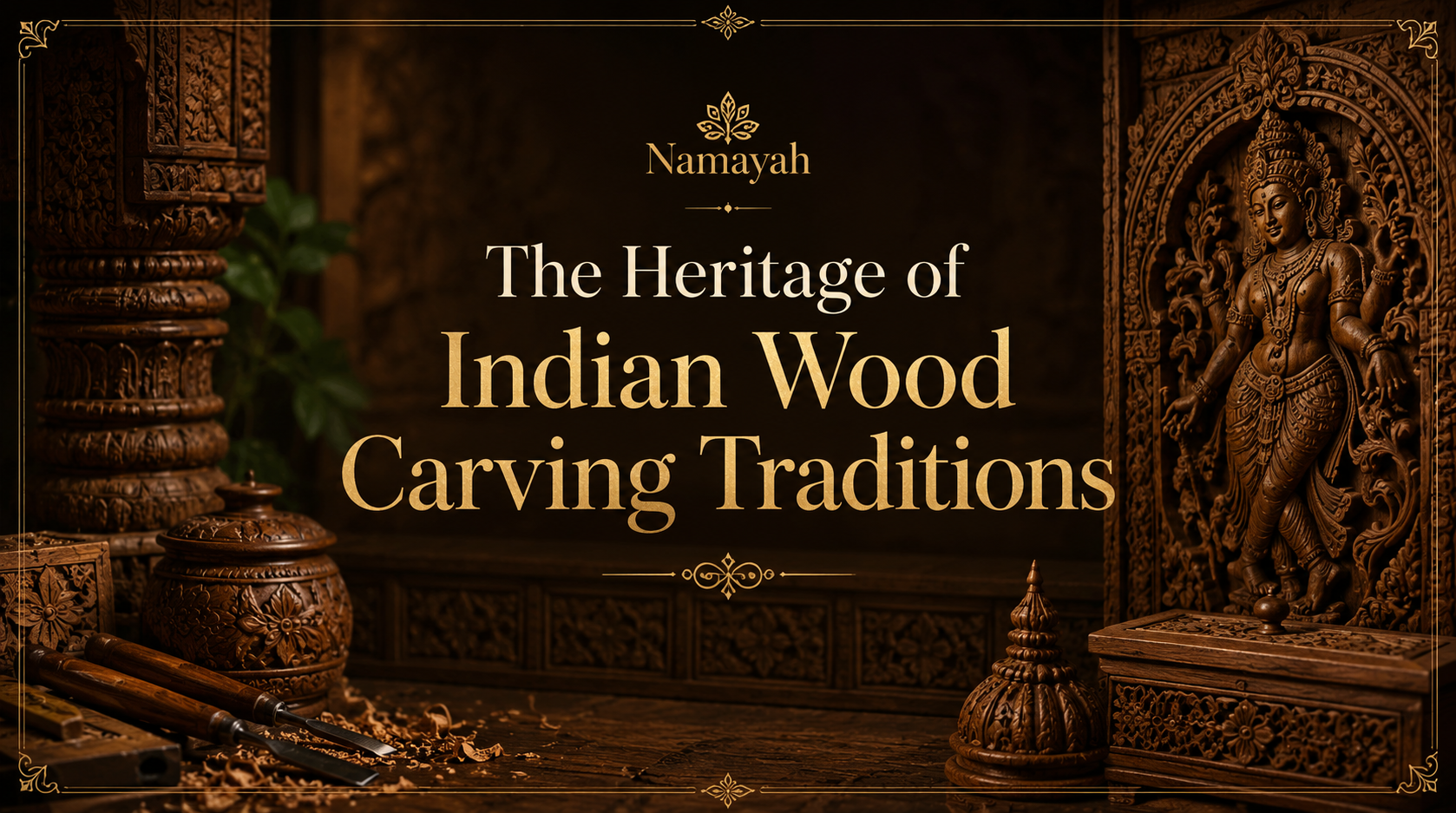
India’s artistic legacy is among the richest in the world, and The Heritage of Indian Wood Carving Traditions stands as a shining example of the country’s creativity, craftsmanship, and cultural depth. For centuries, skilled artisans have transformed ordinary pieces of wood into extraordinary works of art. These carvings tell stories of faith, royalty, daily life, and regional identity.
From the ornate temple doors of Kerala to the delicate walnut wood carvings of Kashmir, Indian wood carving represents a unique blend of artistry and tradition. Today, these crafts continue to inspire designers, architects, collectors, and cultural enthusiasts around the globe.
Introduction to Indian Wood Carving Heritage
Wood carving in India is much more than a decorative craft. It is a cultural expression that has evolved over thousands of years. Artisans have traditionally learned their skills through family lineages, passing techniques and design philosophies from one generation to the next.
Indian wood carving serves both practical and aesthetic purposes. It has been used to create furniture, religious idols, architectural elements, household objects, and ceremonial items. Each piece reflects local customs, beliefs, and artistic influences.
Historical Origins of Wood Carving in India
Early Civilizations and Artistic Expression
The roots of Indian wood carving can be traced back to ancient civilizations. Although wood naturally deteriorates over time, historical records and archaeological findings suggest that wooden structures and decorative carvings existed alongside stone architecture in early Indian settlements.
Ancient craftsmen often used wood to create doors, pillars, chariots, and religious artifacts. Their work demonstrated remarkable skill and attention to detail.
Influence of Dynasties and Kingdoms
Various dynasties significantly contributed to the growth of wood carving traditions. The Mauryas, Guptas, Cholas, Vijayanagara rulers, and Rajputs all encouraged artistic development.
Royal patronage enabled artisans to experiment with increasingly elaborate designs. Temples, palaces, and public buildings became showcases for intricate wooden craftsmanship.
Cultural Significance of Wood Carving
Religious and Spiritual Connections
Religion has played a central role in shaping Indian wood carving traditions. Temples across the country feature carved wooden ceilings, pillars, doors, and statues depicting gods, goddesses, and mythological scenes.
Many carvings are created not merely as decorations but as sacred objects intended to inspire devotion and spiritual reflection.
Symbolism in Traditional Designs
Traditional carvings often contain powerful symbols, including:
- Lotus flowers representing purity
- Peacocks symbolizing beauty and prosperity
- Elephants signifying strength and wisdom
- Vines and foliage reflecting fertility and growth
- Mythological creatures offering protection
These symbols transform decorative artwork into meaningful cultural narratives.
Major Regional Wood Carving Traditions
India’s diverse geography has given rise to several distinct carving styles.
Kashmir Wood Carving
The Kashmir region is renowned for its exquisite walnut wood carvings. Craftsmen create intricate floral motifs, geometric patterns, and decorative panels that reflect Persian and Central Asian influences.
Walnut wood’s durability and fine grain make it ideal for detailed craftsmanship. Kashmiri furniture and decorative items are highly valued internationally.
Gujarat’s Intricate Wooden Architecture
The state of Gujarat is famous for elaborately carved wooden facades, balconies, and pillars. Historic neighborhoods feature homes adorned with stunning architectural woodwork.
Artisans often combine floral designs with geometric patterns, creating visually striking structures that reflect centuries of craftsmanship.
Karnataka’s Rosewood Craftsmanship
Karnataka has developed a rich tradition of rosewood carving. Craftsmen produce furniture, decorative panels, and sculptures featuring intricate scenes from epics such as the Ramayana and Mahabharata.
The dark, rich color of rosewood enhances the beauty of these detailed works.
Kerala’s Temple Woodwork
Kerala is celebrated for its temple architecture. Wooden ceilings, beams, and pillars display remarkable carvings depicting mythological stories and religious symbolism.


6
These structures demonstrate exceptional engineering alongside artistic excellence.
Rajasthan’s Decorative Carvings
Rajasthan is known for ornate wooden doors, furniture, and decorative screens. Bright colors often complement carved surfaces, creating a distinctive regional aesthetic.
Traditional Materials Used by Artisans
The choice of wood greatly influences the final appearance and durability of a carved piece.
Teak Wood
Teak is valued for its strength, resistance to insects, and longevity. It is widely used in architectural and furniture carving.
Sandalwood
Sandalwood is prized for its fragrance and smooth texture. Artisans create highly detailed figurines and decorative objects from this precious material.
Rosewood
Rosewood offers a rich color and fine grain that support detailed carving work.
Walnut Wood
Walnut remains the preferred material for many Kashmiri artisans due to its excellent carving qualities.
Techniques Passed Through Generations
Hand-Carving Methods
Traditional artisans rely on specialized chisels, gouges, mallets, and knives. Every cut requires precision and patience.
Unlike machine production, hand carving allows craftsmen to create unique details that make each piece distinctive.
Relief and Sculptural Carving
Relief carving involves raising patterns from a flat wooden surface. Sculptural carving creates three-dimensional figures and decorative objects.
Both techniques demand years of training and experience.
Decorative Finishing Techniques
Finishing methods may include:
- Natural polishing
- Wax treatments
- Oil finishing
- Lacquer applications
- Hand painting
These processes enhance appearance while protecting the wood.
Wood Carving in Indian Architecture
Temples and Sacred Structures
Throughout India, temple architecture showcases exceptional wood carving skills. Carved doors and pillars often serve as visual narratives of sacred stories.
Palaces and Heritage Homes
Royal residences frequently feature intricate woodwork in ceilings, furniture, balconies, and entranceways. These carvings demonstrate both wealth and artistic sophistication.
The Heritage of Indian Wood Carving Traditions in Modern Times
Today, The Heritage of Indian Wood Carving Traditions continues to evolve. Contemporary designers integrate traditional motifs into modern furniture, interior design, and architectural projects.
Artisans increasingly collaborate with global markets, introducing Indian craftsmanship to international audiences. Handmade wooden décor remains highly sought after for its authenticity and cultural value.
For additional information on India’s cultural heritage, visit the official UNESCO website: https://www.unesco.org
Challenges Facing Traditional Wood Carvers
Declining Artisan Communities
Many young people pursue alternative careers, reducing the number of individuals entering traditional craft professions.
Competition from Machine-Made Products
Mass-produced items often cost less than handmade carvings, making it difficult for artisans to compete on price.
Furthermore, limited access to quality raw materials and changing consumer preferences create additional challenges.
Preservation and Revival Efforts
Government Initiatives
Various government programs support artisans through:
- Skill development training
- Financial assistance
- Market access programs
- Craft exhibitions
- Export promotion initiatives
Role of Cultural Organizations
Museums, heritage institutions, and non-profit organizations help preserve traditional techniques by documenting knowledge and promoting artisan communities.
Educational workshops and cultural festivals also play an important role in sustaining interest in wood carving traditions.
Economic Impact of the Craft Industry
The wood carving sector contributes significantly to local economies. Thousands of artisans depend on carving-related activities for their livelihoods.
Benefits include:
| Economic Benefit | Impact |
|---|---|
| Employment | Supports artisan families |
| Tourism | Attracts cultural visitors |
| Exports | Generates foreign revenue |
| Heritage Preservation | Maintains traditional skills |
| Rural Development | Supports local communities |
As consumer demand for handcrafted products grows, wood carving remains an important economic resource.
Future of Indian Wood Carving Traditions
The future of Indian wood carving depends on balancing tradition with innovation. Digital marketing, online marketplaces, and cultural tourism create new opportunities for artisans.
Sustainable forestry practices and responsible sourcing of wood will also play an increasingly important role. By embracing modern tools while preserving traditional knowledge, artisans can ensure that these remarkable crafts continue to thrive.
Young designers and craftspeople are discovering new ways to reinterpret historic motifs for contemporary audiences, helping maintain relevance in a rapidly changing world.
Frequently Asked Questions
1. What makes Indian wood carving unique?
Indian wood carving is unique because it combines artistic excellence, cultural symbolism, regional diversity, and centuries-old craftsmanship techniques.
2. Which wood is most commonly used in Indian carving?
Teak, sandalwood, rosewood, and walnut wood are among the most commonly used materials.
3. Which region is famous for walnut wood carving?
Kashmir is internationally recognized for its exceptional walnut wood carving tradition.
4. Why is wood carving important to Indian culture?
It preserves cultural heritage, supports artisan communities, and reflects religious, historical, and artistic traditions.
5. Are traditional wood carving techniques still practiced today?
Yes. Many artisans continue to use hand tools and traditional methods passed down through generations.
6. How can consumers support traditional wood carvers?
Consumers can purchase authentic handmade products, visit craft exhibitions, support artisan cooperatives, and promote awareness of traditional crafts.
Conclusion
The Heritage of Indian Wood Carving Traditions represents a living legacy of creativity, devotion, and craftsmanship. From ancient temples and royal palaces to contemporary homes and international galleries, these remarkable carvings continue to captivate audiences worldwide.
As India moves forward in the modern era, preserving these traditions remains essential. Through education, innovation, responsible tourism, and support for artisan communities, future generations can continue to experience the beauty and cultural richness embodied in Indian wood carving. The enduring appeal of this art form serves as a powerful reminder that craftsmanship, when nurtured and respected, can transcend time itself.