
The Heritage Behind Indian Copper Craftsmanship
Introduction to Indian Copper Craftsmanship
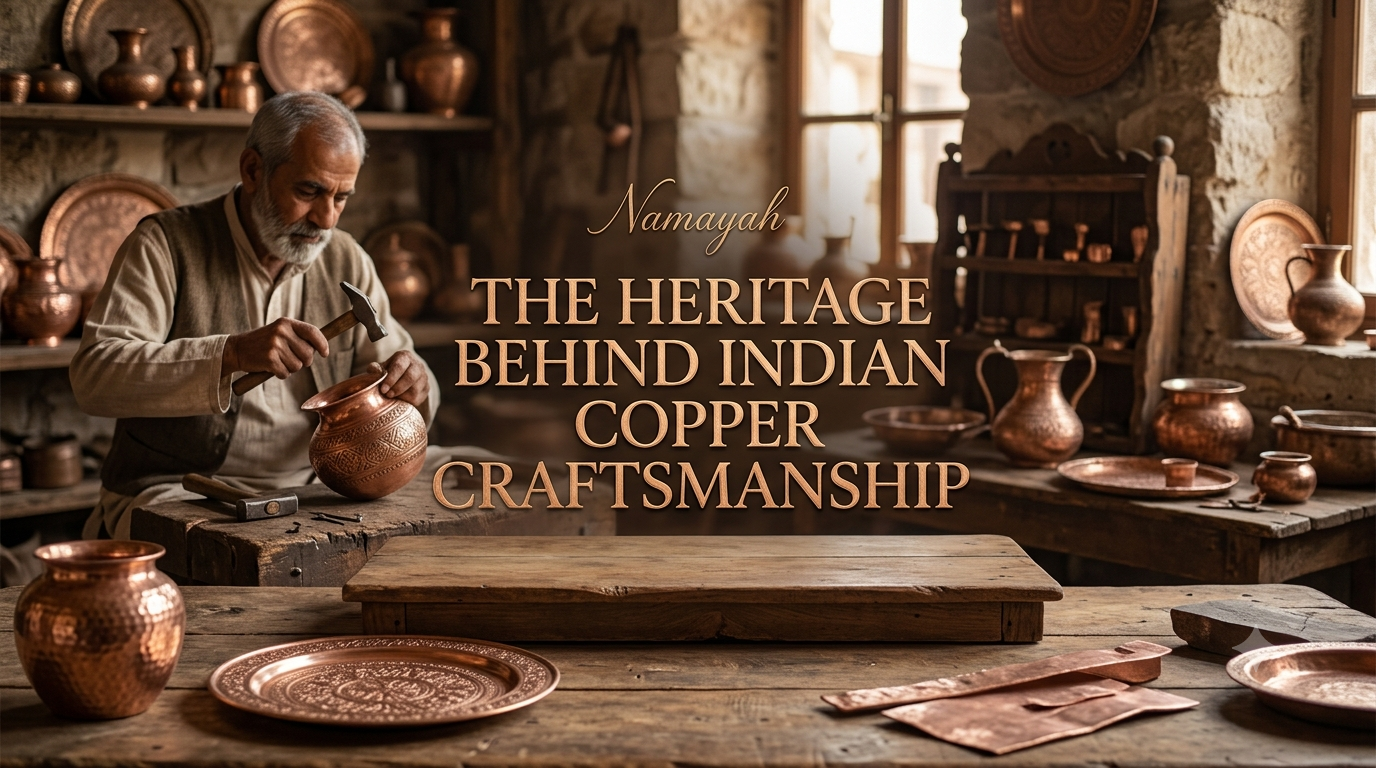
The Heritage Behind Indian Copper Craftsmanship is a story of creativity, resilience, and cultural identity. For thousands of years, Indian artisans have transformed simple copper into beautiful utensils, sculptures, jewelry, temple decorations, and architectural masterpieces. Every handcrafted item reflects generations of knowledge passed from master craftsmen to apprentices.
Today, despite rapid industrialization, handmade copper products continue to symbolize authenticity, sustainability, and artistic excellence. Their enduring appeal lies not only in their beauty but also in the cultural traditions they preserve.
The Ancient Origins of Copper Working in India
India has one of the world’s oldest traditions of metalworking. Archaeological discoveries reveal that copper was widely used as early as the Indus Valley Civilization, making it one of the country’s earliest crafted metals.
Copper in the Indus Valley Civilization
Excavations at Harappa and Mohenjo-daro uncovered copper tools, ornaments, vessels, and ritual objects dating back over 4,000 years. These findings demonstrate the advanced metallurgical skills possessed by ancient Indian communities.
Copper’s durability and workability made it ideal for creating practical tools while also serving decorative and ceremonial purposes.
Copper During the Vedic and Medieval Periods
As Indian civilization evolved, copper gained greater religious and economic importance. Temples commissioned intricate copper idols, ceremonial vessels, and sacred lamps. Royal courts employed master craftsmen to produce decorative works that reflected prosperity and artistic refinement.
Trade routes carried Indian copper goods across Asia and beyond, helping establish India’s reputation for exceptional craftsmanship.
Traditional Techniques Used by Indian Artisans
One reason Indian copper craftsmanship remains admired worldwide is the remarkable skill involved in every handmade piece.
Hammering and Forging
Artisans repeatedly heat and hammer sheets of copper into elegant forms. This demanding process requires precision, patience, and years of practice to achieve perfectly balanced shapes.
Repoussé and Engraving
Repoussé involves creating raised designs by carefully shaping the metal from the reverse side. Craftsmen then enhance these designs with detailed engraving, producing floral motifs, mythological scenes, and geometric patterns that tell visual stories.
Casting and Finishing
Certain decorative objects are created through traditional casting methods before being polished by hand. Finishing techniques may include burnishing, oxidizing, or applying protective coatings that enhance both durability and appearance.
Regional Centers of Copper Craftsmanship
India’s diverse regions have developed distinctive copper-working traditions that reflect local history and culture.
Rajasthan
Known for ornate decorative pieces, temple art, and handcrafted vessels, Rajasthan combines intricate engraving with bold traditional motifs inspired by royal heritage.
Uttar Pradesh
Cities such as Moradabad are internationally recognized for handcrafted metalware. Skilled artisans produce elegant home décor, serving pieces, and artistic sculptures that blend traditional methods with contemporary design.
Maharashtra
Copper vessels used for cooking, storing water, and performing religious ceremonies remain an important part of Maharashtra’s cultural traditions. Many workshops continue to operate using techniques handed down through generations.
Cultural and Religious Importance of Copper
Copper occupies a respected place in Indian traditions. It is commonly used during religious ceremonies, festivals, and temple rituals because it symbolizes purity and positive energy in many cultural practices.
Sacred vessels, lamps, bells, and ceremonial plates are often handcrafted from copper, highlighting the metal’s spiritual significance across different regions of India.
Copper Utensils in Indian Households
For centuries, copper utensils have served practical as well as cultural purposes. Families have traditionally used copper pots, water vessels, and serving dishes during festivals and daily life.
Beyond their attractive appearance, these handcrafted items often become treasured heirlooms passed from one generation to the next, preserving family memories alongside artisanal heritage.
Artistic Copper Décor and Architecture
Indian copper craftsmanship extends far beyond household items. Copper adorns temple domes, palace doors, decorative panels, sculptures, and architectural ornaments.
Many heritage structures feature elaborate copper work that showcases extraordinary artistic vision and technical expertise. Contemporary designers continue drawing inspiration from these traditional designs for modern interiors.
Sustainability and the Revival of Handmade Crafts
Growing appreciation for sustainable living has renewed interest in handcrafted copper products. Handmade items typically emphasize durability, repairability, and timeless design over disposable manufacturing.
Consumers increasingly value authentic artisan-made products that support traditional communities while reducing reliance on mass-produced alternatives.
Challenges Facing Modern Copper Artisans
Despite renewed interest, many artisans face significant challenges:
- Competition from inexpensive factory-made products
- Rising raw material costs
- Limited access to larger markets
- Declining numbers of young apprentices
- Need for improved digital marketing opportunities
Supporting artisan cooperatives, fair-trade initiatives, and heritage preservation programs can help ensure these traditional skills continue to flourish.
Supporting Indian Copper Craftsmanship
Consumers can contribute to preserving this remarkable heritage by:
- Purchasing authentic handcrafted copper products.
- Learning about regional artisan traditions.
- Supporting fair-trade organizations.
- Visiting craft exhibitions and cultural fairs.
- Sharing awareness of India’s rich metalworking heritage.
Every purchase of genuine handmade copper work helps sustain skilled artisans and protects centuries-old traditions.
Frequently Asked Questions
1. Why is Indian copper craftsmanship historically important?
It represents one of the world’s oldest continuous metalworking traditions, dating back over four millennia.
2. Which regions are famous for copper craftsmanship?
Rajasthan, Uttar Pradesh, Maharashtra, and several other states are known for distinctive copper-working traditions.
3. How are traditional copper products made?
They are crafted using techniques such as hammering, forging, repoussé, engraving, casting, and hand polishing.
4. Why is copper used in religious ceremonies?
Copper has long been associated with purity, tradition, and ceremonial significance in many Indian cultural practices.
5. Are handcrafted copper products sustainable?
Yes. Handmade copper items are durable, reusable, repairable, and often produced using traditional low-impact techniques.
6. How can consumers support Indian artisans?
Buying authentic handcrafted products, supporting artisan cooperatives, and promoting traditional crafts help preserve these valuable skills.
Conclusion
The Heritage Behind Indian Copper Craftsmanship is far more than a story of metalworking—it is a celebration of India’s artistic ingenuity, cultural continuity, and enduring traditions. From the ancient settlements of the Indus Valley to today’s artisan workshops, copper has connected generations through craftsmanship, spirituality, and everyday life.
As appreciation for handmade, sustainable products continues to grow, India’s copper artisans have an opportunity to share their remarkable skills with new audiences around the world. By supporting authentic craftsmanship, we help preserve a living heritage that reflects centuries of creativity, dedication, and cultural pride.
For additional information on India’s traditional crafts and heritage, visit the UNESCO website: https://www.unesco.org