
The Growing Popularity of Copperware in Modern Homes
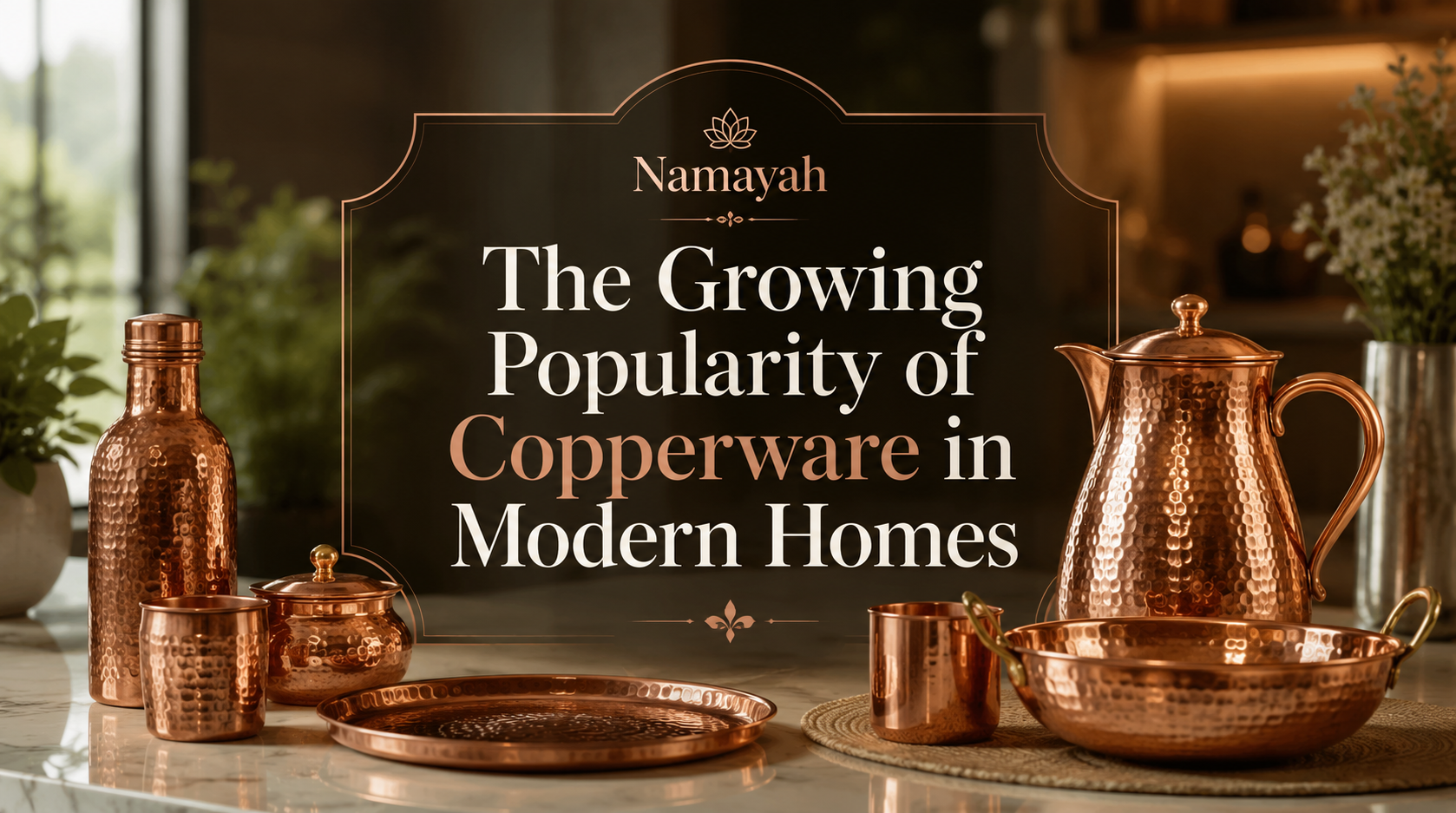
Copperware has made an impressive comeback in today’s homes. Once considered a traditional household material, copper is now celebrated for its combination of beauty, durability, and functionality. From elegant water bottles and cookware to stylish decorative pieces, copperware has become a favorite among homeowners who value both aesthetics and practical living.
The growing popularity of copperware in modern homes is driven by several factors. Consumers are becoming more environmentally conscious, interested in healthier lifestyles, and eager to create warm, sophisticated interiors. Copper effortlessly meets these expectations while adding a timeless charm that few materials can match.
Introduction to Copperware’s Modern Revival
Modern homeowners are moving away from disposable products and embracing items that last for generations. Copperware perfectly fits this trend because it combines craftsmanship, sustainability, and visual appeal.
Whether displayed on open kitchen shelves or used daily for drinking water, copper products create an elegant atmosphere while offering practical benefits. Social media platforms, interior designers, and lifestyle influencers have also played a significant role in popularizing copperware among younger generations.
A Brief History of Copperware
Ancient Civilizations and Copper
Copper has been used by humans for over 10,000 years. Ancient Egyptians, Romans, Greeks, and civilizations in India all recognized copper’s remarkable durability and versatility. It was commonly used for cooking utensils, water storage, ornaments, and tools.
Traditional medicine systems also valued copper for its unique properties, making it a trusted material in everyday life.
Evolution into Contemporary Homes
Today, copperware has evolved far beyond traditional use. Manufacturers combine classic craftsmanship with modern designs, producing sleek cookware, minimalist water bottles, and decorative accessories that complement contemporary homes.
The result is a perfect blend of heritage and innovation.
Why Copperware Is Trending Again
Wellness and Healthy Living
Health-conscious consumers are increasingly interested in natural materials. Many people choose copper water bottles because of traditional wellness practices, particularly those associated with Ayurveda. While some laboratory studies show copper possesses antimicrobial properties, many broader health claims require more scientific research, so it’s best to view copperware as part of a balanced lifestyle rather than a medical solution.
Sustainable Home Choices
Unlike plastic, copper is highly recyclable without losing its quality. Choosing copperware helps reduce waste and supports environmentally responsible living.
Many premium copper products are handmade, further promoting traditional craftsmanship and reducing mass production’s environmental impact.
Luxury Interior Design Appeal
Copper’s warm metallic glow adds elegance to nearly every interior style, including:
- Scandinavian
- Farmhouse
- Modern minimalist
- Industrial
- Rustic
- Contemporary luxury
Its distinctive appearance creates beautiful visual contrast with marble, wood, black cabinetry, and white countertops.
Health Benefits of Using Copperware
Antimicrobial Properties
Scientific studies have shown that copper surfaces can naturally reduce many types of bacteria and microbes. This property has even led to copper being used in some hospitals and healthcare settings.
However, copperware should always be cleaned properly and should not replace safe food handling or water treatment practices.
Traditional Ayurvedic Perspective
Ayurveda has long recommended storing drinking water in copper vessels for several hours before consumption. Practitioners believe this practice supports overall well-being.
While these traditions remain popular, modern scientific evidence for many specific health benefits is still limited. Users should enjoy copperware as part of cultural practices rather than relying on unverified medical claims.
Popular Types of Copperware
Copper Water Bottles
These have become one of the most recognizable copper products. Their attractive appearance and reusable design make them an eco-friendly alternative to disposable plastic bottles.
Copper Kitchen Utensils
Popular examples include:
- Serving spoons
- Ladles
- Mixing bowls
- Measuring cups
- Storage containers
These items combine everyday functionality with timeless beauty.
Copper Cookware
Professional chefs often appreciate copper cookware because copper conducts heat exceptionally well, allowing for precise temperature control. Many copper pots and pans are lined with stainless steel or tin to prevent food from reacting with bare copper.
Decorative Home Accessories
Copper is increasingly featured in:
- Pendant lighting
- Flower vases
- Wall décor
- Planters
- Candle holders
- Table centerpieces
These accents instantly elevate interior spaces.
Copperware in Modern Kitchen Design
Interior designers increasingly recommend incorporating copper as an accent material rather than overwhelming the entire kitchen.
Popular design combinations include:
| Kitchen Style | Copper Feature |
|---|---|
| Minimalist | Copper faucets |
| Farmhouse | Hanging cookware |
| Industrial | Pendant lighting |
| Scandinavian | Decorative bowls |
| Luxury | Copper range hoods |
These subtle additions create warmth while maintaining a clean aesthetic.
Caring for Copperware Properly
Proper maintenance helps copper retain its shine and longevity.
Best practices include:
- Wash by hand using mild soap.
- Dry immediately after cleaning.
- Polish occasionally using a lemon-and-salt mixture or a copper cleaner recommended by the manufacturer.
- Avoid abrasive scrubbers.
- Follow care instructions for lined cookware.
Over time, copper naturally develops a patina. Some people polish it away for a bright finish, while others appreciate its aged character.
Common Myths About Copperware
Myth 1: Copperware Never Needs Cleaning
False. Copper should be cleaned regularly to maintain hygiene and appearance.
Myth 2: All Copper Cookware Is Unsafe
False. Quality copper cookware designed for cooking is typically lined with stainless steel or tin, making it suitable for culinary use when used as intended.
Myth 3: Copper Instantly Heals Diseases
There is no strong scientific evidence that copperware cures diseases. It should not replace professional medical care or prescribed treatments.
Choosing High-Quality Copperware
When shopping, consider:
- Food-grade materials
- Reputable manufacturers
- Appropriate lining for cookware
- Solid construction
- Comfortable handles
- Easy maintenance
- Product warranties where available
Investing in quality ensures better performance and longer lifespan.
Environmental Benefits
Copper is among the world’s most recyclable metals. Recycling copper requires significantly less energy than producing new copper from raw ore.
Benefits include:
- Reduced landfill waste
- Longer product lifespan
- Lower demand for single-use plastics
- Support for sustainable manufacturing
Choosing reusable copper products contributes to a more environmentally conscious household.
Frequently Asked Questions
1. Is copperware safe for everyday use?
Yes, when used according to the manufacturer’s instructions. For cookware, choose products lined with stainless steel or tin. Avoid storing acidic foods in unlined copper containers.
2. Why does copper change color?
Exposure to air causes natural oxidation, creating a patina. This is a normal process and can be polished away if desired.
3. Can copper water bottles replace water purification?
No. Copper bottles are not a substitute for proper water filtration or purification. Always begin with safe drinking water.
4. Is copper cookware better than stainless steel?
Copper offers superior heat conductivity, while stainless steel is generally easier to maintain. Many premium cookware products combine both materials.
5. How often should copperware be polished?
It depends on use and personal preference. Some polish monthly for a bright finish, while others enjoy the natural patina.
6. Is copper environmentally friendly?
Yes. Copper is highly recyclable and can be reused repeatedly without significant loss of quality, making it a sustainable choice.
Conclusion
The growing popularity of copperware in modern homes reflects a broader movement toward products that combine functionality, sustainability, and timeless style. Whether used for cooking, serving, decorating, or everyday hydration, copperware offers a unique blend of tradition and modern design.
By selecting well-crafted products, caring for them properly, and understanding both their benefits and limitations, homeowners can enjoy copperware for many years. As interest in eco-friendly living and enduring craftsmanship continues to grow, copperware is likely to remain a valued feature in modern homes around the world.
Learn more: For additional information about copper and its properties, visit the International Copper Association: https://copperalliance.org/