
The Difference Between Pure Brass and Mixed-Metal Products
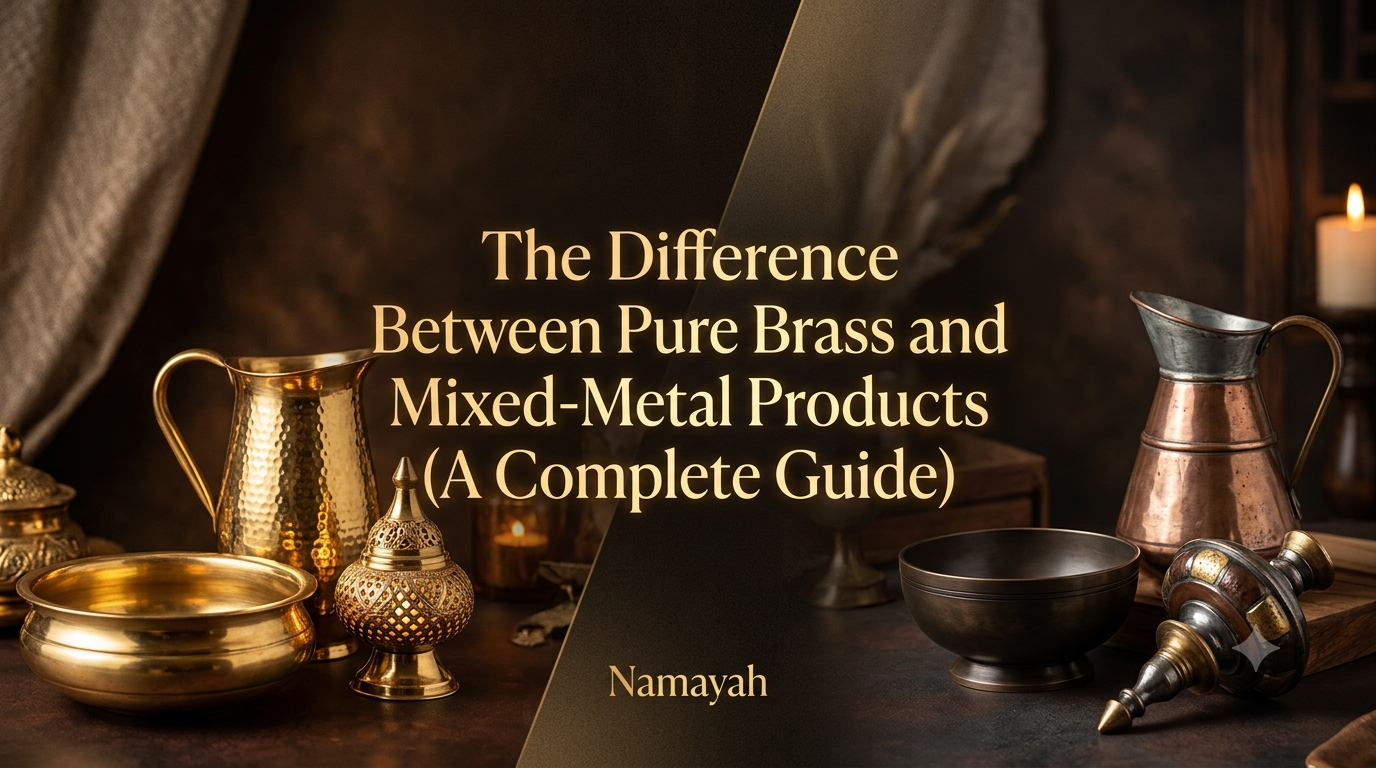
When shopping for home décor, hardware, kitchenware, musical instruments, or industrial components, many buyers encounter products labeled as “brass.” However, not every brass-colored product is made from solid brass. Understanding The Difference Between Pure Brass and Mixed-Metal Products can help you make informed purchasing decisions, avoid misleading marketing, and invest in products that offer the durability and appearance you expect.
Pure brass has been valued for centuries because of its attractive golden color, corrosion resistance, and long service life. Mixed-metal products, on the other hand, combine brass with other metals or use brass plating over less expensive base materials to reduce manufacturing costs.
This comprehensive guide explains the characteristics, advantages, disadvantages, applications, and buying considerations for both options.
Understanding Brass
Brass is an alloy primarily composed of copper and zinc. The exact proportion of these two metals determines the color, strength, hardness, and corrosion resistance of the finished material.
Manufacturers adjust these percentages to create different grades of brass suitable for specific applications.
Common brass products include:
- Door handles
- Decorative hardware
- Plumbing fittings
- Musical instruments
- Lighting fixtures
- Furniture accessories
- Marine hardware
Brass remains popular because it balances beauty, durability, and workability.
What Is Pure Brass?
Pure brass refers to solid brass manufactured almost entirely from copper and zinc without inexpensive base metals serving as the primary structural material.
Although brass itself is technically an alloy rather than a pure element, the phrase “pure brass” generally means solid brass throughout the entire product, not merely a surface coating.
Typical composition:
| Metal | Percentage |
|---|---|
| Copper | 60–70% |
| Zinc | 30–40% |
Some specialty brass alloys also contain very small amounts of:
- Tin
- Iron
- Aluminum
- Manganese
These additions improve certain mechanical properties while maintaining brass characteristics.
Advantages of Pure Brass
- Long lifespan
- Excellent corrosion resistance
- Attractive natural finish
- Easy polishing
- High resale value
- Fully recyclable
- Develops an elegant natural patina
What Are Mixed-Metal Products?
Mixed-metal products combine brass with one or more additional materials. They are often designed to reduce costs while maintaining a brass-like appearance.
Examples include:
- Brass-plated steel
- Brass-plated zinc alloy
- Brass-coated aluminum
- Brass over stainless steel
- Brass combined with cast iron
In many decorative products, only the outer surface contains brass.
The structural integrity comes from another metal beneath the coating.
How Manufacturing Differs
Pure Brass Manufacturing
Solid brass products typically involve:
- Melting copper and zinc
- Alloy creation
- Casting
- Forging
- Machining
- Polishing
- Protective finishing
Because the entire object consists of brass, scratches do not expose another metal underneath.
Mixed-Metal Manufacturing
Mixed-metal items often follow this process:
- Create a base product from steel or zinc.
- Smooth the surface.
- Apply brass plating using electroplating.
- Polish.
- Apply protective lacquer.
This manufacturing method significantly reduces production costs.
Appearance Comparison
At first glance, both materials may appear nearly identical.
However, closer inspection often reveals differences.
| Feature | Pure Brass | Mixed Metal |
|---|---|---|
| Color | Warm golden | May appear brighter |
| Aging | Develops natural patina | Finish may fade |
| Scratches | Brass throughout | Base metal visible |
| Weight | Generally heavier | Often lighter |
| Texture | Rich, dense feel | Depends on base metal |
Pure brass develops character over time, whereas plated products may lose their finish after years of use.
Durability Comparison
One of the biggest aspects of The Difference Between Pure Brass and Mixed-Metal Products is durability.
Pure Brass
Expected lifespan:
- 30–100+ years
Suitable for:
- Heavy-duty hardware
- Architectural fittings
- Outdoor use
- High-end furniture
Mixed Metal
Expected lifespan:
- 5–20 years
Best suited for:
- Decorative pieces
- Budget-friendly fixtures
- Low-wear applications
Heavy use may eventually wear through the brass coating.
Corrosion Resistance
Brass naturally resists rust because it contains no iron.
This makes solid brass ideal for:
- Bathrooms
- Kitchens
- Coastal environments
- Outdoor installations
Mixed-metal products depend largely on the base material.
If the brass plating becomes damaged, exposed steel may rust.
Maintenance Requirements
Pure brass requires relatively simple maintenance.
Recommended cleaning:
- Warm water
- Mild soap
- Soft microfiber cloth
Occasional polishing restores shine if desired.
Some homeowners actually prefer the natural antique patina that develops over time.
Mixed-metal products require greater care because abrasive polishing can remove the brass coating.
Avoid:
- Steel wool
- Harsh chemical cleaners
- Aggressive polishing compounds
Cost Comparison
Price differences reflect both material costs and manufacturing methods.
| Factor | Pure Brass | Mixed Metal |
|---|---|---|
| Initial Cost | Higher | Lower |
| Lifespan | Longer | Shorter |
| Maintenance | Moderate | Low to moderate |
| Replacement Frequency | Rare | More frequent |
| Long-Term Value | Excellent | Moderate |
Although solid brass costs more upfront, it often provides better long-term value due to its durability.
Environmental Impact
Pure brass is highly sustainable.
Benefits include:
- 100% recyclable
- Long service life
- Reduced replacement waste
- High recycled metal content in many products
Mixed-metal products can also be recyclable, but separating bonded metals may be more complex depending on manufacturing methods.
Choosing durable products that last for decades generally reduces environmental impact over time.
Common Applications
Pure Brass Is Commonly Used For
- Premium door handles
- Cabinet hardware
- Luxury faucets
- Marine fittings
- Antique reproductions
- Musical instruments
- Industrial valves
Mixed-Metal Products Are Commonly Used For
- Decorative lamps
- Budget cabinet pulls
- Picture frames
- Furniture accents
- Affordable lighting fixtures
- Interior décor
How to Identify Genuine Brass
Consumers can use several simple methods to distinguish solid brass from plated alternatives.
1. Check the Weight
Solid brass feels noticeably heavier than aluminum or zinc alloy.
2. Use a Magnet
Brass is generally non-magnetic. If a strong magnet sticks firmly, the product may have a steel core. Note that some non-brass metals, such as certain zinc alloys, are also non-magnetic, so this test alone isn’t conclusive.
3. Inspect Scratches
Hidden scratches may reveal a different-colored metal beneath brass plating.
4. Review Product Specifications
Reputable manufacturers clearly state:
- Solid brass
- Brass alloy
- Brass-plated steel
- Brass-plated zinc
5. Compare the Price
Extremely inexpensive “solid brass” products may warrant closer inspection, though price alone is not proof of authenticity.
Common Myths
Myth 1: All Brass-Colored Products Are Brass
False.
Many products simply use brass-colored finishes.
Myth 2: Brass Never Changes Color
False.
Solid brass naturally develops a patina over time, especially when exposed to air and moisture.
Myth 3: Mixed-Metal Products Are Poor Quality
Not necessarily.
Many are well-made and suitable for decorative or light-duty purposes. Quality depends on the design, materials, and intended use.
Myth 4: Solid Brass Is Always Better
Not always.
The best choice depends on your budget, intended application, and expected lifespan.
Frequently Asked Questions (FAQs)
1. Is solid brass worth the extra cost?
Yes, if you value longevity, corrosion resistance, and the ability to refinish the product over many years.
2. Does brass rust?
No. Brass does not rust because it contains no iron, though it can tarnish or develop a natural patina.
3. Can brass-plated products be polished?
Yes, but gently. Excessive polishing can wear away the thin brass layer.
4. How can I tell if something is solid brass?
Check the product specifications, assess the weight, inspect hidden areas for exposed base metal, and use a magnet as one indicator.
5. Which option is better for outdoor use?
Solid brass generally performs better outdoors due to its excellent resistance to corrosion.
6. Are mixed-metal products environmentally friendly?
They can be, especially if designed for durability and recyclability, but solid brass often has a longer service life and is readily recyclable.
Conclusion
Understanding The Difference Between Pure Brass and Mixed-Metal Products empowers you to make smarter purchasing decisions. While both materials have their place, the right choice depends on your priorities. If you need exceptional durability, timeless aesthetics, and long-term value, solid brass is often the preferred option. It withstands years of use, develops an attractive patina, and can be refinished rather than replaced.
Mixed-metal products, however, offer an affordable alternative for decorative or low-wear applications. They can provide the look of brass at a lower cost, making them suitable for projects where budget is a key consideration.
Before buying, read product specifications carefully, examine the construction, and purchase from reputable manufacturers or retailers. Taking these steps will help ensure you receive a product that meets your expectations for performance, appearance, and value.
Further reading: For additional information on copper alloys and material properties, visit the Copper Development Association website.