
The Craftsmanship Behind Hand-Carved Wooden Furniture Accents
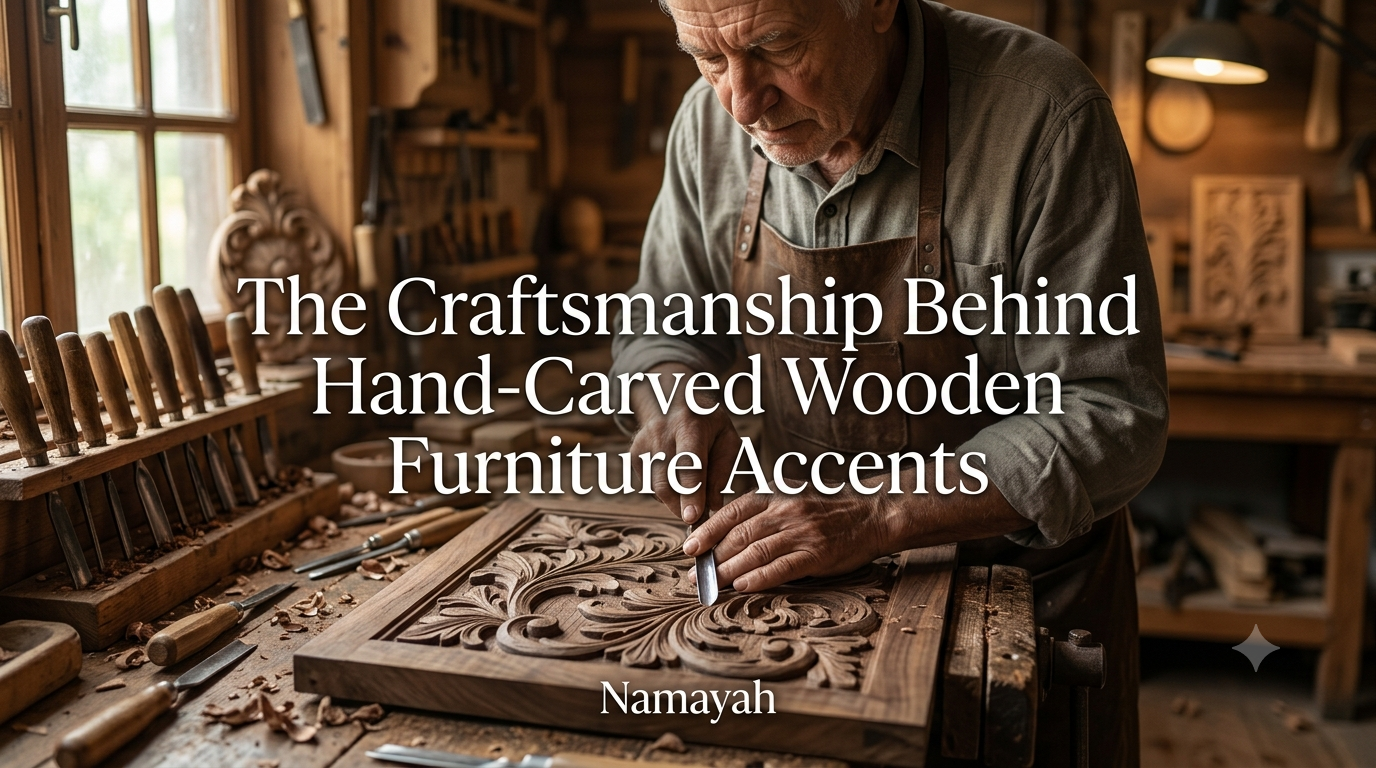
Wood has been one of humanity’s favorite building materials for thousands of years. From ancient temples to modern homes, beautifully carved wooden furniture accents continue to capture attention with their warmth, elegance, and timeless appeal. The Craftsmanship Behind Hand-Carved Wooden Furniture Accents lies not only in the beauty of the finished product but also in the patience, expertise, and artistic vision required to create each unique piece.
Unlike mass-produced furniture, hand-carved wooden accents showcase the personal touch of skilled artisans. Every curve, floral motif, geometric pattern, and decorative edge reflects countless hours of dedication. Whether incorporated into tables, cabinets, chairs, bed frames, mirrors, or decorative wall panels, handcrafted wooden accents transform ordinary furniture into works of art.
This comprehensive guide explores the history, techniques, materials, benefits, and enduring value of hand-carved wooden furniture, helping you appreciate the remarkable artistry behind every handcrafted masterpiece.
Introduction to Hand-Carved Wooden Furniture Accents
Hand-carved wooden furniture accents refer to decorative elements created entirely or primarily by skilled artisans using traditional carving tools. These accents can include:
- Ornamental table legs
- Decorative cabinet doors
- Floral borders
- Intricate drawer fronts
- Sculpted headboards
- Mirror frames
- Wooden wall décor
- Fireplace mantels
- Chair backs
- Architectural trim
Each piece represents a combination of craftsmanship, creativity, and generations of woodworking knowledge.
Unlike machine-carved decorations that often appear identical, handcrafted carvings possess subtle differences that give every item its own personality and charm.
The Rich History of Wood Carving
Ancient Origins
Wood carving has existed for thousands of years. Early civilizations discovered that wood could be shaped not only for practical purposes but also for artistic expression.
Ancient Egyptians decorated furniture with symbolic carvings, while Chinese artisans developed intricate latticework and decorative panels. Across Europe, medieval craftsmen adorned churches, castles, and homes with elaborate wooden sculptures.
Although many early wooden artifacts have not survived due to the natural decay of wood, surviving pieces reveal remarkable skill and attention to detail.
Evolution Across Civilizations
As trade routes expanded, carving styles influenced one another. Persian floral motifs blended with European designs, while Asian woodworking traditions introduced new decorative techniques.
During the Renaissance, furniture carving became increasingly sophisticated, featuring:
- Scrollwork
- Leaves
- Flowers
- Mythological figures
- Animal motifs
- Architectural patterns
These traditions continue to inspire today’s artisans.
What Makes Hand-Carved Wooden Furniture Unique?
Handmade vs. Machine-Made
Machine production prioritizes speed and consistency. Every item looks nearly identical.
Hand carving, however, celebrates individuality.
Even when following the same pattern, two artisans will naturally create slight variations, making every piece truly one of a kind.
The tiny imperfections found in handcrafted work actually enhance its authenticity rather than diminish its value.
Individual Character and Authenticity
Every carved accent tells a story.
The artisan’s tool marks, carving depth, finishing techniques, and artistic interpretation create furniture that feels alive rather than manufactured.
Collectors and homeowners often appreciate these subtle characteristics because they demonstrate genuine craftsmanship.
Popular Types of Wood Used
Selecting the right wood is essential for successful carving.
Oak
Oak is strong, durable, and features prominent grain patterns. It is commonly used for traditional furniture with bold carved details.
Walnut
Walnut is prized for its rich chocolate-brown color and smooth carving properties. It creates elegant furniture with refined details.
Mahogany
Mahogany offers exceptional stability and beautiful reddish hues. It has long been associated with luxury furniture.
Teak
Known for its natural oils and weather resistance, teak performs exceptionally well for both indoor and outdoor carved furniture.
Maple
Maple provides a smooth surface ideal for intricate carvings requiring crisp edges and fine details.
Each wood species contributes its own personality through texture, hardness, grain, and color.
Traditional Wood Carving Techniques
Master craftsmen employ various carving methods depending on the desired design.
Relief Carving
Relief carving creates raised designs while keeping the background flat.
Common subjects include:
- Flowers
- Vines
- Birds
- Religious imagery
- Geometric borders
Chip Carving
Chip carving removes small triangular sections to create decorative geometric patterns.
This technique requires exceptional precision and steady hands.
Whittling
Whittling uses a knife to gradually shape wood into decorative forms.
Although often associated with folk art, skilled whittlers create remarkably detailed designs.
Sculptural Carving
Three-dimensional carving transforms solid wood into lifelike sculptures or elaborate furniture ornaments.
This advanced technique demands years of experience.
Essential Tools Used by Craftsmen
Traditional woodworking relies on specialized tools, including:
- Gouges
- Chisels
- Veiners
- V-tools
- Mallets
- Carving knives
- Rifflers
- Sharpening stones
- Clamps
- Measuring tools
Maintaining razor-sharp edges is critical because dull tools produce rough cuts and reduce carving precision.
The Step-by-Step Crafting Process
Creating hand-carved furniture accents involves multiple stages:
- Selecting premium hardwood.
- Drying and seasoning the wood.
- Sketching the design.
- Rough shaping.
- Detailed carving.
- Fine sanding.
- Applying stains or finishes.
- Protective sealing.
- Quality inspection.
- Final assembly.
This process can take days, weeks, or even months depending on the complexity of the design.
Benefits of Hand-Carved Wooden Furniture Accents
Choosing handcrafted wooden accents offers numerous advantages:
- Unique artistic appeal
- Long-lasting durability
- Timeless elegance
- Increased furniture value
- Sustainable craftsmanship
- Superior attention to detail
- Support for skilled artisans
- Natural beauty that improves with age
These qualities make handcrafted furniture a worthwhile investment for many homeowners.
Popular Decorative Furniture Accents
Hand-carved accents can enhance nearly every room in the home. Popular options include carved coffee table legs, ornate cabinet doors, decorative bed headboards, mirror frames, fireplace mantels, dining chair backs, and wall panels. These details create visual interest while adding warmth and character that mass-produced furnishings often lack.
Mixing carved accents with contemporary furniture can also produce an appealing balance between traditional craftsmanship and modern simplicity.
Choosing Quality Hand-Carved Pieces
When shopping for handcrafted furniture, look beyond appearance. Examine the consistency of the carving, the quality of the wood, and the finish. Fine craftsmanship is reflected in clean lines, smooth transitions, and carefully executed details. Solid hardwood generally offers better longevity than composite materials, and a durable finish helps protect the wood from everyday wear.
Purchasing from reputable artisans or established furniture makers can also provide greater confidence in the authenticity and quality of the work.
Caring for Wooden Furniture Accents
Proper care helps preserve the beauty of carved wood for decades.
Best practices include:
- Dust regularly with a soft microfiber cloth.
- Avoid prolonged exposure to direct sunlight.
- Keep humidity levels relatively stable to reduce the risk of cracking or warping.
- Wipe spills promptly.
- Use wood-specific cleaning products sparingly.
- Apply a suitable furniture wax or polish as recommended for the finish.
Routine maintenance allows carved details to remain crisp and vibrant over time.
Sustainability and Ethical Woodworking
Modern consumers increasingly value sustainability. Many skilled woodworkers now source timber from responsibly managed forests and use reclaimed wood whenever possible. These practices reduce environmental impact while preserving traditional craftsmanship.
Choosing handcrafted furniture made from certified or reclaimed wood can support both artisan communities and responsible forestry.
For more information on sustainable forestry practices, visit the Forest Stewardship Council (FSC): https://fsc.org.
Modern Interior Design Trends
Hand-carved wooden furniture accents fit beautifully into a wide range of design styles, including:
- Traditional
- Rustic
- Farmhouse
- Scandinavian
- Transitional
- Bohemian
- Contemporary
- Luxury interiors
A single carved statement piece—such as an intricately framed mirror or a decorative console table—can become the focal point of an otherwise minimalist room.
Frequently Asked Questions
1. Why are hand-carved wooden furniture accents more expensive?
They require skilled labor, premium materials, specialized tools, and many hours of meticulous craftsmanship, making each piece unique.
2. Which wood is best for intricate carving?
Walnut, maple, and mahogany are popular choices because they balance strength with workability and allow artisans to create fine details.
3. How can I tell if a piece is hand-carved?
Look for subtle variations, crisp detailing, and small tool marks that indicate manual craftsmanship rather than identical machine-produced patterns.
4. Are hand-carved furniture accents durable?
Yes. When made from quality hardwood and properly maintained, they can last for generations.
5. Can hand-carved accents work in modern homes?
Absolutely. Many designers use handcrafted wooden elements to introduce warmth, texture, and visual contrast into contemporary interiors.
6. How should I maintain carved wooden furniture?
Dust regularly, protect it from excessive moisture and direct sunlight, clean spills immediately, and use products designed for wood finishes.
Conclusion
The Craftsmanship Behind Hand-Carved Wooden Furniture Accents is a celebration of artistry, patience, and enduring tradition. Every carefully carved detail reflects the dedication of skilled artisans who transform natural wood into functional works of art. Beyond their visual appeal, these handcrafted accents offer individuality, durability, and a connection to centuries-old woodworking traditions.
Whether you’re furnishing a new home, restoring a cherished heirloom, or searching for a distinctive statement piece, investing in hand-carved wooden furniture accents is an investment in quality, heritage, and timeless design. As trends come and go, the beauty of handcrafted wood remains a lasting reminder that true craftsmanship never goes out of style.