
The Beauty of Hand-Carved Wooden Home Accessories
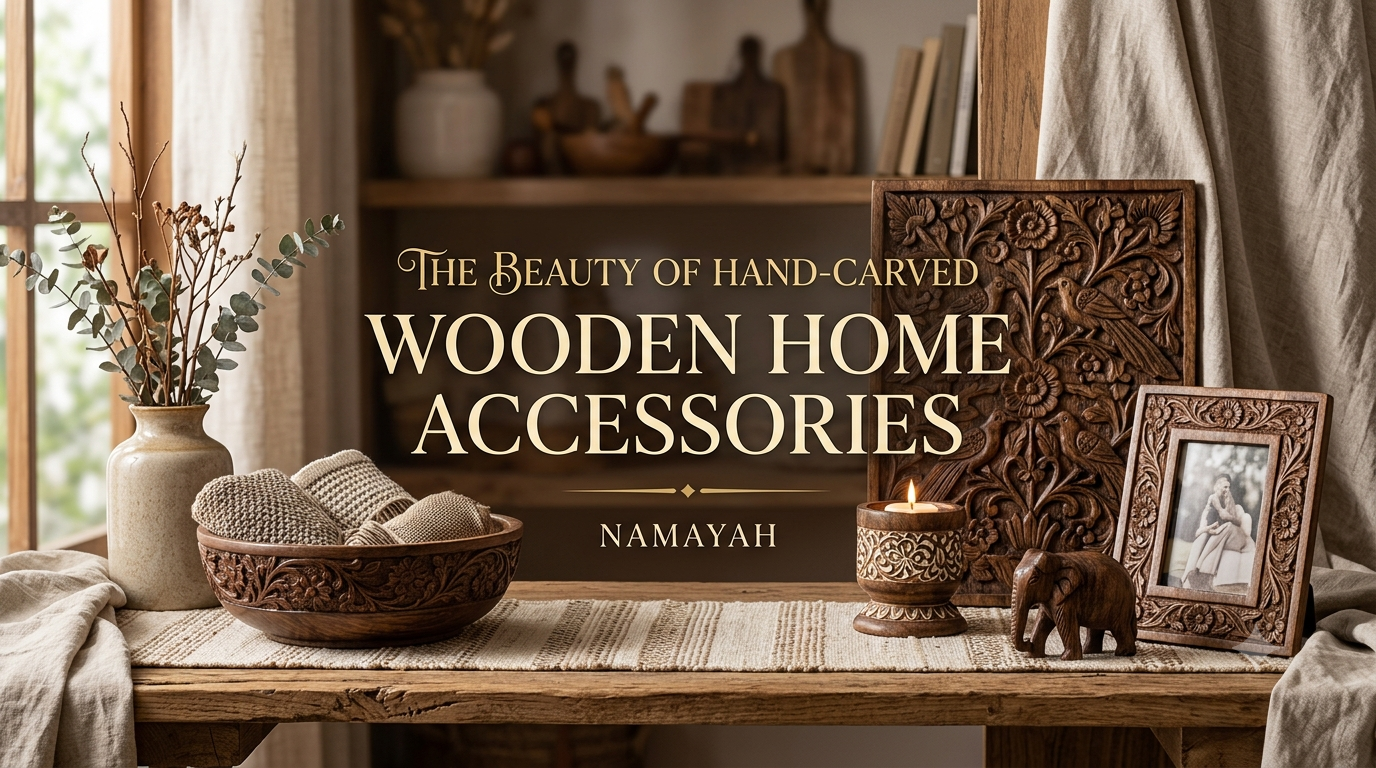
A beautiful home does not always need more furniture or expensive renovations. Sometimes, a few carefully chosen accessories can change the character of a room. Hand-carved wooden home accessories are especially effective because they combine natural material, traditional craftsmanship, texture, and decorative detail in a single piece.
Unlike perfectly uniform factory-made décor, hand-carved wood can show subtle variations in grain, shape, depth, and finish. Those details give an accessory a sense of individuality. At the same time, wood introduces warmth and an organic quality that works with many interior styles.
Interest in artisanal décor has also been growing in contemporary interiors, including Indian homes, where traditional craftsmanship is increasingly being combined with modern design.
What Are Hand-Carved Wooden Home Accessories?
Hand-carved wooden home accessories are decorative or functional objects shaped and detailed by artisans using carving tools and manual techniques.
They can include:
- Decorative bowls
- Serving trays
- Jewelry and keepsake boxes
- Wall panels
- Carved frames
- Sculptures
- Candle holders
- Bookends
- Vases and planters
- Decorative trays
- Small furniture accents
- Traditional figurines
The defining feature is the carved surface. Floral motifs, geometric patterns, botanical forms, cultural symbols, and abstract designs can all be incorporated into wood.
The result can range from subtle texture to highly intricate artwork.
Why Hand-Carved Wood Has Lasting Appeal
The appeal of hand-carved wooden décor goes beyond appearance. It comes from the relationship between material, maker, and finished object.
Every Piece Has Its Own Character
Natural wood is not completely uniform. Grain patterns, knots, tones, and small variations can make individual pieces visually different.
Hand carving adds another layer of individuality. Even when an artisan follows the same design, small differences can occur because the work is performed manually.
These variations should not automatically be viewed as imperfections. In handmade décor, they can be part of the character that distinguishes an artisan-made object from a mass-produced one.
Craftsmanship Adds Visual Depth
Carving creates shadows, highlights, contours, and texture that a flat printed pattern cannot reproduce in the same way.
A carved floral design, for example, can appear different as light moves across its surface. This makes wooden accessories interesting from multiple angles and gives them a stronger presence within a room.
Intricate carved details are also associated with the renewed interest in craftsmanship and heritage-inspired interiors. Recent design coverage has highlighted carved wood and other detailed traditional elements as ways to bring character into contemporary spaces.
Natural Wood Brings Warmth
Wood is naturally associated with warmth and organic texture. A carved wooden object can soften interiors that contain large areas of glass, metal, stone, or smooth manufactured surfaces.
It can also complement neutral color palettes without requiring dramatic changes to the room.
For example, a carved wooden bowl on a minimalist coffee table can introduce texture while maintaining a simple aesthetic.
Popular Types of Hand-Carved Wooden Accessories
There are many ways to introduce carved wood into a home. The best choice depends on whether you want a functional accent, a decorative statement, or both.
Bowls and Trays
Carved wooden bowls and trays are versatile accessories for living rooms, dining areas, bedrooms, and entryways.
Use a shallow carved tray to organize:
- Keys
- Candles
- Small decorative objects
- Coffee-table accessories
- Jewelry
- Seasonal decorations
A decorative bowl can also work as a standalone centerpiece when its carving is detailed enough to attract attention.
Boxes and Organizers
Hand-carved wooden boxes combine storage with decoration.
A small carved box can hold jewelry, keepsakes, stationery, or other everyday items while adding decorative detail to a shelf or dresser.
These pieces can be particularly effective when you want to reduce visual clutter without relying entirely on plastic organizers.
Wall Décor and Panels
Carved wooden wall décor can become a focal point in a living room, bedroom, hallway, or entryway.
A single panel may work better than several small pieces when the carving itself is visually complex. Botanical, geometric, and traditional motifs can provide a strong connection between furniture and architectural details.
Indian interiors, in particular, have a long relationship with carved wooden elements, and contemporary designers continue to reinterpret heritage craftsmanship for modern spaces.
Sculptures and Decorative Objects
Small carved sculptures can add personality without overwhelming a room.
Choose one meaningful object for a console table, bookshelf, sideboard, or open shelf rather than filling every surface. This allows the carving to become a visual feature instead of competing with other decorations.
How to Style Hand-Carved Wooden Décor
The key to styling carved wood is balance.
If the accessory has elaborate carving, pair it with simpler surrounding elements. Plain walls, neutral textiles, and uncluttered furniture can give the carved piece enough visual space.
For example:
Minimalist room: Choose one carved bowl or sculpture as an organic accent.
Traditional room: Combine carved wood with textiles, brass accents, artwork, or other heritage-inspired details.
Modern room: Use one richly detailed wooden object against clean-lined furniture.
Bohemian room: Layer carved wood with woven materials, natural fibers, ceramics, and plants.
Rustic room: Combine wood with stone, linen, leather, and other tactile materials.
The goal is not to make everything match. Instead, use carved wood to introduce contrast and texture.
Hand-Carved Wood in Modern Interior Styles
Hand-carved wooden accessories are not limited to traditional homes.
Contemporary interiors increasingly combine natural materials with modern forms. Current design coverage also points toward renewed interest in darker woods, craftsmanship, organic materials, and statement-making details.
This makes carved wooden accessories useful as transitional pieces.
For example, a modern apartment with clean white walls and streamlined furniture can benefit from a single dark carved wood panel. The contrast creates interest without requiring a complete change in the interior style.
Similarly, a minimalist bedroom can use a carved bedside box or small sculpture to introduce handmade texture.
How to Choose Quality Hand-Carved Accessories
Not every wooden accessory offers the same level of craftsmanship. Before buying, consider several factors.
Examine the Carving
Look at the depth and consistency of the carving. Fine details should generally feel intentional rather than rough or randomly cut.
Study the Wood Grain
Natural grain can be one of the most attractive features of wooden décor. Consider whether the finish enhances or hides the material’s natural character.
Check the Finish
The surface should suit the intended use. A decorative piece may have a different finish from an accessory designed for frequent handling.
Consider the Construction
For boxes, trays, and functional objects, check whether joints, edges, handles, or moving parts feel secure.
Ask About Wood Sourcing
If sustainability matters to you, look for sellers who clearly explain where their wood comes from and what responsible sourcing practices they follow.
However, avoid assuming that every handmade wooden item is automatically sustainable. Environmental benefits depend on factors such as wood sourcing, production methods, finishing materials, transportation, and product longevity.
How to Care for Wooden Accessories
Good maintenance can help preserve the appearance of wooden décor.
Start by keeping carved surfaces free from dust. A soft, dry cloth or suitable soft brush can help reach detailed grooves.
Avoid excessive moisture. Wood is a porous material, and improper cleaning can damage finishes or contribute to staining. Recent professional cleaning guidance also recommends removing dust before cleaning and applying suitable wood-safe products to a cloth rather than spraying directly onto wooden surfaces.
For everyday care:
- Dust regularly with a soft cloth.
- Avoid soaking wooden accessories.
- Wipe spills promptly.
- Keep pieces away from prolonged direct sunlight when appropriate.
- Follow the maker’s care instructions for the specific finish.
- Avoid harsh household cleaners unless the manufacturer specifically recommends them.
Detailed carving deserves extra attention because dust can collect inside grooves and recessed patterns.
Why Artisan Craftsmanship Matters
Buying a hand-carved accessory can mean more than adding decoration to a room.
Traditional woodworking techniques are often connected to local communities, cultural traditions, and individual artisan skills. Contemporary Indian design coverage has noted renewed interest in artisanal craftsmanship as homeowners seek objects that feel more personal and connected to heritage.
That does not mean every handmade product automatically supports artisans fairly or follows sustainable practices. Buyers should look for transparent information about the maker, materials, sourcing, and production process where those considerations matter.
The strongest appeal of handmade décor is its combination of material character and human craftsmanship.
Are Hand-Carved Wooden Accessories Worth It?
For many homeowners, they can be.
The value is not simply in how much decorative space an object occupies. A well-chosen carved wooden accessory can provide texture, warmth, individuality, and a visual connection to craftsmanship.
It can also remain useful for years when the design is timeless and the material is properly maintained.
The best approach is to buy selectively. Instead of purchasing many decorative objects, choose a few pieces that complement your home’s architecture, furniture, and personal style.
A single beautifully carved tray may have more impact than a shelf full of unrelated accessories.
FAQs About Hand-Carved Wooden Home Accessories
What makes hand-carved wooden home accessories unique?
Hand-carved wooden accessories combine natural wood grain with manually created patterns and textures. Small variations in carving and material can give individual pieces a distinctive appearance.
Are hand-carved wooden accessories suitable for modern homes?
Yes. Carved wood can work in minimalist, contemporary, Scandinavian-inspired, rustic, traditional, and eclectic interiors. The key is to balance detailed pieces with simpler surrounding elements.
What are the most popular carved wooden accessories?
Popular options include bowls, trays, decorative boxes, wall panels, sculptures, frames, candle holders, bookends, and small tabletop objects.
Is hand-carved wood sustainable?
It can be, but handmade production alone does not guarantee sustainability. Consider the wood species, sourcing practices, manufacturing process, finish, packaging, transportation, and expected product lifespan.
How should I clean carved wooden décor?
Regularly remove dust with a soft cloth or soft brush. Avoid excessive water and harsh cleaners. For finished wood, follow the manufacturer’s specific care instructions.
Can carved wooden décor be used as a gift?
Yes. Small carved boxes, trays, sculptures, bowls, and decorative objects can make thoughtful gifts for housewarmings, weddings, birthdays, and other occasions.
How do I display carved wooden accessories?
Give detailed pieces enough visual space. A carved bowl can work on a coffee table, while a wall panel can become a focal point. Avoid overcrowding a surface with too many intricate objects.
Why is natural variation important in wooden décor?
Natural variation in grain, tone, and texture can help make a wooden object feel distinctive. In handmade products, minor differences can be evidence of the natural material and manual production process rather than defects.
Conclusion
Hand-carved wooden home accessories bring together natural beauty, craftsmanship, texture, and individuality. Whether you choose a decorative bowl, carved box, wall panel, sculpture, or small tabletop accent, the right piece can make a room feel warmer and more personal.
Their appeal is especially strong when used thoughtfully. Rather than filling a space with decorative objects, select a few pieces whose material, craftsmanship, and design complement the rest of your interior.
As modern interiors continue to embrace natural materials, artisanal details, and more personalized spaces, hand-carved wood offers a timeless way to introduce character without sacrificing functionality.