
The Artisan Journey Behind Every Brass Creation
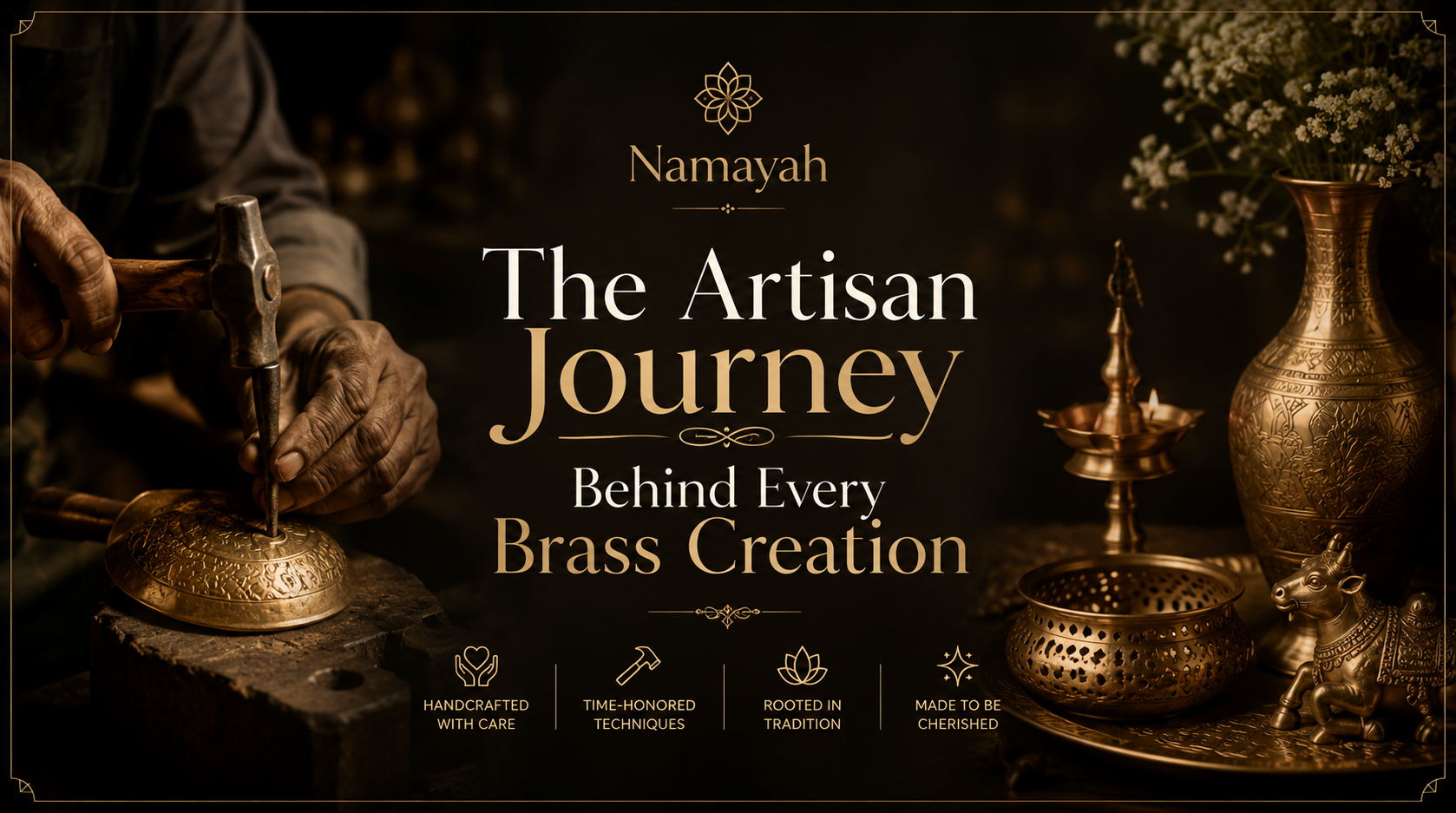
Brass has captivated civilizations for centuries with its golden glow, remarkable durability, and artistic versatility. Whether displayed as elegant home décor, religious idols, decorative bowls, or intricate sculptures, every brass creation tells a story that extends far beyond its polished finish.
The Artisan Journey Behind Every Brass Creation is not simply about shaping metal. It is a fascinating process of preserving traditions, mastering techniques passed through generations, and transforming raw material into meaningful works of art. Every hammer strike, every carved detail, and every polished surface reflects countless hours of dedication, patience, and expertise.
In today’s world of machine-made products, handcrafted brass items continue to hold a special place because they carry the unique touch of human creativity. Behind each finished piece stands an artisan whose experience, precision, and passion breathe life into metal.
This article explores every stage of the artisan journey—from selecting raw materials to the final polish—revealing why handcrafted brass creations remain treasured across homes, temples, galleries, and collectors worldwide.
Understanding the Beauty of Brass
Brass is an alloy primarily made from copper and zinc. Its warm golden appearance has made it one of the most admired metals throughout history. Unlike many decorative materials, brass combines beauty with strength, making it suitable for both artistic and practical applications.
Some of its remarkable qualities include:
- Long-lasting durability
- Corrosion resistance
- Attractive golden shine
- Excellent workability
- Easy maintenance
- Timeless aesthetic appeal
Because of these characteristics, brass continues to be widely used for home décor, furniture accents, lighting, kitchenware, religious artifacts, musical instruments, and architectural elements.
Why Brass Has Been Valued for Centuries
For thousands of years, civilizations have relied on brass for artistic, cultural, and functional purposes.
Ancient craftsmen recognized that brass offered greater strength than pure copper while retaining excellent flexibility for detailed artistic work.
Brass became popular because it could be transformed into:
- Decorative sculptures
- Temple bells
- Religious idols
- Royal ornaments
- Traditional utensils
- Architectural fittings
Even today, handcrafted brass pieces remain symbols of luxury, heritage, and timeless elegance.
The History of Traditional Brass Craftsmanship
The story of brass craftsmanship spans centuries of artistic evolution.
Across different regions, artisans developed specialized techniques that reflected local traditions, cultural influences, and religious beliefs. Families often passed these skills from one generation to the next, preserving unique methods of casting, engraving, and finishing.
These workshops became centers of creativity where apprentices learned not only technical skills but also the values of patience, precision, and respect for the craft. Many of today’s artisans continue to use tools and methods that have changed very little over time, ensuring that each creation remains deeply connected to its cultural roots.
Selecting Premium Raw Materials
Every exceptional brass creation begins with carefully selected raw materials.
Experienced artisans understand that the quality of the alloy directly influences the final product’s durability, appearance, and workability.
Key considerations include:
- Proper copper-to-zinc ratio
- High-purity metals
- Minimal impurities
- Consistent alloy composition
- Reliable sourcing
Some workshops also incorporate recycled brass, helping reduce waste while maintaining high quality through careful refining.
Designing the Masterpiece
Before any metal is melted or shaped, the creative process begins with design.
Artisans often sketch ideas by hand, drawing inspiration from nature, architecture, mythology, and traditional motifs. Modern workshops may also use digital tools to refine proportions while preserving handcrafted authenticity.
The design stage determines:
- Dimensions
- Decorative patterns
- Structural balance
- Functional features
- Artistic style
A well-planned design serves as the blueprint for every step that follows.
Traditional Casting Techniques
Casting is one of the most important stages in The Artisan Journey Behind Every Brass Creation.
The process typically involves:
- Creating a model or pattern.
- Preparing a mold using sand or other traditional materials.
- Melting brass at high temperatures.
- Carefully pouring molten brass into the mold.
- Allowing the metal to cool.
- Removing the rough casting.
This stage requires precision, as even small errors can affect the final piece.
Shaping the Brass by Hand
After casting, artisans begin refining the raw form.
Using hammers, chisels, files, and specialized hand tools, they carefully shape every curve, edge, and contour.
This process may involve:
- Straightening
- Trimming excess metal
- Smoothing surfaces
- Adjusting proportions
- Reinforcing delicate areas
Years of experience enable artisans to achieve remarkable precision without relying solely on machines.
Intricate Engraving and Detailing
Engraving transforms a simple brass object into an artistic masterpiece.
Artisans carve intricate patterns inspired by:
- Floral designs
- Sacred symbols
- Geometric motifs
- Traditional architecture
- Cultural heritage
- Wildlife
Each engraved line reflects the artisan’s steady hand and artistic vision, making every handcrafted piece unique.
Polishing and Surface Finishing
The finishing process enhances both appearance and longevity.
Depending on the desired style, artisans may create:
- Mirror polish
- Antique finish
- Matte texture
- Brushed surface
- Oxidized effect
Multiple rounds of polishing help reveal brass’s natural brilliance while protecting the surface from oxidation.
Quality Inspection
Before reaching customers, every brass creation undergoes careful inspection.
Artisans examine:
- Surface smoothness
- Structural integrity
- Pattern consistency
- Weight balance
- Finish quality
- Overall craftsmanship
Only pieces meeting high standards are approved for sale.
Challenges Faced by Modern Brass Artisans
Today’s artisans balance tradition with changing market demands.
Common challenges include:
- Competition from mass-produced goods
- Rising material costs
- Limited access to skilled apprentices
- Fluctuating global demand
- Preserving traditional techniques
Despite these challenges, dedicated craftspeople continue to uphold the authenticity and quality of handmade brass.
Sustainable Brass Craftsmanship
Sustainability has become an important aspect of modern brass production.
Many workshops embrace environmentally conscious practices such as:
- Recycling brass scrap
- Reducing production waste
- Using energy-efficient furnaces
- Sourcing materials responsibly
- Creating long-lasting products that reduce replacement needs
These efforts support both the environment and the longevity of traditional craftsmanship.
Why Handmade Brass Stands Apart
Handcrafted brass creations offer qualities that machines cannot replicate.
Unique Character
Each piece carries subtle variations that make it one of a kind.
Superior Attention to Detail
Hand-finishing allows for intricate designs and refined craftsmanship.
Cultural Heritage
Every handcrafted object preserves techniques and traditions passed through generations.
Lasting Value
With proper care, brass creations can become cherished heirlooms.
Caring for Brass Products
Maintaining brass is simple with regular care.
Tips:
- Dust frequently with a soft cloth.
- Avoid harsh chemicals.
- Dry immediately after cleaning.
- Polish occasionally with a brass-safe cleaner.
- Store in a dry environment.
- Handle delicate engraved pieces carefully.
Proper maintenance preserves the shine and extends the life of every brass item.
Frequently Asked Questions
1. Why is handcrafted brass more valuable than machine-made brass?
Handcrafted brass reflects skilled workmanship, unique detailing, and traditional techniques that machines cannot fully replicate.
2. Does brass tarnish over time?
Yes. Brass naturally develops a patina, but regular cleaning and polishing help maintain its shine.
3. Is brass environmentally friendly?
Brass is highly recyclable, making it a sustainable material when responsibly sourced and reused.
4. How long does it take to create a handcrafted brass piece?
Depending on complexity, the process can take anywhere from several days to several weeks.
5. Can brass be used for everyday household items?
Absolutely. Brass is commonly used for utensils, hardware, décor, lighting, and decorative accessories.
6. How can I identify authentic handcrafted brass?
Look for subtle variations, detailed craftsmanship, quality finishing, and evidence of hand engraving rather than perfectly uniform machine-made patterns.
Conclusion
The Artisan Journey Behind Every Brass Creation is a testament to patience, creativity, and enduring craftsmanship. From carefully selecting raw materials to the final polish, every stage reflects the dedication of skilled artisans who transform simple metal into timeless works of art.
Choosing handcrafted brass is more than purchasing a decorative object—it is supporting traditional craftsmanship, preserving cultural heritage, and investing in creations designed to last for generations. Each brass masterpiece carries not only beauty and functionality but also the story of the hands that shaped it, ensuring that the legacy of artisan craftsmanship continues to shine for years to come.
External Resource: Learn more about brass as a material from the Copper Development Association: https://www.copper.org