
The Art of Indian Metal Craftsmanship Explained
Introduction
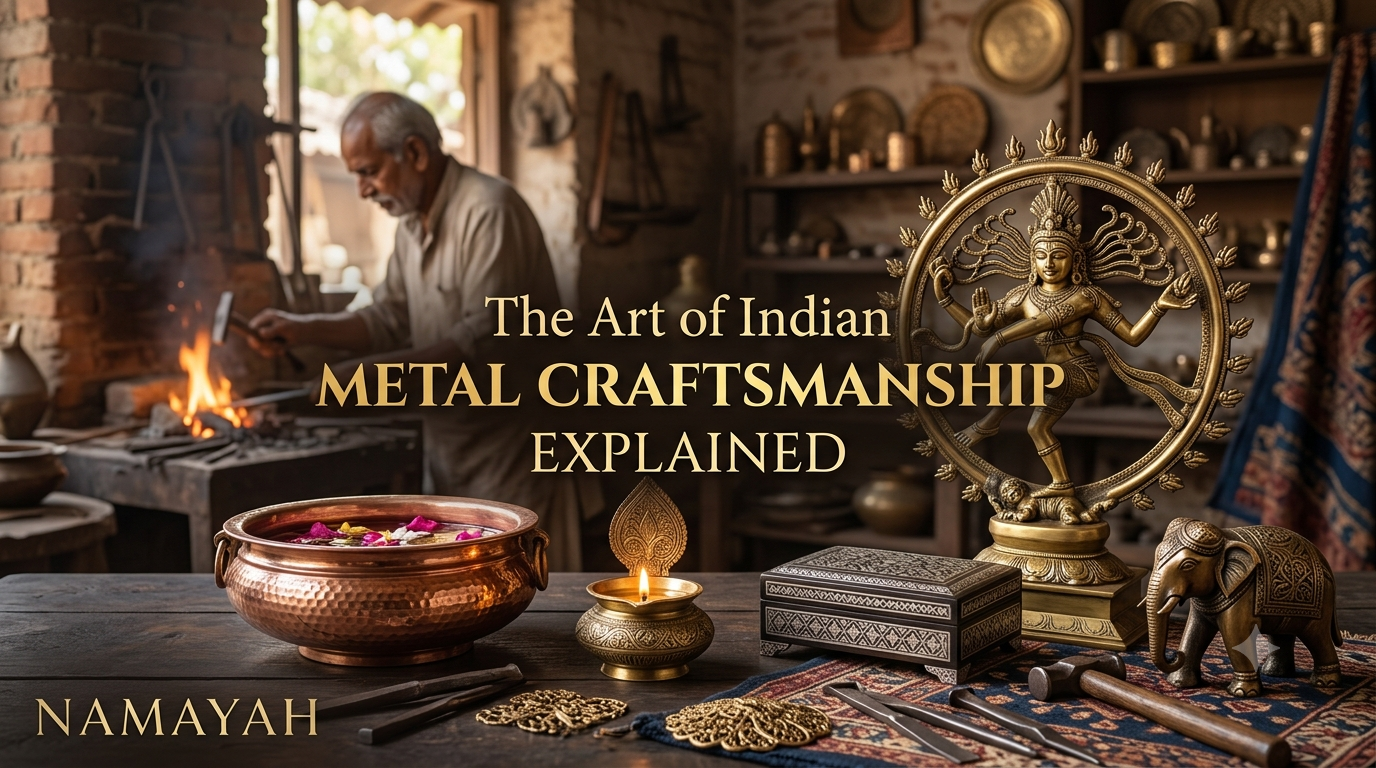
Indian metal craftsmanship is among the world’s oldest continuous artistic traditions. For thousands of years, artisans have transformed bronze, brass, copper, iron, silver, and precious alloys into sculptures, household utensils, jewelry, ritual objects, and architectural decorations. These creations combine artistic excellence with engineering skill and continue to reflect India’s diverse cultural heritage.
Evidence of sophisticated metalworking dates back to the Indus Valley Civilization, where bronze casting techniques produced iconic works such as the famous Dancing Girl of Mohenjo-daro. Over centuries, regional traditions evolved into distinctive styles that remain celebrated today.
A Brief History of Indian Metal Craftsmanship
Metalworking in India stretches back more than five millennia. Archaeological discoveries show that ancient craftsmen mastered copper extraction, bronze casting, and alloy production long before many other civilizations.
Important milestones include:
- Bronze sculptures of the Indus Valley Civilization
- The corrosion-resistant Iron Pillar of Delhi
- Chola dynasty bronze temple sculptures
- Mughal-era engraved and inlaid metalware
- Modern handcrafted decorative and functional metal products
These achievements demonstrate remarkable advances in metallurgy, design, and artistic expression.
Traditional Metals Used by Indian Artisans
Different regions specialize in different metals depending on local resources and traditions.
| Metal | Common Uses |
|---|---|
| Brass | Lamps, utensils, décor |
| Bronze | Sculptures, idols |
| Copper | Religious objects, cookware |
| Bell Metal | Ritual vessels, musical instruments |
| Iron | Tribal sculptures, tools |
| Silver | Decorative items and jewelry |
Each metal offers unique characteristics that influence durability, appearance, and craftsmanship.
Traditional Techniques That Define Indian Metal Art
Lost-Wax Casting
Known as the cire perdue method, lost-wax casting involves sculpting a wax model, covering it with clay, melting the wax, and pouring molten metal into the mold. This technique has been used in India since ancient times and remains central to Dhokra and Chola bronze traditions.
Hammering and Forging
Metal sheets are manually shaped using hammers and anvils to create utensils, decorative pieces, and ceremonial objects. Skilled artisans rely on experience rather than automated machinery.
Engraving and Chasing
Fine chisels create intricate floral, geometric, and mythological designs that enhance both decorative and religious objects.
Inlay Work
Some crafts, particularly Bidriware, combine a dark metal base with silver inlay to produce striking contrast and intricate patterns.
Famous Regional Metal Crafts of India
Dhokra Art
Dhokra is one of India’s oldest surviving tribal crafts. Practiced mainly in Chhattisgarh, Odisha, Jharkhand, and West Bengal, artisans use the lost-wax casting process to create figurines, tribal art, jewelry, and decorative objects. Every piece is individually handcrafted, making each work unique.
Bidriware
Originating in Karnataka, Bidriware features blackened metal surfaces adorned with delicate silver inlay. Floral motifs, geometric designs, and Persian influences make this craft instantly recognizable.
Moradabad Brassware
Often called the “Brass City,” Moradabad in Uttar Pradesh is renowned for producing handcrafted brass home décor, lighting, sculptures, and export-quality decorative items.
Chola Bronze Sculptures
The Chola dynasty elevated bronze sculpture into a refined art form. Using the lost-wax process, artisans created intricate Hindu deity sculptures celebrated for their graceful proportions and expressive detail.
Bastar Wrought Iron Craft
Artisans in Bastar create decorative iron sculptures, animal figures, ritual objects, and wall art using traditional forging techniques, often without welding.
Cultural and Religious Importance
Metal craftsmanship extends beyond decoration. Throughout India, handcrafted metal objects play central roles in:
- Temple worship
- Religious festivals
- Wedding ceremonies
- Household traditions
- Community rituals
Many objects are considered sacred heirlooms and are passed down through generations, reflecting both artistic and spiritual values.
Economic Importance
India’s handicraft sector supports thousands of artisan families, especially in rural and tribal communities. Metal crafts contribute to domestic markets, tourism, exports, and cultural preservation while sustaining traditional livelihoods.
Challenges Facing Indian Metal Craftsmanship
Traditional artisans face several modern challenges:
- Machine-made alternatives
- Rising raw material costs
- Declining apprenticeship
- Competition from mass production
- Limited global visibility for small workshops
Despite these obstacles, government initiatives, craft fairs, cooperatives, and online marketplaces continue to promote handmade Indian metal crafts.
How You Can Support Traditional Artisans
Consumers can help preserve this heritage by:
- Purchasing authentic handcrafted products.
- Buying directly from artisan cooperatives or certified sellers.
- Learning the stories behind regional crafts.
- Choosing handmade items over mass-produced alternatives.
- Sharing awareness of India’s craft traditions.
Frequently Asked Questions
What is Indian metal craftsmanship?
It is the traditional practice of shaping metals such as brass, bronze, copper, iron, and silver into artistic, religious, and functional objects using handcraft techniques.
Which is the oldest Indian metal craft?
Dhokra is widely regarded as one of India’s oldest surviving metal crafts, using the ancient lost-wax casting process.
What is the lost-wax casting technique?
A wax model is coated with clay, the wax is melted away, and molten metal fills the cavity to create a detailed metal object.
Which city is famous for brassware in India?
Moradabad in Uttar Pradesh is internationally recognized for handcrafted brass products.
Why are Chola bronzes important?
They represent one of the finest achievements in Indian sculpture, combining exceptional artistic skill with religious significance.
How can I identify authentic handmade metal crafts?
Look for slight variations in finish, handcrafted detailing, artisan certifications where available, and purchase from reputable craft organizations or established artisans.
Conclusion
Indian metal craftsmanship reflects thousands of years of artistic innovation, technical mastery, and cultural tradition. From the bronze sculptures of the Indus Valley Civilization to the intricate Dhokra figurines, Bidriware, Bastar ironwork, and Chola bronzes, each regional tradition tells a story of skilled artisans preserving knowledge across generations. Supporting authentic handmade metal crafts not only helps sustain these livelihoods but also safeguards one of India’s most enduring artistic legacies.