
The Art of Creating Handmade Copper Masterpieces
Introduction to Handmade Copper Craftsmanship
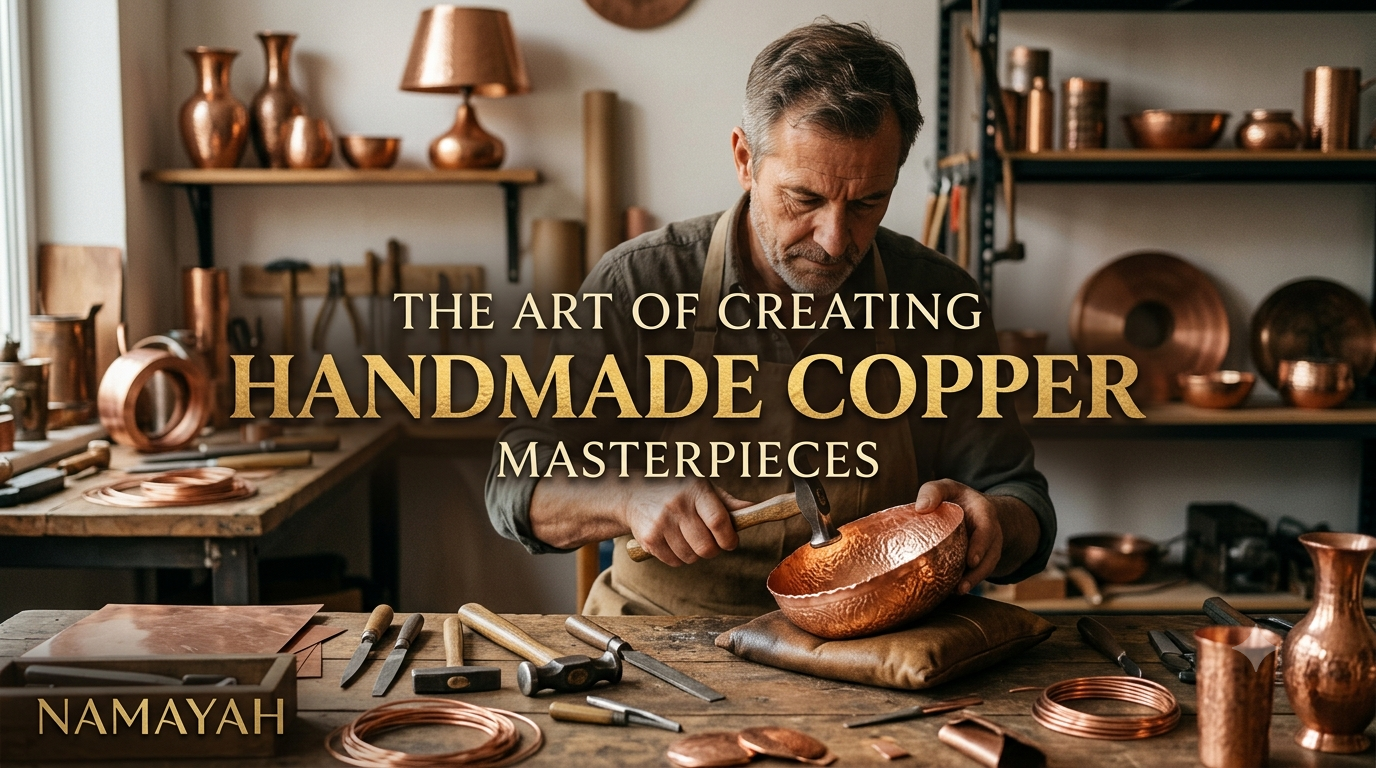
The Art of Creating Handmade Copper Masterpieces represents a tradition that combines creativity, patience, and exceptional skill. For thousands of years, artisans have transformed raw copper into decorative objects, practical household items, architectural elements, and works of art that reflect culture, craftsmanship, and personal expression.
Unlike mass-produced products, handmade copper creations possess individuality. Every hammer strike, engraved detail, and polished finish tells a story about the artisan’s dedication. Small imperfections often become defining characteristics, making each piece one of a kind.
Today, handcrafted copper products remain popular among homeowners, collectors, interior designers, and businesses seeking unique décor with timeless appeal. Whether displayed as wall art, decorative bowls, lighting fixtures, or custom sculptures, handmade copper continues to capture attention through its warmth and elegance.
The Rich History of Copper Art
Copper is one of humanity’s oldest worked metals. Archaeological discoveries reveal that ancient civilizations used copper thousands of years before modern manufacturing techniques existed.
Ancient Civilizations and Copper
Ancient Egyptians crafted jewelry and ceremonial objects from copper. Mesopotamian artisans produced tools and decorative pieces, while Greek and Roman craftsmen expanded copperworking into architecture, sculpture, and household goods.
Copper also played an important role in Asian, African, and South American cultures, where artisans developed regional styles that remain influential today.
Evolution of Copper Craftsmanship
As metalworking techniques evolved, artisans introduced engraving, repoussé, chasing, embossing, and intricate decorative finishes. These methods transformed copper into artistic masterpieces while preserving its practical uses.
Modern artisans continue to honor these traditional methods while incorporating contemporary designs and innovative finishing techniques.
Why Copper Remains a Favorite Material
Copper offers a unique balance of beauty and functionality that few materials can match.
Durability and Beauty
Copper develops a distinctive character over time. Fresh copper displays a bright reddish-orange glow, while exposure to air gradually creates a rich brown tone or the famous green-blue patina found on historic buildings.
This natural aging process enhances rather than diminishes its appearance.
Other benefits include:
- Exceptional durability
- Corrosion resistance
- Attractive natural finish
- Excellent workability
- Long lifespan
Sustainability and Recyclability
Copper is among the world’s most recyclable metals. Nearly all copper can be reused without losing quality, making handcrafted copper art an environmentally responsible choice.
Many artisans even incorporate recycled copper sheets into their projects, reducing waste while preserving valuable resources.
Essential Tools Used by Copper Artisans
Creating exceptional copper artwork requires specialized tools and careful craftsmanship.
Hand Tools
Common tools include:
| Tool | Purpose |
|---|---|
| Ball-peen hammer | Texturing and shaping |
| Chasing hammer | Detail work |
| Wooden mallet | Gentle forming |
| Metal shears | Cutting sheets |
| Files | Smoothing edges |
| Burnishers | Polishing |
| Punches | Decorative impressions |
| Chisels | Engraving |
Each tool contributes to the final appearance of the finished artwork.
Safety Equipment
Professional copper artisans prioritize safety by using:
- Safety glasses
- Leather gloves
- Dust masks
- Ear protection
- Heat-resistant aprons
- Proper ventilation
These precautions help ensure a safe and productive workshop.
Understanding Different Types of Copper
Not all copper is identical. Choosing the right material is essential for achieving the desired artistic result.
Pure Copper
Pure copper is soft, flexible, and easy to shape. It is commonly used for:
- Decorative panels
- Bowls
- Sculptures
- Jewelry
- Wall art
Copper Alloys
Copper is often combined with other metals to create alloys such as bronze and brass. These materials offer increased hardness, unique colors, and specialized applications.
The Art of Creating Handmade Copper Masterpieces Through Traditional Techniques
Master artisans rely on centuries-old methods to transform simple copper sheets into breathtaking works of art.
Hammering
Hammering is one of the oldest metalworking techniques. Controlled hammer strikes shape the metal while creating decorative textures that reflect light beautifully.
Different hammer heads produce unique surface effects ranging from smooth finishes to intricate patterns.
Repoussé and Chasing
Repoussé involves shaping designs by hammering from the back of the metal sheet, creating raised forms. Chasing refines these details from the front, adding definition and texture.
Together, these complementary techniques produce stunning three-dimensional artwork often seen in decorative panels, religious artifacts, and ornamental plaques.
Engraving
Engraving uses fine chisels and specialized tools to carve intricate lines, motifs, or personalized inscriptions into the copper surface. Skilled engravers create everything from floral patterns to geometric designs and custom monograms.
Patina Finishing
Patination is the process of intentionally altering the copper’s surface color through controlled chemical reactions. Artisans can achieve shades of brown, green, blue, and black, enhancing depth and visual interest while protecting the metal.
Designing Handmade Copper Artwork
Every successful copper piece begins with thoughtful planning.
Sketching Ideas
Artists typically start by sketching concepts, considering proportions, balance, and intended function. Detailed drawings help visualize the final piece and identify potential challenges before work begins.
Choosing Patterns
Patterns may draw inspiration from:
- Nature
- Traditional cultural motifs
- Geometric designs
- Architectural elements
- Modern abstract art
The chosen design influences the techniques, tools, and finishing methods used throughout the project.
Step-by-Step Copper Crafting Process
Creating a handmade copper masterpiece generally follows these stages:
- Select the appropriate copper sheet or material.
- Develop a detailed design or template.
- Cut the copper to the desired shape.
- Anneal the metal with heat if additional flexibility is needed.
- Shape and form the piece using hammers and stakes.
- Add decorative details through repoussé, chasing, or engraving.
- Smooth rough edges and refine the surface.
- Apply polishing or patina finishes.
- Seal the piece, if desired, to preserve its appearance.
- Conduct a final inspection before presentation or installation.
Each stage requires patience, precision, and an eye for detail.
Common Handmade Copper Products
Copper artisans create a wide variety of functional and decorative items, including:
- Wall sculptures
- Decorative bowls
- Kitchenware
- Sinks
- Light fixtures
- Garden ornaments
- Architectural accents
- Jewelry
- Fire pits
- Custom signage
These products combine artistic beauty with everyday practicality.
Benefits of Handmade Copper Decorations
Handcrafted copper décor offers several advantages:
- Unique, one-of-a-kind designs
- Long-lasting durability
- Timeless aesthetic appeal
- Natural antimicrobial properties
- Sustainable material choice
- Excellent investment value
- Compatibility with both traditional and modern interiors
Because no two handmade pieces are exactly alike, they often become cherished heirlooms passed down through generations.
Caring for Handmade Copper Pieces
Proper maintenance helps preserve the beauty of copper artwork.
Recommended care practices include:
- Dust regularly with a soft cloth.
- Avoid abrasive cleaners that may scratch the surface.
- Use mild soap and warm water for routine cleaning.
- Dry thoroughly after washing.
- Polish only when a bright finish is desired.
- Allow natural patina to develop if preferred.
- Store in a dry environment to minimize unwanted oxidation.
Routine care ensures that handmade copper creations remain beautiful for decades.
Choosing Authentic Handmade Copper Art
When purchasing handcrafted copper pieces, look for indicators of genuine craftsmanship:
- Visible hand-tool marks
- High-quality finishing
- Solid construction
- Artisan signatures or certificates
- Original designs rather than mass-produced patterns
- Reputable makers with positive customer reviews
Buying directly from artisans or trusted galleries often provides greater confidence in authenticity.
The Future of Handmade Copper Craftsmanship
Despite advances in automated manufacturing, handcrafted copper art continues to thrive. Consumers increasingly value originality, sustainability, and the personal connection that handmade goods provide.
Modern artisans are blending traditional techniques with digital design tools, allowing for innovative creations while preserving time-honored craftsmanship. Growing interest in eco-friendly materials and custom home décor further supports the future of handmade copper artistry.
Organizations, craft schools, and online communities also play an important role by teaching new generations the skills required to continue this enduring tradition.
For additional information about copper and its properties, visit the Copper Development Association: https://www.copper.org
Frequently Asked Questions
1. Why is copper popular for handmade art?
Copper is durable, malleable, visually appealing, and develops a beautiful natural patina over time, making it ideal for artistic applications.
2. Does handmade copper require regular polishing?
Not necessarily. Some owners prefer the bright polished appearance, while others appreciate the natural patina that develops with age.
3. Is copper environmentally friendly?
Yes. Copper is highly recyclable and can be reused repeatedly without significant loss of quality.
4. How can I tell if a copper piece is handmade?
Look for subtle variations, hand-tool marks, unique textures, artisan signatures, and craftsmanship details that distinguish handmade work from machine production.
5. Can handmade copper products be used outdoors?
Yes. Copper is naturally resistant to corrosion and performs well outdoors, where it gradually develops its characteristic protective patina.
6. Are handmade copper masterpieces expensive?
Prices vary depending on the artist, size, complexity, and techniques involved. While handmade pieces may cost more than mass-produced items, they often offer greater artistic and long-term value.
Conclusion
The Art of Creating Handmade Copper Masterpieces celebrates the enduring relationship between skilled artisans and one of humanity’s oldest and most versatile metals. Through techniques such as hammering, repoussé, chasing, engraving, and patination, craftspeople transform simple copper into extraordinary works that blend functionality with artistic expression.
Whether admired as decorative accents, practical household items, or collectible art, handmade copper creations embody patience, creativity, and heritage. Their durability, sustainability, and timeless appeal ensure they remain treasured for generations. As appreciation for handcrafted goods continues to grow, the tradition of creating handmade copper masterpieces stands as a remarkable example of craftsmanship that bridges the past, enriches the present, and inspires the future.