
The Art of Creating a Balanced Luxury Interior
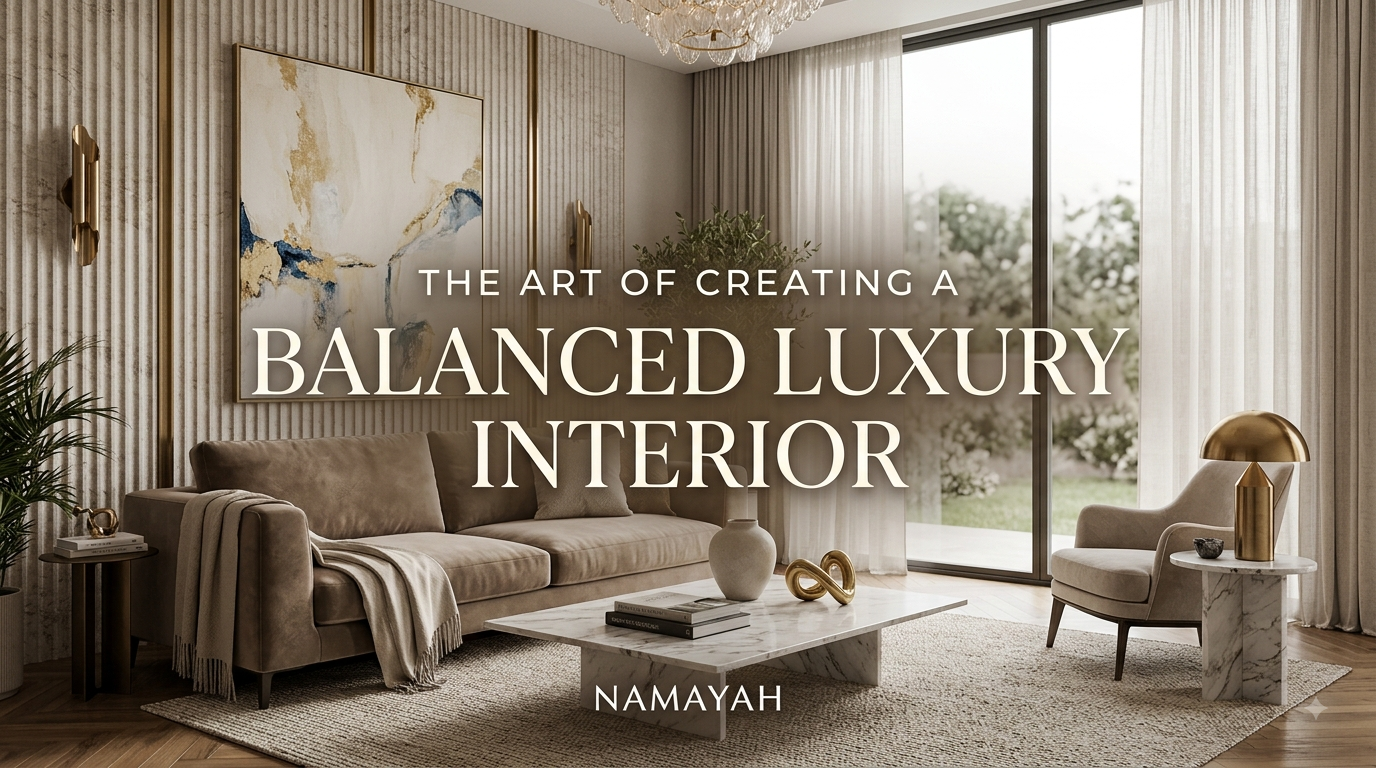
Luxury interior design is not simply about filling a home with expensive furniture, premium stone, dramatic lighting, or decorative accessories. A truly luxurious interior feels intentional, comfortable, proportionate, and visually calm. The goal is to create a space where every material, color, object, and architectural detail works together.
Current design thinking is increasingly moving toward interiors that combine sophistication with personality and comfort. Rather than relying exclusively on minimalism or obvious opulence, designers are exploring richer textures, craftsmanship, layered lighting, and more individual expression.
The art of creating a balanced luxury interior therefore lies in knowing what to add, what to emphasize, and what to leave out.
What Does a Balanced Luxury Interior Mean?
A balanced luxury interior combines premium aesthetics with visual harmony and everyday functionality.
Balance does not mean that every element has to match. Instead, it means that different elements have an appropriate relationship with one another. A large sofa may be balanced by an expansive rug. A dramatic stone wall may need quieter surrounding surfaces. A sculptural chandelier may work best when the rest of the ceiling remains visually restrained.
Modern luxury is increasingly associated with thoughtful material choices, proportion, craftsmanship, and restraint rather than simply displaying expensive products.
The result should feel elevated without feeling staged.
Start With Proportion and Scale
Before selecting furniture or decorative finishes, consider the architecture of the room.
Proportion describes how different elements relate to one another, while scale considers how large or small those elements feel within the room.
For example:
- Oversized furniture can make a small room feel cramped.
- Tiny furniture can make a large room feel unfinished.
- A small artwork on a large wall may lose its impact.
- A massive chandelier can overwhelm a modest dining area.
- Too many small decorative objects can create visual noise.
Begin by measuring the room and identifying its architectural focal points. Consider ceiling height, windows, doorways, circulation paths, and the relationship between open and occupied space.
A luxury interior should allow people to move naturally through the room. Good design makes the space feel effortless rather than forcing furniture into every available area.
Build a Sophisticated Color Palette
Color establishes the emotional character of a luxury interior.
Neutral palettes remain a strong foundation because they allow architectural details, materials, artwork, and furniture to take priority. Soft beige, warm white, taupe, stone, muted gray, brown, and earthy tones can create a sophisticated base.
However, balance does not require an entirely neutral room.
A restrained accent color can provide personality. Deep green, burgundy, navy, terracotta, chocolate, or muted blue can be introduced through upholstery, artwork, rugs, curtains, or selected accessories.
A useful approach is to establish:
- A dominant color for walls and major surfaces.
- A secondary color for furniture and textiles.
- An accent color used sparingly for visual interest.
The objective is cohesion rather than uniformity.
Choose Materials With Restraint
Luxury materials become more powerful when they have room to be appreciated.
Instead of combining every premium finish available, choose a small group of materials that complement one another. Natural stone, timber, metal, glass, plaster, linen, wool, and leather can create richness without overwhelming the room.
For example, warm wood can soften the hardness of stone. Linen can balance polished surfaces. Brushed metal can introduce subtle contrast without competing with a strong architectural feature.
Material restraint is particularly important when using dramatic marble, patterned stone, highly figured wood, or decorative wall treatments.
Think of the room as a composition. If every surface demands attention, there is no clear focal point.
Use Lighting as a Design Layer
Lighting can dramatically influence how luxury materials, colors, and textures are perceived.
A sophisticated lighting plan generally combines several layers rather than depending on one central source. These can include ambient lighting, task lighting, accent lighting, and decorative fixtures.
For example:
- Ambient lighting provides overall illumination.
- Task lighting supports activities such as reading or cooking.
- Accent lighting highlights art, architecture, shelving, or materials.
- Decorative lighting adds visual character through pendants, sconces, chandeliers, or lamps.
Dimming and control also allow the atmosphere to change throughout the day.
The key is not to illuminate everything equally. When every surface is brightly lit, the room can lose depth. A balanced scheme allows some areas to remain quieter while directing attention toward important features.
Mix Textures for Depth
A room can have a restrained color palette and still feel rich when its textures vary.
Consider combining smooth, rough, soft, reflective, and natural finishes. A velvet chair beside a linen sofa, a textured rug beneath a polished table, or timber cabinetry against stone can create depth without requiring excessive decoration.
Texture is especially valuable in neutral interiors because it prevents the space from feeling flat.
Try layering:
- Linen or cotton curtains
- Wool or textured rugs
- Velvet or bouclé upholstery
- Natural wood
- Stone
- Brushed metals
- Textured plaster
- Handcrafted ceramics
The objective is subtle contrast. Every material should contribute to the overall atmosphere.
Select Furniture for Comfort and Form
Luxury furniture should look beautiful but also support the way people actually live.
Start with the room’s function. A living room designed for conversation may require multiple seating positions, while a media room may prioritize comfortable lounge seating. A formal dining space needs adequate circulation around the table, while a bedroom should feel restful rather than crowded.
Avoid choosing furniture solely because individual pieces look impressive.
Instead, consider:
- Comfort
- Scale
- Shape
- Upholstery
- Durability
- Ergonomics
- Relationship to surrounding furniture
Current luxury design conversations increasingly emphasize livability, tactile comfort, and personalized spaces rather than interiors that simply look impressive in photographs.
Create Visual Balance With Negative Space
One of the most overlooked elements in luxury design is empty space.
Negative space gives important furniture, artwork, architecture, and materials room to breathe. It also helps the eye understand the hierarchy of the room.
A common mistake is filling every surface with accessories. Instead, leave some shelves partially empty, maintain clear areas on tables, and avoid placing furniture where it interrupts circulation.
Luxury often comes from editing.
Ask of every object: Does this improve the room, support its function, or express something meaningful?
If the answer is no, removing it may strengthen the design.
Add Art and Accessories With Intention
Accessories should complete a room rather than compete with it.
Choose objects that provide scale, texture, color, history, or personal meaning. A large artwork can establish a focal point. A sculptural vase can add shape. A collection of books can introduce warmth and personality.
Rather than distributing small objects evenly across every surface, create deliberate compositions.
A coffee table might need only a few carefully selected pieces. A console could combine artwork, a lamp, and one sculptural object. Open shelving can mix books with ceramics while leaving generous areas of empty space.
The goal is curated rather than cluttered.
Balance Symmetry With Personality
Symmetry can make a room feel orderly and sophisticated. Matching lamps on either side of a console, paired chairs, or a centered dining table can establish visual stability.
But perfect symmetry throughout an entire home can make the space feel predictable.
Introduce controlled asymmetry through artwork, accessories, furniture shapes, or contrasting materials. A symmetrical architectural foundation can therefore support more personal decorative choices.
This balance creates a room that feels composed without appearing overly formal.
Design for Function as Well as Beauty
A luxury interior should improve daily life.
Storage should be convenient. Lighting controls should be intuitive. Furniture should be comfortable. Technology should be integrated where appropriate. Materials should suit the maintenance requirements of the household.
This is one reason current luxury design increasingly emphasizes personalized, functional environments alongside visual sophistication.
True luxury can be found in details that are not immediately visible: organized storage, carefully planned circulation, comfortable furniture, acoustic considerations, and lighting that adapts to different activities.
Common Luxury Interior Design Mistakes
Even an expensive interior can feel unbalanced. Common mistakes include:
Using Too Many Luxury Materials
Marble, brass, dark wood, patterned stone, glass, velvet, and decorative plaster can all be beautiful individually. Combining too many competing finishes can make a room visually chaotic.
Overusing Statement Pieces
A room does not need several competing focal points. Choose one or two major features and let supporting elements remain quieter.
Ignoring Scale
Expensive furniture will not automatically look sophisticated if its proportions are wrong for the room.
Overlighting the Space
A large number of bright fixtures can flatten textures and eliminate atmosphere. Layered, controlled lighting generally creates greater depth.
Following Trends Too Closely
Luxury interiors benefit from longevity. Current 2026 design forecasts show a stronger interest in individuality, craftsmanship, tactile surfaces, and expressive interiors, but trends should support the homeowner’s identity rather than dictate it.
Decorating Every Surface
A carefully edited room often feels more sophisticated than one filled with decorative objects.
How to Create a Balanced Luxury Interior Step by Step
Use this process when planning a room:
1. Define the purpose.
Decide how the room will be used before selecting finishes or furniture.
2. Study the architecture.
Identify windows, doors, ceiling heights, views, focal walls, and natural light.
3. Establish the furniture layout.
Create comfortable circulation and determine the appropriate scale.
4. Select the main material palette.
Choose a few complementary finishes rather than an excessive number.
5. Create the color scheme.
Use a dominant base, secondary tones, and carefully controlled accents.
6. Plan layered lighting.
Combine ambient, task, accent, and decorative lighting where appropriate.
7. Introduce texture.
Use textiles, rugs, wood, stone, and other tactile finishes to create depth.
8. Add art and accessories.
Choose meaningful pieces and leave enough negative space around them.
9. Edit the room.
Remove anything that feels unnecessary, repetitive, oversized, or visually distracting.
10. Review the room as a whole.
Step back and check whether the eye moves naturally through the space and whether the room feels comfortable as well as beautiful.
The Future of Luxury Interior Design
Luxury interiors in 2026 are increasingly moving beyond a simple formula of neutral colors, expensive furniture, and minimal decoration.
Recent design forecasts point toward greater personalization, tactile craftsmanship, richer decorative expression, wellness-oriented spaces, and interiors that feel more lived-in.
This does not mean every luxury interior should become maximalist. Instead, the broader direction suggests that individuality and emotional comfort are becoming just as important as visual refinement.
The most enduring approach is therefore to use trends selectively. Invest in timeless architecture, quality materials, comfortable furniture, effective lighting, and meaningful objects. Then allow smaller elements to evolve as personal tastes change.
FAQs About Balanced Luxury Interiors
What makes an interior look luxurious?
A luxurious interior typically combines good proportion, quality materials, thoughtful lighting, comfortable furniture, cohesive colors, strong craftsmanship, and intentional styling. Price alone does not create visual sophistication.
How can I make my home look luxurious without making it feel excessive?
Use fewer but better-considered elements. Focus on proportion, lighting, texture, quality textiles, uncluttered surfaces, and a cohesive material palette. One strong focal point can often have more impact than many decorative pieces.
What colors work best for luxury interiors?
Soft neutrals such as warm white, beige, taupe, stone, and muted gray provide versatile foundations. Deeper shades such as green, navy, burgundy, brown, or terracotta can be introduced as controlled accents.
How important is lighting in luxury interior design?
Lighting is extremely important because it affects how colors, textures, architecture, and materials are perceived. Layered lighting can provide general illumination while also highlighting important features and creating different moods.
Should a luxury interior be minimalist?
Not necessarily. Luxury can be minimalist, traditional, contemporary, maximalist, or eclectic. What matters most is whether the elements have a coherent relationship and whether the room feels intentional rather than cluttered.
How many materials should be used in a luxury room?
There is no universal number. The important principle is visual harmony. A smaller group of complementary materials can often create a more sophisticated result than many unrelated finishes competing for attention.
Can a small room have a luxury interior?
Yes. Small rooms can feel luxurious when furniture is appropriately scaled, circulation remains clear, lighting is layered, materials are carefully selected, and visual clutter is minimized.
What is the biggest mistake in luxury interior design?
Trying to make every element look luxurious at the same time. A sophisticated interior needs hierarchy. Some elements should attract attention while others provide a quiet background.
Conclusion
The art of creating a balanced luxury interior is ultimately an exercise in restraint, proportion, comfort, and intention.
Luxury does not require every surface to be expensive or every room to make a dramatic statement. The strongest interiors create harmony between architecture, furniture, lighting, materials, color, texture, and personal expression.
Start with proportion. Build a restrained material and color palette. Layer the lighting. Introduce texture and comfortable furniture. Protect negative space. Add meaningful artwork and accessories. Finally, edit the room until every remaining element has a purpose.
When these principles work together, the result is more than an expensive-looking room. It becomes a sophisticated, comfortable, and enduring home.