
Sustainable Luxury: Why Handmade Products Matter
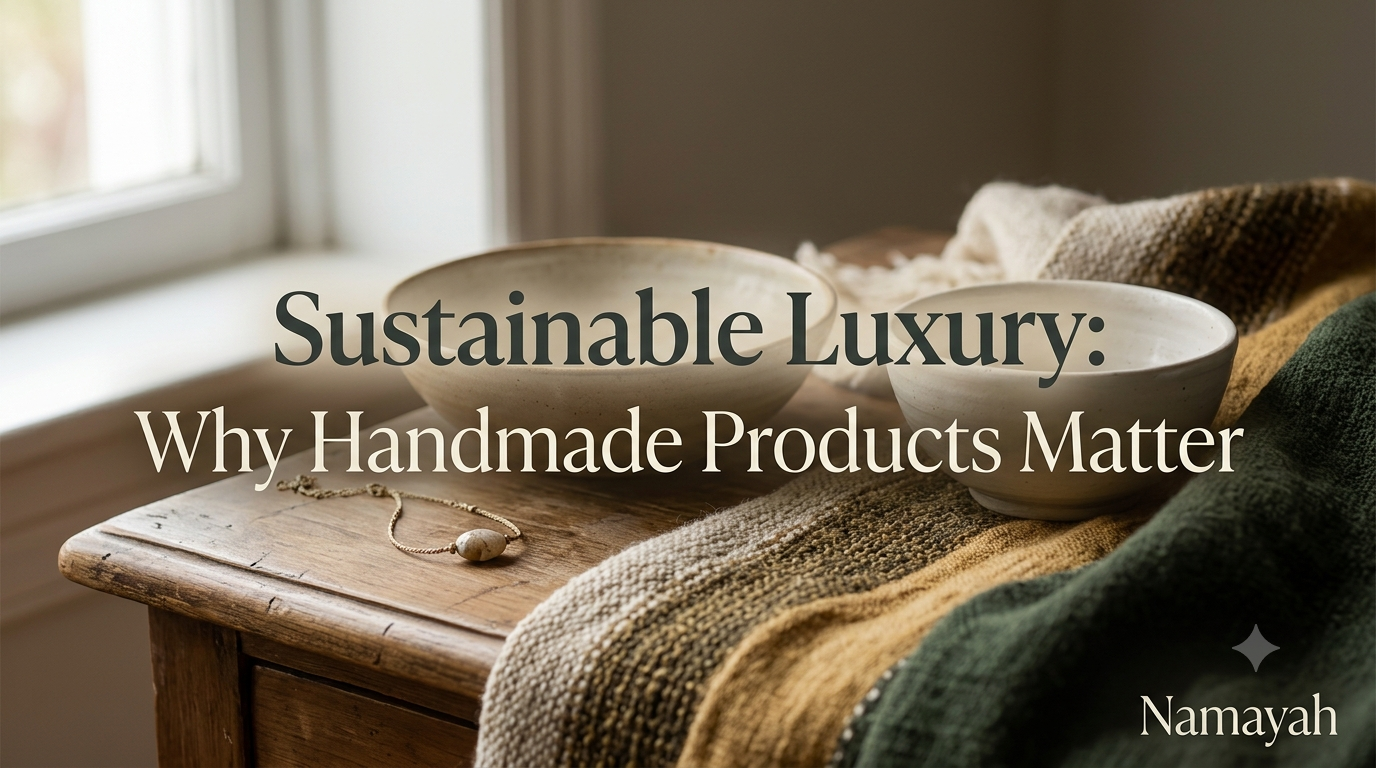
Luxury is no longer defined solely by premium materials, famous brands, or high prices. Today, many consumers are looking for products that combine exceptional quality with responsible production. This shift has given rise to sustainable luxury—a concept that values craftsmanship, ethical sourcing, durability, and environmental responsibility.
Among the strongest examples of sustainable luxury are handmade products. Whether it’s handcrafted leather goods, artisanal furniture, ceramic tableware, woven textiles, or handmade jewelry, these products offer a unique combination of beauty, authenticity, and lasting value.
As shoppers become more aware of environmental and social issues, handmade products continue to gain recognition as a thoughtful alternative to mass-produced goods.
Understanding Sustainable Luxury
Sustainable luxury refers to premium products that are created with consideration for people, the environment, and long-term value. Instead of focusing on rapid production and short-lived trends, sustainable luxury emphasizes responsible manufacturing and timeless design.
Key characteristics include:
- High-quality materials
- Ethical production practices
- Fair treatment of workers and artisans
- Reduced environmental impact
- Long product lifespan
- Timeless rather than trend-driven designs
Rather than encouraging constant replacement, sustainable luxury promotes purchasing fewer, better-made items that remain valuable for years.
This philosophy aligns with growing consumer interest in responsible shopping, where buyers increasingly consider how products are made, who made them, and what impact they have throughout their lifecycle.
What Makes Handmade Products Unique?
Handmade products differ significantly from factory-produced items. Instead of being manufactured on large assembly lines, they are created by skilled artisans who invest time, experience, and attention into every detail.
Each handcrafted piece often reflects:
- Individual craftsmanship
- Traditional techniques
- Small-batch production
- Careful quality control
- Unique character and subtle variations
These natural differences are not flaws—they are part of what makes handmade products special. No two items are exactly alike, giving each purchase a distinctive identity.
For many buyers, owning something created by human hands provides a stronger emotional connection than purchasing an identical item produced by automated machinery.
The Environmental Benefits of Handmade Products
One of the biggest reasons handmade products support sustainable luxury is their lower environmental impact.
Reduced Mass Production
Large-scale manufacturing often requires enormous factories, extensive transportation networks, and high energy consumption. Handmade production generally operates on a much smaller scale, reducing waste and excessive resource use.
Less Material Waste
Artisans frequently work with carefully selected materials and produce smaller quantities, helping minimize leftover materials and unnecessary overproduction.
Longer Product Lifespan
High-quality handmade goods are typically designed to last for many years. A durable handcrafted item may replace several lower-quality alternatives over its lifetime, reducing overall consumption.
Thoughtful Material Selection
Many artisans choose responsibly sourced wood, recycled metals, natural fibers, vegetable-tanned leather, or locally available materials whenever possible. While practices vary by maker, these choices can contribute to a smaller environmental footprint.
Supporting Skilled Artisans and Local Communities
Choosing handmade products is more than a purchasing decision—it is also a way to support the people behind the craft. Many handmade businesses rely on skilled artisans who have spent years mastering traditional techniques that are often passed down through generations.
When consumers buy handcrafted products, they help:
- Preserve traditional craftsmanship and cultural heritage
- Support independent makers and small businesses
- Encourage fair wages for skilled work
- Strengthen local and regional economies
- Create demand for ethical production practices
Unlike mass production, where individual workers may perform only one repetitive task, handmade production allows artisans to take pride in creating a finished product from start to finish. This personal involvement often results in greater attention to detail and higher overall quality.
Quality Over Quantity
One of the defining principles of sustainable luxury is investing in products that last. Handmade items are often created with durability in mind, using quality materials and careful construction techniques.
Although handcrafted products may have a higher upfront cost, they can provide better long-term value because they are designed for years of use rather than frequent replacement.
Benefits of investing in quality include:
- Greater durability
- Timeless designs that stay relevant
- Lower replacement costs over time
- Reduced waste
- Better overall customer satisfaction
This “buy less, buy better” approach aligns with sustainable living by encouraging mindful consumption instead of impulse buying.
Handmade vs. Mass-Produced Products
Understanding the differences between handmade and mass-produced products can help consumers make informed purchasing decisions.
| Feature | Handmade Products | Mass-Produced Products |
|---|---|---|
| Production | Crafted individually or in small batches | Manufactured in large quantities |
| Quality Control | Artisan inspects each piece | Automated quality processes |
| Uniqueness | Every item has individual character | Products are nearly identical |
| Environmental Impact | Often lower due to smaller-scale production | Can be higher because of large-scale manufacturing |
| Durability | Frequently built for long-term use | Varies depending on materials and production methods |
| Customer Connection | Direct connection to the maker or craft | Limited personal connection |
Neither option is universally better in every situation, but handmade products are often preferred by consumers seeking authenticity, quality, and sustainability.
Why Consumers Are Choosing Handmade Luxury
Modern consumers are increasingly looking beyond brand labels. They want products that reflect their personal values as well as their sense of style.
Some of the main reasons people choose handmade luxury include:
Authenticity
Handmade items tell a story. Knowing that an artisan carefully crafted a product adds meaning that mass-produced goods may not offer.
Transparency
Many small makers openly share information about their materials, production methods, and creative process, allowing buyers to make more informed choices.
Emotional Value
A handcrafted gift or home décor piece often carries sentimental value because of the time and care invested in its creation.
Timeless Appeal
Instead of following short-lived trends, many handmade products feature classic designs that remain stylish for years.
How to Identify Genuine Handmade Luxury
Not every product marketed as “handmade” meets the same standards. Before making a purchase, consider the following factors:
Learn About the Maker
Reputable artisans often share information about their background, techniques, and production process.
Examine Product Details
Small variations in texture, finish, or pattern can indicate genuine craftsmanship rather than machine perfection.
Ask About Materials
High-quality handmade products typically use carefully selected materials suited to the intended purpose and designed for longevity.
Understand Production Methods
Brands that value transparency usually explain how and where their products are made.
Read Customer Feedback
Verified customer reviews can provide useful insights into product quality, durability, and overall satisfaction.
Sustainable Luxury Is an Investment in the Future
As environmental awareness continues to grow, consumers are becoming more intentional about the products they bring into their homes and wardrobes.
Handmade products represent a thoughtful balance between luxury and responsibility. They encourage slower consumption, celebrate skilled craftsmanship, and often support more sustainable production methods than high-volume manufacturing.
By choosing handmade items, consumers can enjoy products that are not only beautiful but also meaningful, durable, and aligned with values such as quality, authenticity, and ethical production.
Frequently Asked Questions (FAQs)
1. What is sustainable luxury?
Sustainable luxury refers to high-quality products that are made with consideration for environmental responsibility, ethical production, and long-term value. These products prioritize durability, responsible sourcing, and timeless design over fast-changing trends.
2. Why are handmade products considered more sustainable?
Handmade products are often produced in smaller quantities, which can reduce overproduction and material waste. Many artisans also focus on quality craftsmanship and durable materials, helping products last longer and reducing the need for frequent replacement.
3. Are handmade products more expensive?
Handmade products often have a higher purchase price because they require skilled labor, quality materials, and significant production time. However, their durability and craftsmanship can provide better long-term value than products that need frequent replacement.
4. How can I verify that a product is genuinely handmade?
Look for detailed information about the artisan or maker, transparent production processes, high-quality materials, and authentic product descriptions. Reputable sellers often share the story behind their craftsmanship and provide clear details about how each item is made.
5. Do handmade products support local communities?
Yes. Purchasing handmade goods often helps support independent artisans, family-owned businesses, and local economies. It can also contribute to preserving traditional craftsmanship and cultural heritage.
6. What types of handmade products are popular in sustainable luxury?
Popular categories include:
- Handmade jewelry
- Leather goods
- Home décor
- Ceramic tableware
- Wooden furniture
- Handwoven textiles
- Natural skincare products
- Artisan accessories
7. Is sustainable luxury only for high-end buyers?
No. Sustainable luxury is about quality and longevity rather than price alone. While some handmade products are premium items, many artisans offer products at a range of price points, allowing more consumers to invest in well-crafted, long-lasting goods.
Conclusion
Sustainable luxury is reshaping the way people think about quality, value, and responsible consumption. Rather than focusing solely on prestige or price, it encourages thoughtful purchasing decisions that benefit both consumers and the wider community.
Handmade products embody this approach by combining skilled craftsmanship, durable materials, and unique design with a more mindful production process. Whether you’re choosing handcrafted home décor, artisan jewelry, leather goods, or textiles, these pieces often provide lasting value while supporting independent makers and traditional craftsmanship.
As more consumers seek products that align with their values, handmade luxury continues to stand out as a meaningful alternative to mass-produced goods. Investing in fewer, higher-quality items can help reduce waste, celebrate creativity, and promote a more sustainable future.