
Sustainable Luxury Home Décor: The Future of Elegant Living
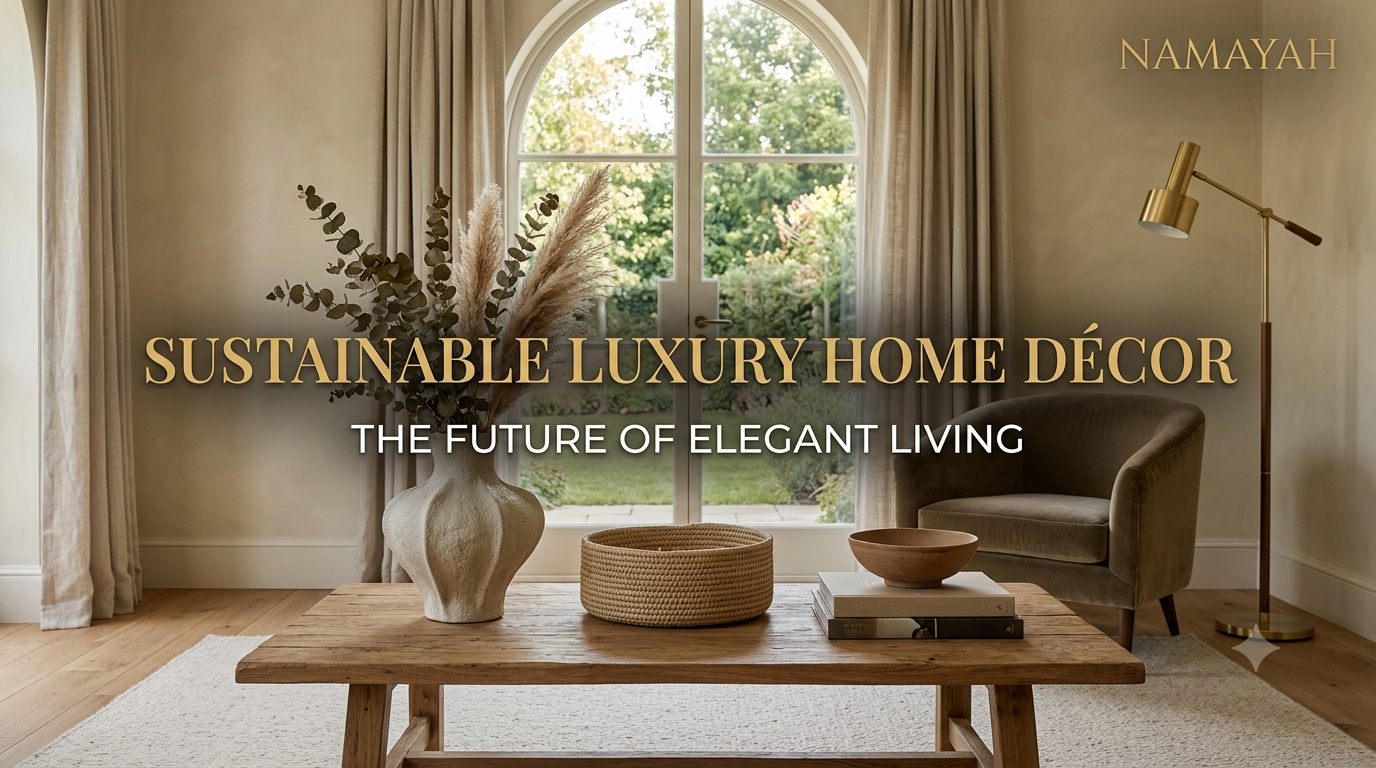
Luxury has evolved beyond expensive finishes and designer labels. Today’s homeowners increasingly seek spaces that reflect sophistication while respecting the environment. Sustainable luxury home décor blends exceptional craftsmanship, timeless design, and environmentally responsible materials to create interiors that are both elegant and conscious.
Rather than choosing between beauty and sustainability, modern homeowners can enjoy both. From responsibly sourced wood furniture to organic textiles and handcrafted décor, sustainable luxury demonstrates that environmentally friendly choices can enhance—not compromise—the look and feel of a home.
Understanding Sustainable Luxury Home Décor
Sustainable luxury home décor refers to premium interior products and design practices that minimize environmental impact while maintaining exceptional quality, aesthetics, and longevity.
Unlike mass-produced décor that may quickly wear out or follow short-lived trends, sustainable luxury emphasizes:
- High-quality craftsmanship
- Responsibly sourced materials
- Long-lasting durability
- Ethical production
- Timeless design
- Reduced environmental impact
The focus shifts from buying more to buying better.
Why Sustainable Luxury Is Growing
Several factors are driving demand for sustainable luxury interiors.
Greater Environmental Awareness
Many homeowners recognize how furniture manufacturing, textile production, and waste affect the environment. They increasingly seek products that support responsible resource use.
Preference for Timeless Design
Fast-changing trends often lead to unnecessary replacements. Timeless pieces remain stylish for years, reducing waste and delivering greater long-term value.
Better Product Quality
Luxury brands that prioritize sustainability often invest in skilled craftsmanship and durable materials, resulting in products that last significantly longer than inexpensive alternatives.
Healthier Living Spaces
Natural materials, low-emission finishes, and responsibly made furnishings may contribute to improved indoor air quality compared with products containing higher levels of certain synthetic chemicals.
Key Features of Sustainable Luxury Home Décor
Premium Natural Materials
Luxury sustainable homes often feature materials such as:
- Solid reclaimed wood
- Bamboo
- Cork
- Natural stone
- Organic cotton
- Linen
- Hemp
- Wool
- Recycled glass
- Recycled metals
These materials combine durability with distinctive character.
Exceptional Craftsmanship
Handcrafted furniture and artisan-made décor typically receive greater attention to detail and are designed for longevity, reducing the need for frequent replacement.
Ethical Manufacturing
Responsible brands often prioritize fair labor practices, safer working conditions, and transparent supply chains alongside environmental stewardship.
Timeless Aesthetics
Neutral palettes, clean lines, and enduring designs help sustainable interiors remain elegant regardless of changing trends.
Best Sustainable Materials for Luxury Interiors
Reclaimed Wood
Recovered timber gives furniture unique character while reducing demand for newly harvested wood. Dining tables, shelving, and flooring made from reclaimed wood can become statement pieces.
Bamboo
Bamboo grows rapidly and is widely recognized as a renewable resource. It works well for flooring, furniture, and decorative accessories.
Organic Cotton
Organic cotton is grown with practices that reduce reliance on synthetic pesticides and fertilizers. It is commonly used for bedding, curtains, and upholstery.
Linen
Made from flax fibers, linen offers durability, breathability, and a refined natural texture suitable for upscale interiors.
Natural Stone
Stone such as marble, slate, limestone, and granite provides lasting beauty and can remain functional for decades with proper care.
Recycled Glass
Recycled glass can be transformed into elegant countertops, lighting fixtures, vases, and decorative accents, helping reduce waste while adding visual interest.
Sustainable Furniture Choices
Investing in fewer, higher-quality furniture pieces often supports both sustainability and long-term value.
Look for furniture that offers:
- Solid wood construction
- Repairable components
- Recyclable materials
- Replaceable upholstery
- Modular designs
- Long warranties
- Responsible sourcing information
Well-crafted furniture can remain beautiful for generations.
Eco-Friendly Decorative Elements
Luxury décor extends beyond furniture. Sustainable accessories can elevate a space while reflecting thoughtful design.
Popular options include:
- Handmade ceramic vases
- Recycled glass décor
- Organic cotton cushions
- Linen curtains
- Wool rugs
- Natural fiber baskets
- Artisan wall art
- Indoor plants
- Beeswax candles
- Refillable decorative containers
These additions create warmth, texture, and personality without relying on disposable décor trends.
Energy-Efficient Interior Design
Sustainable luxury also considers how a home performs.
LED Lighting
LED bulbs generally consume less electricity and last longer than many traditional lighting options, making them a practical choice for elegant interiors.
Natural Daylight
Large windows, skylights, and thoughtfully placed mirrors help maximize daylight, reducing reliance on artificial lighting during the day.
Smart Home Technology
Programmable lighting, smart thermostats, and automated shading systems can improve energy efficiency while enhancing convenience.
High-Performance Window Treatments
Quality curtains, insulated drapes, and blinds help regulate indoor temperatures while adding sophistication.
How to Decorate Sustainably Without Sacrificing Luxury
Buy Less, Choose Better
Select timeless pieces that will remain attractive for years instead of purchasing trendy items that may quickly become outdated.
Support Skilled Artisans
Handcrafted products often showcase unique artistry while supporting traditional craftsmanship.
Mix Vintage with Modern
Vintage furniture and antiques add character, reduce waste, and pair beautifully with contemporary designs.
Prioritize Quality Over Quantity
A carefully curated room with a few exceptional pieces often creates a stronger impression than one filled with inexpensive accessories.
Choose Neutral Foundations
Neutral walls, flooring, and larger furniture pieces provide flexibility as styles evolve, allowing smaller decorative accents to change over time.
Common Mistakes to Avoid
Avoid these pitfalls when creating a sustainable luxury home:
- Buying furniture solely because it is labeled “green” without evaluating quality.
- Replacing functional items unnecessarily.
- Following short-lived design trends.
- Ignoring durability.
- Choosing products without researching material sourcing.
- Overdecorating instead of curating thoughtfully.
A balanced approach helps ensure both environmental responsibility and lasting style.
The Future of Sustainable Luxury Home Décor
The future of luxury interiors is increasingly centered on innovation, durability, and responsible design.
Emerging trends include:
- Circular design principles that encourage repair and reuse.
- Greater use of recycled and renewable materials.
- Increased transparency around product sourcing.
- Custom-made furniture designed to last for decades.
- Smart technologies that support energy-efficient living.
- Greater appreciation for handcrafted and locally produced décor.
As consumers become more informed, sustainability is likely to remain a defining characteristic of premium interior design rather than a niche preference.
Frequently Asked Questions
What is sustainable luxury home décor?
It combines premium design, quality craftsmanship, and environmentally responsible materials to create elegant interiors with reduced environmental impact.
Is sustainable home décor more expensive?
Some products have higher upfront costs, but durable construction and timeless design can provide better long-term value by reducing replacement needs.
Which materials are considered sustainable?
Common options include reclaimed wood, bamboo, cork, organic cotton, linen, recycled glass, recycled metals, and responsibly sourced natural stone.
Can sustainable décor still look luxurious?
Yes. High-quality materials, refined craftsmanship, thoughtful styling, and timeless design allow sustainable interiors to feel sophisticated and elegant.
How can I make my existing home more sustainable?
Start by keeping well-made furniture, choosing durable replacements when needed, improving lighting efficiency, incorporating natural textiles, and selecting responsibly made décor.
Why is handcrafted furniture considered sustainable?
Handcrafted furniture is often built with greater attention to durability and repairability, which can extend its lifespan and reduce waste.
Conclusion
Sustainable luxury home décor represents a thoughtful approach to modern living. It combines timeless beauty, premium craftsmanship, and environmentally responsible choices to create spaces that are both elegant and enduring.
Rather than following short-lived trends, homeowners can invest in quality materials, durable furnishings, and intentional design that delivers lasting value. By choosing sustainable luxury, you create a home that reflects refined taste while supporting a more responsible future.