
Sustainable Luxury: Best Handmade Indian Wood Furniture
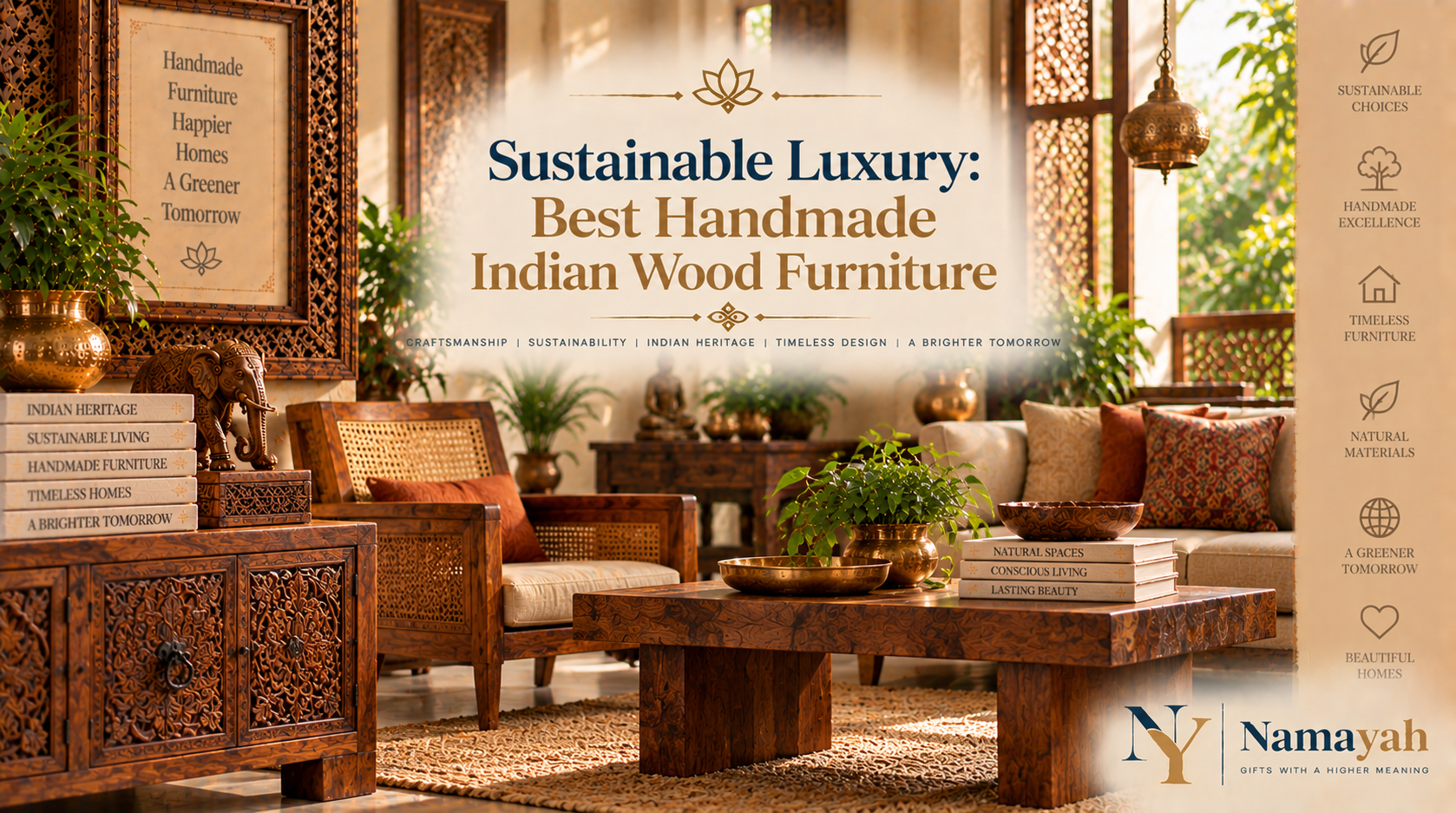
Sustainable luxury is the intentional choice to invest in high-quality, ethical pieces that honor both the environment and the artisan. In the context of the modern home, sustainable luxury handmade indian wood furniture represents a shift away from disposable "fast furniture" toward heirloom-quality pieces crafted from responsibly sourced hardwoods like Sheesham, Teak, and Mango. By choosing furniture that utilizes traditional joinery and natural finishes, homeowners can create sophisticated interiors that reduce environmental impact without compromising on elegance.
The Evolution of Conscious Elegance in Modern Homes
The definition of luxury is undergoing a profound transformation. For decades, luxury was synonymous with excess and exclusivity. Today, discerning homeowners are redefining it through the lens of conscious elegance. This shift prioritizes the "story" behind an object—where it came from, who made it, and how long it will last.
In India, this evolution is particularly visible. We are seeing a move away from mass-produced, flat-pack items that dominate global markets. Instead, there is a renewed appreciation for the intersection of traditional Indian artistry and global sustainability standards. People are choosing longevity over fleeting trends, recognizing that a well-made wooden table is not just a utility but a legacy piece.
Defining Sustainable Luxury Handmade Indian Wood Furniture
To be truly sustainable, furniture must meet specific criteria regarding its origin and production. In the Indian context, this begins with the wood itself. Sustainable wood is harvested from managed forests or orchards where trees are replanted, ensuring no net loss of forest cover.
Handmade techniques further enhance this sustainability. Unlike factory assembly lines that consume massive amounts of electricity and produce significant industrial waste, artisan workshops rely on manual skill and precision tools. At Namayah, we bridge the gap between heritage and modern needs, ensuring that every piece preserves ancient carving techniques while adhering to a minimal carbon footprint.
| Feature | Sustainable Artisan Furniture | Mass-Produced Furniture |
|---|---|---|
| Material Base | Solid, ethically sourced hardwoods | Particle board, MDF, or veneers |
| Longevity | 50+ years (Heirloom quality) | 5–10 years average lifespan |
| Environmental Impact | Low carbon footprint; biodegradable | High waste; non-recyclable adhesives |
| Aesthetics | Unique grain and hand-carved details | Uniform, repetitive, printed patterns |
| Repairability | High; can be sanded and refinished | Low; usually discarded if damaged |
The Tangible Handmade Wood Furniture Benefits
One of the most immediate handmade wood furniture benefits is the character of the material. No two trees are identical; therefore, no two handmade pieces are exactly the same. The unique grain patterns, knots, and natural color variations provide a texture that machine-cut pieces simply cannot replicate.
Beyond aesthetics, there is the matter of durability. Traditional joinery—such as dovetail or mortise-and-tenon joints—is structurally superior to the staples and glue used in mass production. Furthermore, bringing natural, non-toxic materials into the home contributes to psychological wellness. Surrounding yourself with organic textures has been shown to reduce stress and create a grounding atmosphere in a high-tech world.
Sourcing for Eco-Friendly Home Décor
When sourcing eco-friendly home décor, the species of wood matters.
- Sheesham (Indian Rosewood): Known for its durability and stunning grain.
- Mango Wood: Highly sustainable as it is a byproduct of the fruit industry.
- Teak: Valued for its moisture resistance and longevity.
Luxury is not just about the wood; it is also about what goes on top of it. Sustainable furniture uses low-VOC (Volatile Organic Compound) finishes and natural waxes. These ensure that your home remains free of the harmful off-gassing common in cheap lacquers. Namayah maintains a transparent supply chain, ensuring that every piece, from a bedside table to a grand dining set, is treated with finishes that are safe for both the artisan and the end-user.
Investing in Sustainable Artisan Furniture
Choosing sustainable artisan furniture is an investment in human capital. By supporting local craftsmen, you help preserve cultural heritage and sustain rural economies that have passed down woodworking skills for generations. This is the essence of the "slow furniture" movement: valuing the time it takes to create something exceptional.
Artisan pieces often appreciate in value—not just financially, but sentimentally. While a mass-produced chair may end up in a landfill within a decade, a handmade solid wood chest becomes a family treasure, carrying the history of the home with it.
Mastering Green Luxury Living India
Green luxury living India is about finding a balance between opulent aesthetics and a minimal environmental footprint. In major metropolitan hubs like Mumbai, Delhi, and Bangalore, the rise of the "eco-conscious estate" shows that homeowners are no longer willing to sacrifice their values for style.
Practical tips for mastering this look include:
- Selecting one or two "hero" pieces that define the room’s ethics.
- Looking for certifications that prove the wood was legally and sustainably harvested.
- Prioritizing quality over quantity; a sparsely furnished room with three exquisite handmade pieces feels more luxurious than a crowded one filled with replicas.
Curating Spaces with Eco-Luxury Home Interiors
Creating eco-luxury home interiors requires a holistic approach to design. It is about the narrative of the space.
- Mix Textures: Pair the warmth of handmade wood with the cool, reflective surfaces of brass or copper accents.
- Heritage Inspiration: Use design elements that nod to Indian history, such as intricate jali work or hand-turned legs, but keep the silhouettes clean and modern.
- Lighting: Use natural light to highlight the depth of the wood grain. The way sunlight hits a hand-planed surface is vastly different from how it reflects off a plastic laminate.
The Future of Heritage: Caring for Your Sustainable Pieces
To ensure your investment lasts a lifetime, proper maintenance is essential. Solid wood is a living material that responds to its environment.
- Humidity Control: Avoid placing furniture directly in front of air conditioners or heaters, as extreme fluctuations can cause wood to expand or contract.
- Sunlight Protection: Direct, prolonged sunlight can fade natural stains. Use curtains or UV-filtering films on windows.
- Natural Cleaning: Use a soft, lint-free cloth for dusting. Avoid harsh chemicals; a simple beeswax polish once or twice a year is often all that is needed to maintain the luster.
At Namayah, our journey began with a passion for craftsmanship and a commitment to perseverance. By choosing sustainable luxury, you are not just buying furniture; you are participating in a legacy of excellence that honors the past while protecting the future.