
Why Sustainable Home Décor from Indian Artisans Matters
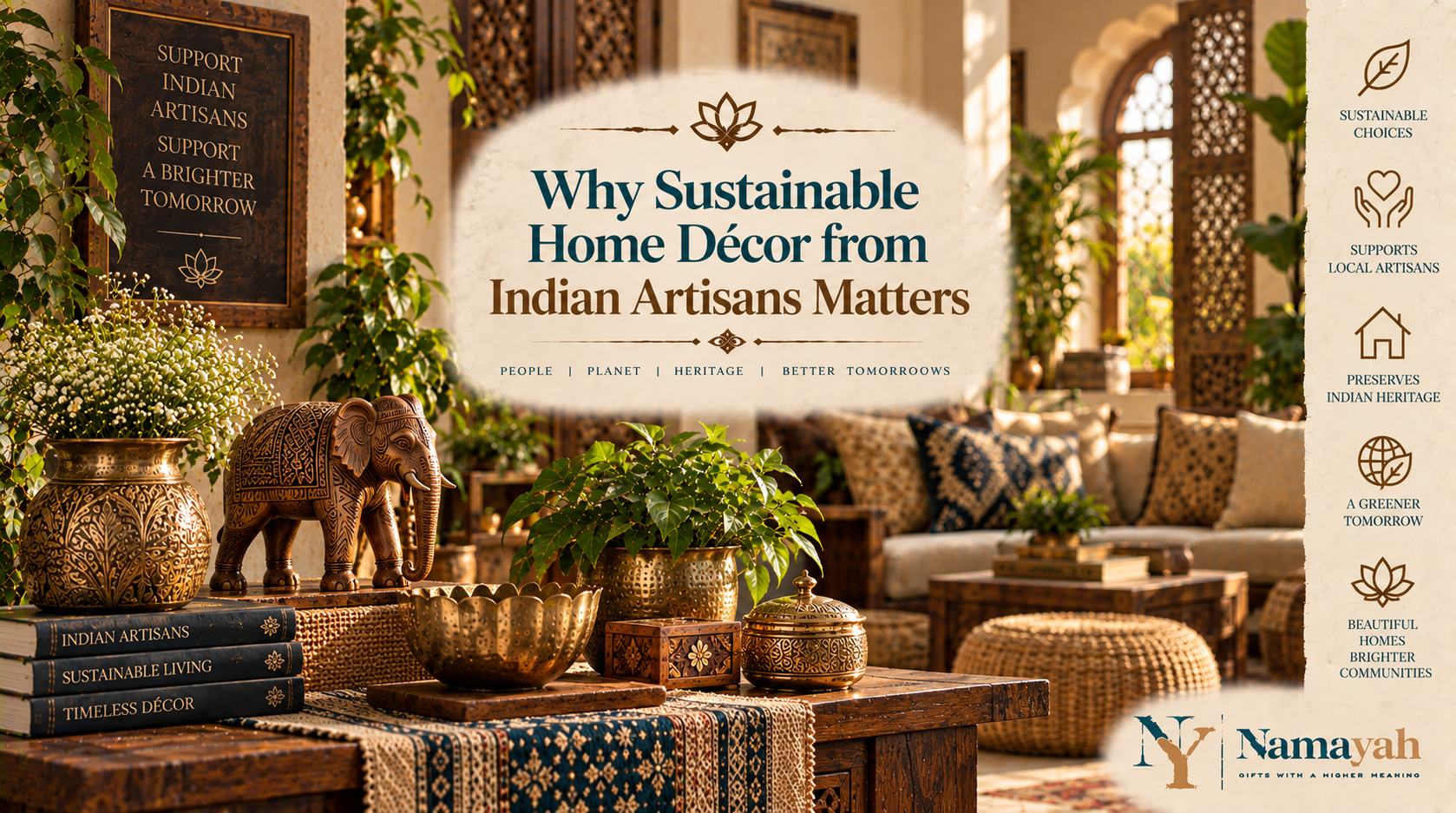
Embracing Conscious Living Through Heritage Craft
In an era dominated by mass-produced furniture and fleeting trends, the shift toward mindful consumption has never been more vital. Choosing sustainable home décor from Indian artisans represents more than just an aesthetic decision; it is an investment in human history, environmental stewardship, and the preservation of ancient techniques. When we surround ourselves with objects crafted by hand, we invite a sense of soul into our living spaces, moving away from the disposability of modern convenience and toward a lifestyle defined by longevity and purpose. At Namayah, our journey is rooted in the belief that luxury should be synonymous with responsibility. By prioritizing eco-friendly home decor, we ensure that every piece we curate respects the natural world and the hands that brought it to life. Understanding the impact of our choices begins with acknowledging the provenance of our belongings. When you select items that reflect the rich tapestry of Indian craftsmanship, you are participating in a global movement toward ethical interior design that values quality over quantity.
Related: copper home decor benefits
The Essence of Ethical Home Décor
Ethical home décor is fundamentally about transparency and fair treatment. The global interior design industry is often criticized for opaque supply chains and exploitative labor practices. By focusing on sustainable Indian crafts, we bypass these issues by working directly with skilled communities that have passed down their knowledge through generations. This model empowers local creators, ensuring that their artistry is compensated fairly and that their traditional livelihoods remain viable in a rapidly digitizing economy. Supporting artisans is a cornerstone of this ethical framework. When we invest in handcrafted products, we provide the financial stability necessary for these communities to maintain their workshops and continue their craft. This cycle of support creates a ripple effect, fostering economic resilience in rural areas and preventing the abandonment of heritage skills. To learn more about our dedication to these values, you can read more about our commitment to artisan excellence.
Environmental Impact and Eco-friendly Practices
One of the primary benefits of choosing sustainable Indian crafts is the significantly lower carbon footprint compared to industrial manufacturing. Traditional Indian artistry often relies on locally sourced, renewable materials such as reclaimed wood, natural fibers, and ethically harvested metals. These processes rarely involve the harsh chemicals or excessive energy consumption typical of mass-market assembly lines. By opting for goods that are crafted with minimal environmental disruption, you are actively participating in a more sustainable future. Furthermore, the durability of these materials is a key factor in sustainability. A hand-carved wooden cabinet or a forged copper vessel is designed to last a lifetime, effectively reducing the need for constant replacements and minimizing landfill waste. For those interested in maintaining the integrity of their metal pieces, we recommend exploring our professional advice on preventing tarnish to ensure your investment stays beautiful for decades to come.
Why Traditional Techniques Matter
Indian artistry is a vast, multifaceted field that includes intricate wood carving, metal embossing, and hand-loomed textiles. These techniques are not merely decorations; they are the result of centuries of refinement. When you incorporate these elements into your home, you are honoring a legacy of design that values patience and precision. For an in-depth exploration of how these concepts fit into your life, check out our guide on sustainable luxury living.
The Skill of the Maker
Behind every piece of high-end home decor lies the dedication of an individual artisan. Unlike machines that prioritize speed, artisans focus on the nuances of their material. They feel the grain of the wood, understand the temperature of the forge, and adjust their work accordingly. This human touch is what elevates a standard object into a piece of art that tells a story of cultural continuity.
Preserving Cultural Heritage
Many of the traditional crafts we support are at risk of fading as younger generations move toward urban industrial jobs. By creating a market for these exquisite items, we provide the incentive for families to continue their ancestral practices. This preservation is vital for maintaining the cultural diversity that makes Indian design so globally celebrated.
Transforming Your Space with Meaning
Integrating handcrafted elements into your home does not mean you have to sacrifice luxury or style. In fact, the most sophisticated interiors are often those that feature curated, one-of-a-kind pieces. Whether it is a hand-hammered brass lamp that catches the afternoon light or a hand-carved wooden console, these items serve as focal points that spark conversation and offer a sense of grounding. Sustainable décor allows you to build a home that feels authentic to your values while maintaining an elegant, high-end appearance. According to the United Nations Environment Programme, sustainable consumption is a critical step in addressing the global climate crisis. By aligning your purchasing power with ethical brands, you contribute to a broader shift in how industries operate globally. Every purchase acts as a vote for the kind of world you wish to live in, signaling to producers that there is a growing demand for accountability, beauty, and long-term value.
Practical Steps for Mindful Decorating
Transitioning to a more sustainable home is a journey rather than an overnight overhaul. Start by auditing your current space and identifying items that are no longer serving you or were purchased on impulse. Focus on quality investment pieces that align with your aesthetic while supporting fair trade practices. Consider the longevity of the materials—if it cannot be repaired or cherished, it may not be the right fit for a sustainable home.
| Feature | Mass-Produced Decor | Handcrafted Indian Decor |
|---|---|---|
| Production Time | Minutes (Machine) | Weeks (Handmade) |
| Materials | Synthetic/Cheap | Natural/Durable |
| Labor Impact | Often Exploitative | Fair/Empowering |
| Longevity | Short-term usage | Generational value |
By comparing these options, it becomes clear that the value of artisanal products extends far beyond the price tag. The World Fair Trade Organization emphasizes that fair trade practices are essential to alleviating poverty and promoting social justice globally. By choosing sustainable home décor from Indian artisans, you are directly supporting these international goals while simultaneously enhancing your own living space with authentic, timeless beauty.
Conclusion: The Future of Your Home
Sustainable home décor from Indian artisans is the bridge between our need for comfort and our responsibility to the planet. By choosing pieces that are made with care, patience, and respect for tradition, you are creating a home that is truly unique. At Namayah, we remain dedicated to this vision of modern luxury—a luxury that honors the earth, the artisan, and the legacy of Indian craftsmanship. We invite you to explore our collections and join us in celebrating a more intentional, beautiful way of living. Together, we can ensure that these ancient traditions continue to flourish for generations to come.