
Supporting Indian Artisans Through Conscious Shopping
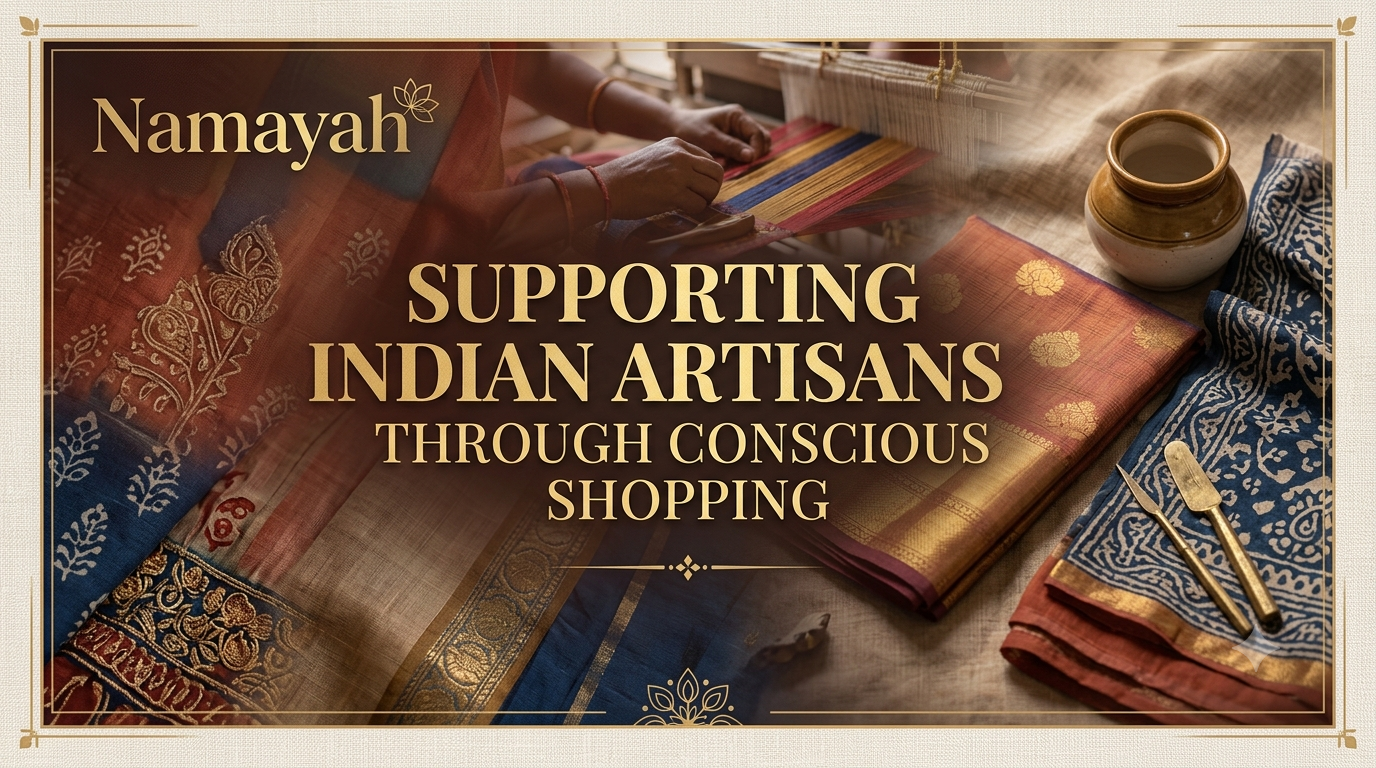
In today’s fast-paced world, shopping often revolves around convenience and low prices. However, every purchase carries the power to influence lives, communities, and traditions. Supporting Indian Artisans Through Conscious Shopping is more than buying handmade products—it’s about preserving centuries-old craftsmanship, encouraging sustainable practices, and ensuring skilled artisans receive fair recognition for their work.
India is home to thousands of artisan communities whose crafts reflect the country’s diverse culture, history, and creativity. From intricate handloom textiles to beautifully carved woodwork, these creations tell stories that machine-made products simply cannot replicate.
Why Conscious Shopping Matters
Conscious shopping means making thoughtful purchasing decisions based on quality, ethics, sustainability, and social impact rather than price alone.
When consumers intentionally choose handmade products, they:
- Support local livelihoods.
- Preserve cultural traditions.
- Reduce environmental impact.
- Encourage ethical business practices.
- Promote sustainable production.
Every conscious purchase becomes an investment in people instead of mass-produced goods.
Understanding India’s Rich Artisan Heritage
India’s artistic traditions have flourished for centuries. Every state boasts unique forms of craftsmanship shaped by local culture and natural resources.
Traditional Crafts Across Different Regions
Some well-known examples include:
- Handwoven silk and cotton textiles
- Pottery and terracotta art
- Wooden handicrafts
- Metalwork
- Stone carving
- Bamboo crafts
- Block printing
- Embroidery traditions
- Handmade jewelry
Each craft reflects generations of skill, patience, and artistic expression.
Generations of Knowledge and Skill
Many artisan families pass their techniques from one generation to another. These skills are rarely taught in formal schools but preserved through years of hands-on learning.
Without consistent demand, many young artisans leave traditional occupations in search of more stable incomes, placing these valuable crafts at risk.
Challenges Faced by Indian Artisans
Despite producing exceptional work, artisans face numerous obstacles.
Competition from Mass Production
Machine-made products can be manufactured quickly and sold at lower prices, making it difficult for handcrafted items to compete.
Limited Market Access
Many artisans live in rural areas where access to large markets, digital platforms, and international buyers remains limited. As a result, middlemen often capture a significant share of the profits.
How Conscious Shopping Makes a Difference
Choosing handmade products creates meaningful change.
Fair Income for Artisans
When buyers purchase directly from artisan groups or ethical businesses, more of the payment reaches the creators themselves. This supports better education, healthcare, and living conditions for artisan families.
Preservation of Traditional Techniques
Steady demand encourages artisans to continue practicing traditional methods instead of abandoning them. It also motivates younger generations to learn these valuable skills.
Identifying Authentic Handmade Products
Finding genuine handmade products requires a little attention.
Look for:
- Detailed product stories
- Artisan profiles
- Transparent sourcing
- Fair-trade practices
- Handcrafted certifications where available
- Minor variations that naturally occur in handmade items
Authentic craftsmanship often carries subtle imperfections that make every piece unique.
Sustainable Benefits of Handmade Goods
Handmade products generally have a smaller environmental footprint because they often:
- Use locally sourced materials.
- Require less industrial energy.
- Produce less waste.
- Encourage slower, more responsible consumption.
- Last longer due to superior craftsmanship.
Choosing quality over quantity contributes to a more sustainable lifestyle.
Tips for Becoming a Conscious Consumer
You don’t have to transform your shopping habits overnight. Small steps can make a significant difference.
- Buy fewer, higher-quality products.
- Support local artisan markets.
- Purchase directly from artisan-owned businesses whenever possible.
- Learn the story behind each product.
- Gift handmade items during festivals and celebrations.
- Share artisan businesses on social media.
- Encourage friends and family to shop ethically.
Every purchase sends a message about the kind of marketplace consumers want to support.
Supporting Local Markets and Online Platforms
Technology has opened new opportunities for artisans to reach customers worldwide. Ethical online marketplaces, craft fairs, exhibitions, and local artisan cooperatives help connect creators directly with buyers.
Shopping through trusted platforms that prioritize fair compensation strengthens artisan communities while providing consumers with authentic handmade products.
For additional information about Indian handicrafts and artisan initiatives, visit the Development Commissioner (Handicrafts) website: https://handicrafts.gov.in/
The Role of Businesses and Designers
Businesses play a vital role by collaborating with artisans instead of replacing traditional methods with industrial production.
Responsible companies can:
- Offer fair wages.
- Invest in skill development.
- Promote sustainable materials.
- Preserve traditional craftsmanship while adapting designs for modern markets.
Such partnerships create lasting economic opportunities while maintaining cultural authenticity.
How Communities Benefit
Supporting artisans extends beyond individual livelihoods.
Positive impacts include:
| Benefit | Impact |
|---|---|
| Employment | Creates stable local jobs |
| Education | Higher family income supports schooling |
| Women’s Empowerment | Many craft sectors provide income opportunities for women |
| Cultural Preservation | Protects traditional art forms |
| Sustainability | Encourages environmentally friendly production |
Strong artisan economies contribute to stronger rural communities.
Future of Ethical Shopping in India
Consumer awareness continues to grow, with more people seeking products that align with their values. As digital marketplaces expand and buyers increasingly appreciate authenticity, handmade crafts have new opportunities to thrive.
Continued support from consumers, businesses, policymakers, and educational institutions will help ensure India’s extraordinary artisan traditions remain vibrant for future generations.
Frequently Asked Questions
1. What is conscious shopping?
Conscious shopping involves making purchasing decisions based on ethics, sustainability, quality, and social impact rather than price alone.
2. Why should I buy handmade products?
Handmade products support skilled artisans, preserve traditional crafts, and often have a lower environmental impact than mass-produced alternatives.
3. How does supporting artisans help local communities?
It creates employment, improves household incomes, strengthens local economies, and helps preserve cultural heritage.
4. Are handmade products more sustainable?
Many handmade products use local materials, require less industrial energy, and produce less waste, making them a more sustainable choice.
5. How can I identify authentic artisan products?
Look for transparent sourcing, artisan stories, handcrafted details, and sellers who clearly explain how and where products are made.
6. Can small purchases really make a difference?
Yes. Even occasional purchases from artisan businesses contribute to preserving traditional skills and providing stable incomes for craft communities.
Conclusion
Supporting Indian Artisans Through Conscious Shopping is a meaningful way to celebrate India’s rich cultural heritage while contributing to sustainable development and ethical commerce. Every handmade purchase represents more than an object—it reflects creativity, tradition, and human skill developed over generations.
By choosing thoughtfully crafted products, supporting ethical businesses, and sharing the stories behind handmade goods, consumers help create a future where artisans can continue preserving India’s remarkable artistic legacy while building secure and dignified livelihoods.