
Styling Wooden Home Decor: A Guide to Timeless Elegance
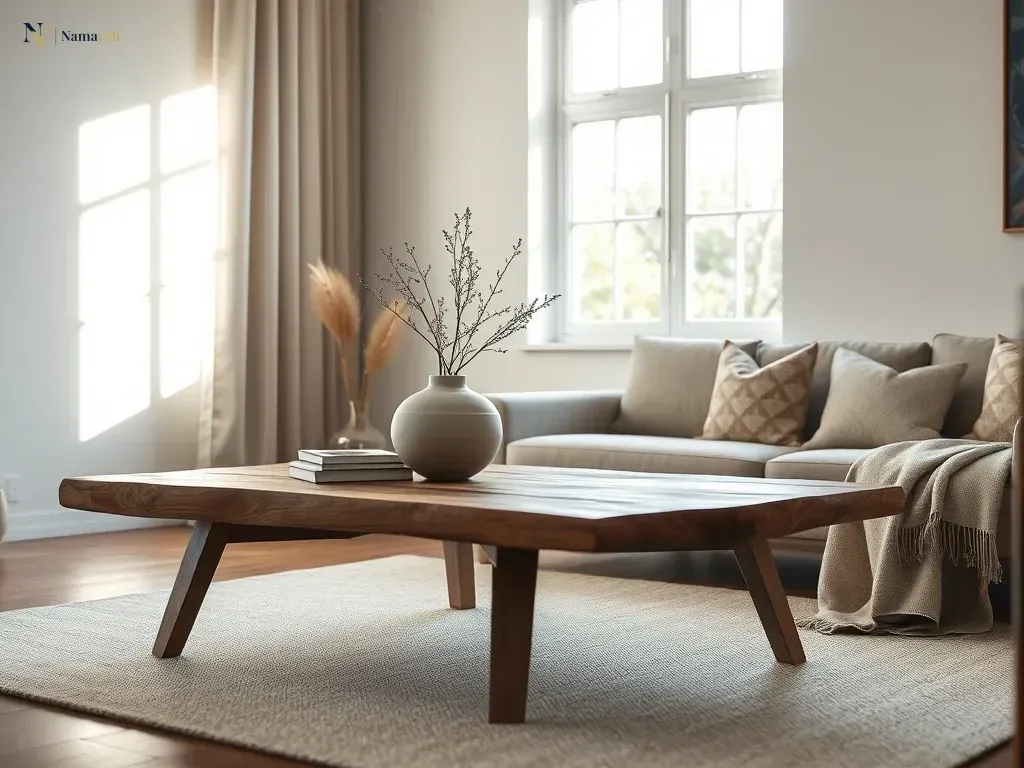
Styling wooden home decor is an art form that brings warmth, texture, and a sense of history into any modern living space. Wood is a versatile material that connects us to nature while providing a sturdy foundation for interior design. Whether you are working with reclaimed teak, polished rosewood, or rustic mango wood, the right approach can transform your home into a sanctuary of comfort. By understanding how to balance wood tones with other textures, you can create a cohesive look that feels both curated and inviting. Our team at Namayah believes that every piece of handcrafted wood tells a unique story of artisan skill and dedication. When you incorporate these elements into your home, you are not just decorating; you are preserving a legacy of craftsmanship. This guide will help you master the nuances of styling wooden home decor to elevate your interior aesthetic.
Understanding Wood Tones and Textures
One of the most important aspects of styling wooden home decor is managing the variety of wood tones in a single room. You do not need to match every piece of furniture perfectly. In fact, mixing different wood species often creates a more layered and professional look. Start by identifying the undertones of your primary pieces. Warm woods like cherry or mahogany have reddish hues, while cooler woods like oak or ash lean toward yellow or grey. If you are unsure where to begin, try to keep the undertones consistent within a specific zone of your home. For example, keep your dining area focused on warm-toned woods to encourage a cozy atmosphere.
Texture plays an equally vital role in your design scheme. A smooth, polished wooden bowl looks vastly different from a rough-hewn, reclaimed wooden tray. To create visual interest, pair these contrasting textures together. Place a sleek, modern wooden vase on a rustic, weathered side table to highlight the beauty of both finishes. According to industry standards, mixing textures prevents a room from feeling flat or one-dimensional. Always consider the grain pattern as well. A bold, swirling grain acts as a focal point, while a subtle, straight grain provides a calm backdrop for other decorative items.
Creating Balance with Natural Elements
Wood is a natural material, so it pairs beautifully with other elements found in the environment. To achieve a balanced look, incorporate stone, metal, or glass alongside your wooden pieces. A heavy wooden coffee table looks stunning when topped with a cool marble tray or a set of brass coasters. This juxtaposition of warm wood and cold stone creates a sophisticated tension that defines luxury living. You can learn more about maintaining your metal accents by reading our guide on how to prevent tarnishing.
Plants are another essential partner for wooden decor. The vibrant green of indoor foliage complements the earthy tones of wood perfectly. Consider placing a wooden pedestal stand under a large potted plant to add height and drama to a corner. If you have limited space, a small wooden shelf holding a collection of succulents can bring life to a blank wall. The goal is to create a harmonious environment where each element supports the others. Remember that nature is rarely uniform, so embrace the slight imperfections in your wooden items as signs of authenticity.
The Role of Lighting in Wood Design
Lighting can dramatically change how your wooden home decor is perceived. Warm, ambient lighting tends to enhance the golden hues of wood, making it feel more inviting and cozy. Conversely, bright, cool-toned light can make wood appear stark or clinical. Use floor lamps or table lamps with warm-toned bulbs to highlight the intricate details of hand-carved wooden sculptures or furniture. If you have a piece with a particularly beautiful grain, position a spotlight to draw attention to its texture during the evening hours.
Natural light is also a powerful tool. During the day, allow sunlight to hit your wooden surfaces to reveal their true color and depth. However, be mindful of direct, harsh sunlight, which can cause some woods to fade or dry out over time. Use sheer curtains to diffuse the light while still allowing the room to feel bright and airy. By controlling the light, you ensure that your wooden decor remains a highlight of your home rather than fading into the background.
Styling Wooden Utensils and Kitchenware
Wooden kitchenware is not just functional; it is a beautiful way to add warmth to your culinary space. Styling wooden home decor in the kitchen involves displaying your items rather than hiding them in drawers. A collection of wooden spoons, spatulas, and rolling pins can be stored in a decorative ceramic or copper crock on your countertop. This adds a rustic, artisanal touch that makes the kitchen feel lived-in and welcoming.
When styling wooden serving boards, think about how they will be used during gatherings. A large wooden platter can serve as a base for a charcuterie board, providing a natural backdrop for colorful cheeses, fruits, and nuts. Keep your boards clean and well-oiled to maintain their rich color and prevent them from cracking. You can find more tips on maintaining your kitchen essentials through official industry resources. By treating your wooden kitchenware as decor, you elevate the everyday act of cooking into a more intentional and enjoyable experience.
Seasonal Transitions with Wood
Wood is a timeless material that works well in every season. During the autumn and winter months, lean into the cozy nature of wood by pairing it with soft textiles like wool throws or velvet cushions. A wooden fireplace mantel decorated with seasonal greenery or dried flowers creates a classic, comforting focal point. In the spring and summer, lighten the look by removing heavy accessories and focusing on the clean lines of your wooden furniture.
Swap out dark-colored decor for lighter, more vibrant accents that reflect the changing seasons. A simple wooden tray can be updated with fresh flowers in the spring or a bowl of seasonal fruit in the summer. This flexibility makes wood one of the most cost-effective materials for long-term home styling. You do not need to buy new furniture to change your decor; simply rearranging your existing wooden pieces can give your room a fresh perspective.
Practical Care for Lasting Beauty
To keep your wooden decor looking its best, regular maintenance is essential. Dust your wooden items weekly with a soft, dry cloth to prevent buildup. Avoid using harsh chemical cleaners, which can strip the wood of its natural oils and cause it to become brittle. Instead, use a mild soap and water solution for deeper cleaning, followed by a thorough drying with a clean cloth.
Periodically applying a food-safe mineral oil or beeswax polish will help nourish the wood and protect it from moisture. This is especially important for wooden kitchenware or items placed in humid areas like bathrooms. If you notice a scratch or a dull spot, a light sanding followed by a fresh coat of oil can often restore the piece to its original glory. Taking care of your wooden items ensures they remain beautiful for generations to come.
Conclusion
Styling wooden home decor is about more than just aesthetics; it is about creating a space that feels grounded, authentic, and uniquely yours. By mixing tones, balancing textures, and paying attention to lighting, you can highlight the natural beauty of wood in every room. Whether you are styling a single wooden bowl or an entire dining set, remember to embrace the imperfections that make each piece special. If you have questions about our handcrafted collections, please contact us for personalized advice. With the right care and a thoughtful approach, your wooden decor will continue to bring warmth and elegance to your home for years to come.