
Styling Artisanal Wooden Home Decor for Elegant Spaces
Styling Artisanal Wooden Home Decor for Elegant Spaces
Styling artisanal wooden home decor requires a balance of texture, warmth, and intentional placement. When you bring handcrafted wood pieces into your living space, you invite nature and history indoors. These items serve as focal points that ground a room while adding a layer of sophisticated comfort. Understanding how to arrange these treasures ensures your home feels curated rather than cluttered. Whether you are working with reclaimed teak or hand-carved rosewood, the goal is to highlight the unique grain and craftsmanship of each piece.
The Importance of Texture and Balance
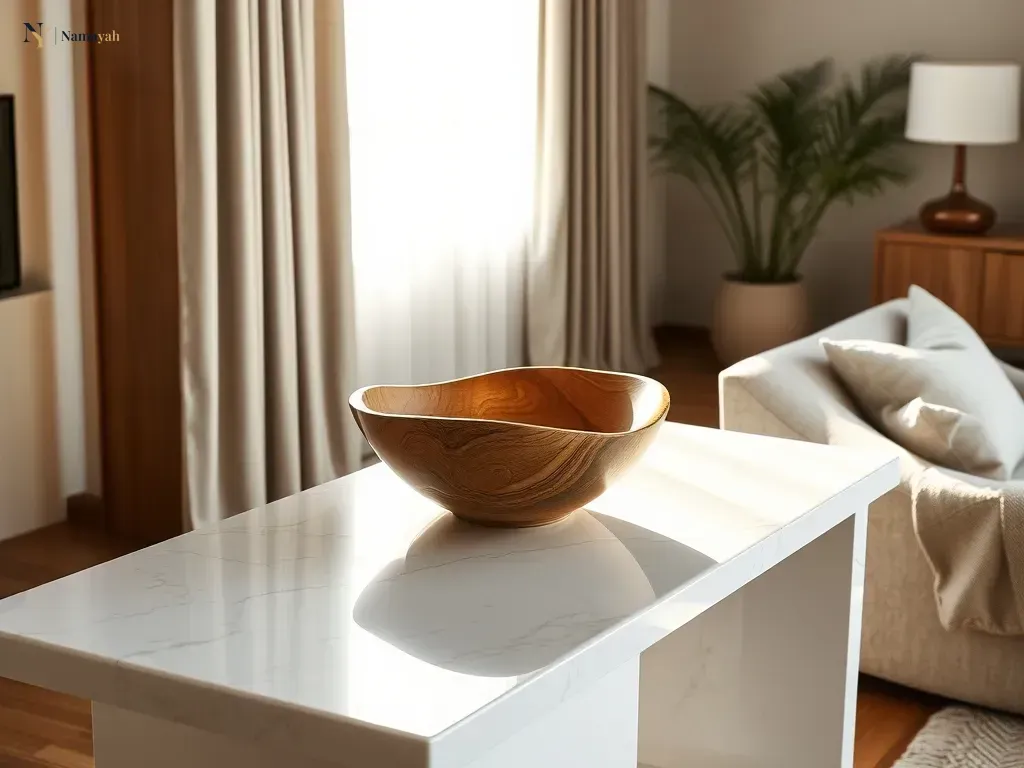
Texture plays a vital role in interior design. Wooden accents provide a tactile quality that contrasts beautifully with smooth surfaces like glass or polished metal. For example, placing a rough-hewn wooden bowl on a sleek marble console creates an immediate visual interest. Therefore, you should aim to mix materials to keep the eye moving across your space. If your room feels too cold or sterile, adding natural wood elements is the perfect solution to soften the atmosphere.
Balance is equally important when styling artisanal wooden home decor. You do not want to overwhelm a surface with too many items. Instead, use the rule of three to create groupings that feel natural and balanced. A large wooden tray paired with a smaller ceramic vase and a stack of books creates a harmonious vignette. Always leave some negative space around your items to allow each piece to stand out. This approach prevents your decor from looking chaotic and highlights the beauty of the wood.
Creating Focal Points with Wooden Accents
Every room needs a focal point to anchor the design. Artisanal wooden pieces are excellent for this purpose because of their inherent warmth and character. A large, hand-carved wooden sculpture on a mantelpiece or a statement wooden platter on a dining table draws the eye immediately. By choosing one or two significant pieces, you create a narrative within the room. This strategy helps define the space and gives your guests a natural conversation starter.
Layering for Depth and Interest
Layering is a professional design technique that adds depth to any interior. Start with a base layer, such as a wooden serving board or a decorative tray. Then, add smaller objects on top to create height and dimension. For instance, you might place a small brass candle holder on a wooden board to mix metallic and organic textures. This layering technique makes your decor feel intentional and well-thought-out. You can learn more about our commitment to quality by visiting our about us page.
Incorporating Wood into Modern Kitchens
Modern kitchens often feature cold materials like stainless steel and quartz. Introducing wooden elements brings a necessary warmth to these functional spaces. Consider using handcrafted wooden utensils or a wooden fruit bowl to break up the monotony of hard surfaces. These items are not just decorative; they are highly functional and durable. When you choose high-quality wood, you invest in pieces that age gracefully over time. For more inspiration on maintaining your kitchen items, check out our copper kitchenware maintenance guide.
Practical Tips for Daily Use
Functionality should always guide your styling choices. If you use wooden items in the kitchen, ensure they are treated with food-safe oils to maintain their integrity. Regularly wiping them down with a soft cloth keeps them looking fresh and prevents drying. Furthermore, avoid placing wooden items near direct heat sources or in areas with high humidity. Proper care ensures that your artisanal pieces remain beautiful for years to come. According to the National Wood Flooring Association, natural wood requires consistent humidity levels to prevent warping or cracking.
Seasonal Styling and Versatility
One of the best aspects of wooden decor is its versatility across seasons. In the autumn, you can style wooden trays with dried leaves, pinecones, and warm-toned candles. During the spring, swap these for fresh flowers and lighter ceramic accents. Because wood is a neutral element, it adapts to any seasonal color palette effortlessly. This flexibility makes it a smart investment for those who enjoy updating their home decor frequently without buying entirely new collections.
Curating a Cohesive Look
To keep your home looking cohesive, try to repeat wood tones throughout the space. If you have a dark walnut coffee table, consider adding smaller walnut accents elsewhere in the room. This repetition creates a sense of flow and unity. However, do not feel restricted to a single shade. Mixing light and dark woods can add a sophisticated, layered look if done with care. The key is to ensure that the undertones of the wood complement each other rather than clashing.
Sustainability and Conscious Living
Choosing artisanal wooden home decor is often a more sustainable choice compared to mass-produced alternatives. Many artisans use reclaimed wood or sustainably sourced timber, which reduces the environmental impact of your decor. By supporting these makers, you contribute to the preservation of traditional crafts and local economies. This conscious approach to shopping adds a deeper meaning to the items in your home. For more information on sustainable practices, refer to the Forest Stewardship Council guidelines on responsible forestry.
Final Thoughts on Styling
Styling your home is a personal journey that reflects your unique taste and values. Artisanal wooden decor offers a timeless appeal that transcends fleeting trends. By focusing on balance, texture, and quality, you can create a space that feels both elegant and welcoming. Remember that the best-styled homes are those that feel lived-in and loved. Start small, experiment with different arrangements, and enjoy the process of curating your sanctuary with pieces that tell a story.