
Styling Artisanal Wooden Decor: Elevate Your Home Aesthetic
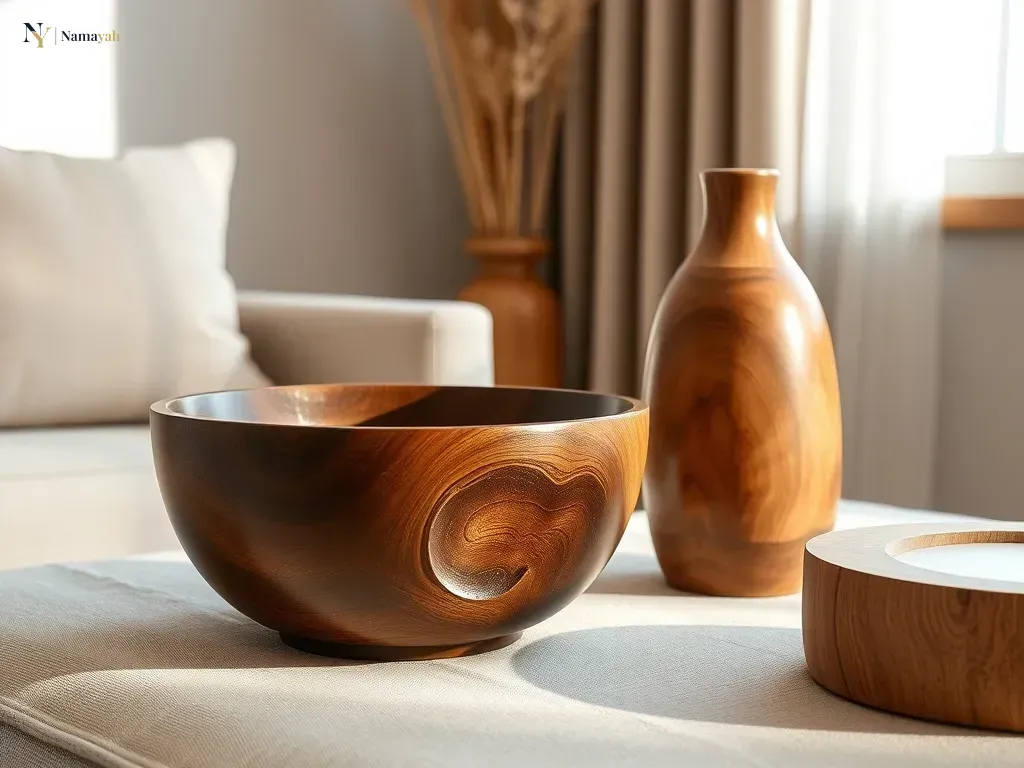
Styling artisanal wooden decor is an art form that brings warmth, organic texture, and timeless elegance into any modern living space. When you incorporate handcrafted pieces into your home, you are not just adding furniture; you are inviting a piece of history and skilled craftsmanship into your daily environment. Many homeowners struggle with balancing these rustic elements within contemporary interiors. However, finding the right harmony between natural wood grains and modern finishes is entirely achievable with a few thoughtful design principles. By focusing on scale, placement, and texture, you can create a space that feels curated, sophisticated, and deeply personal. Whether you are arranging wooden serveware in your kitchen or displaying hand-carved sculptures in your living room, the key lies in intentionality. Learn more about our story by visiting our About Us page to see the dedication behind our creations. In this comprehensive guide, we will explore practical strategies for styling your home with authentic wood accents.
Understanding the Role of Texture in Interior Design
Texture acts as the visual weight of your interior space. When you style with wood, you introduce a tactile quality that smooths out the coldness often found in modern metallic or glass-heavy rooms. Artisanal wooden pieces often feature unique grains, knots, and imperfections that tell a story of their origin. Therefore, you should avoid hiding these natural features. Instead, position your wooden accents where they can interact with natural light. Sunlight hitting a polished wooden bowl or a hand-carved tray highlights the depth of the grain and adds an immediate layer of visual interest.
Balancing Wood with Other Materials
To keep your design feeling fresh, pair your wooden decor with contrasting materials. For example, a heavy, dark-toned wooden platter looks stunning on a sleek white marble kitchen island. Alternatively, place smooth wooden candle holders on a textured linen tablecloth to create a layered sensory experience. By mixing these elements, you prevent the room from feeling one-dimensional or overly rustic. Always remember that nature often provides the best color palettes. You can look at industry design standards for more professional insights on material pairing and spatial harmony.
The Art of Layering Wooden Accents
Layering is a fundamental technique for professional interior designers. When styling artisanal wooden decor, consider how different pieces interact within a specific area. Start with a foundation piece, such as a large wooden tray, and build your arrangement outward. You might place a smaller ceramic vase, a stack of books, and a brass ornament on top of the tray. This creates a focal point that draws the eye without cluttering the surface. Furthermore, layering allows you to swap items easily as the seasons change, ensuring your decor remains dynamic.
Creating Depth with Height Variations
Never line up items of the same height. Instead, group objects in odd numbers—threes and fives work best—and vary their scale. A tall wooden candlestick next to a short, round bowl and a medium-sized decorative box creates a pleasing visual triangle. This simple shift in height creates movement and rhythm across your shelves or console tables. For additional guidance on curating your space, read our expert advice on sustainable luxury home decor.
Incorporating Wood into Functional Spaces
Wood is not merely for decorative display; it is highly functional as well. In the kitchen, wooden utensils and boards serve as both tools and decor. When styling these items, lean your cutting boards against the backsplash to add height and warmth to the kitchen wall. Keep wooden spoons and spatulas in a decorative wooden crock near the stove. This keeps your tools accessible while adding an artisanal touch to your cooking workspace. Furthermore, wood ages beautifully, developing a rich patina that only adds character over years of daily use.
Choosing the Right Wood Tone for Your Space
Selecting the correct wood tone is crucial for maintaining a cohesive look. Darker woods, such as walnut or mahogany, add a sense of drama and sophistication to a room. In contrast, lighter woods like teak or mango wood create an airy, relaxed, and Scandinavian-inspired atmosphere. If your room already features dark flooring, consider using lighter wooden accents to prevent the space from feeling heavy. Conversely, if your walls are stark white, dark wooden furniture can ground the room and provide necessary contrast. Always test a small piece in your space before committing to a larger statement furniture item.
Lighting and Its Impact on Wooden Textures
Proper lighting can transform the way your wooden pieces appear in your home. Ambient lighting in the evening can make deep wood tones feel cozy and intimate. During the day, direct light is ideal for showcasing the craftsmanship of intricate carvings. For example, if you have a hand-carved wooden wall panel, install a small picture light above it to cast soft shadows into the grooves. This highlighting technique emphasizes the artisanal work, making the piece feel like a curated museum exhibit. Refer to official lighting guidelines to ensure your light sources complement your decor without causing damage or fading over time.
Maintaining Your Artisanal Wooden Treasures
Authentic wooden decor requires minimal but consistent care to retain its beauty. Avoid placing wooden items directly in front of heating vents or in areas with extreme moisture fluctuations, as this can cause the wood to warp or crack. Regularly dust your pieces with a soft, dry cloth to prevent buildup. Occasionally, you may apply a food-safe mineral oil to wooden boards or bowls to nourish the wood fibers and keep the color vibrant. Treat your pieces with respect, and they will serve as heirlooms that can be passed down through generations.
Conclusion
Styling artisanal wooden decor is about celebrating the marriage of function and beauty. By strategically placing items, balancing textures, and utilizing proper lighting, you can transform your home into a sanctuary of warmth and elegance. Whether you choose dark, dramatic woods or light, airy tones, the key is to curate pieces that speak to your personal style. Remember that artisanal items carry the energy of the maker; therefore, they bring a unique soul to your interior design. Start small by integrating one or two handcrafted pieces, and observe how they change the mood of your room. As you grow your collection, keep experimenting with layouts and pairings to discover what feels most authentic to you. We are always here to help you find the perfect piece for your home; feel free to reach out to our team if you have questions about our collections.