
Styling Artisanal Home Decor: A Guide to Timeless Elegance
Elevating Your Space with Artisanal Pieces
Styling artisanal home decor is an art form that bridges the gap between heritage and modern luxury. When you bring handcrafted items into your living space, you are not just adding furniture or accessories; you are inviting a story of tradition and skill into your home. Many homeowners struggle to balance these unique pieces with contemporary aesthetics. However, with the right approach, you can create a cohesive look that feels both curated and comfortable. Our team at Namayah believes that every home deserves a touch of soul, which is why we focus on timeless Indian craftsmanship. By understanding how to layer textures and balance proportions, you can transform any room into a sanctuary of style.
The Philosophy of Curated Living
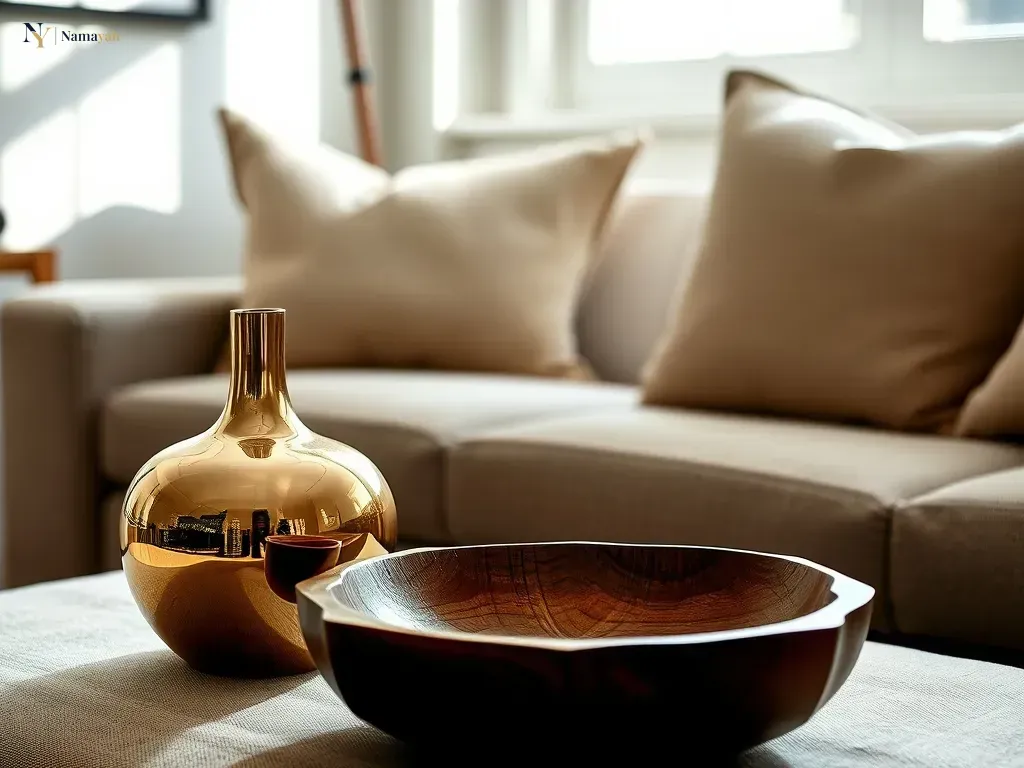
True luxury lies in the details. When you choose to incorporate handcrafted elements, you move away from mass-produced uniformity. This shift allows your personality to shine through your interior design choices. For example, a single hand-carved wooden bowl or a polished brass vase can serve as a focal point in an otherwise minimalist room. Therefore, the key is to select items that resonate with your personal history and aesthetic preferences. If you are curious about our own journey in preserving these traditions, you can learn more about our story by visiting our journey.
Understanding the Balance of Textures
One of the most important aspects of styling artisanal home decor is the effective use of texture. Artisanal items often feature raw, tactile surfaces that contrast beautifully with smooth, modern finishes. For instance, pairing a rough-hewn wooden tray with sleek glass candle holders creates a sophisticated visual tension. This contrast prevents a room from feeling flat or overly staged. Furthermore, consider the weight of your objects. Heavy brass accents ground a space, while lighter wooden carvings add warmth and organic movement. Always aim for a mix that feels intentional rather than cluttered.
Layering for Depth and Interest
Layering is essential when you want to create a space that feels lived-in and inviting. Start by placing your larger, statement pieces first. These items act as the foundation for your design. Once the main elements are in place, you can begin to layer smaller accessories around them. For example, place a set of handcrafted coasters on a coffee table, or arrange a collection of small brass figurines on a bookshelf. This technique draws the eye across the room and encourages guests to explore the finer details of your decor. Remember that negative space is just as important as the objects themselves, so avoid overcrowding your surfaces.
Incorporating Brass and Copper Accents
Metal accents are a staple in luxury interior design. Brass and copper, in particular, bring a sense of warmth and history to any room. When styling these materials, consider the finish of the metal. Polished brass offers a bright, reflective quality that works well in formal dining areas. Conversely, an aged or brushed finish provides a more rustic, grounded feel. If you are interested in maintaining the luster of these pieces, you can find helpful tips in our guide on preventing metal tarnish.
Mixing Metals with Confidence
Many people fear mixing metals, but it is a highly effective way to add depth to your decor. The trick is to choose one dominant metal and use the others as accents. For example, if your room features brass hardware, you can introduce copper decorative bowls to create a subtle, layered look. This approach feels more natural and less rigid than matching every single finish in the room. According to industry experts at the Architectural Digest, mixing metals is a hallmark of a sophisticated, designer-led home. By following this advice, you can create a space that feels curated over time.
The Role of Wooden Heritage in Modern Homes
Wood is the ultimate grounding element in interior design. Whether it is a hand-carved side table or a set of artisanal kitchen tools, wood brings an organic warmth that synthetic materials simply cannot replicate. When styling wooden pieces, consider the grain and the tone of the wood. Darker woods like teak or mahogany add a sense of drama and formality, while lighter woods like mango or acacia feel more casual and airy. You can explore our collection of traditional pieces by browsing our wooden heritage archives.
Creating Functional Art
Artisanal decor should be as functional as it is beautiful. Do not be afraid to use your handcrafted items in your daily routine. A hand-carved wooden platter is perfect for serving appetizers, and a brass pitcher can serve as a stunning water carafe. By integrating these pieces into your daily life, you honor the artisan who created them. Furthermore, functional art adds a layer of authenticity to your home that purely decorative items cannot match. This practice is supported by the Craft Council, which emphasizes the importance of keeping traditional skills alive through daily use.
Lighting and Placement Strategies
Lighting plays a crucial role in how your decor is perceived. Natural light highlights the intricate details of hand-carved wood and the warm glow of polished brass. Therefore, place your most prized artisanal pieces near windows or under soft, warm-toned lamps. Avoid harsh, direct overhead lighting, which can wash out the textures and colors of your decor. Instead, use accent lighting to draw attention to specific areas of the room. This simple change can make a significant difference in the overall atmosphere of your home.
The Power of Focal Points
Every room needs a focal point. This is the first thing the eye sees when entering the space. When styling artisanal home decor, choose one or two significant pieces to anchor the room. For example, a large, hand-hammered copper wall hanging or a statement wooden sculpture can serve as a conversation starter. Once you have established your focal point, arrange your other decor items to complement it rather than compete with it. This creates a sense of harmony and balance that is essential for a luxury living environment.
Conclusion: Your Journey to a Timeless Home
Styling artisanal home decor is a continuous process of discovery and refinement. It is about finding pieces that speak to you and integrating them into your life in a way that feels authentic. By focusing on quality, texture, and balance, you can create a home that is not only beautiful but also deeply personal. Remember that there are no strict rules in interior design; the most important thing is that your space reflects your unique story. We hope this guide has inspired you to embrace the beauty of handcrafted artistry. If you have any questions or need personalized advice, please feel free to contact us for further assistance. Your home is a canvas, and every artisanal piece you add is a brushstroke of history and elegance.