
Styling Artisan Home Decor: Create a Luxurious Indian Space
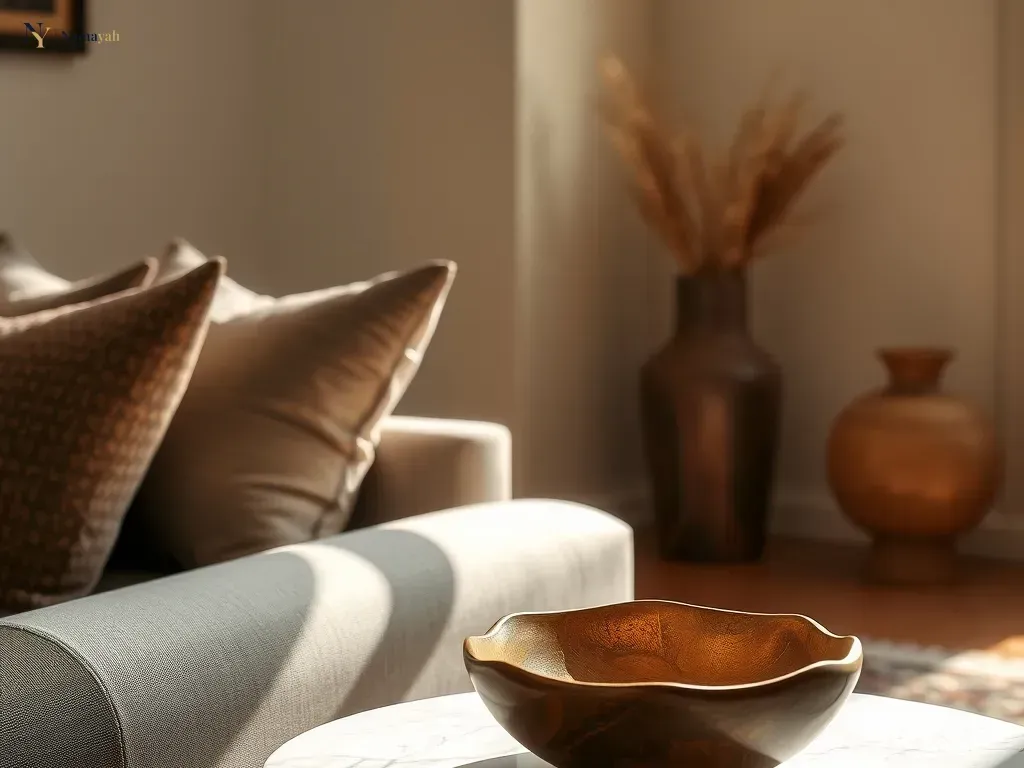
Styling artisan home decor is an art form that transforms a standard house into a soulful, luxurious sanctuary. When you choose handcrafted items, you are not just selecting accessories; you are inviting history, culture, and intentional design into your daily life. Creating a balanced, elegant environment requires an understanding of how to blend traditional craftsmanship with modern aesthetic sensibilities. By focusing on quality over quantity and story-rich objects, you can elevate your interior design to reflect a truly sophisticated, heritage-inspired lifestyle. Whether you are arranging brass vessels or wooden accents, the secret lies in curated placement and thoughtful composition.
Understanding the Artisan Philosophy
The Value of Handmade Pieces
Artisan home decor carries the energy of the maker. Unlike mass-produced items, each piece holds unique imperfections that define its character and value. When you invest in handcrafted goods, you support a legacy of skill passed down through generations. These items often feature natural materials like sustainable wood or polished metal, which age gracefully over time. Understanding the backstory of your decor allows you to speak to its origin, adding depth to your home’s narrative. For more on our commitment to these values, explore our About Us page.
Integrating Heritage into Modernity
Modern luxury living emphasizes clean lines, but it can often feel cold without the human touch. Artisan pieces act as the perfect counterpoint to minimalist architecture. For example, a heavy, hand-carved wooden bowl placed on a sleek glass dining table creates an immediate visual anchor. This contrast celebrates the beauty of both eras. Therefore, do not be afraid to mix styles. Modern furniture provides the canvas, while your artisan treasures bring the personality. Keep the overall palette neutral to let the craftsmanship of each individual item truly shine.
Balancing Materials and Textures
The Harmony of Brass and Wood
Creating a cohesive look starts with balancing different textures. Brass offers a warm, reflective quality that brightens dim corners, while wood provides organic warmth and texture. You can create a visually engaging display by stacking books on a wooden tray topped with a small brass figurine. This technique uses varying heights and materials to draw the eye. Furthermore, consider the tactile experience. Luxury is just as much about how a surface feels under the fingertips as it is about how it looks. Always aim for a mix of smooth metals and grain-rich woods to achieve professional-grade depth.
Avoiding Visual Clutter
When styling artisan home decor, the temptation is to display every beautiful item you own. However, restraint is the hallmark of a refined home. Instead of filling every shelf, use the 'rule of three' to create small, deliberate vignettes. Group items of different sizes, shapes, and textures together. By leaving empty space around your displays, you allow each piece to breathe. This approach ensures that your home feels curated rather than crowded. If an item does not add beauty or utility, consider rotating it out of your display periodically to keep the space feeling fresh.
Lighting Techniques for Artisan Pieces
Highlighting Metallic Finishes
Brass and copper objects require specific lighting to reach their full potential. If your decor is placed in a dark corner, the material will look dull. Use accent lighting, such as a directional spotlight or a warm-toned lamp, to emphasize the reflective qualities of these metals. The light should catch the curves and edges of the metal, creating soft shadows that accentuate the form. You can learn more about managing these materials in our guide on how to prevent tarnishing. Proper lighting not only protects your investment but also enhances the overall ambiance of your room.
Creating Warmth with Natural Light
Natural light is the best friend of artisan decor. During the day, place your wooden and metal treasures near windows where sunlight can hit them directly. This highlights the natural grain of the wood and the subtle patina on brass. If your room lacks natural light, use warm-temperature bulbs to simulate the golden glow of the sun. Avoid cool, blue-toned LED lights, as these can make traditional crafts look clinical and flat. By maintaining a warm, consistent light temperature, you preserve the inherent charm of your artisanal finds.
Practical Styling Tips for Every Room
The Living Room Focal Point
In the living room, your coffee table acts as the primary stage for styling. Start with a solid foundation, such as a wooden tray or a linen runner. Place a tall, slender brass vase on one side to provide height. Balance it with a small stack of art books and a unique, hand-carved bowl on the other. This triangular arrangement creates a professional aesthetic that is visually balanced. Remember that height variation is crucial for preventing a flat, uninteresting display. According to Architectural Digest, layering textures is the most effective way to add dimension to a living space.
Dining and Kitchen Elegance
Styling artisan home decor in the kitchen or dining area should prioritize function alongside beauty. Use your handcrafted wooden utensils as part of the decor by placing them in an artisan-made vessel on the counter. A large copper or brass serving tray can act as a centerpiece for your dining table, even when not in use. When guests arrive, the beauty of these items enhances the dining experience. Ensure that any pieces used for food are properly maintained to keep them safe and lustrous. This practical approach ensures that your home is both a gallery and a functional living space.
Seasonal Rotation and Maintenance
Refreshing Your Space
Styling is not a one-time event; it is an evolving process. As the seasons change, rotate your artisan decor to reflect the shifting mood of the year. During the winter, bring out heavier, darker wood pieces and polished brass that reflects the glow of a fireplace. In the spring and summer, opt for lighter, airier arrangements. This rotation keeps your home from feeling stagnant and allows you to appreciate your collection throughout the entire year. By treating your home like a living gallery, you stay connected to every piece you own.
Long-Term Preservation
Preserving the beauty of your artisan decor is essential for long-term enjoyment. Always follow manufacturer guidelines for cleaning wood and metal. For instance, avoid harsh chemicals that can strip the natural finish from wood. Similarly, handle brass and copper with clean hands to prevent skin oils from causing premature tarnishing. When in doubt, consult resources from the Smithsonian Museum Conservation Institute regarding the preservation of cultural artifacts. Consistent, gentle care ensures that your pieces will continue to look exquisite for years to come. Ultimately, a well-cared-for home tells a story of respect for both the maker and the object itself.
Conclusion
Styling artisan home decor is a journey toward creating a space that feels personal, intentional, and timeless. By choosing pieces that matter, balancing materials, and using light to your advantage, you can build a home that is truly your own. Remember that the goal is not perfection, but rather the creation of an environment that sparks joy and reflects your unique heritage. Start small, experiment with different layouts, and allow your collection to grow organically. Your home should be a reflection of your values, celebrating the beauty of the human hand in a world of factory-made goods. Embrace the process, cherish your treasures, and enjoy the process of making your space a sanctuary of modern luxury and traditional elegance.