
Selecting Authentic Indian Artisan Decor for Your Home
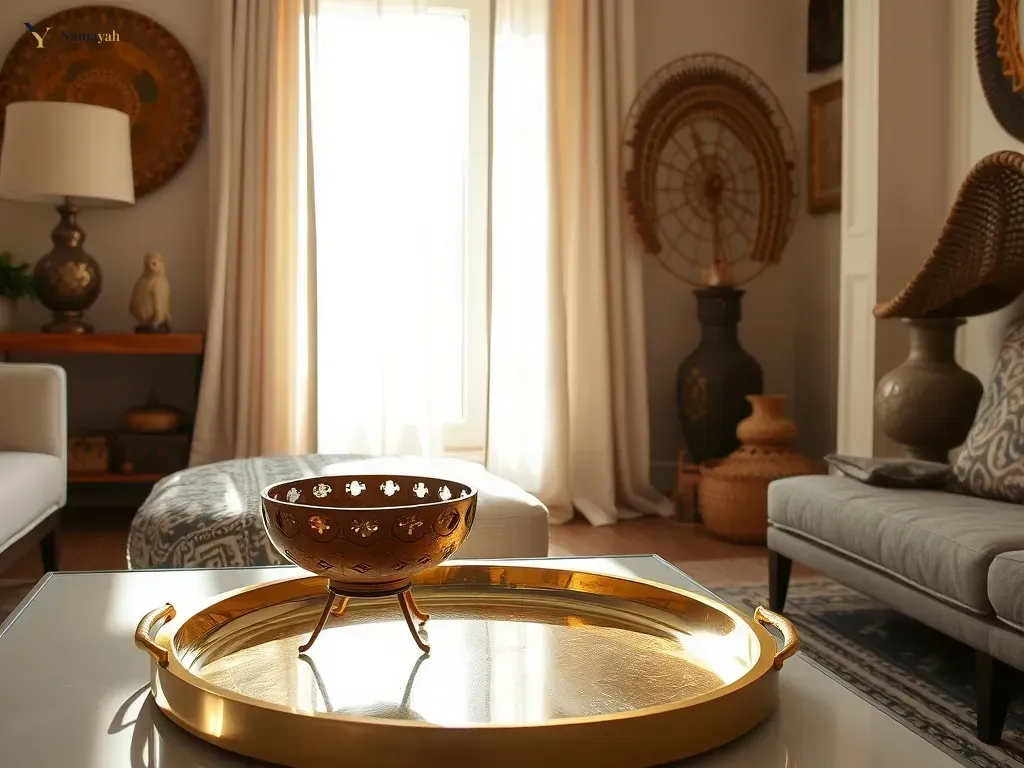
Selecting authentic indian artisan decor can transform a house into a curated sanctuary. When you choose handmade pieces, you connect with centuries of tradition and skill. However, finding genuine items in a market flooded with mass-produced replicas is challenging. Therefore, you must develop a keen eye for quality and provenance. This guide will help you navigate the process of identifying true craftsmanship and choosing pieces that reflect your unique style. By focusing on materials and techniques, you can ensure your home reflects timeless Indian artistry.
Understanding the Importance of Authenticity
Authentic Indian artisan decor carries a story. Every hand-hammered brass bowl or hand-carved wooden sculpture represents a lineage of craft passed down through generations. These items possess a soul that machine-made products simply cannot replicate. When you invest in authentic work, you support local livelihoods and sustainable practices. You preserve cultural heritage while adding depth to your interior design. True artisans often use traditional tools that leave subtle, unique marks on every finished piece. These imperfections prove the object was made by human hands rather than a factory line. Understanding this distinction is the first step toward building a meaningful collection.
Why Origin Matters in Luxury Decor
Provenance is the history of an object. When you purchase from reputable sources, you gain insight into the origin of your decor. Many regions in India are famous for specific crafts. For example, artisans from Uttar Pradesh often excel at intricate metal inlay work. Meanwhile, woodcarvers from Rajasthan are renowned for their detailed floral motifs. Researching the regional origins helps you appreciate the specialized skills required for each item. You can explore the rich background of our craft in our about us page to see how we uphold these standards. Choosing authentic items ensures that your decor is not just beautiful, but also historically significant.
Identifying Genuine Handcrafted Materials
Material quality is a hallmark of authentic Indian artisan decor. Genuine brass, copper, and sustainably sourced woods behave differently than synthetic alternatives. For instance, authentic copper will naturally develop a patina over time when exposed to air. If a piece stays perfectly shiny indefinitely, it may have a synthetic lacquer that hides the true metal quality. Similarly, solid wood furniture or decor will show unique grain patterns that vary throughout the piece. You should always look for weight, texture, and natural variations as indicators of high-quality materials. If an item feels surprisingly light or features uniform, repetitive patterns, it might be a mass-produced mold rather than a handcrafted treasure.
Testing for Quality and Durability
When evaluating home decor, look for signs of manual labor. Hand-finished brass items often display slight variations in weight and surface texture. These differences are evidence of individual care. You can find detailed advice on maintaining your metal collections by reading our guide on metal care. Additionally, check the joints on wooden pieces. Skilled artisans use traditional joinery techniques, which provide superior structural integrity compared to nails or heavy industrial glue. A well-made piece should feel sturdy and balanced. If you are ever unsure about a piece, don't hesitate to ask for details about the creation process. Authentic makers are usually proud to explain their methods.
The Role of Traditional Techniques
Traditional techniques are the backbone of Indian decorative arts. Methods such as repoussé for metalwork or Jali carving for wood require years of practice to master. These skills are often protected by artisan communities who pass them down within families. When you select items created with these methods, you are preserving living history. For example, the process of hand-beating metal creates a unique surface tension that increases the durability of the item. According to the UNESCO Intangible Cultural Heritage guidelines, these traditional crafts are vital for maintaining cultural diversity. Supporting these practices ensures that future generations can continue to learn and refine these beautiful, complex techniques.
Recognizing Masterful Finishes
A finish reveals the artisan's dedication. A hand-polished finish will have a warm, organic glow, whereas a factory finish may appear overly glossy or plastic-like. Look for soft edges and smooth transitions in the design. Intricate details should be crisp and deliberate. If you see blurriness or softened lines, it suggests the item was cast from a mold rather than carved or hammered individually. Authentic decor often features subtle tool marks, which add character and authenticity to the final product. These marks are not flaws; they are the signature of the person who created the piece. Embracing these details allows you to appreciate the human element in your home decor.
Sustainable Sourcing and Ethical Choices
Ethical shopping is an essential part of selecting authentic indian artisan decor. Modern luxury living increasingly values sustainability, and artisans often use natural materials that are environmentally friendly. By choosing items from creators who prioritize fair wages and safe working conditions, you make a positive impact. Many Indian artisan collectives operate on principles of community support and resource management. You can learn more about these global standards of sustainable production through the World Fair Trade Organization resources. When you buy ethically, you ensure that the artistic traditions you admire are supported by a healthy, thriving ecosystem of skilled makers.
Incorporating Artisan Pieces into Modern Homes
Integrating traditional decor into a modern home requires balance. You do not need to fill every corner with ethnic items to make an impact. Instead, use selected pieces as focal points. A single, large hand-hammered brass vessel on a sleek, minimalist console table creates a striking visual contrast. This pairing highlights the beauty of both the modern furniture and the traditional accent. Consider the scale and color palette of your room when choosing items. A neutral background often allows the intricate details of handcrafted decor to stand out effectively. Mix different textures to keep the space feeling dynamic and layered. Whether you prefer a bohemian flair or a clean, contemporary aesthetic, artisan decor offers versatility.
Conclusion: Investing in Timeless Artistry
Selecting authentic indian artisan decor is an investment in beauty and culture. By prioritizing authenticity, you bring objects into your home that have meaning, durability, and character. You move away from disposable culture and toward a life of intentional, sustainable luxury. Always look for signs of handmade quality, research the origin of your items, and choose pieces that resonate with your personal aesthetic. With these steps, you can build a collection that feels deeply personal and reflects the rich legacy of Indian craftsmanship. Remember that every authentic piece you own is a testament to the artisan's skill and a valuable addition to your home's story. If you have questions about our collection or the artisans we partner with, please contact us to begin your journey.