
Preserving Indian Artisan Traditions Through Luxury Living
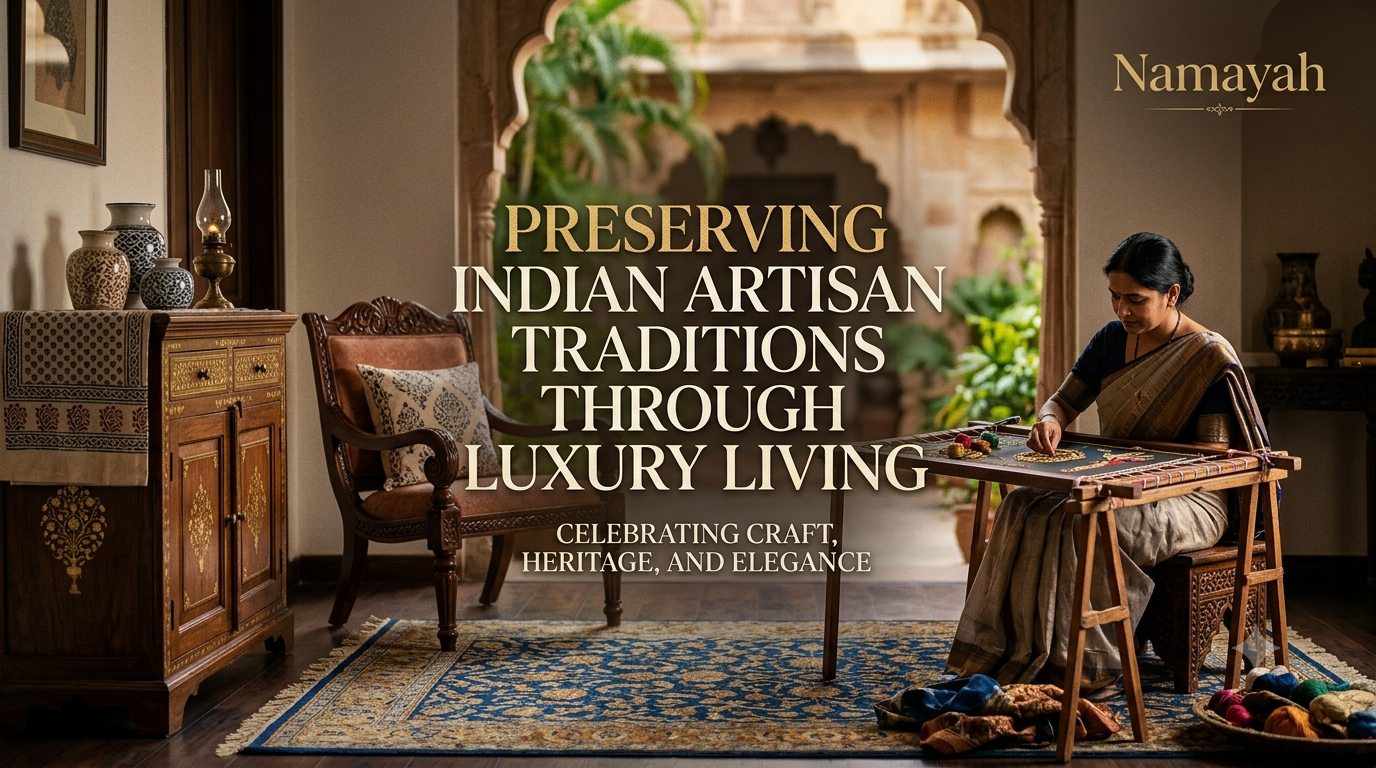
Luxury living today is about far more than premium materials and elegant architecture. Increasingly, homeowners seek spaces that tell meaningful stories, celebrate cultural heritage, and reflect authentic craftsmanship. One of the most impactful ways to achieve this is by incorporating handcrafted pieces created by Indian artisans.
India’s artistic traditions have been passed down through generations, preserving centuries-old skills that continue to inspire architects, designers, and collectors worldwide. By choosing handcrafted furniture, textiles, décor, and architectural details, luxury homeowners contribute to preserving these invaluable traditions while creating timeless interiors.
India’s Rich Craft Heritage
India is home to one of the world’s most diverse artisan communities. Every region contributes unique craftsmanship shaped by local culture, history, and natural resources.
Examples include:
- Handwoven textiles
- Intricate wood carving
- Brass and metalwork
- Marble inlay
- Stone carving
- Blue pottery
- Hand-knotted carpets
- Block printing
- Bamboo craftsmanship
- Traditional embroidery
These crafts represent generations of knowledge, artistic expression, and cultural identity. Each handmade piece carries subtle variations that distinguish it from mass-produced alternatives.
The Rise of Conscious Luxury
Modern luxury consumers increasingly value authenticity, sustainability, and heritage. Instead of filling homes with factory-made décor, many prefer handcrafted products that offer originality and lasting quality.
Conscious luxury focuses on:
- Exceptional craftsmanship
- Sustainable production
- Ethical sourcing
- Long-lasting quality
- Cultural significance
- Timeless design
This shift allows artisan-made products to become defining features of sophisticated living spaces.
Handcrafted Elements in Luxury Homes
Indian craftsmanship enhances nearly every part of a luxury residence.
Statement Furniture
Handcrafted wooden dining tables, carved cabinets, and bespoke seating introduce warmth and individuality into modern interiors.
Decorative Lighting
Handmade brass lamps and artisan-crafted lighting fixtures blend traditional artistry with contemporary aesthetics.
Textiles
Handwoven rugs, embroidered cushions, and handcrafted curtains add texture while celebrating regional weaving traditions.
Wall Décor
Hand-painted panels, carved wood art, and handcrafted installations become conversation pieces that showcase skilled workmanship.
Dining and Accessories
Ceramics, metalware, hand-blown glass, and decorative bowls elevate everyday living while supporting artisan communities.
Supporting Artisan Communities
Every handcrafted purchase creates opportunities for skilled artisans to continue practicing traditional techniques.
The benefits include:
- Preserving centuries-old skills
- Supporting rural livelihoods
- Encouraging younger generations to learn traditional crafts
- Promoting local economies
- Sustaining family-run workshops
- Preserving regional cultural identities
Responsible purchasing helps transform craftsmanship into a sustainable livelihood rather than a disappearing tradition.
Traditional Techniques Meet Modern Design
Luxury interior design increasingly blends heritage craftsmanship with contemporary architecture.
Examples include:
- Minimalist homes featuring hand-carved wooden doors
- Modern apartments with handcrafted brass accents
- Contemporary villas using traditional stone carving
- Luxury hotels displaying artisan textiles
- Designer residences featuring handcrafted furniture
This balance allows heritage techniques to remain relevant while meeting today’s design preferences.
Sustainability Through Handmade Craftsmanship
Handcrafted products often require fewer industrial processes than mass-produced alternatives.
Potential sustainability advantages include:
- Lower production waste
- Greater emphasis on durable materials
- Longer product lifespans
- Reduced dependence on large-scale manufacturing
- Repairability and restoration
- Support for local production ecosystems
While sustainability varies by craft and materials, thoughtfully sourced handmade products can contribute to more responsible consumption.
Choosing Authentic Artisan Products
When purchasing artisan-made luxury products, consider the following:
Research the Craft
Learn about the regional tradition, techniques, and materials behind the product.
Buy from Trusted Sources
Choose reputable brands, artisan collectives, certified craft organizations, or established designers that work directly with craftspeople.
Appreciate Handmade Variations
Small differences in color, carving, weaving, or finish are often signs of genuine handcrafted work.
Ask About Origin
Understanding where and how an item was made helps ensure authenticity and transparency.
Invest in Timeless Pieces
Quality handcrafted products are often designed to last for generations, making them meaningful long-term investments.
The Future of Indian Craftsmanship
Technology, design innovation, and global appreciation are creating new opportunities for Indian artisans. Designers increasingly collaborate with craftspeople to reinterpret traditional techniques for modern lifestyles without losing their cultural essence.
Education, fair market access, digital platforms, and consumer awareness all play important roles in preserving these traditions. As demand for authentic luxury continues to grow, handcrafted Indian products can remain both culturally significant and economically sustainable.
Choosing artisan-made décor is more than a design decision—it is an investment in cultural heritage, skilled craftsmanship, and enduring beauty.
Frequently Asked Questions
Why are Indian artisan crafts important?
They preserve cultural heritage, traditional skills, and regional identities while supporting the livelihoods of skilled craftspeople.
How does luxury living support artisans?
Luxury buyers often invest in handcrafted, high-quality products, creating demand for traditional craftsmanship and encouraging artisans to continue their work.
Are handcrafted products more sustainable?
Many handcrafted products emphasize durability, skilled labor, and smaller-scale production. Sustainability depends on the materials, sourcing, and production methods used.
What types of artisan products work best in luxury interiors?
Furniture, lighting, textiles, ceramics, metalwork, carved wood, stone décor, rugs, and handcrafted accessories all complement luxury spaces.
How can buyers identify authentic handcrafted products?
Purchase from trusted brands or artisan collectives, ask about the product’s origin, and recognize that slight variations are often characteristics of genuine handmade work.
Why is preserving artisan traditions important?
These traditions safeguard centuries of cultural knowledge, provide employment, and ensure valuable artistic techniques continue for future generations.
Conclusion
Preserving Indian artisan traditions through luxury living creates a meaningful connection between timeless craftsmanship and modern design. Every handcrafted piece carries history, skill, and cultural significance that cannot be replicated through mass production. By thoughtfully incorporating artisan-made furniture, textiles, décor, and architectural elements into luxury homes, homeowners help sustain traditional crafts while creating elegant, distinctive interiors. As appreciation for authentic craftsmanship continues to grow, luxury living has the potential to play a vital role in ensuring India’s remarkable artisan heritage thrives for generations to come.