
Natural Wood Accessories for Conscious Homeowners
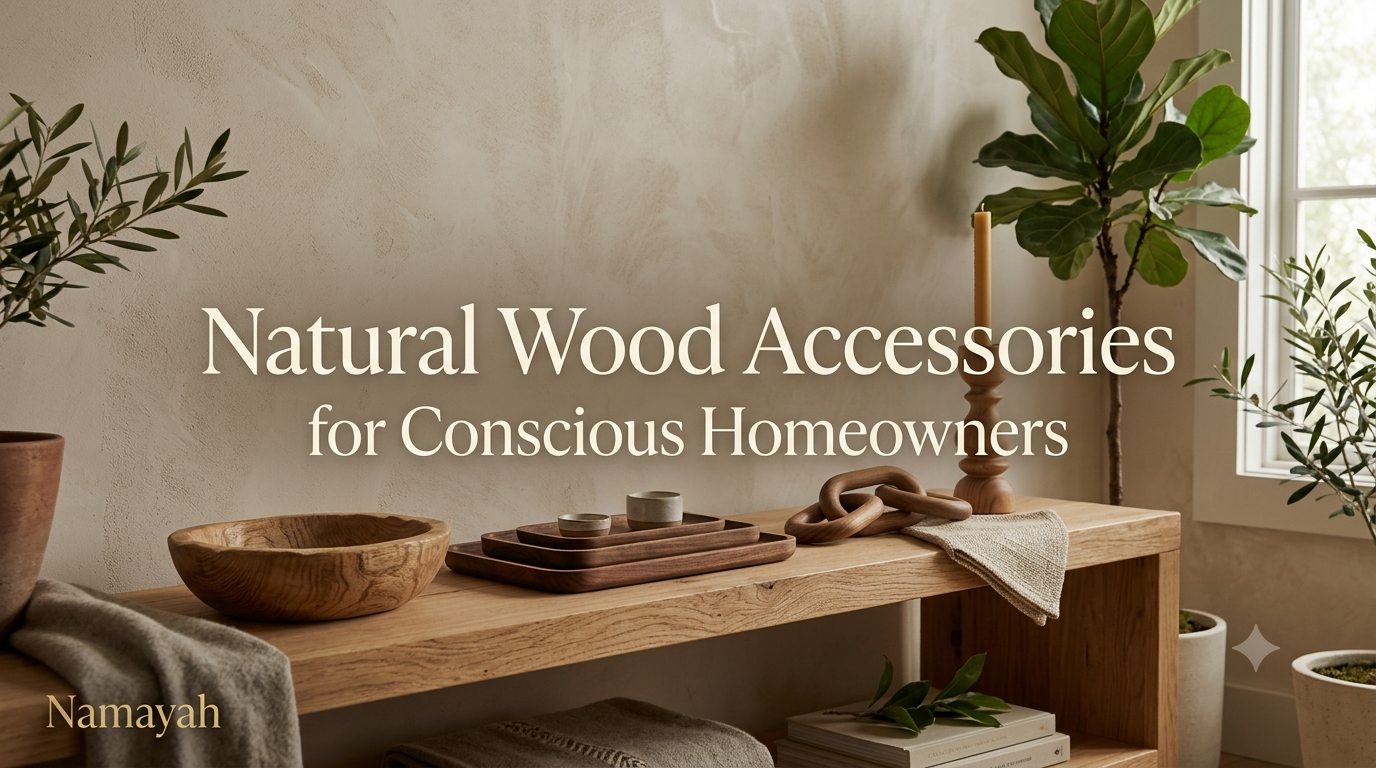
Natural wood accessories can bring warmth, texture, and functionality into a home while offering an alternative to heavily processed décor. For conscious homeowners, the best choice is not simply the product that looks natural. It is one that fits the intended use, is made from suitable wood, is designed for long-term use, and comes with clear information about its materials and sourcing.
From cutting boards and serving trays to storage boxes, bowls, frames, stools, and decorative pieces, wood can work across almost every room. The key is choosing thoughtfully rather than buying simply because something is marketed as “eco-friendly.”
Why Choose Natural Wood Accessories?
Wood has remained a popular home material because it combines practical performance with a distinctive visual character.
Every piece can have differences in grain, knots, tone, and texture. These natural variations give wooden accessories a less uniform appearance than many mass-produced synthetic products.
Wood can also complement a wide range of interior styles, including minimalist, rustic, Scandinavian-inspired, traditional, and contemporary spaces.
For homeowners, some of the main reasons to consider natural wood accessories include:
- Warm visual appeal: Wood can soften rooms dominated by hard surfaces.
- Material versatility: It can be shaped into kitchenware, furniture accents, storage, and décor.
- Long-term usability: Well-made wooden products can remain useful for years with appropriate care.
- Repair and maintenance potential: Some wooden products can be cleaned, refinished, or restored instead of immediately discarded.
- Distinctive character: Natural grain gives each item visual variation.
However, “natural” does not automatically mean environmentally preferable. Responsible purchasing requires looking beyond appearance.
What Makes a Wood Accessory a Conscious Choice?
A conscious purchase starts with understanding what you are buying.
Before choosing a wooden accessory, consider four questions:
- What is it made from?
- Where did the material come from?
- How durable is the product?
- Will I actually use it for a long time?
Clear product information can make comparison easier. Look for details about wood species, construction, finishes, care requirements, and sourcing where available.
You should also consider whether the accessory is appropriate for its intended purpose. A decorative wooden object and a food-contact kitchen item have different practical requirements.
The most sustainable purchase is not necessarily the product with the strongest environmental marketing. It may simply be a well-made item that meets a genuine need and stays in use for a long time.
Popular Natural Wood Accessories for the Home
Natural wood accessories can be used throughout the home. Choosing a few useful pieces can create visual consistency without making a room feel overly themed.
Wooden Kitchen Accessories
The kitchen is one of the easiest places to introduce wood because many everyday objects are traditionally made from it.
Popular options include:
- Cutting and serving boards
- Wooden utensils
- Bowls
- Trays
- Utensil organizers
- Spice racks
- Storage containers
- Pot stands
For food-contact products, pay particular attention to the manufacturer’s care instructions and the finish used on the product.
A wooden cutting board, for example, needs different maintenance from a decorative serving tray. Following the manufacturer’s instructions can help preserve the material and extend its useful life.
Wooden Dining Accessories
Wooden dining accessories can add warmth to everyday meals as well as special occasions.
Consider:
- Serving boards
- Salad bowls
- Serving trays
- Coasters
- Napkin rings
- Table organizers
- Decorative centerpieces
Rather than filling a table with matching wooden products, combine a few pieces with existing ceramics, glass, linen, or metal. This creates contrast while allowing the natural grain to remain a focal point.
Wooden Living Room Accessories
Wood can also work as an accent material in living spaces.
Useful choices include:
- Picture frames
- Small side tables
- Decorative bowls
- Storage boxes
- Candle holders designed for safe use
- Plant stands
- Bookends
- Wooden trays
The goal should be intentional placement. A single large wooden tray on a coffee table may have more visual impact than several small decorative objects scattered throughout the room.
Wooden Bedroom Accessories
In bedrooms, wood can support a calm and understated aesthetic.
Potential accessories include:
- Bedside organizers
- Jewelry boxes
- Clothes hangers
- Small stools
- Storage boxes
- Picture frames
- Decorative trays
- Plant stands
Choose pieces according to function first. An attractive wooden storage box that solves a genuine organization problem can be a more useful purchase than purely decorative objects.
How to Choose the Right Wood
Different wood species have different characteristics, so there is no single “best” wood for every accessory.
When comparing products, consider:
| Factor | Why It Matters |
| Intended use | Determines the required durability and finish |
| Hardness | Can influence resistance to dents and wear |
| Grain | Affects appearance and visual character |
| Moisture exposure | Important for kitchens and bathrooms |
| Finish | Influences appearance, maintenance, and use |
| Construction | Affects strength and longevity |
| Sourcing information | Helps you evaluate material claims |
For frequently handled accessories, durability may be more important than appearance. For decorative objects, grain and color may play a larger role.
Instead of choosing solely based on the name of the wood, evaluate the complete product.
Solid Wood vs. Composite Materials
Not every wooden-looking accessory is made from solid wood.
Some products use engineered or composite wood materials, veneers, laminates, or wood fibers. These materials can have legitimate uses, but they should not automatically be described as inferior or superior.
The important question is whether the material and construction are appropriate for the product.
| Feature | Solid Wood | Engineered/Composite Wood |
| Appearance | Natural grain throughout the material | May use veneer or manufactured surface |
| Construction | Made primarily from solid timber | Manufactured from wood fibers, particles, layers, or combinations |
| Repair potential | Often suitable for sanding or refinishing, depending on product | Depends heavily on construction |
| Stability | Can respond to changes in humidity | Often engineered for greater dimensional stability |
| Best approach | Evaluate species, construction, and sourcing | Evaluate composition, quality, and intended use |
Conscious shopping is about understanding these differences rather than assuming that one category is always the better choice.
How to Care for Natural Wood Accessories
Proper maintenance can help wooden products remain useful for longer.
General care practices may include:
- Follow the manufacturer’s cleaning instructions.
- Avoid prolonged exposure to water unless the product is specifically designed for it.
- Dry wooden items properly after cleaning.
- Keep products away from unnecessary heat and extreme moisture.
- Use only finishes or maintenance products recommended for the item.
- Inspect frequently used pieces for damage.
- Store wooden accessories in suitable conditions.
Kitchen products deserve particular attention because repeated exposure to moisture, food, heat, and cleaning can affect their condition.
If an item becomes damaged or unsafe for its intended use, replacing it may be preferable to continuing to use it.
Styling Natural Wood Accessories
Natural wood works particularly well when used as a contrast material.
For a modern room, try combining pale wood with clean surfaces and simple shapes. In a more traditional space, darker tones and visible grain can reinforce an established design.
A useful styling rule is to repeat wood subtly rather than matching everything exactly.
For example:
- Pair a wooden tray with ceramic objects.
- Use a wooden frame against a painted wall.
- Combine a wood bowl with textiles.
- Add a small wooden stool beside upholstered furniture.
- Use different wood tones carefully rather than creating a room filled with identical finishes.
Texture is often more important than perfect color matching.
Common Buying Mistakes to Avoid
Conscious homeowners can avoid unnecessary purchases by watching for a few common mistakes.
Buying Because It Looks “Natural”
A natural appearance does not tell you everything about the material, manufacturing, finish, or sourcing.
Check the product details rather than relying solely on marketing language.
Ignoring Intended Use
A decorative item may not be suitable for food preparation, outdoor use, or high-moisture environments.
Always check the product’s intended application.
Choosing Appearance Over Durability
A beautiful accessory that quickly becomes unusable may provide less value than a simpler, sturdier product.
Think about how often the item will be handled and what conditions it will experience.
Buying More Than You Need
Conscious consumption also means considering whether you need another accessory at all.
Before purchasing, ask:
What problem will this item solve, and how often will I use it?
That simple question can prevent decorative clutter and unnecessary spending.
Are Natural Wood Accessories Worth It?
Natural wood accessories can be worthwhile when they combine useful design, appropriate materials, durable construction, and manageable care requirements.
The strongest purchase is not necessarily the most expensive or the most heavily marketed as sustainable. Instead, look for an item that fits your home, serves a real purpose, and is likely to remain useful.
For conscious homeowners, thoughtful selection matters more than simply choosing products with a natural appearance.
FAQs
Are natural wood accessories environmentally friendly?
They can be a more thoughtful choice depending on the wood source, manufacturing process, product durability, and how long the item remains in use. “Natural wood” alone is not enough to establish an environmental benefit.
What wood is best for home accessories?
There is no single best wood. The right choice depends on the accessory’s intended use, durability requirements, moisture exposure, appearance, construction, and available sourcing information.
How do you maintain wooden home accessories?
Follow the manufacturer’s care instructions. In general, avoid unnecessary prolonged moisture, dry items appropriately, and use recommended maintenance products when required.
Can wooden accessories be used in the kitchen?
Yes, many wooden accessories are designed for kitchens. However, food-contact products should be specifically intended for that purpose, and their cleaning and maintenance instructions should be followed carefully.
Do wooden accessories work with modern interiors?
Yes. Simple wooden trays, frames, bowls, stools, and organizers can add warmth and texture to modern interiors without making the space look rustic.
Are solid wood accessories better than engineered wood products?
Not automatically. Solid and engineered wood have different characteristics. The better option depends on the intended use, construction quality, durability, maintenance requirements, and material information.
How can I buy wood accessories more responsibly?
Look for clear material information, appropriate construction, durability, responsible sourcing information where available, and products you genuinely expect to use for a long time.
How many wooden accessories should I have in a room?
There is no fixed number. Start with functional pieces and add decorative items selectively. A few well-chosen accessories can create a stronger effect than a crowded collection.
Conclusion
Natural wood accessories can make a home feel warmer, more tactile, and more connected to natural materials. For conscious homeowners, however, choosing wood is only the beginning.
Consider the product’s purpose, construction, wood type, sourcing information, finish, durability, and care requirements. Most importantly, choose items you genuinely need and expect to use for years.
Thoughtful selection can turn natural wood accessories from simple décor into practical elements of a more intentional home.