
Maintaining Handcrafted Wood Decor: Expert Care Guide
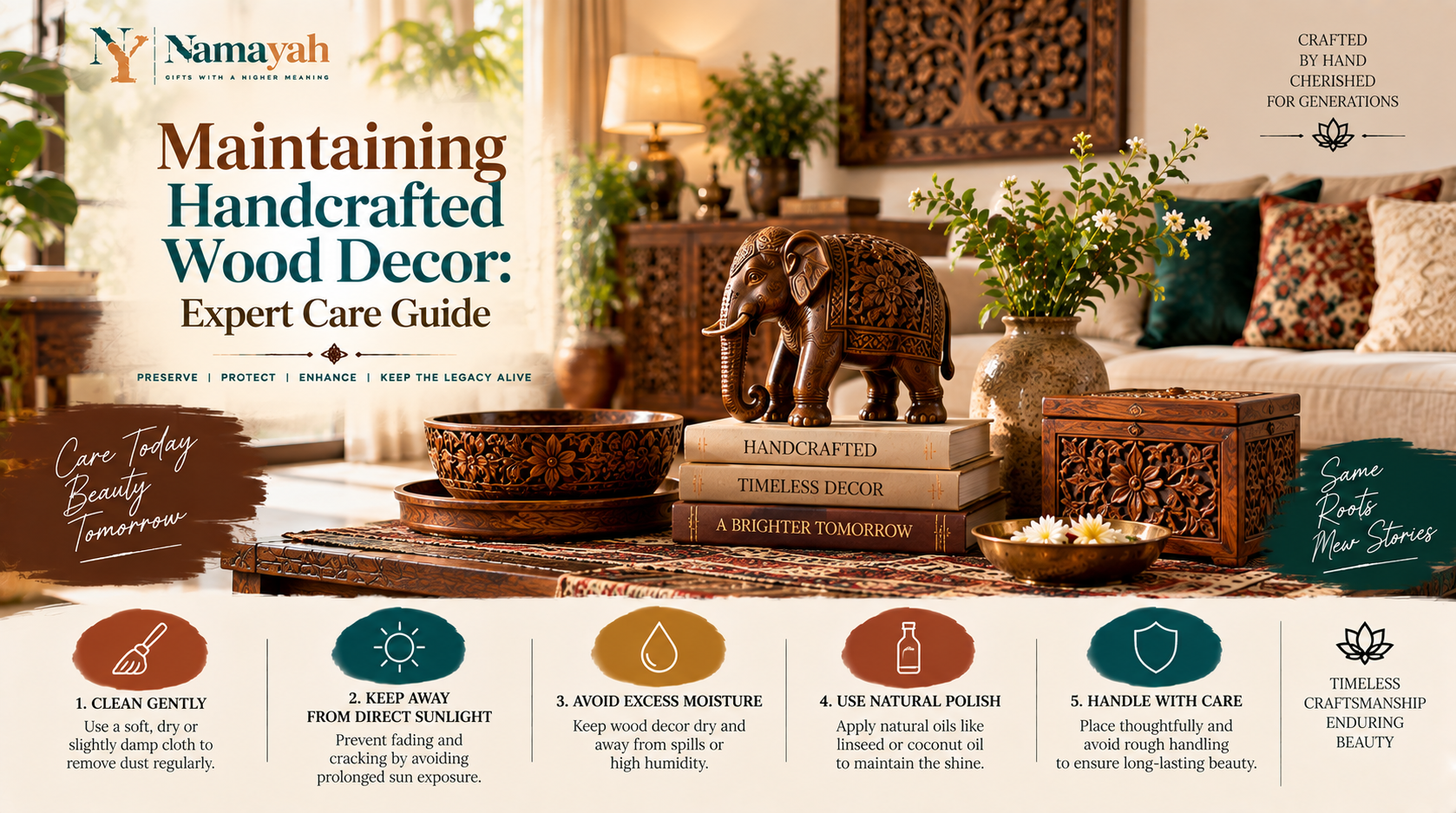
Handcrafted wooden pieces bring a unique, organic warmth to any home, but they require specific attention to remain as breathtaking as the day they were crafted. Maintaining handcrafted wood decor is not merely about cleaning; it is about honoring the artisan’s labor and ensuring the longevity of natural materials that breathe and evolve over time. Proper care ensures that your investment continues to serve as a centerpiece of your interior design for generations to come. By understanding the nature of wood, you can implement effective wood decor maintenance tips that prevent cracking, fading, and structural degradation.
Related: brass vs copper home decor
Related: handcrafted wooden home decor
Related: delhi artisan markets home accessories
Related: namayag wholesale pricing comparison
The Nature of Artisan Woodwork
Unlike mass-produced furniture, luxury handcrafted items often feature intricate grain patterns and specialized finishes. Because wood is a porous, organic material, it reacts continuously to its environment, absorbing and releasing moisture based on humidity levels. Understanding this biological reality is the foundation of any care guide for luxury wood items. Without proper protection, wood can warp, split, or lose its luster when exposed to extreme conditions. At Namayah, our journey of passion and craftsmanship is rooted in the belief that every piece tells a story. When you bring these treasures into your space, you are essentially adopting a piece of heritage. To learn more about our commitment to excellence, you can visit our story. Keeping your wooden pieces in a stable environment is the first step in long-term preservation.
Routine Cleaning and Dusting
Daily care is the most effective way to prevent long-term damage. Dust acts as an abrasive over time, potentially scratching fine finishes if allowed to accumulate. Use a soft, lint-free microfiber cloth to gently wipe away particles. Avoid synthetic feather dusters or harsh paper towels, as these can create microscopic scratches on the wood surface. When cleaning wooden kitchenware or serving pieces, never soak the items in water. Wood fibers expand significantly when saturated, which leads to swelling and eventual cracking once the item dries. Instead, wipe items down with a slightly damp cloth followed by an immediate buffing with a dry, soft towel. If you notice sticky residues, use a mild soap solution, but ensure the wood is dried thoroughly afterward to prevent warping.
Deep Conditioning for Longevity
Over time, even the most resilient hardwoods lose their natural moisture and may begin to appear dull or chalky. Applying a high-quality wood wax or food-safe mineral oil is essential for preserving handcrafted wooden accents. This process replaces the oils that evaporate from the wood fibers, keeping them supple and vibrant. According to the University of Minnesota Extension, using the right products is critical to preventing finish damage. Apply a small amount of oil to a clean cloth and work it into the grain in a circular motion. Allow the wood to absorb the oil for about twenty minutes, then buff away any excess with a fresh, clean cloth. This simple routine, performed twice a year, can dramatically extend the life of your decor.
Preventing Environmental Damage
Sunlight is the primary enemy of natural finishes. UV rays break down the chemical structure of wood stains and can cause uneven fading or bleaching. While a sun-drenched room is beautiful, keep your heirloom wooden pieces away from direct, harsh sunlight. If you must display items near windows, consider using UV-filtering curtains to mitigate the impact. Temperature fluctuations are equally dangerous. Avoid placing wooden decor near radiators, heaters, or air conditioning vents. Rapid changes in heat or humidity cause the wood to expand and contract too quickly, which leads to structural stress and visible splits. Maintaining a consistent indoor environment is key to wood decor maintenance tips that actually work.
Handling Scratches and Minor Damage
Accidents happen, but minor surface scratches do not mean your piece is ruined. For light surface marring, a professional-grade wood touch-up marker that matches the tone of your item can often hide the scratch completely. For deeper imperfections, consult a professional restorer before attempting to sand or refinish the area yourself, as you risk damaging the original artisan finish. If you are dealing with significant damage to your luxury items, it is always best to reach out for professional advice. You can contact our team if you have specific questions about the care of your Namayah pieces. Prevention is always superior to repair, so keeping your decor away from sharp objects and heavy heat sources remains the best strategy.
Specialized Care for Kitchenware
Cleaning wooden kitchenware requires a slightly different approach than decorative accents, as these items come into direct contact with food. Many commercial cleaners contain harsh chemicals that are unsafe for ingestion. Stick to natural, food-grade ingredients. A mixture of lemon juice and coarse salt is an excellent natural scrub for removing stubborn stains on wooden cutting boards or bowls. Always ensure that food-grade boards are sanitized properly. The United States Department of Agriculture provides comprehensive information on keeping kitchen tools safe. By maintaining a strict cleaning schedule, you ensure that your wooden kitchenware remains hygienic while retaining its beautiful aesthetic for years.
Conclusion
Maintaining handcrafted wood decor requires patience and a gentle touch, but the rewards are significant. By integrating these practices into your regular home maintenance routine, you protect the soul and beauty of your artisanal pieces. Whether you are caring for a decorative sculpture or functional kitchenware, consistency is the key to preserving the integrity of the material. For those interested in exploring more about our collection and the history behind our craft, feel free to browse our Wooden Heritage category to learn more about how we curate and sustain our artistic legacy.