
Luxury Interior Styling Ideas for Modern Indian Apartments
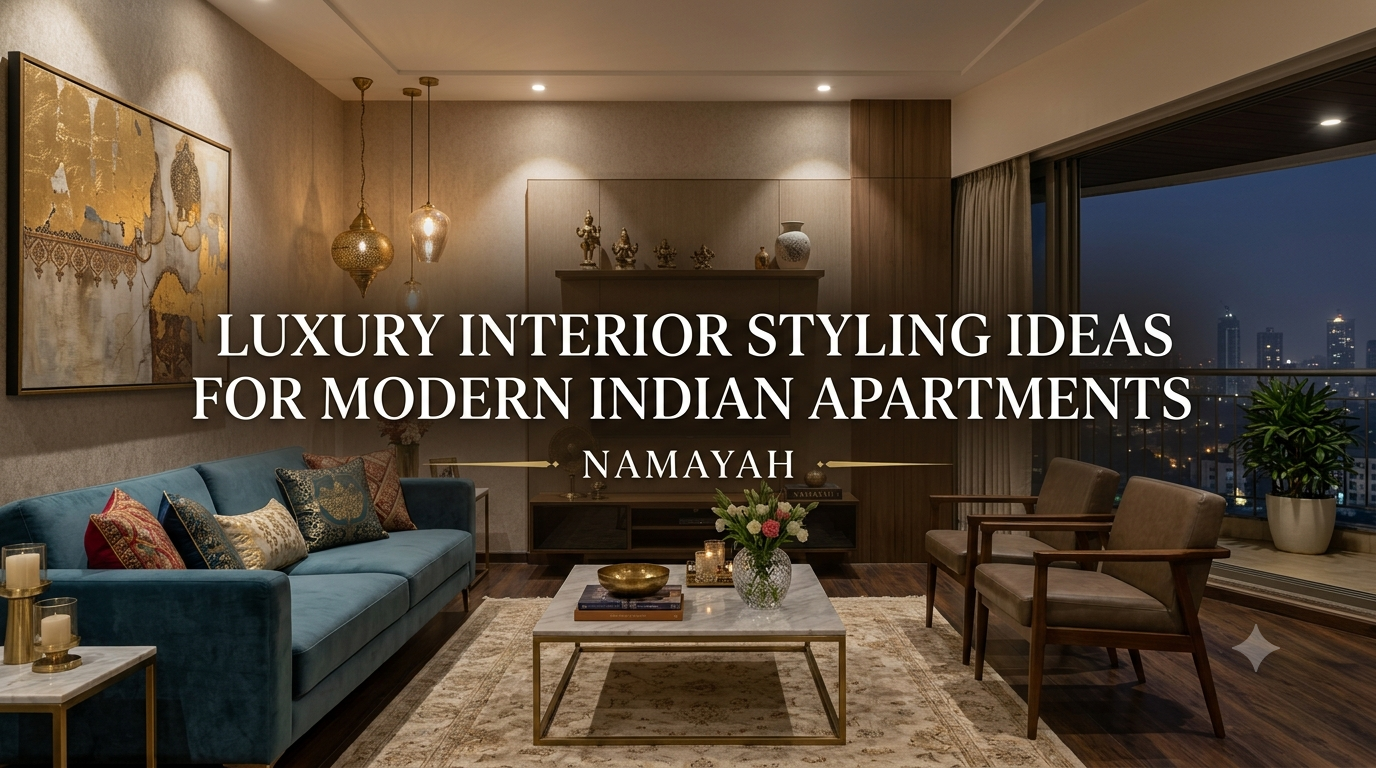
Luxury in an apartment is not simply about expensive furniture, marble surfaces, or oversized chandeliers. The most successful luxury interiors usually depend on proportion, material quality, lighting, restraint, comfort, and personality.
For modern Indian apartments, the opportunity is even greater: contemporary layouts can be combined with Indian woodwork, textiles, artwork, stone, brass, ceramics, and craft traditions to create a home that feels sophisticated without losing its cultural character.
Recent Indian residential projects show a growing preference for warm minimalism, tactile materials, personalised objects, natural finishes, and restrained opulence rather than decoration for its own sake.
Here are practical luxury interior styling ideas you can adapt to apartments of different sizes.
What Makes an Indian Apartment Look Luxurious?
A luxurious apartment typically feels intentional rather than crowded. Instead of filling every surface with decorative objects, focus on a smaller number of visually important elements.
Think about:
- A cohesive colour palette
- High-quality-looking materials
- Layered lighting
- Comfortable, well-proportioned furniture
- Custom or built-in storage
- Statement artwork
- Natural textures
- Indian craftsmanship used selectively
- Clear visual pathways
- Plenty of breathing room
This approach is particularly useful in apartments where floor area is limited. A Mumbai apartment featured by Architectural Digest India, for example, used lighter colours, streamlined furniture, hidden storage, and reflective surfaces to maintain a spacious contemporary feel.
1. Start With a Warm Neutral Palette
Warm neutrals provide one of the easiest foundations for luxury interior styling.
Instead of relying exclusively on bright white, consider combinations such as:
- Ivory and walnut
- Beige and teak
- Taupe and cream
- Sand and muted brown
- Greige and brass
- Off-white and olive
- Warm grey and natural stone
The advantage of a neutral foundation is flexibility. You can introduce colour through artwork, cushions, rugs, plants, ceramics, or accent furniture without making the apartment feel visually busy.
For a distinctly Indian interpretation, pair creamy walls with teak, walnut, cane, woven textiles, or stone.
2. Layer Natural Materials
Luxury becomes more convincing when a room has material depth.
Instead of using one finish everywhere, combine materials that complement each other. For example:
Marble + wood + linen + metal
or
Stone + leather + glass + textured fabric
or
Teak + cane + cotton + brass
Recent Indian interiors demonstrate how marble, wood, metal, stone, and textured surfaces can create richness without excessive ornamentation.
The goal is not to use every premium material available. Choose two or three dominant materials and repeat them subtly throughout the home.
3. Bring Indian Craftsmanship Into Modern Spaces
A modern Indian apartment does not need to look traditionally decorated.
Instead, introduce Indian influences through carefully selected details.
Consider:
- Handwoven rugs
- Block-printed cushions
- Brass objects
- Carved or fluted wood
- Indian paintings
- Contemporary sculptures
- Cane furniture
- Handcrafted ceramics
- Traditional textiles used in modern silhouettes
- Locally sourced stone
The strongest approach is often to reinterpret tradition rather than reproduce it literally. Recent Indian residential design has explored local materials, artisanal elements, heritage details, and traditional craft through contemporary layouts.
For example, a sleek contemporary console can be paired with a traditional brass sculpture, or a minimalist bedroom can feature a handwoven Indian rug.
4. Make Lighting Part of the Design
Good lighting can completely change the perception of an apartment.
Avoid relying on a single bright ceiling light. Instead, create layers:
- Ambient lighting for general illumination
- Task lighting for reading, cooking, or working
- Accent lighting for artwork and architectural features
- Decorative lighting for visual impact
Use floor lamps, table lamps, concealed LED lighting, wall lights, pendant fixtures, and dimmable sources where practical.
A sculptural light can also become artwork in its own right. Indian luxury residences increasingly use statement lighting alongside warm materials and restrained interiors to create atmosphere rather than simply illuminate a room.
5. Choose Fewer, Better Furniture Pieces
One of the easiest ways to make an apartment look more expensive is to stop overcrowding it.
Instead of purchasing numerous small pieces, invest in a few strong ones:
- A comfortable sofa with clean proportions
- A substantial coffee table
- One distinctive lounge chair
- A well-designed console
- A large area rug
- A statement dining table
Leave enough space around furniture for movement.
Luxury is often communicated through scale and proportion, not quantity.
If the living room is compact, avoid oversized sofas simply because they look luxurious in photographs. Select furniture that fits the room while maintaining comfortable circulation.
6. Create a Statement Living Room
The living room is usually the visual centre of an apartment.
Start with a calm architectural backdrop and build layers around it.
A sophisticated combination could include:
- Cream or taupe walls
- Walnut or teak furniture
- A textured neutral rug
- Sculptural coffee table
- Large artwork
- Floor lamp
- Sheer curtains
- A few carefully selected accessories
Use one focal point rather than competing statement pieces.
For instance, if you have dramatic artwork above the sofa, keep the coffee table and accessories relatively restrained.
A recent Gurugram apartment demonstrates this approach through warm neutrals, layered textures, bespoke furniture, artwork, sculptural elements, and subtle metallic accents.
7. Design a Sophisticated Dining Area
A dining space can feel luxurious without being formal.
Start with a table that suits the room’s proportions. Wood, stone, glass, or a combination can work depending on the overall design.
Then add:
- Comfortable upholstered chairs
- A sculptural pendant
- A large artwork or mirror
- A simple centrepiece
- A textured runner or understated tableware
If the dining area shares space with the living room, repeat materials or colours from the lounge to create continuity.
For smaller apartments, consider a dining bench or a compact round table. These options can improve circulation while maintaining a refined appearance.
8. Make the Bedroom Feel Like a Boutique Hotel
A luxury bedroom should prioritise comfort and calm.
Use a restrained palette with tactile materials such as:
- Upholstered headboards
- Cotton or linen bedding
- Soft curtains
- Wood veneer
- Textured rugs
- Warm bedside lighting
A floor-to-ceiling upholstered or wood-panelled headboard can create a strong focal point without requiring excessive decoration.
Keep bedside surfaces relatively clear. A lamp, book, small artwork, or decorative object may be enough.
The objective is to make the bedroom feel layered and comfortable rather than staged.
9. Upgrade the Kitchen With Subtle Luxury
Luxury kitchens benefit from consistency.
Choose a controlled palette for cabinetry, countertops, backsplash, handles, and appliances.
For example:
Walnut cabinetry + light stone + brushed metal hardware
can create a warm contemporary appearance.
Alternatively:
Matte neutral cabinetry + marble-look surface + understated hardware
can produce a cleaner aesthetic.
If the kitchen is open to the living area, make sure its materials complement the adjoining furniture and flooring.
Integrated appliances, organised storage, concealed clutter, and continuous surfaces can help an apartment kitchen appear more architectural.
10. Use Mirrors and Glass Strategically
Mirrors can help apartments feel brighter and more spacious, particularly when positioned to reflect useful light or views.
Consider:
- Full-height mirrors
- Mirrored wardrobe panels
- Fluted glass partitions
- Glass doors
- Decorative mirror panels
However, avoid covering every wall with reflective material.
A recent Gurugram apartment used checkered mirror panelling to visually expand a space while incorporating concealed storage, showing how a reflective treatment can serve both decorative and functional purposes.
11. Add Art Instead of Excessive Decor
Art gives an apartment personality.
Rather than placing many small decorative objects throughout the home, consider investing in one or two pieces that command attention.
Suitable options include:
- Contemporary Indian paintings
- Abstract art
- Photography
- Sculptures
- Textile art
- Handcrafted wall pieces
Position artwork where it can breathe.
A large artwork above a sofa or dining console can often create more impact than a collection of unrelated small frames.
12. Hide Storage for a Cleaner Look
Storage is one of the most important considerations in an Indian apartment.
Daily life brings books, appliances, clothing, electronics, children’s items, documents, and countless smaller objects. If these remain visible, even expensive interiors can quickly appear cluttered.
Use:
- Floor-to-ceiling wardrobes
- Built-in cabinets
- Storage benches
- Concealed TV units
- Wall-mounted cabinetry
- Under-bed storage
- Hidden utility zones
Where possible, match cabinet fronts to the surrounding walls or architectural elements.
This creates visual continuity and allows furniture, artwork, and materials to take centre stage.
13. Bring Nature Indoors
Plants soften hard architectural surfaces and introduce colour without disrupting a neutral palette.
Choose plants according to the apartment’s available natural light and maintenance requirements.
You can use:
- Large floor plants
- Small tabletop plants
- Indoor trees
- Fresh flowers
- Dried botanical arrangements
Natural wood and stone can reinforce the connection to nature.
This also works well with modern Indian aesthetics, where organic textures and earthy materials can soften minimalist interiors. A Bengaluru apartment featured by Architectural Digest India combines limestone, wood, marble, brass, and glass to create a restrained, organic atmosphere.
14. Balance Modern Design With Indian Elements
The most compelling modern Indian apartments often avoid choosing between “modern” and “traditional.”
Instead, they combine both.
For example:
| Modern Element | Indian-Inspired Complement |
| Minimal sofa | Handwoven cushions |
| Marble coffee table | Brass sculpture |
| Contemporary pendant | Traditional textile |
| Walnut cabinetry | Indian artwork |
| Neutral walls | Terracotta objects |
| Modern rug | Handcrafted ceramic |
| Glass partition | Cane or carved wood detail |
This creates an interior that feels contemporary but still connected to its location and occupants.
The result should not resemble a showroom. It should feel like a home with a point of view.
Common Luxury Styling Mistakes to Avoid
Using too many expensive-looking materials
Marble, brass, mirrors, glossy finishes, and dramatic lighting can all be attractive individually. Together, however, they may overwhelm a room.
Choose a hierarchy.
Overdecorating every surface
Empty space is useful. Let important furniture, art, and architectural features stand out.
Ignoring lighting temperature
A beautifully designed room can feel uncomfortable if the lighting is too harsh or poorly positioned.
Buying furniture before measuring
Always consider dimensions, doorways, circulation, ceiling height, and furniture scale before purchasing major pieces.
Copying a showroom
A showroom represents a design concept, not necessarily everyday life. Your apartment needs to accommodate your routines.
Mixing too many styles
Indian contemporary, Scandinavian, industrial, maximalist, classical, and minimalist elements can coexist, but they need a connecting colour or material strategy.
Final Tips for a Timeless Indian Apartment
The best luxury interior styling ideas for modern Indian apartments are not necessarily the most expensive ones. They are the ideas that create cohesion, comfort, craftsmanship, and visual calm.
Start with a restrained palette. Introduce natural materials. Invest in furniture that fits the space. Use lighting to create atmosphere. Keep storage organised and concealed. Then bring personality through Indian art, craft, textiles, wood, brass, ceramics, and objects that have meaning.
Recent Indian residential design increasingly demonstrates this balance between contemporary restraint and cultural or material richness. From quiet, tactile Delhi interiors to apartments in Gurugram, Mumbai, Bengaluru, and Surat, luxury is often expressed through thoughtful materials, custom details, craftsmanship, and restraint rather than sheer visual excess.
Ultimately, a luxurious apartment should not simply look expensive. It should feel considered, comfortable, personal, and built around the way you live.
FAQs
1. How can I make my Indian apartment look luxurious on a budget?
Prioritise lighting, curtains, rugs, artwork, and a cohesive colour palette before buying numerous decorative pieces. Upgrading a few high-visibility elements can have a greater effect than decorating every corner.
2. Which colours are best for luxury apartment interiors?
Warm neutrals such as ivory, beige, taupe, greige, cream, and muted brown are versatile choices. Add depth with walnut, teak, olive, terracotta, deep green, or carefully selected metallic accents.
3. How can I create a modern Indian interior?
Combine contemporary furniture and clean layouts with Indian artwork, handcrafted accessories, natural wood, textiles, brass, ceramics, or locally inspired materials. Keep traditional elements selective rather than using them everywhere.
4. Is marble necessary for a luxury interior?
No. Marble can create a premium appearance, but wood, natural stone, textured plaster, quality fabrics, metal, and well-designed lighting can also create an elegant interior.
5. How do I make a small apartment look more luxurious?
Use appropriately scaled furniture, lighter colours, concealed storage, full-height curtains, mirrors in strategic locations, and layered lighting. Avoid overcrowding the floor with furniture.
6. What type of lighting is best for luxury interiors?
A combination of ambient, task, accent, and decorative lighting generally creates more depth than a single overhead fixture. Dimmable lighting can also help change the atmosphere between daytime and evening.
7. How can I add Indian decor without making my apartment look traditional?
Choose one or two Indian-inspired elements at a time. A contemporary home can incorporate a handwoven rug, brass sculpture, Indian artwork, cane furniture, or handcrafted ceramic pieces without becoming traditionally styled.
8. What makes an apartment look expensive but not tasteful?
Too many glossy finishes, excessive metallic accents, oversized furniture, visual clutter, poor lighting, and unrelated decorative styles can undermine an otherwise expensive interior. Luxury works best when materials and proportions are carefully controlled.
9. Should every room have the same interior style?
The rooms do not need to be identical, but they should share a visual language. Repeating a few materials, colours, finishes, or design details can make the entire apartment feel cohesive.
10. What is quiet luxury in interior design?
Quiet luxury focuses on quality, comfort, craftsmanship, proportion, and understated materials rather than obvious displays of wealth. In an Indian apartment, this can mean warm wood, natural stone, tailored furniture, art, soft lighting, and carefully selected craft elements.