
Luxury Décor Shopping Tips
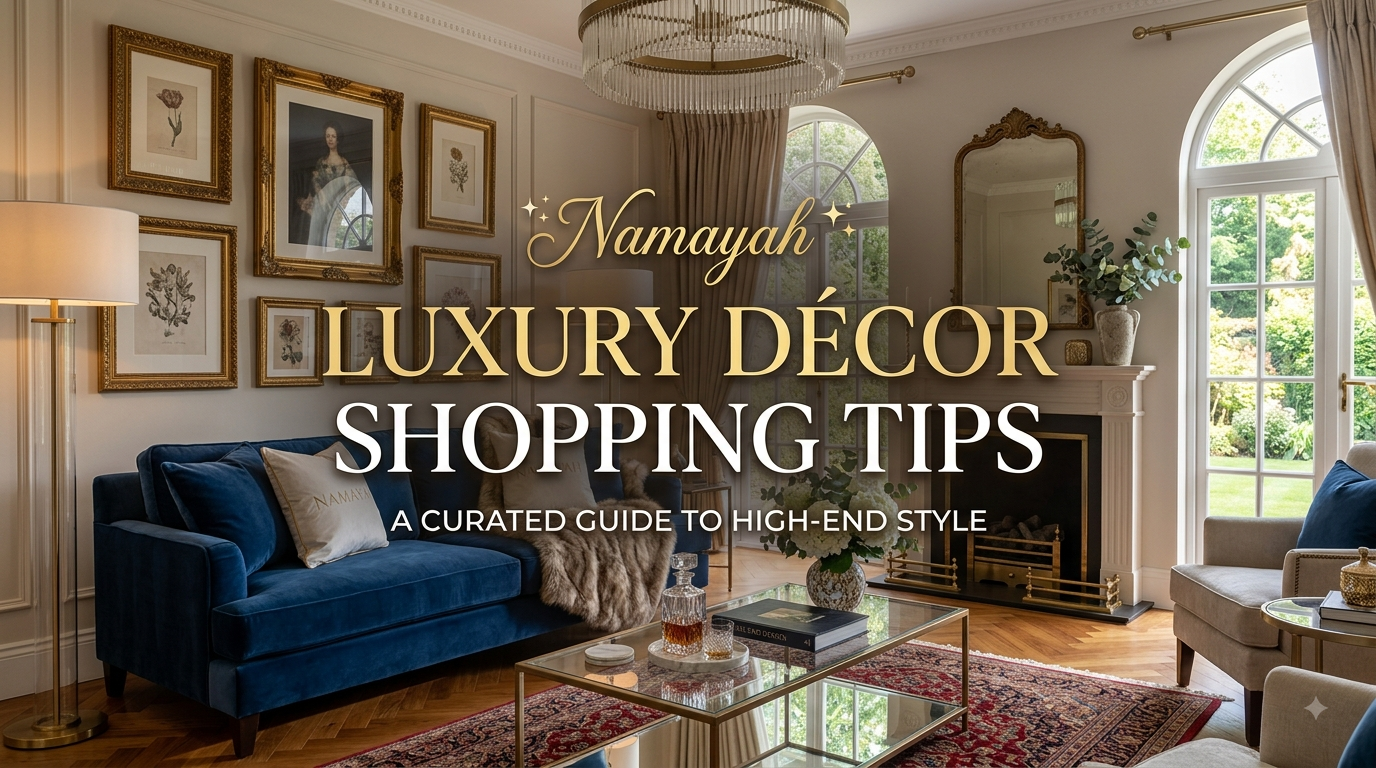
Luxury décor is not simply about buying the most expensive furniture or filling a room with designer accessories. The best interiors usually come from thoughtful choices: quality materials, excellent craftsmanship, appropriate scale, layered lighting, and pieces that have meaning or visual character.
Current interior design direction also favors authenticity and individuality over spaces that look like identical showrooms. In 2026, designers are increasingly highlighting natural materials, artisanal details, lived-in character, and more personal interiors.
If you are shopping for luxury home décor, the goal should be to create a space that feels refined without feeling forced. These luxury décor shopping tips can help you spend more intentionally and avoid expensive mistakes.
What Makes Décor Look and Feel Luxurious?
True luxury is difficult to reduce to a price tag. A beautifully made object can feel more sophisticated than a much more expensive item with poor proportions or weak construction.
Several qualities consistently contribute to a luxurious appearance:
- High-quality, authentic materials
- Careful craftsmanship
- Strong proportions and appropriate scale
- Refined finishes
- Comfortable, functional design
- Layered textures
- Thoughtful lighting
- Limited but meaningful decorative pieces
- A cohesive relationship between furniture, art, accessories, and architecture
Luxury interiors also benefit from restraint. Recent design commentary has emphasized that overdecorating, excessive matching, and poorly scaled accessories can make expensive furniture look less sophisticated.
The result should feel intentional rather than simply expensive.
Set a Décor Budget Before Shopping
One of the most useful luxury décor shopping tips is to establish your budget before you start browsing.
Luxury retailers make it easy to become emotionally attached to a beautiful object. Without a spending limit, you may end up allocating too much of your budget to accessories while neglecting important pieces such as seating, lighting, rugs, or window treatments.
Divide your budget into categories such as:
| Category | Priority |
|---|---|
| Sofa or major furniture | High |
| Bed or dining furniture | High |
| Lighting | High |
| Rug | High |
| Artwork | Medium to high |
| Decorative accessories | Medium |
| Small accent pieces | Flexible |
You do not need to purchase everything at once. A slower approach can actually produce a more personal interior because you have time to discover pieces that genuinely suit your home.
Prioritize Quality Over Labels
A recognizable designer name can be valuable, but a brand label should not be your only measure of quality.
When comparing two products, examine what you are actually receiving. Consider the construction, material, finish, dimensions, warranty, repairability, and expected use.
Ask:
- What is the product made from?
- How was it constructed?
- Is the finish durable?
- Does the item feel substantial?
- Can replacement parts or repairs be obtained?
- Does the design suit the room?
- Will you still like it several years from now?
This approach shifts your attention from “Is this expensive?” to “Is this well made and appropriate for my home?”
That distinction matters because luxury is increasingly associated with quality, craftsmanship, comfort, and individuality rather than price alone.
Inspect Materials Carefully
Materials are among the clearest indicators of quality.
For furniture, investigate whether the construction uses solid wood, quality veneer, engineered materials, metal, stone, or other specified components. For upholstery, examine the fabric composition and feel. For rugs, ask about fiber, construction method, origin, and care requirements.
Natural materials can introduce depth and variation that manufactured imitations may not reproduce convincingly. Marble, wood, leather, wool, linen, silk, and handmade ceramics can also develop character over time when properly maintained.
However, “natural” does not automatically mean “better.” The material needs to be appropriate for the product and your lifestyle.
For example, a delicate fabric may be beautiful but impractical in a busy family room. A porous stone may require more maintenance than you want. A high-maintenance finish may not be suitable for a home with children or pets.
The best luxury purchase combines beauty, durability, and suitability.
Check Craftsmanship and Construction
Before purchasing an expensive decorative item, look closely at how it was made.
For furniture, inspect:
- Joints and connections
- Stitching
- Drawer movement
- Door alignment
- Hardware
- Upholstery tension
- Surface finishing
- Stability
For decorative objects, examine the finish, edges, weight, symmetry where appropriate, and overall detailing.
Handmade products may contain small variations. Those variations are not necessarily defects; they can be evidence of the making process. The important question is whether the variation is intentional and consistent with the product’s description.
Craftsmanship is particularly important when buying pieces intended to become long-term focal points.
Get the Scale and Proportion Right
A beautiful object can look wrong if it is the wrong size.
Before buying furniture or large décor, measure the room and the intended location. Record:
- Wall width
- Ceiling height
- Doorways
- Hallways
- Window positions
- Furniture clearance
- Walking paths
- Existing furniture dimensions
Use painter’s tape to mark the footprint of a sofa, console, dining table, or rug on the floor. This simple step can reveal whether a product will overwhelm the room.
Scale also applies to accessories. A tiny artwork above a large sofa may look disconnected, while too many oversized objects can make a room feel crowded.
Luxury interiors rely heavily on proportion because expensive materials cannot compensate for poor spatial relationships.
Build a Cohesive Color and Material Palette
You do not need every item in a room to match.
In fact, excessive matching can make a luxury interior feel more like a showroom than a home. Instead, create relationships between colors, textures, finishes, and materials.
For example, a room might combine:
- Warm wood
- Natural stone
- Soft neutral upholstery
- Aged metal
- Textured linen
- Handmade ceramics
- A restrained accent color
The objective is visual connection rather than repetition.
Before shopping, create a simple mood board using photographs, fabric samples, paint colors, flooring references, and furniture inspiration. This can help you identify whether a new item genuinely belongs in the space.
Invest in Statement Pieces
Not every item needs to be a major purchase.
A more effective strategy is to identify two or three pieces that will define the room. Depending on the space, these might include:
- A sculptural sofa
- A large artwork
- A handcrafted rug
- A distinctive dining table
- An architectural light fixture
- An antique cabinet
- A custom-made accent chair
Then support those pieces with simpler accessories.
This creates hierarchy. The eye knows where to look, while the supporting décor gives the room depth without competing for attention.
Choose Lighting as Décor
Lighting should not be treated as an afterthought.
A sophisticated room generally benefits from multiple layers of illumination rather than relying on a single central fixture. Consider ambient, task, and accent lighting according to the room’s needs.
Useful options include:
- Pendant lights
- Table lamps
- Floor lamps
- Wall sconces
- Picture lights
- Adjustable recessed lighting
- Accent lighting for artwork or architectural features
Lighting can change how materials and colors appear throughout the day. Current luxury interior guidance also emphasizes layered and adjustable lighting as part of a more refined experience.
When shopping, consider the light fixture itself as a design object—but also evaluate the quality and direction of the light it produces.
Mix New, Vintage, and Handmade Pieces
A luxury interior does not need to come entirely from one retailer or design collection.
Mixing periods and sources can create a more collected appearance. You might combine contemporary furniture with:
- Vintage artwork
- Antique accessories
- Handmade pottery
- Traditional textiles
- Artisan-crafted objects
- Family heirlooms
This approach also helps avoid the overly coordinated look that can make a home feel generic.
Recent design coverage points toward interiors that feel lived-in, personal, and connected to human craftsmanship.
The key is balance. Different pieces should have some relationship through color, scale, material, shape, or function.
Avoid Common Luxury Décor Shopping Mistakes
Even experienced shoppers can make expensive décor mistakes.
Buying everything from one collection
Matching sets can make decorating easier, but too much coordination can remove personality.
Following every trend
Trends can provide inspiration, but major furniture purchases should not depend entirely on short-lived styles. Current design coverage increasingly emphasizes individuality and a less disposable approach to interiors.
Ignoring comfort
A sofa can look spectacular in photographs and still be uncomfortable. Sit on furniture whenever possible and consider how you actually use the room.
Buying décor without measuring
Always confirm dimensions before ordering large pieces.
Overdecorating
More objects do not necessarily create more luxury. Designers interviewed by House Beautiful specifically warn that excessive decoration and poorly scaled accessories can undermine high-end furniture.
Choosing appearance over maintenance
Understand cleaning instructions, fabric limitations, care requirements, and expected wear before making a major purchase.
Shop Online vs. In Store
Both shopping methods have advantages.
Online shopping is useful for comparing prices, dimensions, finishes, reviews, availability, and product specifications. It can also provide access to specialist brands that may not have a local showroom.
In-store shopping is especially valuable for furniture, rugs, lighting, and materials where touch and physical scale matter.
When possible, combine both approaches. Research online first, shortlist products, and then inspect important pieces physically before committing.
For expensive online purchases, carefully review:
- Product dimensions
- Material specifications
- Return policy
- Delivery conditions
- Warranty
- Assembly requirements
- Finish variations
- Care instructions
- Import or delivery charges where applicable
Never assume that a luxury price automatically means a risk-free purchasing experience.
A Practical Luxury Décor Shopping Checklist
Before purchasing a luxury décor item, ask:
- Does this piece have a clear purpose in the room?
- Have I measured the available space?
- Do the proportions work?
- Are the materials clearly specified?
- Does the construction appear durable?
- Does the finish match the rest of the room?
- Will the item remain appealing if trends change?
- Is it comfortable or functional enough for its intended use?
- Have I compared similar products?
- Do I understand the delivery and return terms?
- Can I maintain the item properly?
- Does the piece add personality rather than clutter?
If the answers are mostly yes, you are more likely to be making an intentional purchase rather than an impulse purchase.
FAQs About Luxury Décor Shopping
What should I look for when buying luxury home décor?
Focus on authentic materials, craftsmanship, appropriate proportions, durable construction, refined finishes, and a design that suits your lifestyle. A high price alone does not guarantee quality.
Is expensive décor always better?
No. Price can reflect brand positioning, materials, craftsmanship, rarity, design, or other factors. Compare the actual specifications and construction instead of relying only on the price or brand name.
How can I make my home look luxurious without buying everything expensive?
Prioritize a few high-impact pieces, improve lighting, use coordinated textures, reduce clutter, and select meaningful artwork and accessories. Thoughtful editing can make a greater visual difference than simply adding expensive objects.
Should luxury décor match?
Not necessarily. A coordinated palette is useful, but matching every piece can make a room feel predictable. Mixing contemporary, vintage, handmade, and personal pieces can create a more collected interior.
What luxury décor pieces are worth investing in?
Prioritize items you use frequently or that strongly influence the room, such as sofas, beds, dining tables, rugs, lighting, and significant artwork. Choose based on quality, comfort, durability, and long-term appeal.
Is handmade décor better than mass-produced décor?
Not automatically. Handmade pieces can offer distinctive craftsmanship and variation, but quality still depends on the maker, materials, construction, and intended use.
How do I avoid making my luxury home look cluttered?
Give important pieces room to breathe. Avoid filling every surface and choose accessories based on scale, function, texture, and personal meaning. Restraint is often more effective than abundance.
Should I follow 2026 luxury décor trends?
Use current trends for inspiration rather than as strict rules. 2026 design coverage points toward more personal, tactile, natural, and expressive interiors, but your home’s long-term appeal should remain the priority.
Conclusion
The smartest luxury décor shopping strategy is to buy less, but buy more intentionally.
Start with your room, lifestyle, measurements, and budget. Then evaluate materials, craftsmanship, comfort, proportion, and durability before considering brand prestige. Invest in a few statement pieces, layer them with complementary textures and lighting, and leave enough space for each item to make an impact.
Luxury does not have to mean excess. The strongest interiors often feel luxurious because every element has been carefully considered.
When shopping for luxury décor, ask one final question before purchasing: Does this piece make my home better, or does it simply cost more?
That question can help turn expensive decorating into thoughtful design.