
How Traditional Craftsmanship Inspires Contemporary Design
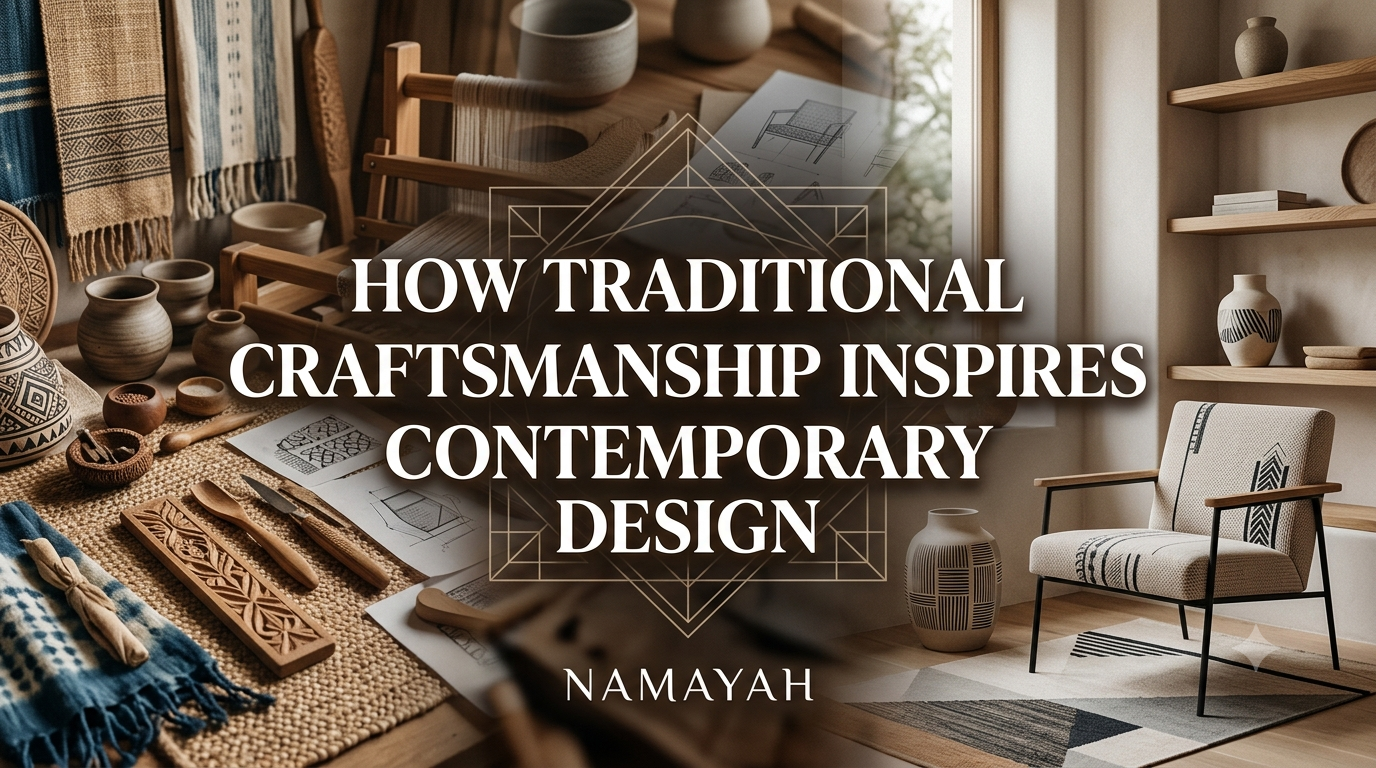
Traditional craftsmanship has always been more than a method of creating beautiful objects—it is a living expression of culture, history, and human creativity. Today, designers across architecture, fashion, furniture, and product development are rediscovering the value of handcrafted techniques and integrating them into innovative designs. This blend of old and new has transformed industries, proving that tradition is not the opposite of progress but one of its strongest foundations.
In this article, we explore How Traditional Craftsmanship Inspires Contemporary Design, highlighting the ways centuries-old techniques continue to shape modern aesthetics, sustainable practices, and meaningful products.
Understanding Traditional Craftsmanship
Traditional craftsmanship refers to the skilled creation of products using techniques that have been refined and passed down through generations. Whether it involves woodworking, weaving, ceramics, metalworking, or embroidery, these crafts reflect the identity and heritage of communities around the world.
Unlike industrial manufacturing, handcrafted work emphasizes patience, precision, and individuality. Every piece tells a story, often carrying cultural symbols, regional materials, and techniques unique to a particular place.
The Skills Passed Through Generations
Master artisans typically spend years learning their craft through apprenticeships. These experiences preserve not only technical skills but also cultural traditions and local knowledge.
Examples include:
- Japanese joinery without nails
- Indian hand block printing
- Moroccan tile making
- Italian leather craftsmanship
- Native American weaving traditions
These skills continue to inspire designers who appreciate authenticity and exceptional quality.
Materials That Define Authentic Craft
Traditional artisans frequently work with locally sourced, renewable materials, including:
| Material | Traditional Use | Contemporary Application |
|---|---|---|
| Wood | Furniture | Sustainable interiors |
| Clay | Pottery | Modern ceramics |
| Wool | Textiles | Luxury home décor |
| Leather | Accessories | Premium fashion |
| Bamboo | Construction | Eco-friendly architecture |
| Natural fibers | Weaving | Sustainable furniture |
These materials contribute both aesthetic beauty and environmental responsibility.
What Is Contemporary Design?
Contemporary design reflects the styles and innovations of the present era. It emphasizes simplicity, clean lines, functionality, flexibility, and environmental awareness.
Unlike historical design styles, contemporary design continuously evolves with changing technologies, lifestyles, and social values.
Key characteristics include:
- Minimalism
- Open spaces
- Sustainable materials
- Functional layouts
- Neutral color palettes
- Smart technology integration
While contemporary design often appears modern, many of its most compelling features originate from traditional craftsmanship.
Evolution of Modern Design
Modern designers increasingly recognize that handcrafted elements add warmth and personality to otherwise minimalist environments. As a result, handcrafted furniture, artisanal lighting, and woven textiles have become defining features of many contemporary interiors.
How Traditional Craftsmanship Inspires Contemporary Design
Traditional craftsmanship influences contemporary design in numerous ways, creating products that combine timeless beauty with modern functionality.
1. Handmade Quality Creates Lasting Value
Handcrafted products often surpass mass-produced alternatives in durability and attention to detail. Designers appreciate this quality because consumers increasingly seek long-lasting purchases instead of disposable goods.
A handcrafted wooden table, for example, develops character over decades, making it both functional and sentimental.
2. Cultural Heritage Inspires Creativity
Designers frequently study historical patterns, architectural motifs, and regional techniques to create fresh interpretations.
Examples include:
- Modern furniture featuring Japanese woodworking.
- Fashion collections inspired by traditional embroidery.
- Hotels incorporating indigenous craftsmanship into interior décor.
This approach allows contemporary design to celebrate cultural diversity while remaining innovative.
3. Imperfection Becomes Beauty
Traditional craftsmanship embraces natural variation. Slight differences in texture, color, and finish make every piece unique.
This philosophy aligns with concepts such as the Japanese appreciation for imperfection, encouraging authenticity over flawless uniformity.
4. Sustainability Through Local Production
Many traditional crafts rely on local materials and small-scale production methods that generate less waste than industrial manufacturing.
Consumers increasingly value products that support local economies while reducing environmental impact.
5. Natural Materials Improve Living Spaces
Wood, linen, wool, clay, and stone introduce warmth and texture into modern interiors.
These materials help create healthier environments by reducing dependence on synthetic products.
Sustainability Through Traditional Methods
One of the strongest reasons traditional craftsmanship continues influencing contemporary design is sustainability.
Traditional production often includes:
- Renewable materials
- Repairable products
- Low-energy manufacturing
- Minimal packaging
- Reduced transportation
These practices align closely with modern environmental goals.
Handmade Versus Mass Production
| Handmade Craft | Mass Production |
|---|---|
| Unique pieces | Uniform products |
| Higher durability | Shorter lifespan |
| Lower waste | Higher waste |
| Local economies | Global supply chains |
| Cultural preservation | Standardization |
As sustainability becomes increasingly important, handcrafted goods continue gaining popularity.
Technology Meets Tradition
Rather than replacing craftsmanship, technology now enhances it.
Designers use:
- 3D modeling
- Computer-aided design (CAD)
- Laser scanning
- Digital prototyping
- Artificial intelligence
These tools help artisans refine ideas while preserving handmade finishing techniques.
For example, furniture makers may digitally design a chair before completing intricate wood carving by hand.
The Rise of Artisan Brands
Consumers increasingly support businesses that emphasize craftsmanship and transparency.
Artisan brands typically focus on:
- Ethical sourcing
- Fair wages
- Handmade production
- Limited editions
- Storytelling
These values resonate strongly with modern buyers seeking authenticity.
Global Examples of Traditional Influence
Japanese Craftsmanship
Minimalist interiors frequently incorporate Japanese woodworking, ceramics, and paper craftsmanship.
Scandinavian Heritage
Nordic design combines traditional woodworking with simple forms and practical functionality.
Indian Artisanship
Handwoven textiles, natural dyes, and block printing continue influencing luxury fashion and home décor worldwide.
African Craft Traditions
Basket weaving, beadwork, and wood carving inspire contemporary furniture and decorative accessories.
Mediterranean Design
Stone masonry, terracotta, and handcrafted ceramics remain central to many modern architectural projects.
Interior Design Inspired by Heritage
Contemporary interiors increasingly feature handcrafted elements such as:
- Wooden ceiling beams
- Handmade ceramic tiles
- Artisan rugs
- Woven baskets
- Hand-thrown pottery
- Natural stone finishes
These details add warmth, texture, and personality while creating a timeless atmosphere.
Fashion Influenced by Traditional Craft
Fashion designers often collaborate with artisans to preserve heritage techniques while reaching new audiences.
Popular influences include:
- Hand embroidery
- Natural dyeing
- Handloom weaving
- Leather craftsmanship
- Traditional beadwork
These collaborations support local communities while introducing consumers to authentic craftsmanship.
Challenges in Preserving Traditional Craftsmanship
Despite growing appreciation, traditional craftsmanship faces several obstacles:
- Aging artisan populations
- Competition from inexpensive mass-produced goods
- Loss of traditional knowledge
- Cultural appropriation without proper recognition
- Limited access to younger generations
Supporting artisan education, fair trade practices, and cultural preservation initiatives helps address these challenges.
Future Trends in Contemporary Design
Looking ahead, the relationship between craftsmanship and design is likely to deepen. Emerging trends include:
- Circular design and product repair
- Personalized handcrafted products
- Smart technology integrated into artisan-made objects
- Biodegradable materials
- Greater collaboration between designers and craftspeople
- Increased consumer demand for ethical and sustainable goods
Heritage techniques will continue to inspire innovation rather than compete with it.
Frequently Asked Questions
1. Why is traditional craftsmanship important in contemporary design?
It provides authenticity, cultural richness, sustainability, and high-quality workmanship that enhances modern products and spaces.
2. What industries benefit most from traditional craftsmanship?
Architecture, interior design, furniture, fashion, jewelry, ceramics, and product design all draw inspiration from traditional techniques.
3. Is handcrafted design more sustainable?
Often yes. Handmade production typically uses fewer resources, creates less waste, and emphasizes durable products made from natural materials.
4. How does technology support traditional craftsmanship?
Digital tools assist with planning and precision while allowing artisans to preserve handcrafted finishing techniques.
5. Why do consumers value handcrafted products?
They appreciate uniqueness, quality, cultural stories, ethical production, and long-term durability.
6. How can young designers help preserve traditional crafts?
By collaborating with artisans, learning heritage techniques, using ethical sourcing practices, and promoting handmade products through contemporary design.
Conclusion
The enduring relationship between heritage and innovation demonstrates How Traditional Craftsmanship Inspires Contemporary Design in profound ways. From sustainable materials and handmade quality to cultural storytelling and timeless aesthetics, traditional techniques enrich modern products with authenticity and meaning. As designers increasingly embrace ethical production and environmental responsibility, craftsmanship is poised to play an even greater role in shaping the future of design.
Whether found in architecture, furniture, fashion, or everyday objects, the influence of skilled artisans reminds us that the most innovative designs often begin with the wisdom of the past.
For further reading on craft preservation and cultural heritage, visit UNESCO’s Intangible Cultural Heritage page: https://ich.unesco.org/