
How to Preserve Handcrafted Wood Decor for Generations
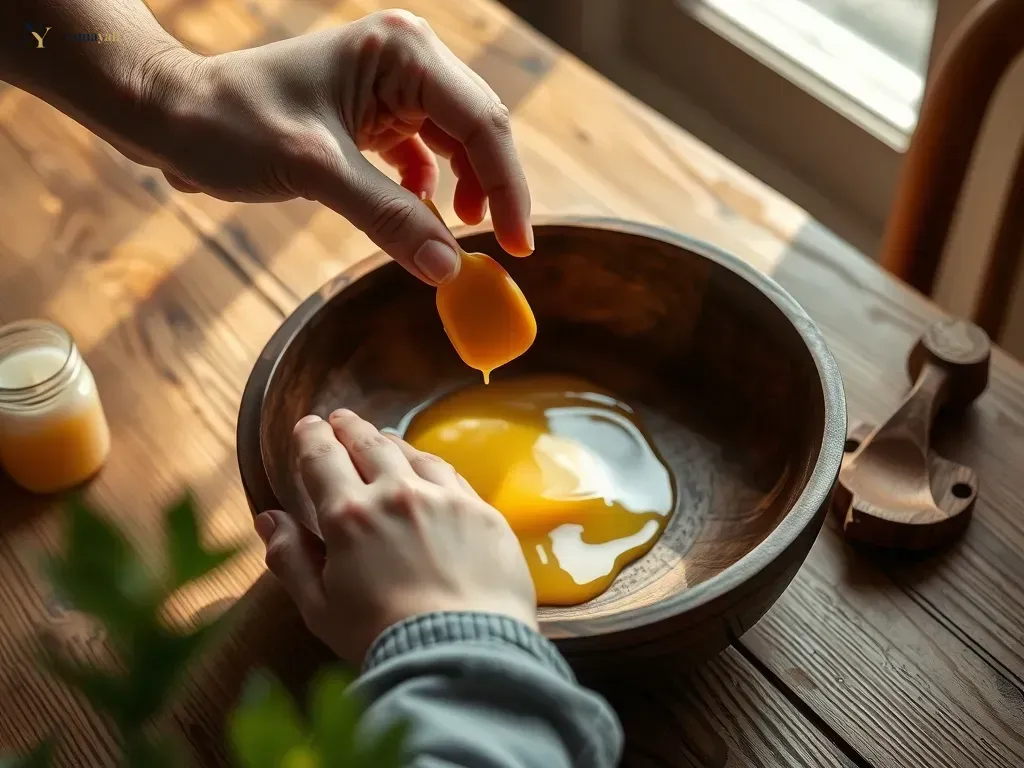
Learning how to preserve handcrafted wood decor is a vital skill for anyone who values the warmth and character of natural materials. Your wooden treasures are not just household items; they are pieces of art reflecting hours of dedicated craftsmanship. When you properly maintain these items, you ensure they remain a centerpiece of your home for decades. Wood is a living, breathing material that reacts to its environment. Therefore, understanding the specific needs of your pieces is the key to longevity. Protecting wood starts with understanding how factors like humidity and sunlight affect the fibers of the timber. By following a few simple steps, you can keep your wooden accents looking as pristine as the day they arrived. Discover more about our approach to quality and heritage in our journey. Consistent care is the secret to retaining the natural luster and structural integrity of artisan-made decor.
The Impact of Environment on Fine Wood
Humidity and Temperature Control
Wooden decor expands and contracts based on moisture levels in the air. For example, high humidity causes wood to swell, while dry air leads to cracking or warping. Ideally, you should maintain a consistent climate in your home to protect your pieces. Avoid placing wooden items directly near heating vents, radiators, or air conditioning units. These sources create rapid temperature fluctuations that put unnecessary stress on the wood grain. Furthermore, using a humidifier in the winter helps keep the environment stable if you live in a dry climate. Consistency is more important than the exact temperature or humidity setting for most types of wood.
Sunlight and UV Exposure
Direct sunlight is a silent enemy of fine wooden surfaces. Over time, UV rays break down the finish and cause the natural colors of the wood to fade or yellow. Position your handcrafted pieces away from windows that receive intense afternoon sun. If you must display a piece in a sunny spot, consider using UV-filtering window film or sheer curtains. Rotating your decor occasionally can also help ensure even exposure if it cannot be completely avoided. Protecting the finish is the first line of defense against long-term color degradation. According to the Forest Products Laboratory, maintaining stable light exposure is essential for wood preservation.
Cleaning and Dusting Best Practices
Safe Dusting Techniques
Dust is not merely an eyesore; it can also harbor moisture and microscopic particles that scratch delicate finishes. Use a soft, lint-free microfiber cloth for regular dusting. Avoid using feather dusters, which can trap debris and cause fine scratches on polished surfaces. Gently wipe in the direction of the wood grain rather than in circular motions. For intricate carvings or detailed scrollwork, a soft-bristled brush can help reach tight spaces without damaging the wood. Never use harsh chemical cleaners or abrasive sponges that could strip away the natural oils or protective lacquer.
Dealing with Spills and Stains
Accidents happen, but quick action can save your wooden decor from permanent damage. If liquid spills on your piece, blot it immediately with a dry cloth. Do not rub, as this can force moisture deeper into the wood fibers. For sticky residues, use a cloth dampened with a mild solution of soapy water, then dry the area completely afterward. Never leave your wooden items sitting in water or in high-moisture areas like bathrooms. If you need more specific advice on maintaining different types of home accents, you can get in touch with our team for guidance.
Essential Maintenance for Lasting Beauty
Choosing the Right Polishes
Not all wood polishes are created equal. Many commercial sprays contain silicone, which creates a temporary shine but can build up over time. This buildup eventually attracts more dust and creates a cloudy film. Instead, look for high-quality beeswax or carnauba-based products that nourish the wood. These natural substances provide a protective barrier that seals the wood without clogging the grain. Always test a small, inconspicuous area before applying any product to the entire surface. This ensures the polish is compatible with your piece's existing finish. According to industry standards, natural oils are often the best choice for long-term care of fine furniture.
The Role of Periodic Oiling
If your handcrafted wood decor has an oiled finish rather than a hard lacquer, it will require periodic re-oiling. Over months or years, the wood can lose its natural moisture and appear dull or dry. Applying a thin coat of food-safe mineral oil or specialized wood oil restores the richness of the grain. Simply apply the oil with a soft cloth, let it sit for the recommended time, and buff away the excess. This process keeps the wood supple and prevents it from becoming brittle.
Common Mistakes to Avoid
Over-Cleaning and Over-Polishing
Many homeowners believe that more cleaning equals better protection, but this is a misconception. Excessive polishing can lead to a sticky residue that ruins the texture of the wood. Only polish your items when they appear dry or dull, which may only be once or twice a year. Furthermore, avoid using water-based cleaners on unfinished wood, as it can cause the grain to raise and become rough. Minimalism in maintenance is often the most effective approach for preserving heirloom-quality decor.
Ignoring Structural Weaknesses
As you clean, take a moment to inspect your items for loose joints or small cracks. If you notice a loose part, address it immediately rather than waiting for it to worsen. Consult a professional restorer for significant damage, as improper repairs can decrease the value of the piece. Regular inspections allow you to catch minor issues before they become major restoration projects. Being proactive is the best way to safeguard the longevity of your investment.
Final Thoughts on Wood Care
Mastering how to preserve handcrafted wood decor is a rewarding aspect of owning beautiful, artisan-made items. Through careful placement, gentle cleaning, and the right maintenance products, your pieces will retain their charm for generations. Treat your wood with respect, and it will continue to tell its story in your home for years to come. For further inspiration on styling your home, read more about sustainable luxury home decor. Remember that your decor is a part of your legacy, and the small amount of time you invest in its care is well worth the effort.