
How to Maintain and Care for Copper Products
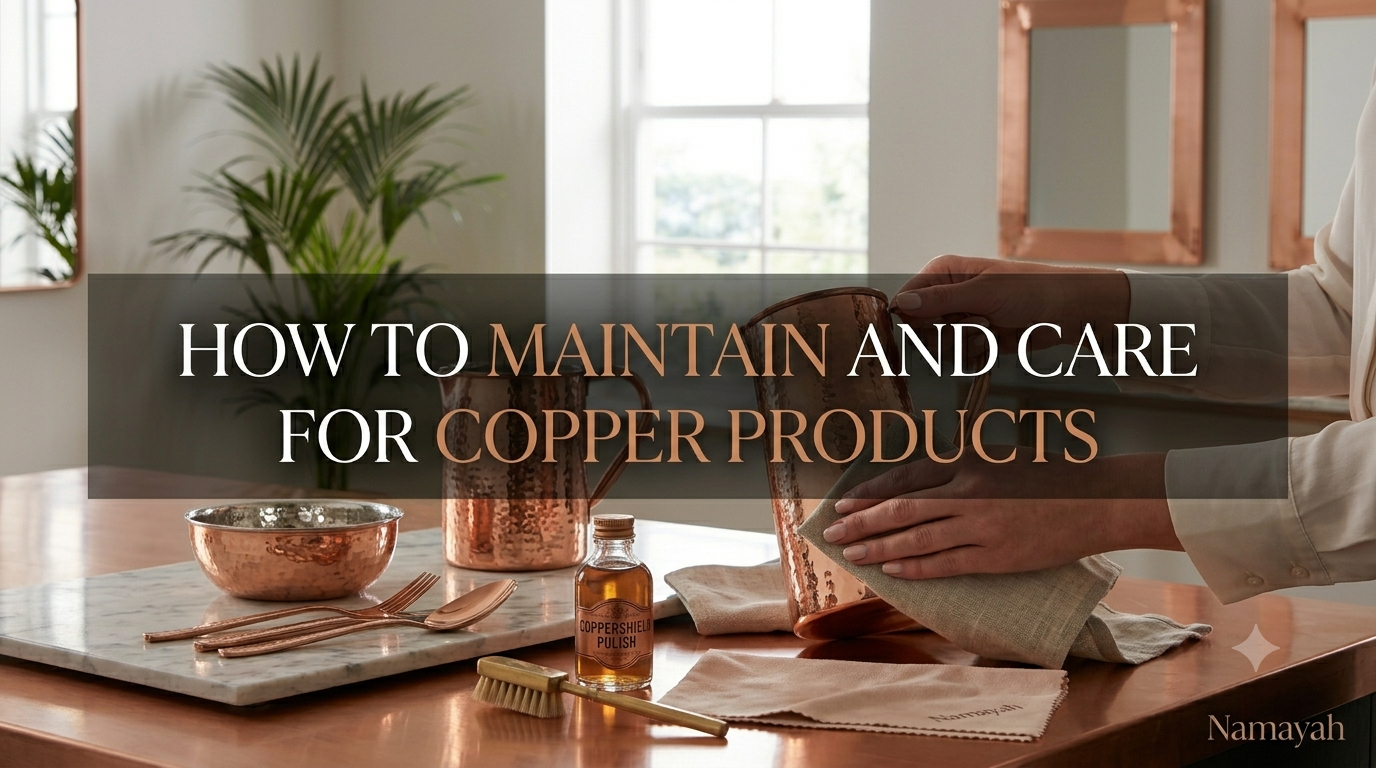
Copper products have been treasured for centuries because of their rich appearance, excellent durability, and natural antimicrobial properties. Whether you own copper cookware, water bottles, decorative pieces, jewelry, or home accessories, proper maintenance helps preserve their beauty and functionality.
In this guide, you’ll learn how to maintain and care for copper products using simple techniques, natural cleaners, and preventive maintenance that keep copper looking its best.
Understanding Copper
Copper is a soft, highly conductive metal widely used in kitchens, home décor, plumbing, and jewelry. One unique characteristic of copper is that it naturally reacts with oxygen, moisture, and certain chemicals in the environment.
This reaction creates a darker surface known as tarnish or, over time, a green-blue coating called patina. While many people appreciate the aged appearance of patina, others prefer the bright, polished finish of newly cleaned copper.
Fortunately, maintaining copper isn’t difficult. A consistent cleaning routine can keep it looking beautiful for decades.
Why Copper Changes Color
Copper does not rust like iron. Instead, it undergoes oxidation.
Common causes include:
- Air exposure
- Humidity
- Fingerprints
- Acidic foods
- Water minerals
- Heat
- Pollution
These factors gradually dull the shiny finish.
The good news is that most discoloration can be removed with proper cleaning.
Benefits of Proper Copper Maintenance
Regular maintenance offers numerous benefits.
Longer Product Life
Well-maintained copper products can last generations.
Better Appearance
Polished copper enhances the elegance of kitchens and interiors.
Improved Performance
Copper cookware distributes heat more evenly when properly maintained.
Health Benefits
Clean copper water vessels remain more hygienic than neglected ones.
Higher Value
Antique and decorative copper items retain their value when cared for properly.
Daily Cleaning Routine
Daily cleaning prevents dirt and oxidation from building up.
Step 1
Wash with warm water.
Step 2
Use mild dish soap.
Step 3
Clean with a soft sponge.
Step 4
Rinse thoroughly.
Step 5
Dry immediately with a microfiber cloth.
Never leave water droplets on copper surfaces because they encourage spotting.
Deep Cleaning Copper Products
Occasionally, copper needs more than routine washing.
A deep clean removes:
- Tarnish
- Grease
- Mineral deposits
- Oxidation
- Fingerprints
Always test any cleaning method on a small, inconspicuous area first.
Natural Cleaning Methods
Natural ingredients are inexpensive, effective, and gentle on copper.
1. Lemon and Salt
Ingredients:
- 1 lemon
- Fine salt
Method:
- Cut the lemon.
- Sprinkle salt on it.
- Rub gently over copper.
- Let sit for 5 minutes.
- Rinse.
- Dry completely.
2. Vinegar and Baking Soda
Mix:
- 1 tablespoon baking soda
- Enough white vinegar to form a paste
Apply gently with a soft cloth.
Rinse thoroughly.
Dry immediately.
3. Flour, Salt, and Vinegar Paste
Mix:
- 1 tablespoon flour
- 1 tablespoon salt
- Enough vinegar to create a paste
Apply for 15–20 minutes before rinsing.
This traditional method restores shine effectively.
Commercial Copper Cleaners
Commercial cleaners are useful for:
- Heavy oxidation
- Antique restoration
- Large decorative items
Always:
- Follow manufacturer instructions.
- Wear gloves if recommended.
- Avoid abrasive scrubbing pads.
How to Care for Copper Cookware
Copper cookware needs special attention.
Do
- Wash by hand.
- Dry immediately.
- Polish the exterior occasionally.
- Use wooden or silicone utensils.
Don’t
- Put it in the dishwasher.
- Use steel wool.
- Heat empty pans.
- Use harsh bleach.
If the cookware has a tin lining, avoid overheating because excessive heat can damage the lining.
Maintaining Copper Water Bottles
Copper water bottles require regular cleaning.
Use:
- Warm water
- Lemon juice
- Mild soap (occasionally)
Avoid:
- Carbonated drinks
- Citrus juice storage
- Milk
- Coffee
- Alcoholic beverages
Dry thoroughly before storing.
Protecting Copper Home Décor
Decorative items require less frequent cleaning.
Dust weekly.
Polish every few months.
For outdoor copper:
- Remove dirt regularly.
- Rinse after heavy rain if exposed to pollutants.
- Apply a protective wax if you want to preserve a polished finish.
Some homeowners intentionally allow outdoor copper to develop a natural patina for its distinctive look.
Preventing Tarnish
The easiest maintenance strategy is prevention.
Helpful tips include:
- Keep copper dry.
- Store in low-humidity areas.
- Avoid prolonged contact with acidic substances.
- Handle with clean hands.
- Use soft cloths.
- Apply copper wax or lacquer if appropriate.
Proper storage dramatically slows oxidation.
Common Mistakes to Avoid
Many copper items become damaged because of improper cleaning.
Avoid:
- Steel wool
- Abrasive scrubbers
- Bleach
- Ammonia-based cleaners
- Long soaking periods
- Dishwasher cleaning
- Scraping with metal tools
Gentle care always produces better long-term results.
How to Restore Old Copper
Older copper pieces can often be restored successfully.
Steps:
- Remove loose dirt.
- Wash with mild soap.
- Apply a natural cleaning paste.
- Polish using a microfiber cloth.
- Repeat if necessary.
- Apply protective wax if desired.
Heavily corroded antiques may require professional restoration to preserve their value.
Maintenance Checklist
| Task | Frequency |
|---|---|
| Dust decorative items | Weekly |
| Wash cookware | After every use |
| Clean water bottles | Every few days |
| Polish shiny copper | Every 1–3 months |
| Inspect for tarnish | Monthly |
| Apply protective wax (optional) | Every 6–12 months |
Frequently Asked Questions
1. Why does copper turn green?
Copper reacts with oxygen, moisture, and environmental pollutants, forming a natural protective layer called patina.
2. Can I clean copper with vinegar?
Yes. White vinegar is an effective natural cleaner when used alone or mixed with salt, flour, or baking soda.
3. Is baking soda safe for copper?
Yes, when used gently as part of a paste. Avoid aggressive scrubbing that could scratch the surface.
4. How often should I polish copper?
Decorative copper usually benefits from polishing every one to three months, while frequently handled items may need more frequent attention.
5. Can copper go in the dishwasher?
No. Dishwashers can discolor copper and may damage protective finishes or linings. Hand washing is recommended.
6. Is the green patina harmful?
Patina itself protects the copper beneath. Whether to remove it depends on your aesthetic preference and the intended use of the item. For food-contact surfaces, keep them clean and follow the manufacturer’s care instructions.
Conclusion
Learning how to maintain and care for copper products is straightforward with the right habits. Regular cleaning, prompt drying, gentle polishing, and proper storage can preserve the beauty and performance of copper for many years. Whether you’re caring for cookware, water bottles, jewelry, or decorative pieces, consistent maintenance will help your copper products remain both attractive and functional.
For additional guidance on copper care and food-safe cookware practices, consult reputable resources such as the Copper Development Association: https://www.copper.org.