
How to Decorate Your Home with Brass Accents
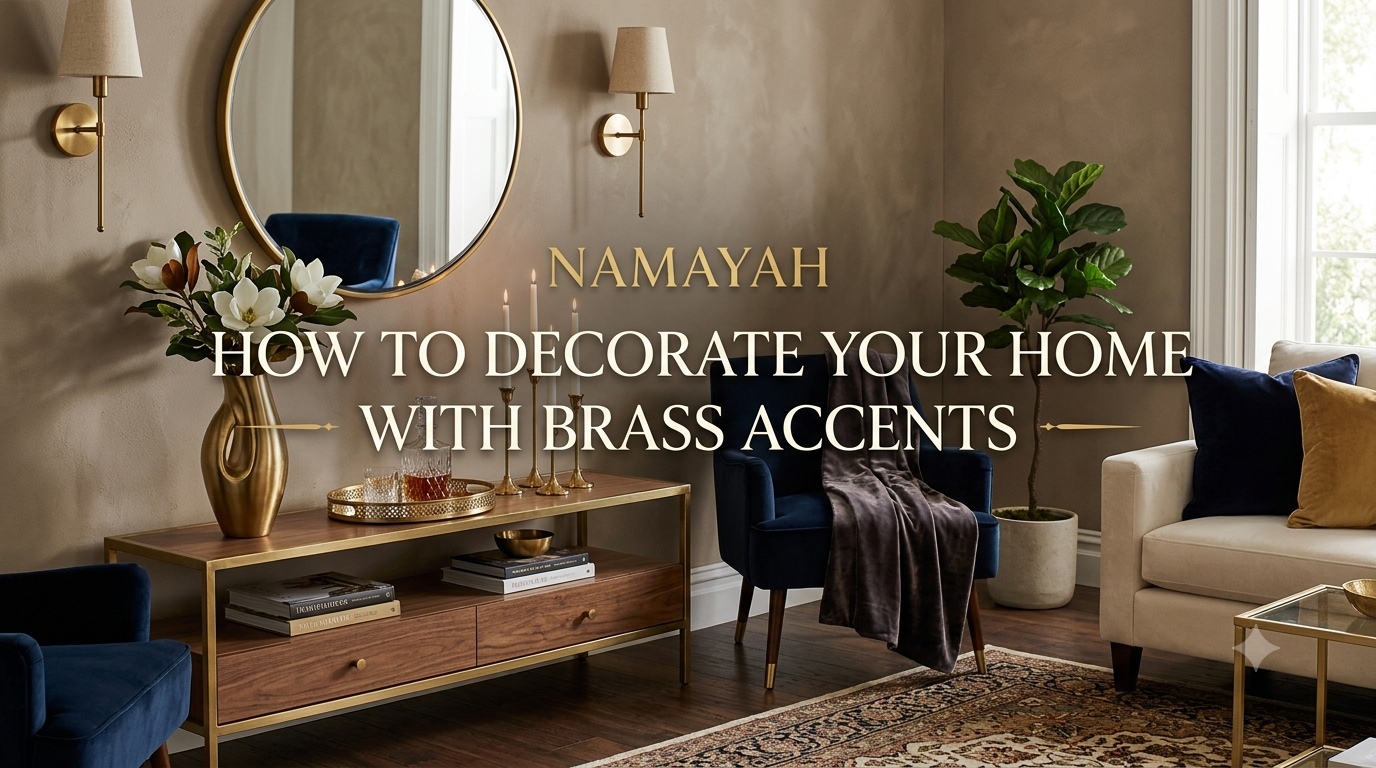
Brass accents are one of the easiest ways to make a home feel warmer, more inviting, and more sophisticated. Whether your style is modern, traditional, Scandinavian, industrial, or farmhouse, brass adds character without requiring a complete redesign.
The key is using brass intentionally. A few carefully chosen pieces can create an elegant focal point, while too many shiny surfaces may overwhelm a room.
Why Brass Is a Timeless Choice
Unlike trend-driven finishes that quickly fall out of fashion, brass has remained popular for decades because it complements many interior styles. Recent interior design coverage also highlights a continued preference for warmer materials, antique brass finishes, and thoughtfully mixed metals over overly polished, uniform spaces.
Benefits include:
- Adds warmth to neutral interiors
- Complements both modern and vintage furniture
- Pairs beautifully with natural materials
- Ages gracefully when allowed to develop a natural patina
- Works as both a subtle accent and a statement feature
Choose the Right Brass Finish
Not every brass finish creates the same look.
Polished Brass
Best for:
- Traditional homes
- Glam interiors
- Art Deco styling
Creates a bright, reflective appearance.
Brushed Brass
Best for:
- Modern homes
- Contemporary kitchens
- Minimalist interiors
Offers a softer appearance that hides fingerprints better.
Antique Brass
Best for:
- Rustic spaces
- Farmhouse décor
- Vintage-inspired rooms
Provides depth and character with a slightly aged finish.
Unlacquered Brass
Over time, this finish naturally develops a patina, making each piece unique. Many designers choose it for its lived-in appearance.
Decorate Your Living Room with Brass
The living room is one of the easiest places to introduce brass.
Ideas include:
- Coffee table trays
- Floor lamps
- Picture frames
- Candle holders
- Wall mirrors
- Decorative bowls
- Plant stands
A brass-framed mirror can reflect natural light while serving as a focal point. Pair brass with wood, linen, stone, or woven textures to create balance.
Add Brass to the Kitchen
Small updates often make the biggest difference.
Consider replacing:
- Cabinet handles
- Drawer pulls
- Faucets
- Pendant lights
- Open shelving brackets
Warm brass hardware pairs especially well with white cabinets, navy blue, sage green, walnut wood, and marble countertops. Antique brass hardware and mixed-metal kitchens have become increasingly popular for creating a layered, personalized look.
Create a Cozy Bedroom
Brass works beautifully in bedrooms because it introduces warmth without overpowering the space.
Popular additions include:
- Bedside lamps
- Brass curtain rods
- Picture frames
- Decorative trays
- Table clocks
- Bed frames
- Small sculptures
Soft bedding in cream, taupe, olive, or charcoal helps brass stand out naturally.
Upgrade Your Bathroom
Bathrooms benefit from coordinated brass finishes.
Ideas include:
- Faucets
- Shower fixtures
- Towel bars
- Cabinet hardware
- Vanity mirrors
- Wall sconces
Pair brass with white tile, natural stone, or matte black details for a timeless appearance.
Best Colors to Pair with Brass
Brass complements both warm and cool color palettes.
| Color | Effect |
| White | Clean and elegant |
| Navy Blue | Rich contrast |
| Forest Green | Luxurious warmth |
| Charcoal Gray | Modern sophistication |
| Black | Bold contemporary look |
| Beige | Soft and inviting |
| Terracotta | Earthy and organic |
| Walnut Brown | Classic combination |
Natural materials like marble, oak, linen, and leather also enhance brass beautifully.
Mix Brass with Other Metals
You don’t have to use only one metal throughout your home.
A balanced approach works best:
- Use one dominant finish.
- Introduce a second metal as an accent.
- Repeat each finish consistently throughout the room.
- Match hardware within the same functional area whenever possible.
This creates a curated rather than accidental look.
Keep Brass Balanced
A few well-placed accents often have more impact than filling every surface with metallic décor.
Try the “rule of three”:
- One statement light fixture
- One decorative accessory
- One functional hardware element
This keeps the room cohesive while allowing brass to stand out.
Common Mistakes to Avoid
Avoid these decorating pitfalls:
- Using too many brass items in one room
- Mixing too many metal finishes without a plan
- Choosing highly polished brass for every surface
- Ignoring the room’s existing color palette
- Forgetting maintenance requirements for unlacquered brass
- Buying décor without considering scale and proportion
Caring for Brass Accents
Maintenance depends on the finish.
- Dust regularly with a soft cloth.
- Use gentle cleaners recommended by the manufacturer.
- Avoid abrasive pads or harsh chemicals.
- Let unlacquered brass age naturally if you enjoy a patina.
- Dry brass fixtures after cleaning to reduce water spots.
Frequently Asked Questions
Are brass accents still in style?
Yes. Brass continues to be a popular choice because it brings warmth and character to both classic and contemporary interiors. Recent design coverage also points to growing interest in antique brass and layered, mixed-metal spaces.
Can I mix brass with black fixtures?
Yes. Matte black and brass create strong contrast while maintaining a sophisticated appearance.
Does brass work in modern homes?
Absolutely. Brushed brass is particularly popular in modern kitchens, bathrooms, and minimalist interiors.
What colors make brass stand out?
White, navy, forest green, charcoal, beige, walnut, and terracotta all complement brass beautifully.
Is polished brass or brushed brass better?
Brushed brass generally suits contemporary interiors, while polished brass complements traditional or glamorous styles.
Can I decorate on a budget with brass?
Yes. Swapping cabinet hardware, adding a mirror, or styling with brass trays and candle holders are affordable ways to refresh a space.
Conclusion
Decorating your home with brass accents is an easy way to introduce warmth, elegance, and timeless style. Start with a few thoughtfully chosen pieces—such as cabinet hardware, lighting, mirrors, or decorative accessories—and build gradually. By pairing brass with natural materials, balanced color palettes, and complementary finishes, you can create interiors that feel both current and enduring.