
How to Create a Rustic Luxury Look with Natural Wood
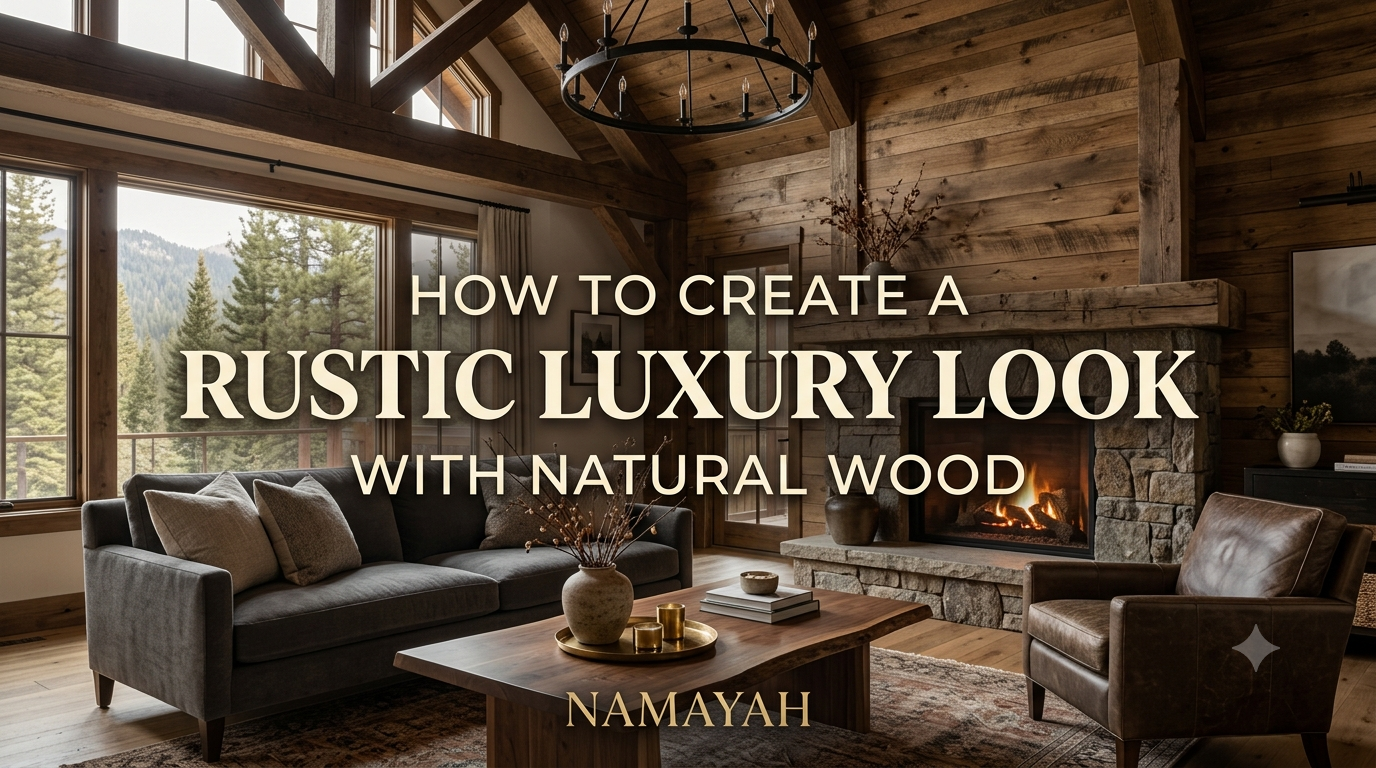
Natural wood can make an interior feel warm, authentic, and sophisticated when it is paired with refined materials and thoughtful design. To create a rustic luxury look with natural wood, focus on high-quality wood, controlled color palettes, elegant lighting, tactile fabrics, and uncluttered furniture. The goal is not to make a room look old-fashioned or overly rustic—it is to combine the character of natural materials with the comfort and polish associated with luxury interiors.
What Is Rustic Luxury Interior Design?
Rustic luxury combines the warmth and imperfections of rustic design with the elegance of a more refined interior.
Instead of filling a room with distressed furniture and traditional country accessories, the style uses natural materials as a foundation and then introduces sophisticated details. Think wide-plank wood flooring, exposed beams, tailored upholstery, stone surfaces, linen curtains, sculptural lighting, and carefully selected décor.
The result should feel comfortable rather than formal, and luxurious rather than excessive.
A useful design principle is to let natural wood provide the character while contemporary details provide the refinement.
Start With the Right Natural Wood
The wood itself is one of the most important elements in the room.
Look for wood with visible grain, natural variation, knots, or subtle tonal differences. These details give surfaces personality and prevent the space from feeling overly manufactured.
Depending on the overall design, options can include oak, walnut, ash, maple, reclaimed wood, or other locally appropriate species.
Choose Wood With Character
Luxury does not necessarily mean perfectly uniform materials.
Natural variations can become a visual feature. A beautiful grain pattern on a dining table, subtle knots in flooring, or naturally varied boards on a feature wall can create depth without requiring additional decoration.
However, rustic character works best when it is controlled. Too many heavily distressed surfaces can make a room feel themed rather than sophisticated.
Mix Wood Tones Carefully
Using multiple wood tones can make an interior more interesting, but the combination should feel intentional.
For example, a medium-toned oak floor could work with a darker walnut dining table and lighter wood accessories. Repeating one of those tones elsewhere in the room can create visual continuity.
If you use several wood finishes, vary them through furniture, flooring, architectural details, or small accessories rather than introducing a different wood on every surface.
Use Wood as an Architectural Feature
Natural wood becomes especially effective when it is incorporated into the architecture of a room.
Instead of treating wood only as furniture, consider using it for flooring, beams, wall paneling, doors, ceilings, cabinetry, or built-in shelving.
Wood Flooring
Wood flooring can establish the visual foundation for a rustic luxury interior.
Wide boards can emphasize the material’s grain and create a calm appearance. A finish that allows the natural character of the wood to remain visible can support the organic feel of the room.
Keep the rest of the space relatively restrained if the flooring has a particularly strong grain or color.
Wood Walls and Ceilings
Wood paneling can add warmth and architectural interest to living rooms, bedrooms, dining areas, and studies.
For a sophisticated appearance, avoid covering every wall unless the architecture and proportions can support it. A single feature wall, ceiling treatment, or carefully designed paneling can often create more impact.
Exposed beams can also contribute to the style, particularly when they are balanced with contemporary furniture and lighting.
Balance Rustic Wood With Refined Materials
One of the easiest ways to make natural wood feel luxurious is to contrast it with materials that have a more polished appearance.
Consider combining wood with:
- Natural stone
- Marble
- Metal
- Glass
- Leather
- Linen
- Wool
- High-quality ceramics
For example, a rustic wood dining table can become much more sophisticated when surrounded by streamlined upholstered chairs and illuminated by an elegant pendant.
The contrast is important. If every element is rustic, the room can lose the sense of luxury.
Choose a Sophisticated Color Palette
Natural wood generally works well with colors inspired by nature.
Depending on the wood species and desired atmosphere, consider shades such as:
- Warm white
- Cream
- Beige
- Taupe
- Soft gray
- Olive
- Deep green
- Charcoal
- Earthy brown
- Muted terracotta
A restrained palette allows the grain and texture of the wood to remain visible.
For a darker, more dramatic interior, combine rich wood with charcoal, deep green, or warm neutral shades. For a lighter interpretation, pair pale wood with cream, off-white, and soft beige.
The important point is consistency. Choose a small group of complementary colors rather than introducing too many competing shades.
Add Luxury Through Textiles
Texture can transform a wood-heavy room.
Natural wood has a hard, visual quality, so soft materials help create balance. Layer the room with textiles such as linen, wool, cotton, leather, and other tactile fabrics appropriate to the space.
A living room, for example, could combine:
- A substantial wood coffee table
- A neutral upholstered sofa
- A wool or textured rug
- Linen cushions
- Soft window treatments
- A leather accent chair
These layers make the room feel inviting while maintaining the natural character of the wood.
Use Lighting to Highlight Natural Wood
Lighting has a major influence on how wood looks.
Warm, layered lighting can emphasize grain, texture, and architectural details. Instead of depending on one central fixture, combine several sources of light.
Consider:
- Ambient lighting for general illumination.
- Task lighting for reading, cooking, or working.
- Accent lighting to highlight wood walls, shelves, artwork, or architectural features.
Pendant lights, wall sconces, table lamps, and concealed lighting can all contribute to a more layered atmosphere.
The fixture itself can also become part of the design. Metal, glass, ceramic, or sculptural fixtures can provide a refined contrast against natural wood.
Select Furniture With Simple, Strong Forms
Rustic luxury furniture does not need excessive ornamentation.
A large wooden dining table, sculptural armchair, solid wood console, or simple four-poster bed can provide a strong focal point without overwhelming the room.
Look for pieces where material quality and craftsmanship are visually apparent.
If a piece of furniture has a particularly distinctive wood grain, allow it room to breathe. Surrounding it with too many decorative objects can reduce its impact.
Add Accessories Without Overdecorating
Accessories should complement the wood rather than compete with it.
Useful finishing elements include:
- Oversized artwork
- Handcrafted ceramics
- Stone objects
- Woven baskets
- Decorative books
- Sculptural vessels
- Indoor plants
- Simple metal accents
Choose fewer, more meaningful pieces instead of filling every shelf and tabletop.
This restraint is one of the differences between rustic luxury and a heavily decorated rustic interior.
Common Rustic Luxury Mistakes to Avoid
Using Too Much Distressed Wood
A little weathered character can be attractive. Excessive distressing can make the room feel dated or overly themed.
Making Every Surface Wooden
Wood ceilings, walls, floors, furniture, and cabinetry can become visually overwhelming. Introduce contrast through painted surfaces, textiles, stone, glass, or metal.
Ignoring Scale
Large rooms may require substantial furniture and architectural details, while smaller spaces benefit from carefully proportioned pieces.
Choosing Too Many Decorative Styles
Mixing rustic, industrial, farmhouse, traditional, and contemporary elements without a clear visual connection can create confusion.
Relying on a Single Light Source
Even beautiful wood can look flat under poor lighting. Layer the illumination to reveal texture and create atmosphere.
Room-by-Room Rustic Luxury Ideas
Living Room
Use natural wood flooring or a substantial wood coffee table as the foundation. Add a comfortable neutral sofa, textured rug, elegant lighting, and restrained accessories.
Kitchen
Natural wood cabinetry can be paired with stone countertops, sophisticated hardware, and modern lighting. Open shelving can display ceramics while keeping the material palette connected.
Dining Room
A solid wood dining table can become the focal point. Pair it with upholstered chairs and a statement pendant to create a balance between rustic warmth and elegance.
Bedroom
Use wood flooring, a wooden bed or headboard, soft textiles, and warm lighting. Keep the palette calm and avoid excessive decorative elements.
Bathroom
Wood-look elements or appropriately selected wood details can soften stone and tile. Combine them with simple fixtures and natural textures for a spa-like atmosphere.
FAQs
What wood is best for a rustic luxury interior?
There is no single best wood. Oak, walnut, ash, reclaimed wood, and other species can work depending on the color, grain, durability requirements, and overall design. Choose wood that complements the room’s architecture and palette.
How do you make rustic wood look expensive?
Pair it with refined materials, quality lighting, tailored furniture, elegant textiles, and restrained accessories. The surrounding design often has as much impact as the wood itself.
Can rustic and modern styles work together?
Yes. Modern furniture and lighting can provide a clean contrast to natural wood. Keeping the palette cohesive helps the two styles feel intentional rather than mismatched.
What colors look best with natural wood?
Warm whites, creams, beige, taupe, olive, muted greens, charcoal, and earthy tones can complement natural wood. The ideal combination depends on the wood’s undertone and the amount of natural light.
How can I use natural wood in a small room?
Use wood selectively. A wood floor, furniture piece, shelving unit, or accent wall may be enough. Balance it with lighter colors, reflective surfaces, and appropriate lighting.
Is reclaimed wood suitable for luxury interiors?
It can be. Reclaimed wood brings distinctive texture and history, but the finish and surrounding materials determine whether the overall result feels sophisticated.
How do you prevent a wood-heavy room from looking dark?
Use a lighter color palette, introduce textiles and reflective materials, avoid excessive dark finishes, and layer natural and artificial lighting.
Should all wood finishes match?
Not necessarily. Related wood tones can create depth, provided they have a deliberate relationship. Repeating key tones throughout the room can help different finishes feel cohesive.
Conclusion
Creating a rustic luxury look with natural wood is about balance. Let the wood provide warmth, texture, and authenticity, then introduce refined furniture, sophisticated textiles, elegant lighting, and contrasting materials to elevate the space.
The most successful interiors do not try to make every element luxurious or rustic. Instead, they combine the two qualities thoughtfully: natural materials bring character, while restraint and refinement create luxury.